
Best Automotive Diagnostic Computer: The Buyer Checklist for 2026
Disclosure: We may earn a commission when you buy through links on this page, at no extra cost to you. As an Amazon Associate I earn from qualifying purchases. Learn more

Compare the best automotive diagnostic computer options with a buyer checklist on coverage, live data, updates, build quality, and long term value.
A diagnostic computer earns its place in your garage when it tells you what is actually wrong, not just which warning light came on. Choosing the best automotive diagnostic computer for your vehicles starts with coverage, clear live data, and software you can keep current. The checklist in this guide walks through each factor in plain terms, so you can match a unit to the cars you service and the repairs you handle most.
Use the comparison table below as your starting point, then work through the criteria that follow before you spend anything. A unit that looks powerful on a listing page can still disappoint if it skips the systems on your vehicle, charges steep update fees, or feels clumsy during a long diagnosis session.

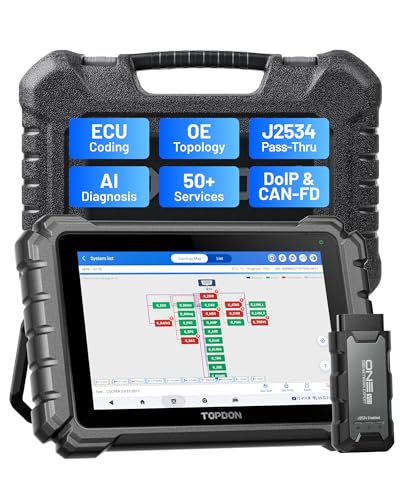
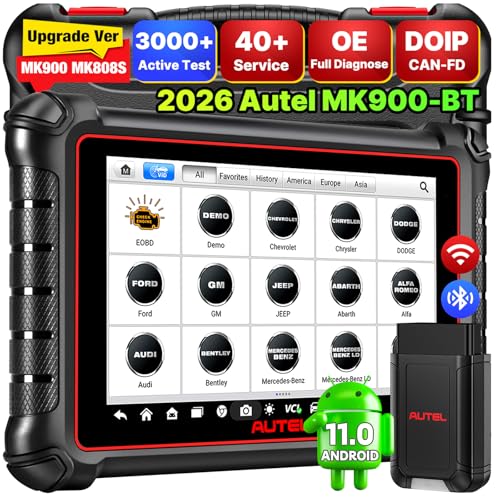
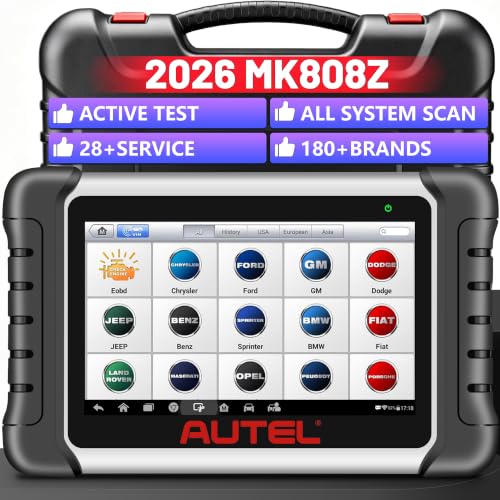
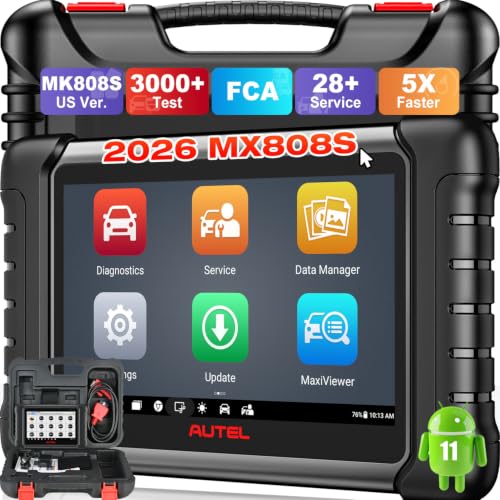
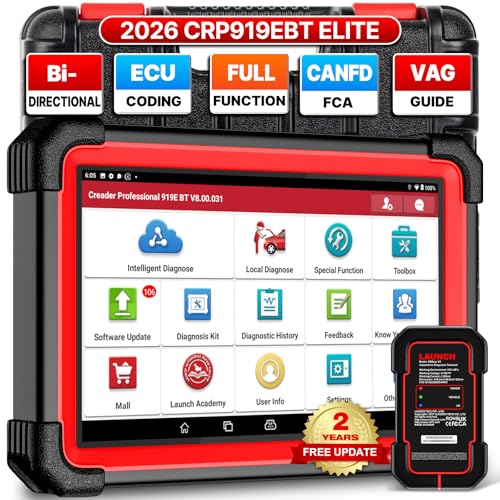
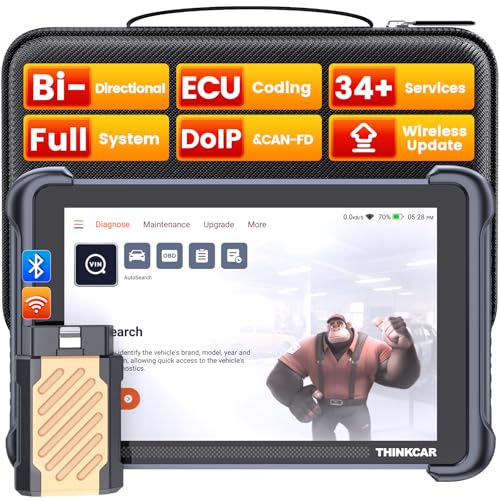
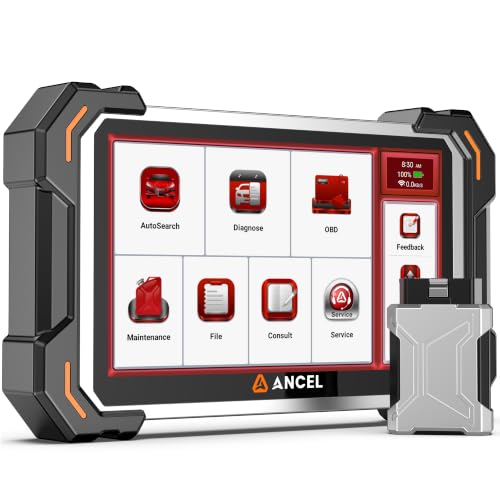

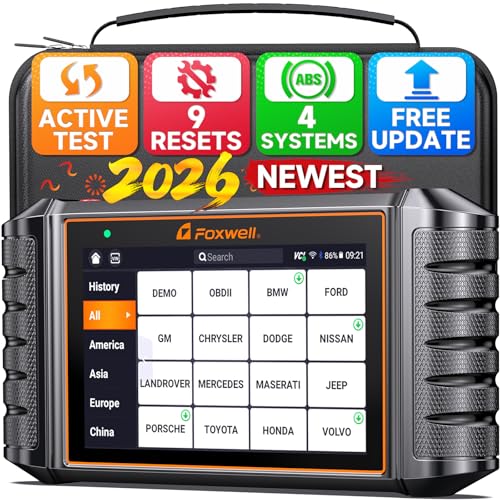
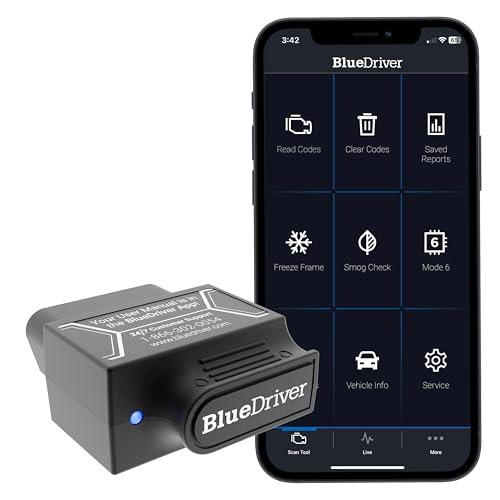
Key Features to Compare When Evaluating Diagnostic Computers
Think of the sections below as a scoring checklist you can apply to any model you are considering. Rate each unit on intended use, safety, value, performance, build, support, and fit for your space.
Intended Use and Who It Is For
Start by naming the jobs you actually do. A home mechanic who clears codes and checks readiness monitors on two family cars needs far less than a small shop that resets adaptations, runs actuator tests, and works across many brands each week. If your needs are basic code reading and emissions checks, see our guide to the best automotive diagnostic tool for simpler options. Buy for your real workload, because paying for advanced functions you never open adds cost and menu clutter without improving a single repair.
Safety and Certifications
A diagnostic computer connects directly to your vehicle electrical system, so build safety matters more than many buyers expect. Look for clear listings of electrical protection, a sturdy connector that seats firmly in the OBD II port, and cables rated for workshop use. Reputable makers publish their compliance information openly and explain voltage limits in the manual. Be cautious with units that give vague safety claims or no documentation at all. You should also confirm the unit will not command tests on safety systems, such as airbags, beyond what the vehicle maker allows for service work.
Price Versus Value
Prices span a wide range, from around $150 for capable entry units to about $600 to $1500 for advanced platforms with broad coverage and active tests. Judge value by what you get over the full ownership period, not the sticker alone. A lower priced unit with paid yearly updates can cost more across three years than a mid priced model with updates included. Factor in replacement cables, case quality, and whether key functions sit behind a subscription. Spending a little more for coverage you will use weekly is sensible value, while premium options only pay off for busy shops.
Key Performance Specs
The specs that matter most are system coverage, code reading speed, live data refresh, and the depth of special functions. Full system access means engine, transmission, brakes, airbags, and body modules, not engine codes alone. A fast processor and a responsive screen shorten every session, and the ability to graph several live values at once helps you spot a sensor drifting out of range. If you mostly need quick code checks on one car, compare the models in our guide to the best automotive diagnostic scanner before paying for full computer features.
Build Quality and Materials
Garage tools get dropped, splashed, and carried from bay to driveway, so construction quality decides how long a unit stays reliable. Look for a rubber protected housing, buttons or a touchscreen that respond with gloves on, and a cable thick enough to resist kinks and cuts. Screen glass should shrug off light impacts, and the port connector should click in without flexing. Compact options suit mobile work, while larger rugged housings suit daily shop use. A cheap feeling case and a loose connector are early warnings that internal quality may be just as thin.
Warranty and Customer Support
A solid warranty, ideally two years or longer, signals that the maker stands behind the hardware. Just as important is support you can actually reach, with clear channels for update problems, vehicle coverage questions, and replacement parts such as cables and batteries. Check how software updates are delivered, how often they arrive, and whether older models keep receiving them. Good documentation matters too, including a manual that explains special functions in plain language. Weak support turns a small glitch into weeks of downtime, which costs a working shop far more than the unit itself.
Size, Weight, and Fit for Your Space
Consider where the unit will live and how you will hold it during use. A large tablet style screen makes live data easy to read across the engine bay, but it takes bench space and needs two hands more often. Smaller handheld units store in a drawer and travel well for roadside checks. Cable length also shapes comfort, since a short lead forces you to crouch by the door sill. If you prefer working on a bigger display you already own, our guide to the best laptop for automotive diagnostics explains what that setup requires.
Matching a Diagnostic Computer to Your Garage and Vehicles
With the checklist above in hand, the next step in finding the best automotive diagnostic computer for your needs is narrowing your shortlist by vehicle coverage, format, and software habits. These three decisions filter out most poor matches before price even enters the discussion. Work through each one honestly, using the vehicles and jobs in front of you rather than the ones you imagine tackling someday.
Coverage for the Vehicles You Service Most
Write down every vehicle you expect to plug into during the next two years, including make, model year range, and fuel type. Then check each candidate unit against that exact list, system by system, on the maker coverage chart. Coverage claims on a listing page often describe the strongest brand the unit supports, while your brand may get basic code reading only. Pay special attention to the functions you use most, such as brake service resets, steering angle calibration, and battery registration. A unit that covers your daily vehicles deeply beats one that covers many brands shallowly.
Standalone Unit or Laptop Based Setup
A standalone unit boots fast, travels easily, and keeps your diagnosis separate from a computer you use for everything else. A laptop based setup pairs an interface cable or wireless adapter with software on a larger screen, which suits long data logs and side by side comparisons. Each route has tradeoffs in cost, setup time, and durability. To weigh the software side properly, see our guide to the best automotive diagnostic software and note which programs match your vehicle brands. Choose the format you will reach for without hesitation on a busy day.
Updates, Data Saving, and Report Sharing
Vehicle software changes every model year, so an update path keeps your unit useful as newer cars arrive. Confirm how updates arrive, whether by WiFi or a computer connection, and what they cost after any included period ends. Data saving matters as well, since stored freeze frame data, code history, and live recordings let you compare a car before and after a repair. Shops also value clean reports they can print or send to a customer. A unit that saves and shares results neatly saves you from scribbling values on paper mid diagnosis.
Quick Buyer Checklist
Run through these questions for every model on your shortlist, and set aside any unit that fails one of your must have points. You can also compare your answers with the product table above once you have a finalist or two.
- Does the coverage chart list your exact vehicles and the systems you service?
- Can the unit run the special functions you need, such as brake resets and battery registration?
- Is live data fast enough to graph several values at once without lag?
- Are software updates included, and is the ongoing cost clearly stated?
- Does the housing feel rugged enough for drops, splashes, and daily handling?
- Is the warranty at least two years, with support you can reach easily?
- Does the size, screen, and cable length suit your workspace and grip?
- Can the unit save scans and share reports in a format you will use?
Common Mistakes and Red Flags to Watch For
Most disappointing purchases follow the same handful of patterns. Watch for these warning signs while you compare listings and manuals, and treat each one as a reason to slow down and verify before ordering.
- Buying on a headline function list without checking your brand coverage, so the features you wanted never appear on your car.
- Ignoring update fees, which can quietly double the real cost of a bargain priced unit within a few years.
- Choosing a unit with vague specifications and no published coverage chart, a common sign of weak engineering support.
- Overlooking an unusually short warranty, which often signals the maker expects early failures.
- Trusting listings crowded with glowing reviews that never mention a single limitation or vehicle detail.
- Skipping the manual before ordering, then finding that key functions need paid add ons or extra adapters.
Care and Maintenance Tips for Your Diagnostic Computer
Read the manual fully before first use, especially the sections on connecting, disconnecting, and updating, since a failed update can lock a unit until support restores it. Wipe the screen and housing with a soft, slightly damp cloth after messy jobs, and inspect the cable and connector pins monthly for cuts, bends, or corrosion. Store the unit in its case in a dry place away from heat and direct sun, and keep the battery partly charged during long storage. Install updates on a stable connection with the unit plugged into power, and never unplug the cable from the vehicle while an active test is running.
Frequently Asked Questions
Are expensive automotive diagnostic computers worth the cost?
Expensive automotive diagnostic computers are worth the cost when you use their deeper coverage and active tests often. A busy shop recovers the price through faster diagnosis across many brands. A home mechanic with one or two cars rarely uses those extras, so a mid priced unit usually delivers better value. One point buyers miss is resale and trade in value, since well supported premium units tend to hold their worth longer than obscure bargain models.
What features matter most when buying an automotive diagnostic computer?
System coverage for your vehicles matters most, followed by live data speed, useful special functions, and a clear update policy. A bright screen and a rugged case help during daily use, but they cannot rescue a unit that skips your transmission or brake module. Also weigh how the menus are organized, because a logical layout you understand at a glance saves real time when a car is tying up your only work space.
How much should you spend on an automotive diagnostic computer?
Plan on about $150 to $400 for solid home and hobby use, and about $600 to $1500 for shop grade coverage with active tests. Your vehicle list should drive the budget more than feature envy, since Euro and late model coverage usually costs more. Set aside a small reserve for update renewals and a replacement cable, because those ownership costs arrive whether you planned for them or not.
How do you maintain an automotive diagnostic computer?
You maintain an automotive diagnostic computer by keeping its software current, protecting the cable and connector, and storing it dry in its case. Beyond the routine in the care section above, back up saved scans to a computer or cloud folder every few months. Those records are easy to lose in a reset, and past data from the same vehicle is often the fastest way to confirm whether a fault is new or returning.
How long does an automotive diagnostic computer last?
An automotive diagnostic computer typically lasts five to eight years with normal care. Hardware rarely fails first; instead, coverage ages as new models arrive and update support winds down for older units. Battery wear is the other common limit, so a model with a replaceable battery can stretch its useful life. Checking that spare batteries and cables remain available before you buy protects you against an early forced replacement.
Final Thoughts
The right choice comes down to three things: coverage that matches your vehicles, live data and functions you will truly use, and support that keeps the software current. Run every finalist through the checklist, weigh value across the full ownership period, and revisit the product table above to compare your top candidates side by side. Chosen that way, the best automotive diagnostic computer for your garage is simply the one that answers your questions fastest, repair after repair.


