
Best Automotive Borescope: Complete Buying Guide for 2026
Disclosure: We may earn a commission when you buy through links on this page, at no extra cost to you. As an Amazon Associate I earn from qualifying purchases. Learn more
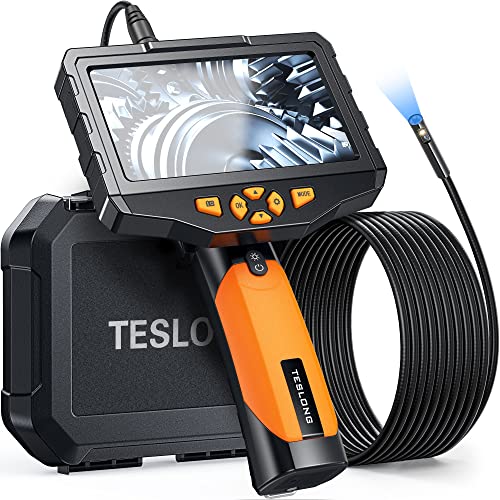
Choose the best automotive borescope for engine and dash inspections: probe size, camera clarity, lighting, screen type, and articulating tips explained.
A small camera on a flexible probe can show you what a mirror and flashlight never will: a scored cylinder wall, carbon on a valve, a leaking seal behind a bracket, or a loose wire deep in the dash. The best automotive borescope for you depends on how small your openings are, how much light the cavity needs, and whether you want a built in screen or a phone link. The product table above lines up current options.
This guide explains the specs that matter in an engine bay, how to match a probe to the job, and how to avoid the common mistakes that lead to blurry images and damaged probes.
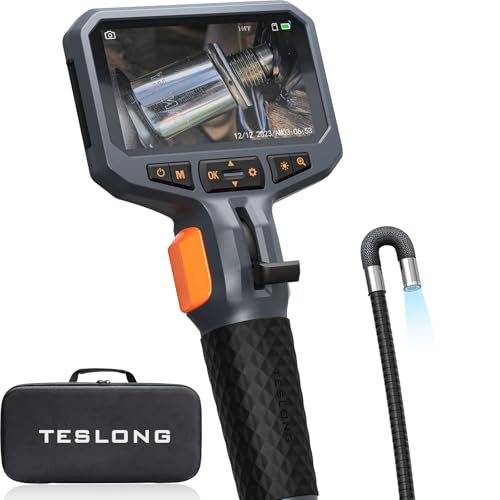
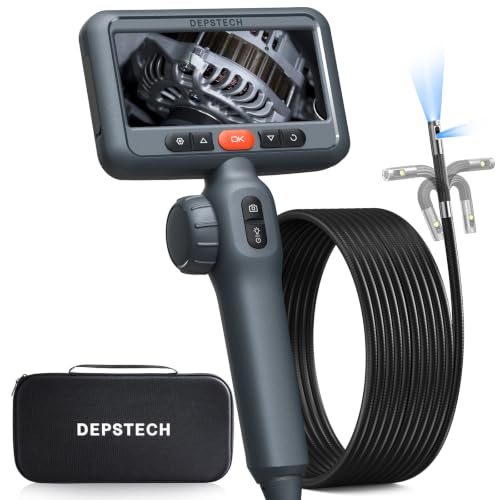

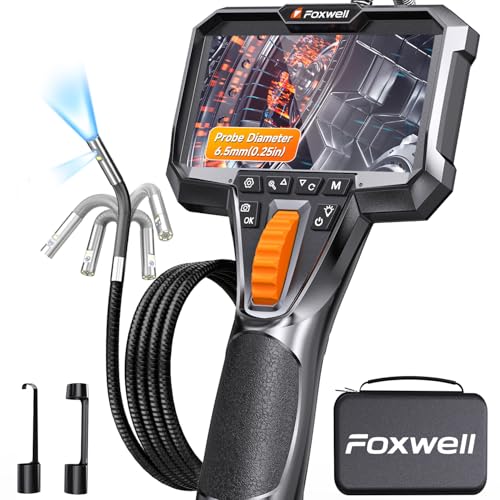
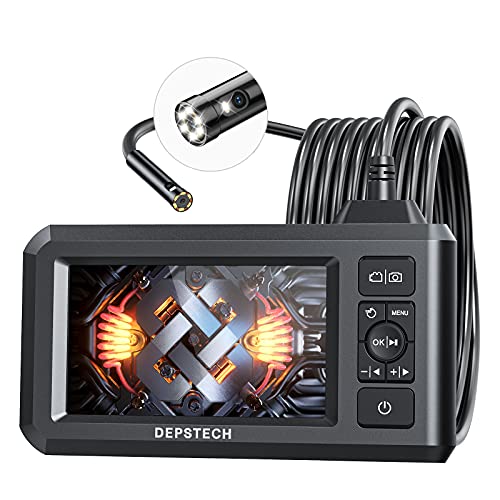
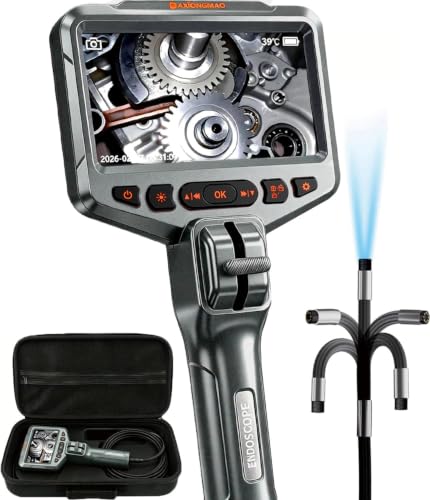
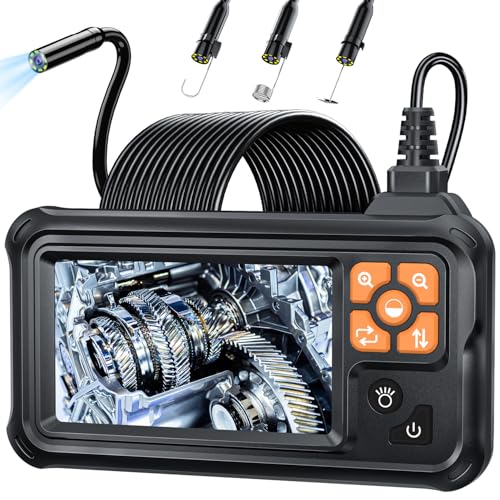
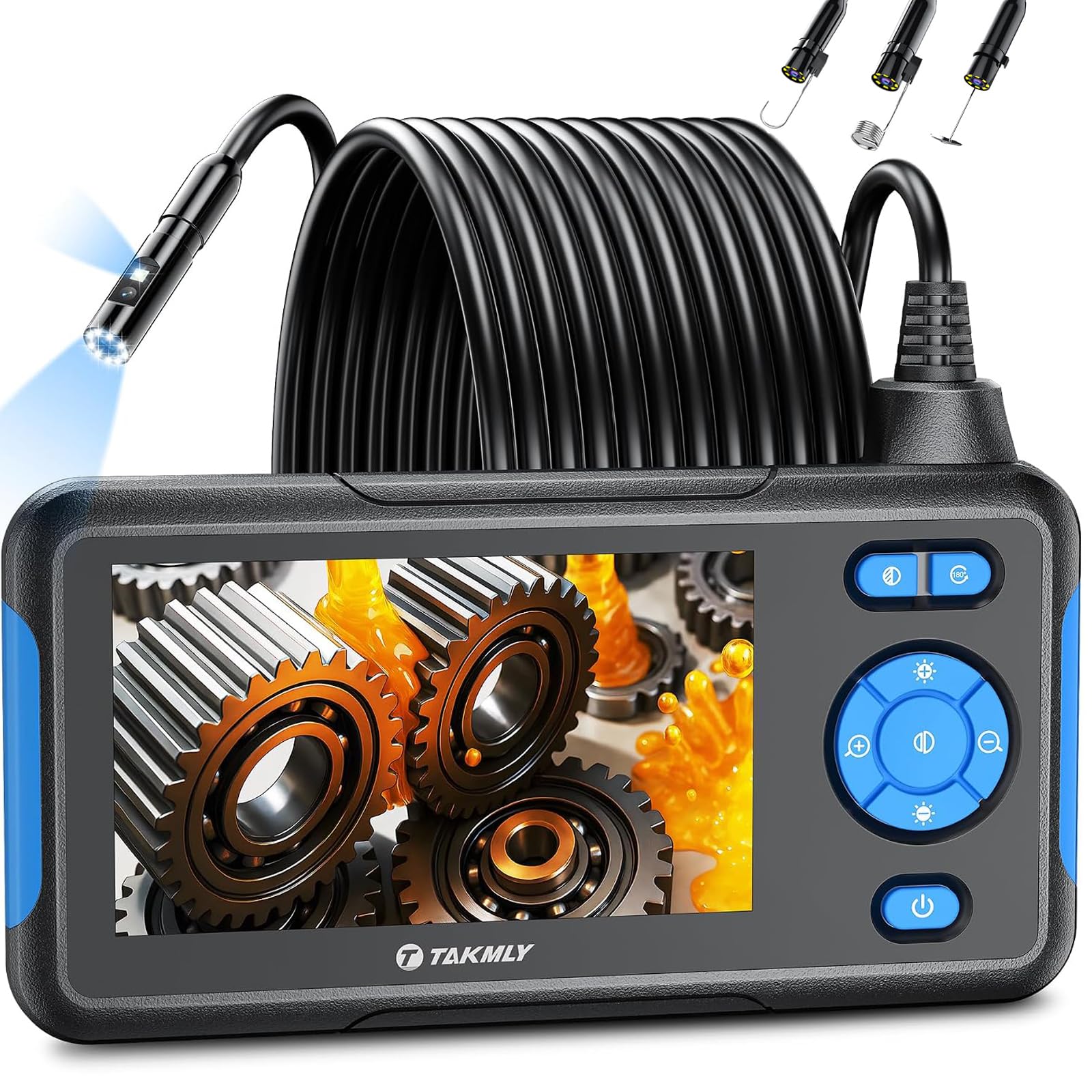
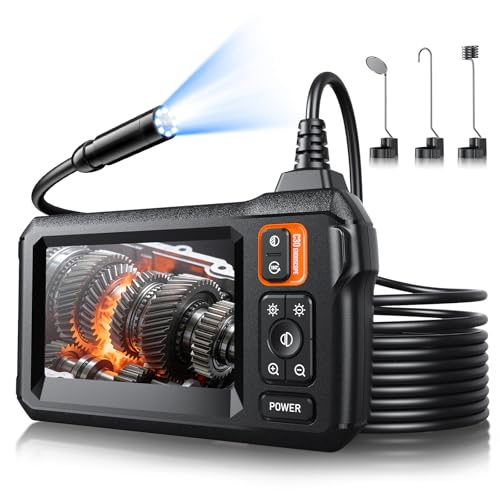
Types of Automotive Borescopes
| Type | Suits | Trade Off |
|---|---|---|
| Handheld screen model | Garage work without a phone | Bulkier body, fixed screen angle |
| Phone or USB model | Saving photos and video, quick checks | Depends on app quality and phone battery |
| Articulating tip model | Bends, valves, and tight corners | Higher price, thicker probe |
Handheld Screen Models
These pair a probe with a built in display, usually 4.3 to 5 inches. They work anywhere in the garage with no pairing, no app, and no phone to protect from grease. Most mechanics prefer this style for daily inspections because it turns on and works.
Phone and USB Models
These are compact and inexpensive, and they let you save images and video to share with a shop or a forum. The probe usually plugs into a USB C port or connects over Wi-Fi. They are a good fit for occasional checks, though some wireless units show lag and the app quality varies.
Articulating Models
An articulating tip bends in one or two directions so you can steer around a corner or look back toward the entry point. That helps inside intake runners, behind engine accessories, and in transmission housings. For straight line views through a spark plug hole, a fixed tip is simpler and cheaper.
How to Choose the Best Automotive Borescope
Probe Diameter and Length
Measure the smallest opening you plan to inspect. Probes of about 5.5 to 8 mm fit most spark plug holes and small ports, while thicker 8 to 10 mm probes often give better image quality but fit fewer openings. A length of 3 to 5 feet reaches most engine work, and a longer cable is only useful for exhaust runs or frame cavities. A stiff, semi rigid cable holds its shape and is easier to guide than a floppy one.
Camera Quality and Focus
Resolution numbers on a listing tell only part of the story. Lens quality, focus range, and lighting decide whether you can read a crack or a deposit. Look for a focus range that works at a few inches, since most engine inspections happen at short distance, and check sample images taken in metal cavities rather than in a bright room.
Lighting
Adjustable LED brightness matters more than the number of LEDs. Full brightness on a shiny cylinder wall washes out detail, while a dimmer, even light shows scoring and deposits clearly. A dual lens probe with a front and side camera helps when you need to look along a wall instead of straight ahead.
Waterproofing and Durability
Choose an IP67 rated probe if you will work around coolant, oil, or washdown. A metal braided cable resists abrasion against sharp edges, and a snug tip cap protects the lens. Wipe the probe clean after every use, since oil and carbon build up on the lens and dim the image.
Screen, Storage, and Power
If you want records, check that the unit saves photos and video to a card or to your phone. A rechargeable battery that lasts a couple of hours covers most jobs. Make sure a USB C charging port is included, so you are not hunting for a proprietary charger.
What an Automotive Borescope Can and Cannot Show
Through a spark plug hole you can often see the piston crown, cylinder wall, and valves, which helps you spot heavy carbon, scoring, or coolant residue. Inside the intake you can look at the throttle body and valve backs, and behind the dash you can trace wiring or a blocked drain. A borescope reveals condition, but it does not measure compression or wear, so treat what you see as one piece of the diagnosis alongside other tests.
Always follow the vehicle service information. The engine should be off and cool, and the probe should never be forced past resistance. Take images at several angles so you can compare them later or share them with a technician.
Setup and Care
- Clean the lens with a soft cloth and a little isopropyl alcohol before each job.
- Coil the cable in loops larger than the minimum bend radius to avoid damaging the fibers.
- Use the supplied hook, magnet, and mirror attachments carefully, and secure them so they cannot fall into the engine.
- Store the probe dry and charge the battery every few months even if you do not use it.
Common Mistakes to Avoid
The most common mistake is buying on megapixels alone. A sharp lens, good lighting, and the right focus distance matter more in a dark, oily cavity. Another mistake is choosing a probe that is too thick for the openings you actually have, so measure first. Finally, check the warranty and return terms, since cheap probes vary in build quality.
If your inspections point to electrical or sensor faults, a scan tool is the next step. Our guide to the best automotive diagnostic code reader and the guide to the best automotive scanner cover that side of the job.
Automotive Borescope Questions Answered
What probe size do I need for engine work?
Measure your smallest access point first. Spark plug holes and small ports need a slim probe of about 8 mm or less, while larger openings allow a sturdier cable. Leave clearance so the probe moves without forcing.
Is a phone borescope better than a handheld one?
A phone model is compact and easy for sharing images, while a handheld model works without an app or phone battery. Many mechanics choose handheld for greasy workshop use and phone models for occasional checks and records.
Can a borescope see inside cylinders?
Yes, through the spark plug or glow plug hole on many engines. Keep the engine off and cool, move slowly, and stop if you feel resistance. Never push a probe against a moving part.
How do I avoid glare inside an engine?
Lower the light level and angle the tip slightly. Direct light on shiny metal washes out detail, and a dimmer, even light usually shows cracks and deposits more clearly.
Do I need an articulating borescope?
Articulation helps when you must look around a bend or back toward the entry point. For straight inspections a fixed tip is simpler and cheaper, so pay for articulation only when your jobs regularly need it.
Final Thoughts
Start with your smallest opening, then pick a probe diameter, lighting, and screen style that fit your routine. Compare the finalists in the product table above on those points and on return terms, and the best automotive borescope will be the one that gives you a clear image in the places you actually need to look.


