
Best Auto Scanner with Live Data: Buying Guide for 2026
Disclosure: We may earn a commission when you buy through links on this page, at no extra cost to you. As an Amazon Associate I earn from qualifying purchases. Learn more

Compare stream depth, system coverage and vehicle fit to choose the best auto scanner with live data for intermittent faults and repairs.
A warning light tells you a fault was recorded, but rarely tells you whether the fault is happening now. The best auto scanner with live data closes that gap by streaming sensor values while the engine runs, so you can see a fault appear, fade or return. Use the comparison table below to compare stream depth, coverage and fit.
Live data matters most when a problem comes and goes. A sensor can read normally in the driveway and drift only on a hot climb or a cold morning. Watching values change helps you separate a failing sensor from a wiring fault or an air leak before you buy parts on a guess.

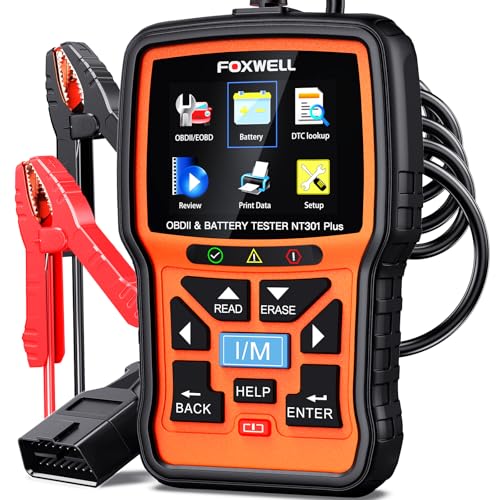


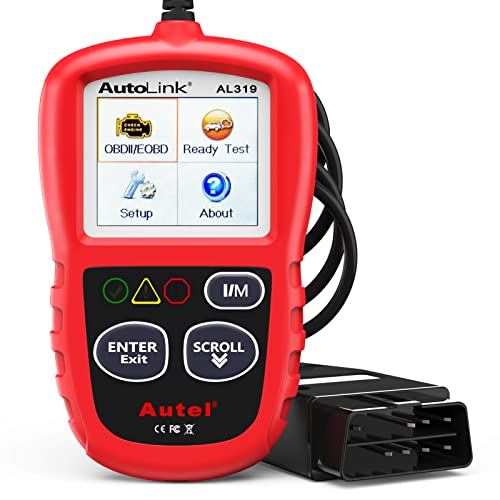
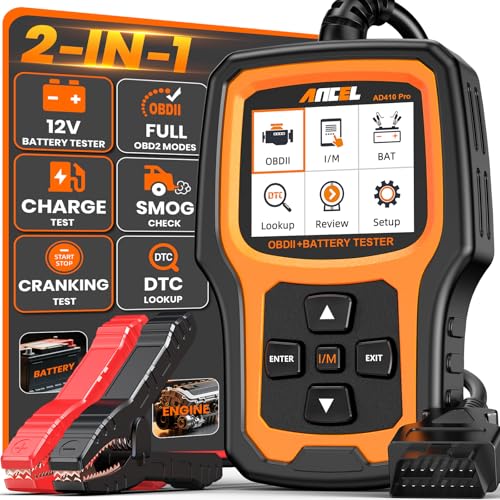
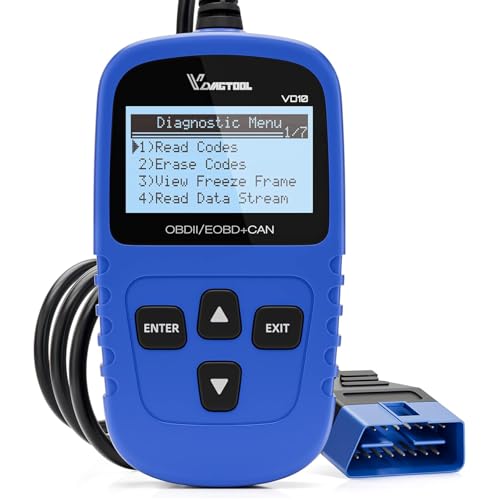
Who Should Buy an Auto Scanner With Live Data?
Choose by the job you will repeat, not by the longest feature list. Each group below needs a clear view of the engine while it runs, used in a different way.
Drivers Chasing an Intermittent Fault
Your light may turn on for a day, clear itself and return a week later. A scanner with graphing helps you record a drive and spot the moment a value drops out or spikes. Look for a fast refresh rate and a save function, because the fault may last only seconds.
Owners Preparing for an Emissions Test
Your concern is whether the car will pass, not only whether the light is off. Readiness monitors show which self tests have finished since codes were last cleared. Choose a tool that lists each monitor by name as ready or not ready. Check early and leave days for the remaining tests to run before your appointment.
Home Mechanics Verifying a Repair
You replace a sensor, clear the code and need proof the repair held. Live values let you confirm the new part responds through a full warm up, not just at idle. If you only read codes once a year, see our guide to the best auto scanner and choose a simpler tool.
Key Features to Compare
The best auto scanner with live data is not the one with the most screens, but the one whose streams, coverage and updates match your car. Compare the six factors below in order before you pay for extras you will never open.
Live Data Depth and Graphing
Depth means how many sensor values the tool can stream and how fast the screen refreshes. Useful streams include engine speed, coolant temperature, fuel trim and throttle position. A slow refresh can hide a brief dropout, while a graph shows trends a single number cannot. Choose graphing and multi value display if you chase intermittent faults, and choose simple numeric screens if you only confirm basic readings.
Vehicle Compatibility and OBD2 Protocols
Vehicle compatibility starts with the OBD2 port fitted to most cars sold in the United States from 1996 onward, but protocol support still varies by make. Some tools read generic codes on almost any car, while maker specific data needs added coverage. Check model year and fuel type before you buy. For a deeper look at protocol fit, see our guide to the best obd2 scanner live data.
System Coverage Beyond the Engine
Basic tools read powertrain codes only, while broader tools also reach anti lock brakes, airbags and the transmission. That reach matters when a dash light belongs to a safety system. Live data follows the same pattern, with some tools streaming wheel speed or transmission temperature and others stopping at engine values. Pay for added systems only when your cars need them.
Freeze Frame and Readiness Monitors
Freeze frame saves speed, temperature and load from the moment a code was set, giving you conditions to repeat on a test drive. Save or note that frame before you clear anything, because clearing codes erases the snapshot. Readiness monitors serve a different job, showing which emissions self tests have completed. Together they show what happened when the fault set and whether the car is ready to be tested.
Screen, Controls and Data Logging
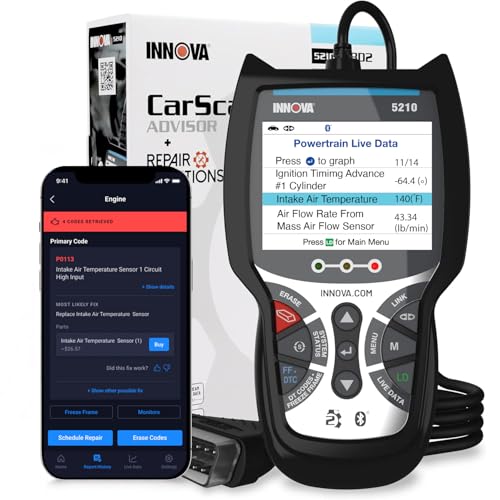
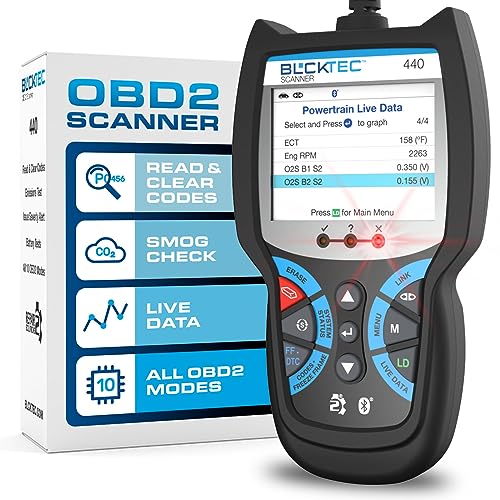
A built in screen works at once with plug and play use, while a phone based tool needs an app, pairing and a charged phone. Larger screens show more values, and buttons are easier to use with gloves than small touch targets. Logging lets you save a drive and compare it with a later run. If you prefer a dedicated display, see our guide to the best live data scanner for that style.
Updates, Support and Build Quality
Coverage ages as new models arrive, so check update frequency and whether updates cost extra after the first year. A firm connector, a flexible cable of about 3 to 5 feet and a storage case protect the tool in a busy garage. Brand support matters when a car will not connect, because clear help pages and prompt answers can save a return.
Types of Auto Scanners With Live Data
Scanner types differ mainly in coverage, screen size and guidance. Match the type to your skill and your cars.
Pro Grade Options
Pro grade options add broad system coverage, fast processors and advanced actions such as module resets on supported cars. They suit shops and serious home users who scan many makes. Expect to pay about $150 to $400. The cost makes sense only if you use the added coverage often.
Compact and Portable Options
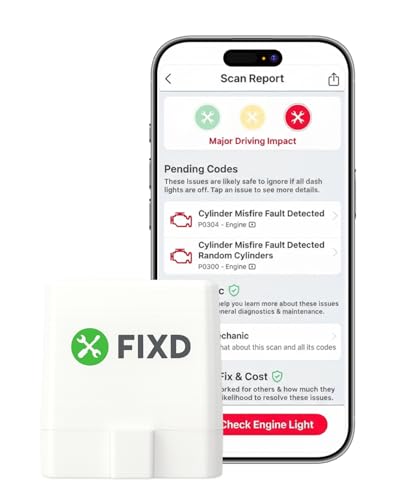
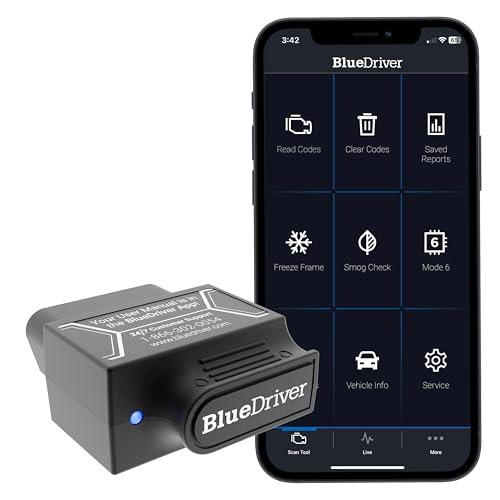
Compact and portable options are small wired units or Bluetooth plugs that send data to your phone. They store easily in a glove box and suit quick checks on a trip. App quality varies more than hardware quality on this type. Expect to pay about $50 to $120 for a reliable unit.
Budget and Do It Yourself Options
Budget tools focus on engine codes, freeze frame and a short live list at about $25 to $60. They suit a first scan before a shop visit. If you need no live values at all, see our guide to the best auto code scanner for simpler read and clear tools. For live data, confirm the stream list before you buy.
Tips to Get the Most From Your Auto Scanner
Small habits make live readings far more useful than the tool alone.
- Record a normal baseline when the car runs well, so a later fault has a healthy set of values for comparison.
- Compare cold and fully warm readings, because many sensor and fuel trim faults appear only at one temperature.
- Watch related values together, such as both oxygen sensors, rather than judging one number on its own.
- Note date, mileage and conditions with each saved log, so weekly patterns are easy to spot.
Common Mistakes to Avoid
These errors waste money or erase the evidence you need.
- Buying a code only reader when you need live streams leaves a fault number and no way to watch the sensor respond.
- Ignoring diesel and protocol limits can leave a new tool unable to connect to one of the cars in your household.
- Judging live values only at idle can miss faults that appear under load, at speed or after a long warm up.
- Clearing codes as your first step erases freeze frame data and resets readiness monitors, delaying both diagnosis and an emissions test.
- Skipping update terms can add a yearly fee you did not expect or leave newer cars unsupported.
Care and Maintenance for Your Auto Scanner
Keep the connector pins clean and dry, and plug the tool in straight so the pins do not bend. Coil the cable loosely rather than wrapping it tight around the case, because tight bends strain the wires inside. Wipe the screen with a soft dry cloth and keep solvents away from the housing and buttons.
Store the scanner indoors in its case, out of a hot trunk that ages screens and batteries. Install updates in a calm moment at home, not in a parking lot before a test. Check the cable and housing for cracks every few months, and replace a tool with a damaged connector.
FAQ
Does an auto scanner with live data need professional installation?
No, an auto scanner with live data needs no professional installation for normal code reading and live viewing. The port sits under the dash on the driver side, and the tool draws power from the car. Advanced actions on some pro tools can change module settings, so leave those to a trained technician if you are unsure.
How long does an auto scanner with live data last?
An auto scanner with live data often lasts many years, since it has few moving parts. Its useful life ends sooner from coverage limits than from failure, as newer cars add systems an older tool cannot read. A replaceable cable or ongoing updates extend that life, while a cracked screen or worn connector usually ends it.
Which live data values from an auto scanner matter most for a rough idle?
Start with misfire counts, fuel trim and engine speed, because a rough idle often traces to one cylinder or a fuel delivery problem. A misfire counter that climbs on one cylinder points straight to that cylinder. Stable fuel trim with a single active misfire suggests ignition or injector trouble on that cylinder rather than a shared air leak.
Will an auto scanner with live data work on a diesel vehicle?
Yes, many models work on diesel cars and light trucks, but coverage is narrower than for gasoline cars. Diesel specific values such as exhaust temperature appear only on tools with maker coverage. Heavy duty trucks can use a different connector and protocol, so a passenger car tool may not connect at all.
Can an auto scanner with live data clear a check engine light?
Yes, most models can clear codes and turn off the light, but clearing is not a repair. The light returns if the fault is still present, often within a few drive cycles. Clearing also restarts the readiness monitors, so a car cleared just before an inspection will usually be sent away to drive more first.
Final Thoughts
Focus on stream depth, vehicle fit and system coverage first, and let price follow those needs. Use the product table above to compare screens, logging and update terms.
When you choose the best auto scanner with live data for the cars you own, live values stop being a novelty and become the quickest way to decide your next step.


