
Best Auto Scan Tool in 2026: A Buying Guide
Disclosure: We may earn a commission when you buy through links on this page, at no extra cost to you. As an Amazon Associate I earn from qualifying purchases. Learn more
Learn how to choose the best auto scan tool, compare live data and system coverage, and pick a scanner that suits your car, skills, and garage routine.
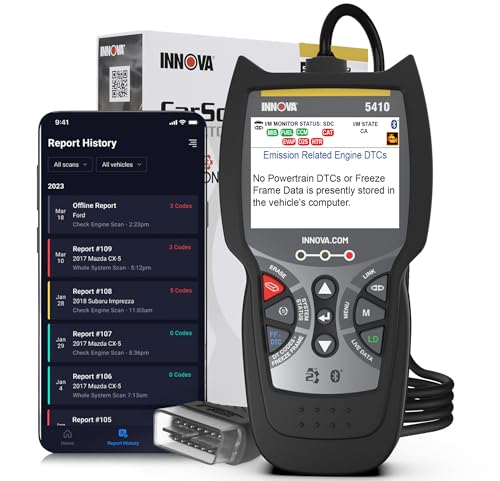
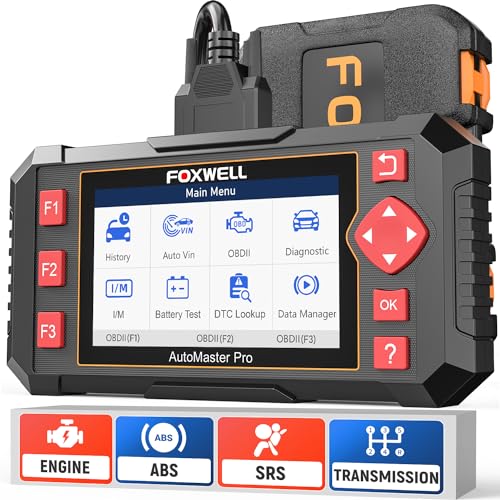
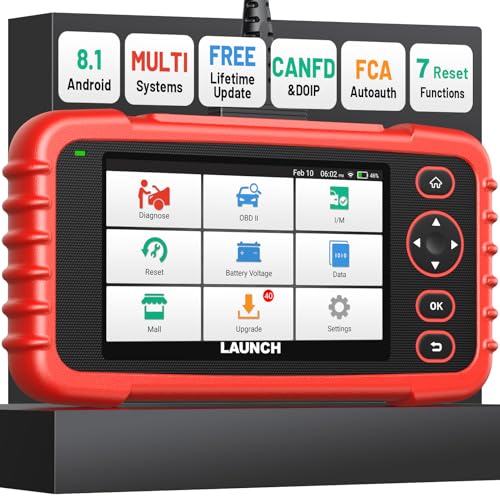
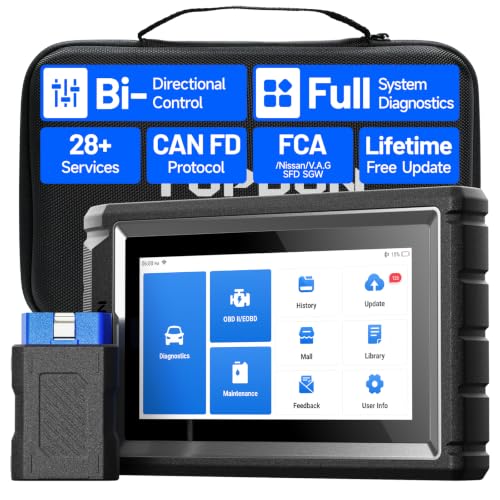
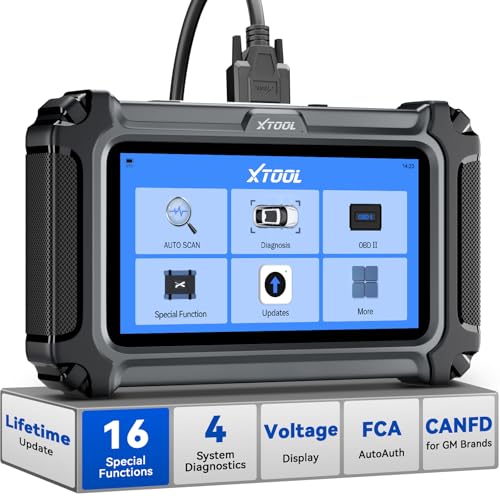
A best auto scan tool goes beyond a basic code reader by showing live sensor readings and the state of several vehicle systems, so you see how the car is actually running. The product table lists handheld and phone-based scanners across a wide price range. This guide explains how they differ so you can pick one that fits your car and your garage habits.
The right choice depends less on the headline price than on how many systems the tool reads, how clear its live data is and whether updates are free.

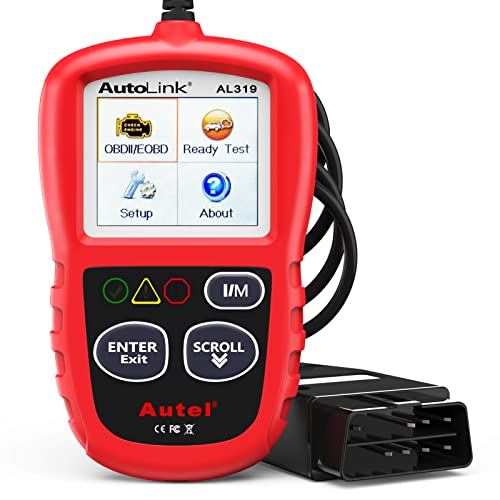

Who Should Buy the Best Auto Scan Tool
Home mechanics, enthusiasts and careful used-car buyers get the most value. A scan tool lets you watch live data during a test drive, check readiness monitors before an emissions inspection and confirm whether a repair really cured the fault.
If all you need is a reason for the check engine light, a simple code reader costs less. Choose a scan tool when you want to look deeper than a single code.
Types of Scan Tools
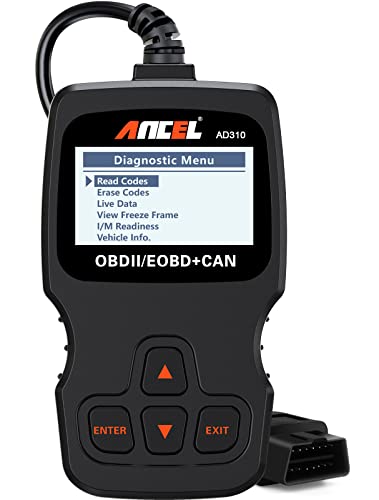
Handheld scan tools
Standalone tools with their own screen and cable. They work without a phone, start quickly and are easy to leave in the trunk.
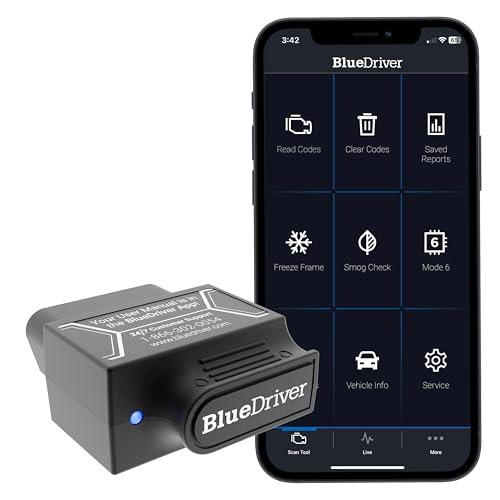
Phone-based scan tools
Compact Bluetooth adapters that pair with an app. They are cheap and portable, and the app often explains codes in plain language, though some charge for advanced features.
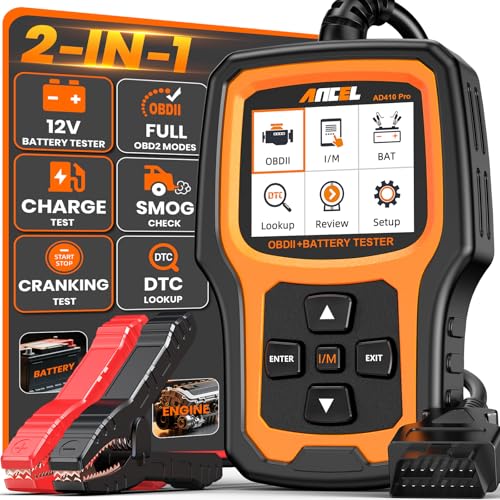
Full system and bidirectional scanners
Larger tools read ABS, airbag and transmission modules, run service resets and can command components for active tests. They suit regular garage use and cost more.
Key Features to Compare
- Systems covered: engine only, or also ABS, SRS and transmission where supported.
- Live data and graphs: readable sensor values and freeze frame data captured when a fault was stored.
- Updates: free lifetime updates versus paid subscriptions.
- Power and screen: cable-powered tools never need batteries, and a bright screen helps in daylight.
- Menus: simple navigation matters when your hands are greasy or the garage is dim.
How to Compare Options Side by Side
Pick two or three tools that support your vehicle, then compare systems read, update policy, connection type and price on the same sheet. The best auto scan tool for you is the one that covers your car and the jobs you do. A realistic budget for everyday use is about $30 to $200, and a higher price should buy coverage or functions you will actually use.
Getting Better Results
Record live data before and after a repair, so you can tell whether the change worked instead of relying on a cleared warning light. Note mileage, weather and symptoms when a fault appears, because intermittent problems often follow a pattern.
Read the code, then check wiring, connectors and the obvious causes before you buy parts. A code names a circuit or reading out of range, not always the failed component.
Common Mistakes to Avoid
- Buying a brand-specific tool for a different make.
- Clearing codes before writing them down.
- Paying for bidirectional features you will never use.
- Ignoring faults tied to brakes, steering, airbags or serious engine problems.
Keeping Records
Keep a simple log of every code, date and action taken, because a written history helps you and any mechanic spot patterns that a single scan cannot show. Note mileage, symptoms and driving conditions when a warning appears, since intermittent faults often follow a pattern.
Store the tool in a dry place, keep its cable untangled and install updates when they are offered, so it is ready the day a warning light appears.
Related Buying Guides
For nearby choices, see best scan tool, best car scan tool, best auto diagnostic tool, best automotive scan tool and best obd scan tool.
Frequently Asked Questions
What is the difference between a scan tool and a code reader?
A code reader shows stored engine codes. A scan tool adds live data, freeze frame, readiness monitors and often other systems such as ABS and airbags.
Will a scan tool work on every car?
Most cars built in recent decades share a standard diagnostic port, but extra functions depend on make and model. Check the coverage list for your exact vehicle first.
Do I need a tool with free updates?
Updates keep coverage current for newer models. Free lifetime updates avoid recurring costs, while subscription tools can become expensive over time.
Can it help before buying a used car?
Yes. It can show stored codes, readiness monitors and recent resets. It does not replace a full inspection, so combine it with a road check and service history.
When should I see a professional?
For brake, steering, airbag, suspension or major engine faults, and for any fault that returns after repair. Safety systems need workshop diagnosis.
Final Thoughts
Choosing the best auto scan tool means matching system coverage, live data quality and update policy to your car and your jobs. Use the product table to compare models, confirm your vehicle is supported, and keep a written log of codes and repairs. A tool you use regularly beats one with features you never open.


