
Best Auto Diagnostic Tool in 2026: A Buying Guide
Disclosure: We may earn a commission when you buy through links on this page, at no extra cost to you. As an Amazon Associate I earn from qualifying purchases. Learn more

Learn how to choose the best auto diagnostic tool, compare vehicle coverage and live data, and use fault codes to decide when a repair needs a professional.
A best auto diagnostic tool turns a dashboard warning light into a readable fault code, so you can tell a loose gas cap from a failing sensor before you call a workshop. The product table covers a range of scanners, from simple Bluetooth code readers to full system tools that read ABS, airbag and transmission modules. This guide explains what separates them so you can match the tool to your car and your skills.
Price alone says little here. A $30 reader and a $300 bidirectional scanner both plug into the same port, but they report very different amounts of information. Decide how deep you want to go before comparing models.


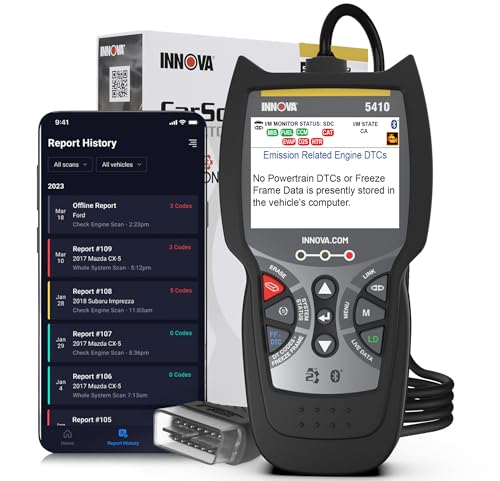
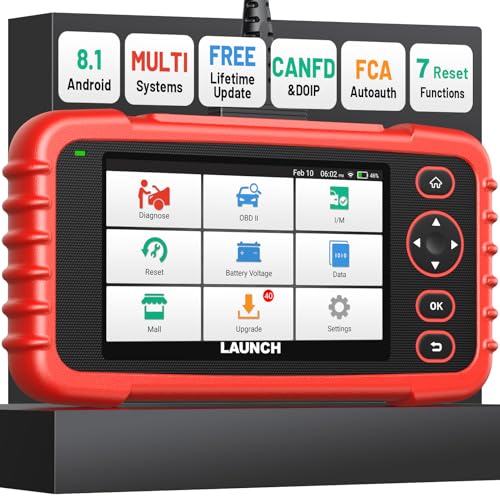
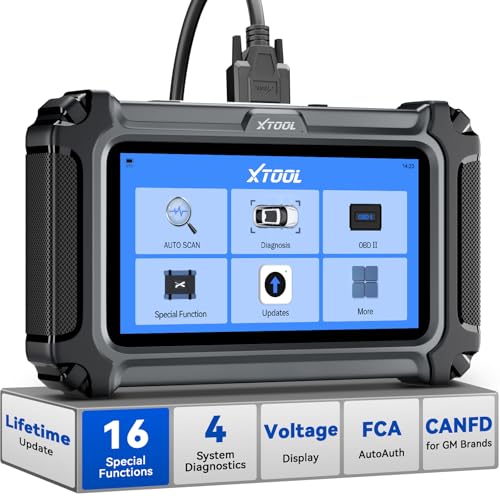
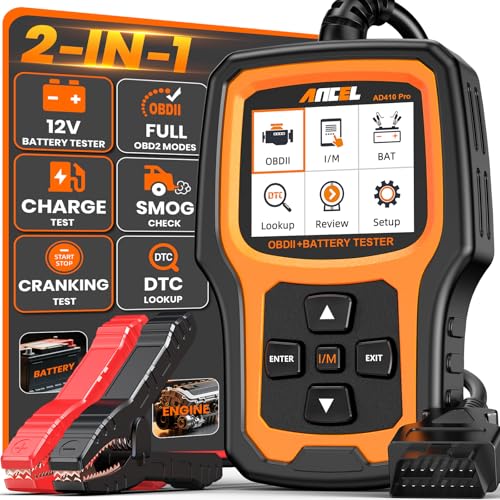

Who Should Buy the Best Auto Diagnostic Tool
Drivers who keep a car for years, home mechanics who change their own oil and brakes, and anyone shopping for a used car get the most from one. A scan costs far less than a single diagnostic fee at a shop, and it gives you a record of what the car reported before and after a repair.
If you only want to know why the check engine light is on, a basic code reader is enough. If you service ABS, airbags or the transmission yourself, you need a tool that reads those systems too.
Types of Auto Diagnostic Tools
Basic code readers
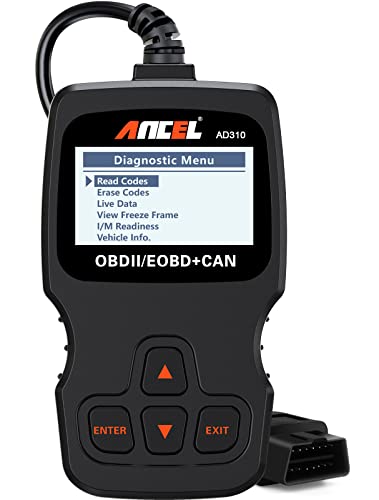
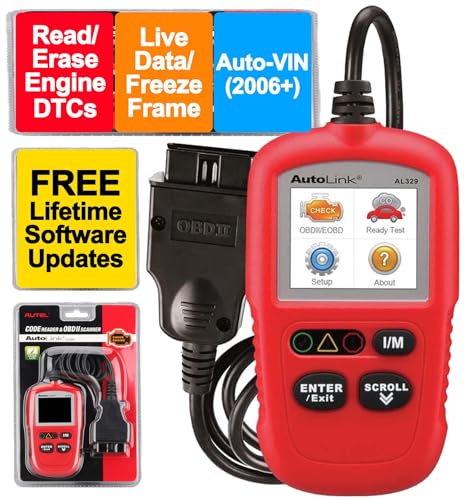
These read and clear engine codes and show a few live readings. They are compact, inexpensive and ideal for occasional checks or for keeping in a glovebox.
Bluetooth adapters
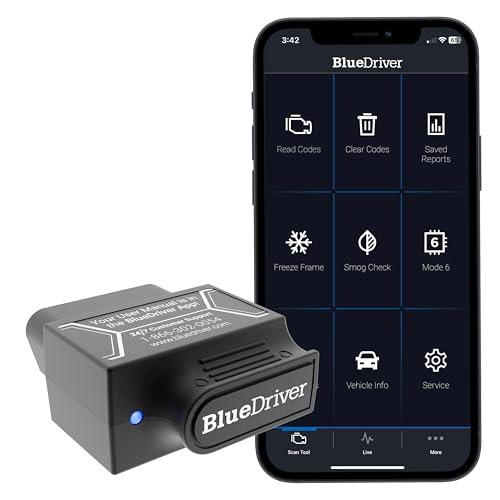
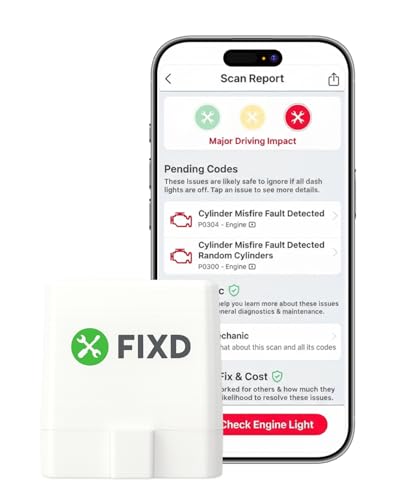
A small dongle pairs with a phone app that explains codes in plain language. They are easy to carry and often cheap, but the experience depends on the app, and some apps charge for extra features.
Handheld multi-system scanners
Mid-range tools with their own screen read engine, ABS, SRS and transmission modules and add service resets such as oil light, electric parking brake and battery registration. They suit people who service their own cars regularly.
Bidirectional scan tools
Advanced tools can send commands to the car, for example to cycle an ABS pump or run an EVAP test. They cost more and take more learning, so they mainly suit experienced home mechanics and small workshops.
Key Features to Compare
- Vehicle coverage: check that your make, model and year are supported, since some tools are built for one brand.
- Systems read: engine only, or also ABS, SRS and transmission.
- Live data and freeze frame: sensor readings and the conditions stored when a fault was recorded.
- Service resets: oil, brake pad, steering angle and battery functions you may need after maintenance.
- Updates: free lifetime updates keep coverage current, while paid subscriptions add running costs.
- Screen and controls: readable in daylight and easy to use with gloved hands in a dim garage.
How to Compare Options Side by Side
Shortlist two or three tools that cover your car, then compare them on the same points: systems read, updates, connection type and total price. This stops one attractive feature from hiding a drawback.
The best auto diagnostic tool for you is the one that reads the systems you work on at a price you will not regret. Many everyday buyers spend about $30 to $150. Spend more only when you will use bidirectional tests or extra reset functions often.
Using Your Tool Well
Connect the tool with the ignition in the position the maker specifies, read the codes, and write them down before clearing anything. That record helps you or a mechanic spot patterns later.
A code usually points to a circuit or reading that is out of range, not always to a failed part. Treat it as the start of your checks, not the final answer.
Common Mistakes to Avoid
- Clearing codes without noting them first.
- Replacing the part named in a code without checking wiring and connectors.
- Buying a brand-specific tool for a different make.
- Ignoring faults linked to brakes, steering, airbags or serious engine trouble.
Maintenance and Record Keeping
Keep a simple log of every code, date and action taken, because a written history helps you and any mechanic spot patterns that a single scan cannot show. Note mileage, symptoms and driving conditions when a warning appears, since intermittent faults often follow a pattern. The record also helps when you sell the car, because it shows that faults were investigated rather than simply cleared.
Store the tool in a dry place, keep its cable untangled and install updates when they are offered. A tool that is ready when the light comes on gets used far more often.
Related Buying Guides
For nearby choices, see best diagnostic tool, best car diagnostic tool auto scanner, best diagnostic tool for cars, best automotive diagnostic tool and best auto scan tool.
Frequently Asked Questions
What does a fault code actually mean?
A code points to a system or sensor reading that is out of range, not always to a single broken part. Use it as a starting point for checks, and get professional help when the fault affects safety systems.
Can a diagnostic tool fix my car?
No. The tool reports information and clears codes, while the repair needs parts, tools and skill. Clearing a code without fixing the cause usually means the warning returns.
Will it work on my car?
Most cars built in recent decades use a standard diagnostic port, but coverage varies by make and model. Check the coverage list for your exact vehicle before you buy.
Should I use it before buying a used car?
Yes. A scan can reveal stored codes and recent resets, but it does not replace a full inspection. Combine it with a road check and a look at the service history.
When should I see a professional?
Seek help for brake, steering, airbag, suspension or major engine faults, and for any fault that returns after a repair. Safety systems need workshop diagnosis rather than guesswork at home.
Final Thoughts
Choosing the best auto diagnostic tool comes down to matching coverage, depth and budget to the car you own and the jobs you do. Use the product table to compare models, confirm your vehicle is supported, and keep a simple log of every code and repair. A tool you understand and use regularly saves far more than one with features you never touch.


