
Best Audiophile Speakers under 5000 Made Simple: A Clear Buying Guide for 2026
Disclosure: We may earn a commission when you buy through links on this page, at no extra cost to you. As an Amazon Associate I earn from qualifying purchases. Learn more

Learn how to choose the best audiophile speakers under 5000 with plain English specs, room fit tips, budget tiers, and a simple first buyer checklist.
Buying your first serious speakers can feel confusing because the language sounds technical and the price range is wide. This guide starts with the basics, explains each spec in plain English, and shows you how to match a speaker to your room and your source gear. If you are shopping for best audiophile speakers under 5000, you do not need to spend the full budget to hear a clear step up in detail, space, and control.
Start by deciding how you listen most often, at a desk, on a couch, or across a larger living room. That one choice shapes size, power needs, and placement more than any single spec. Use the comparison table below to narrow the field, then read the sections that follow before you commit.


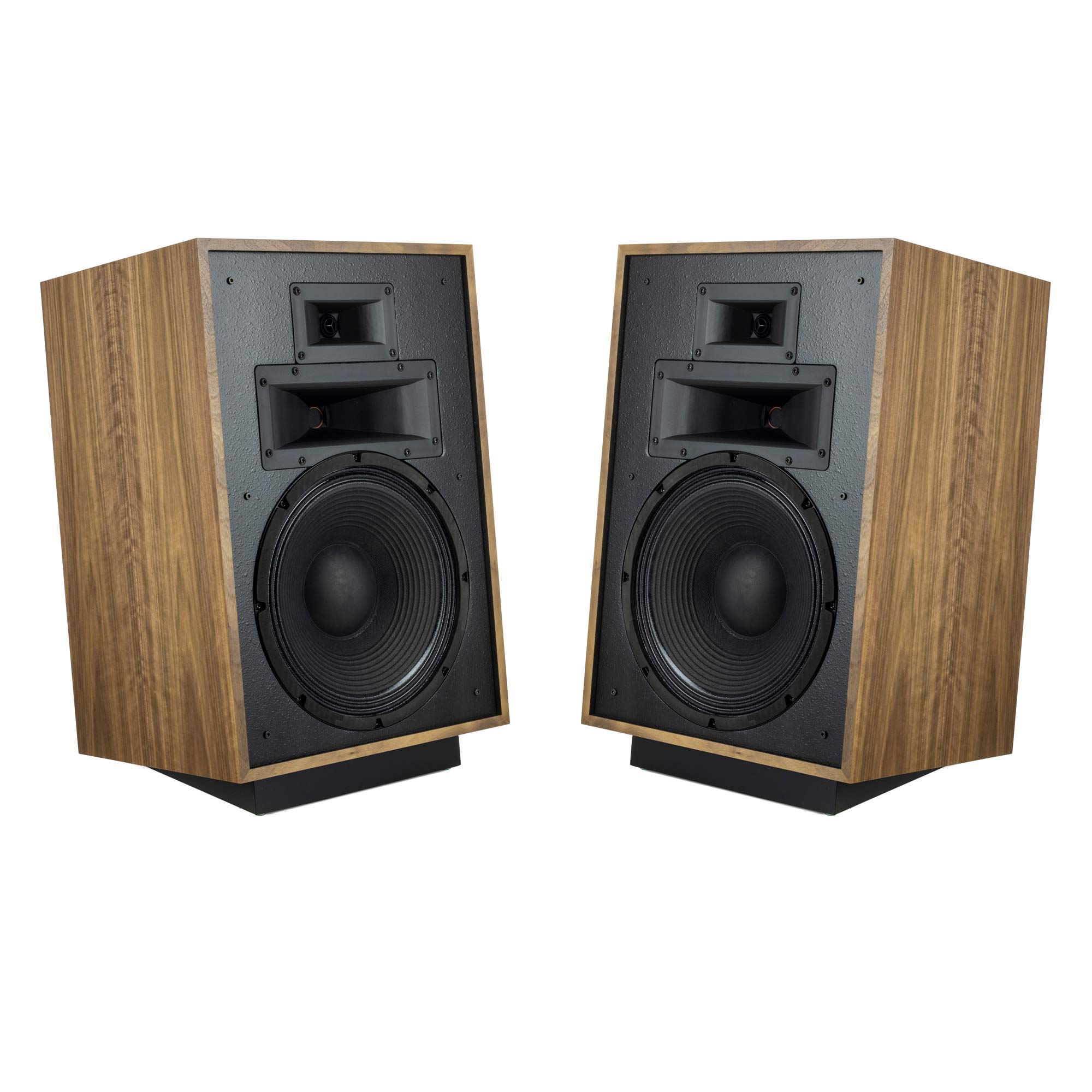

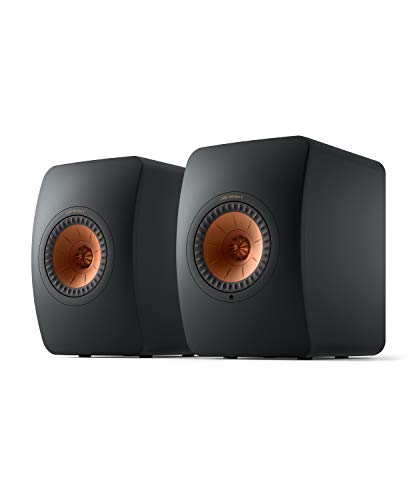


Audiophile Speakers 101: The Basics
An audiophile speaker is built to reproduce music accurately, with clear vocals, controlled bass, and enough detail that you can hear separate instruments instead of a blended wash. Most designs use drivers, which are the cones and domes that move air. A tweeter handles high notes, a midrange driver handles voices, and a woofer handles low notes.
A pair works as a system with your amplifier or receiver, your room, and your seating position. Good placement often matters as much as the speaker itself. Keep the tweeters near ear height when seated, pull the cabinets a little away from walls, and aim for a triangle between the two speakers and your chair. Small changes here are free and often improve clarity right away.
Passive speakers need a separate amplifier, while powered speakers have amplification built in. Passive designs give you more upgrade flexibility later. Powered designs reduce box count and cable runs, which suits desks and smaller rooms.
Key Specs Explained in Plain English
What You Can Realistically Get Under $5000
A budget under $5000 covers a broad range, from capable compact pairs around $500 to statement pairs that approach the full amount. At the upper end you can expect stronger cabinets, larger drivers, smoother high notes, and bass that stays controlled at higher volume. What you do not automatically get is good sound in a bad setup, so reserve part of the budget for stands, cables, and a suitable amplifier if you choose passive models. Never cut the amplifier budget to zero, because an underpowered match can sound thin and strained.
Sound Quality and Tuning
Frequency response describes the range a speaker can reproduce, from low bass to high treble. A wider range helps, but the shape of that response matters more than the endpoints. Neutral tuning keeps voices natural and suits long listening sessions. A warmer tuning adds bass weight and can flatter rock and electronic music, while a brighter tuning can feel exciting at first and tiring later. Driver size plays a role too. Larger woofers move more air for bass, but a well designed smaller driver in a solid cabinet can sound tighter and cleaner in a small room.
Placement and Room Size for Speakers
Match speaker size to room size before you fall for a large cabinet. Compact bookshelf models suit desks, bedrooms, and small living rooms, especially when placed on stands. Floor standing models fill larger rooms with less effort and usually reach deeper bass without a subwoofer. For a true stereo image, buy a matched pair and keep both speakers the same distance from your seat. If you are comparing formats, see our guide to the best bookshelf speakers under 5000 for size and stand advice, and our guide to the best tower speakers under 5000 when you have floor space for larger cabinets.
Ecosystem and App Features
Some powered and wireless models include an app with EQ controls, input switching, and firmware updates. EQ is useful because a gentle bass reduction can fix boom from a corner placement without moving furniture. Check whether the app supports your phone platform and whether basic controls also exist on the speaker or remote. A system that depends fully on an app can frustrate you if support ends. Prefer models where volume and input still work without a phone, and where updates are optional rather than forced before you can listen.
Connectivity: Bluetooth Version, Codecs, Wired
Wired inputs such as optical, RCA, and USB give you stable sound from a TV, computer, or streamer. Bluetooth adds convenience for phones, and the version matters less than the codec. AAC works well with Apple devices, while aptX and LDAC can carry more detail from many Android phones. Multipoint lets a speaker stay paired with two devices at once, handy for a laptop and a phone. Latency matters for video, so look for a low latency mode if you plan TV use. For cable free rooms, see our guide to the best wireless speakers under 5000 for range and pairing notes.
Rookie Mistakes to Avoid
- Spending everything on speakers alone. Passive speakers need an amplifier with enough clean power, so plan the full system cost before you buy.
- Choosing by driver count. More drivers do not guarantee better sound, and a simple two way design can outperform a complex one.
- Ignoring room placement. A speaker pushed flat against a wall or into a corner often sounds boomy no matter how much it costs.
- Skipping a return window check. Speakers sound different at home than in a store, so confirm return terms before you order.
- Matching by looks only. Finish matters, but size, ports, and rear clearance decide whether the speaker can work in your space at all.
One more practical step is to list your sources first. A turntable needs a phono input somewhere in the chain, and a TV needs an optical or HDMI input. Writing that list takes five minutes and prevents the most common compatibility surprise. If your sources span several rooms and formats, our guide to the best speakers under 5000 gives a broader view of category trade offs.
Getting Started: Setup and First Use
Unpack carefully and keep the packaging until you are sure the pair is staying. Place the speakers, connect the left and right channels correctly, and start with the volume low while you confirm both sides play evenly. Play a familiar vocal track and sit in your main seat. Move each speaker a few inches at a time until voices sound centered and stable.
Keep firmware updated on powered and wireless models, since updates can fix pairing and input issues. Store accessories and any port plugs in a case or drawer to protect them and keep small parts away from driver cones. For a dedicated two channel music setup, see our guide to the best stereo speakers under 5000 for pairing and amplifier basics. Recheck cable connections after the first week, because new setups often shift as furniture settles.
Frequently Asked Questions
Can you get a good audiophile speaker under $5000?
Yes, you can get excellent sound well under $5000, especially around $1000 to $2500 where design quality rises fast. Above that level, gains become smaller and depend more on room fit and amplifier quality. Spend on the pair that suits your room and sources, and keep funds for stands and setup rather than chasing the highest price allowed.
Do I need a special Bluetooth codec?
No, you do not need a special codec to enjoy good sound, because wired inputs still give the most consistent quality. LDAC and aptX can help Bluetooth sound closer to wired from a compatible phone. Codec support must match on both the phone and the speaker, so check both spec lists before you value that feature.
Do I need a subwoofer?
Often not. Floor standing pairs and larger bookshelf models at this level reach deep enough for most music and films. A subwoofer output is still useful if you want to add one later.
Wired or wireless: which sounds better?
Wired usually sounds better and stays more stable, because the signal avoids compression and dropouts. Wireless wins on convenience and clean placement, and modern codecs narrow the gap for casual listening. Many buyers use both, wired for the TV and main music source, and Bluetooth for quick phone playback when friends visit.
Final Thoughts
Focus on three things first: room fit, honest tuning that suits your music, and a complete system budget that includes amplification and stands. The product table can help you compare formats and price tiers side by side. When you choose best audiophile speakers under 5000 with those checks in mind, you get a setup you can enjoy daily and upgrade calmly later.


