
Best Audiophile Speakers under 3000: The Buyer Checklist We Use for 2026
Disclosure: We may earn a commission when you buy through links on this page, at no extra cost to you. As an Amazon Associate I earn from qualifying purchases. Learn more

Use this buyer checklist to compare the best audiophile speakers under 3000 by sound, build, connections, red flags and value before you spend at this level.
Spending up to $3,000 on speakers should buy lasting quality, yet the market at this level mixes genuinely refined designs with ordinary hardware wearing luxury finishes. Price alone will not tell you which is which, and glossy claims rarely help.
This guide gives you the checklist to judge the best audiophile speakers under 3000 with clear eyes: what each criterion means, what good and weak look like, and which red flags should end a purchase. Work through it in order, and use the comparison table below to keep your finalists side by side.

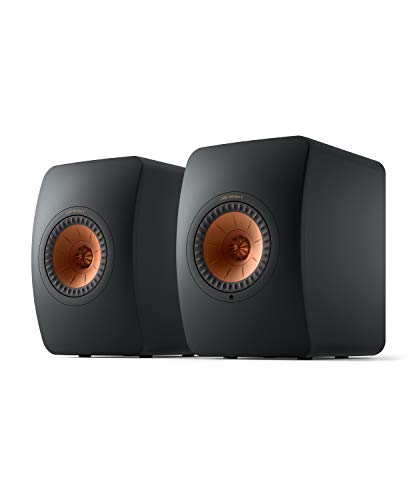


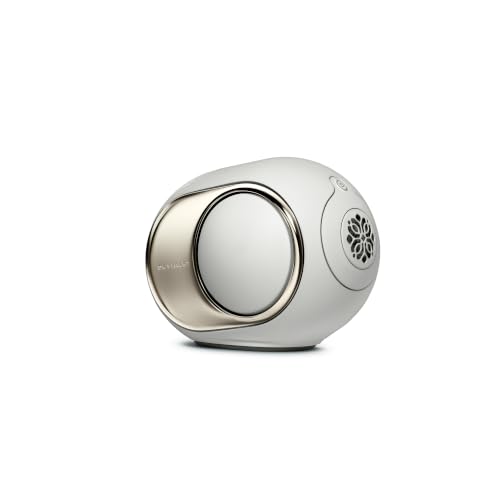
How We Evaluate Audiophile Speakers
What You Can Realistically Get Under $3000
At this ceiling, expect excellent drivers, quiet heavily braced cabinets, honest bass into the 35 to 45 Hz range from larger models, and finishes that survive a decade of dusting. Around $1,500 to $3,000, the gains over mid priced pairs are real but refined rather than dramatic: smoother treble, tighter bass, and easier dynamics. What you should not accept is vague specs, weak warranties, or convenience features substituting for sound. Never skimp on the cabinet and drivers to pay for lighting or apps.
Sound Quality and Tuning
Good means a balanced response you can listen to for hours: controlled bass, a natural midrange, and treble with detail but no glare. Weak means a boosted low end that swallows voices or a bright top that turns cymbals harsh at volume. Ask for a published frequency response with a tolerance figure, since a claim without one says little. Driver quality, crossover care, and cabinet silence decide this criterion more than any single number on the box.
Ecosystem and App Features
Good ecosystem support means an app that adds real value: room friendly EQ, input management, and firmware updates that actually arrive. Weak support means an app that is required for basic functions and has not been updated in years. Check that every core feature works from the speaker or remote without a phone. Streaming extras and voice assistants are pleasant bonuses at this price, but they should never outrank the sound criteria above them on your checklist.
Connectivity (Bluetooth Version, Codecs, Wired)
Good connectivity covers both worlds: wired inputs such as balanced analog, USB, or optical for full quality, plus Bluetooth 5.3 with multipoint pairing for daily convenience. Codec support for AAC, aptX, or LDAC is a plus when your sources match. Weak connectivity means one shared input, no subwoofer output, or wireless only designs that lock you out of better sources. At this budget, flexibility protects your purchase as your system grows around the speakers.
Build Quality and Warranty
For indoor flagships, durability means build quality. Good signs include weight from real bracing, quality binding posts, replaceable grilles, and a warranty of several years with service support. Weak durability shows up as hollow cabinets, glued shut construction, and finishes that mark at a touch.
Three Price Tiers That Pass Our Checklist
Rather than naming models, use the tiers below to see what passing the checklist looks like at different spend levels within this budget.
Best Overall Profile
The core tier, around $1,500 to $2,200 for a pair, passes the checklist with the fewest asterisks. Expect strong drivers, quiet cabinets, balanced tuning, and a full input set, with bass that satisfies most rooms without a subwoofer. This tier suits serious listeners who want one purchase to last a decade. Its only real limit is scale in very large rooms, where bigger cabinets or a subwoofer still help. For most homes, this is the rational top of the budget.
Best Value Profile
The value tier, around $800 to $1,500, passes on sound and build while trimming finish and extras. Cabinets may be plainer, streaming features fewer, and deep bass lighter, but the midrange honesty and driver quality remain close to the tier above. This profile suits listeners who would rather put the savings toward a better amplifier, a subwoofer, or room treatment. Check the warranty carefully here, since support terms separate the honest bargains from the risky ones.
Best Premium Profile
The premium tier, around $2,200 to $3,000, passes every line of the checklist and adds refinement: lower bass reach, smoother treble, superior finishes, and dynamics that stay effortless at high volume. It suits dedicated listening rooms and owners who hear the difference and listen daily. The trade is diminishing returns, so buy this tier for love of the craft, not because the checklist demands it. Its strengths show most with high quality recordings and careful placement.
Quick Buyer Checklist
- Can the maker state frequency response with a tolerance figure and clear conditions?
- Does the cabinet feel heavy, quiet, and free of rattles when you tap and shake it gently?
- Are voices clear at low volume, with no hiss audible at your listening seat?
- Does the pair include at least one high quality wired input plus a subwoofer output?
- Can you use every core feature without opening an app on your phone?
- Is the warranty several years long, with real service and parts support behind it?
- Does the size fit your room with space behind and stands at the right height?
- Would you still choose it with the finish and lighting ignored completely?
Red Flags to Watch For
- Vague or missing specifications. Wattage claims without conditions and response figures without tolerances hide more than they reveal.
- Feature stuffing over fundamentals. Light shows, voice assistants, and novelty modes cannot rescue weak drivers or a noisy cabinet.
- Short or unclear warranties. A one year term on a costly speaker signals low confidence from the maker itself.
- App dependence with stale updates. If basic controls need an app that has not been maintained, walk away.
- Review patterns that feel manufactured. Waves of identical praise with no detail deserve the same skepticism as a too perfect spec sheet.
If a tower format leads your shortlist at this level, compare the field in our guide to the best tower speakers under 3000 before you commit.
Setup and Care Tips
- Keep firmware updated. Current firmware keeps Bluetooth, EQ, and standby behavior working as intended on powered models.
- Protect the drivers. Keep grilles in place around kids and pets, and never touch a tweeter dome while dusting.
- Clean with soft tools only. A dry brush and cloth preserve finishes and cones, while sprays and vacuums risk real damage.
- Recheck placement seasonally. Furniture moves and new rugs shift reflections enough to deserve a fresh listen and small adjustments.
FAQs
Can you get a good audiophile speaker under $3000?
Yes, this budget reaches genuinely high performance. A careful purchase delivers refined drivers, silent cabinets, and tuning that stays pleasant for hours. The checklist matters because weak products also live at this price, dressed in premium finishes. Judge sound, build, and support in that order, and the tier will reward you. Most listeners will not need to spend more for a satisfying decade of listening.
Wired or wireless: which sounds better?
Wired sounds better, because it delivers the full signal without compression or delay. At this price, expect both: wired inputs for serious sessions and strong Bluetooth for convenience. Wireless quality is now good enough for daily casual listening, and multipoint pairing makes device switching painless. Just never accept a wireless only design here, since it closes the door to better sources you may add later.
Do I need a special Bluetooth codec?
No, and at this level wired listening should be your reference anyway. Codecs apply only to Bluetooth, where AAC, aptX, and LDAC each need matching support on the source and speaker. The audible gain is modest beside driver and placement differences. Treat broad codec support as a checklist bonus that signals a current wireless design, not as a reason to choose one speaker over another.
Do I need a subwoofer at this price?
Often not. Larger models reach well below 45 Hz, and many bookshelf pairs at this level sound complete in a medium room. A subwoofer output still gives you a path to add one later.
Wrapping Up
Run the checklist in order: honest sound, silent build, flexible connections, and support that will still exist in five years. Compare your finalists in the product table above, and use our guide to the best speakers under 3000 for the wider field. Judged this way, the best audiophile speakers under 3000 stop being a gamble and become the last speakers you buy for a long time. Shelf sized finalists can be checked against our guide to the best bookshelf speakers under 3000.


