
Best Audiophile Speakers under 1000 in 2026: Which Type Is Right for You?
Disclosure: We may earn a commission when you buy through links on this page, at no extra cost to you. As an Amazon Associate I earn from qualifying purchases. Learn more

Which audiophile speakers under 1000 suit your room? Compare bookshelf, powered and wired types on sound, fit and value.
A budget of $1,000 sounds simple until you see how many shapes it buys: compact bookshelf pairs, full towers, powered wireless pairs, and wired purist designs that skip every convenience feature. Each type spends the same money on different strengths, and picking the wrong shape wastes more of the budget than any single spec ever could.
This guide compares the main types of best audiophile speakers under 1000 so you can match the format to your room and habits first, then fine tune the details. The product table below lists current pairs side by side.


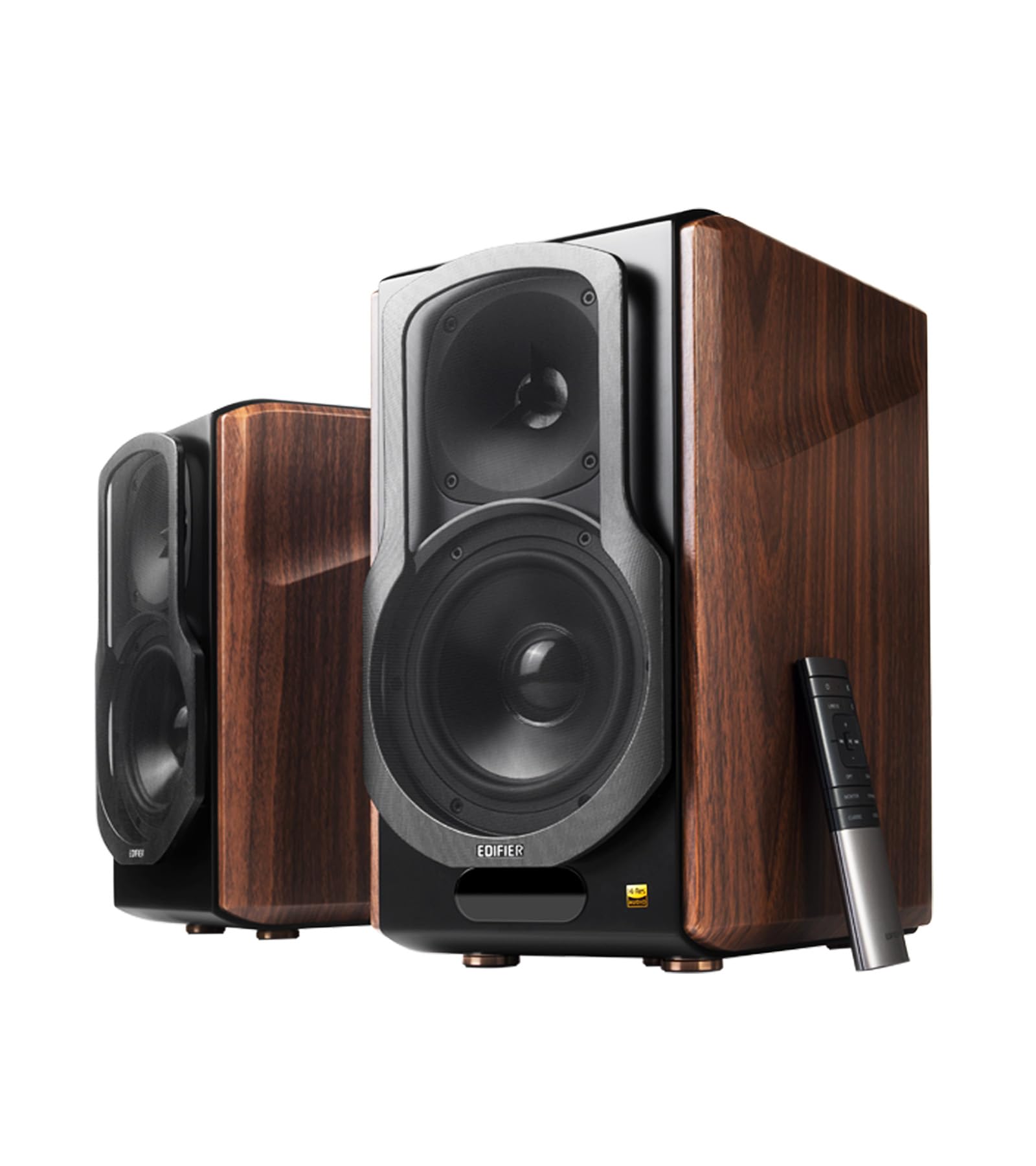


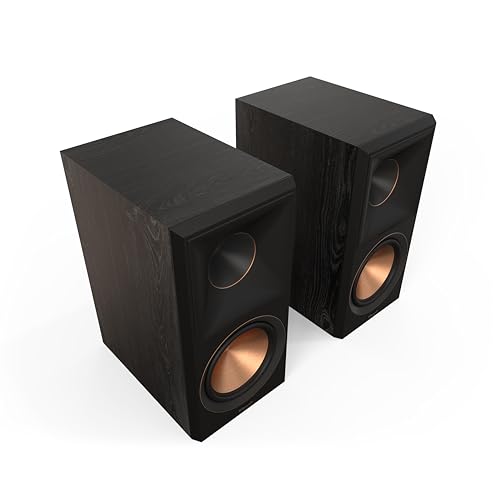

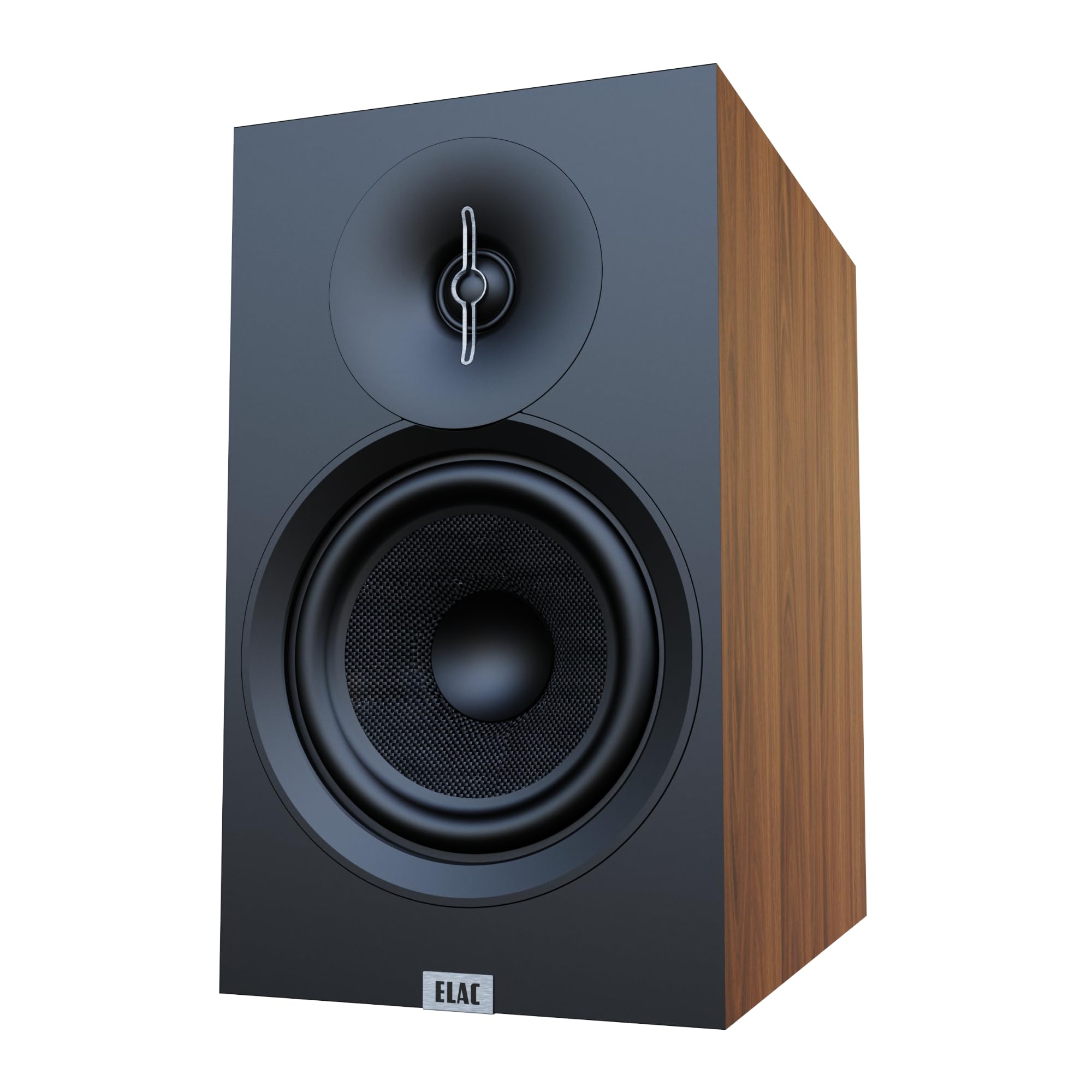
Types of Audiophile Speakers Compared
Start with the honest summary. Bookshelf models, typically around $300 to $900 a pair, suit most rooms and listeners. Powered wireless pairs, often around $400 to $1,000, add built in amplifiers and streaming. Wired focused home models, often around $400 to $1,000, put nearly every dollar into drivers and cabinets. The sections below unpack each trade in full.
Home and Bookshelf Models
Bookshelf speakers are the default recommendation at this budget for good reason. A pair with 5 to 6.5 inch woofers delivers clear midrange, tidy bass, and precise imaging on stands or a sturdy shelf. They fit apartments and midsize rooms, pair with modest amplifiers, and leave budget room for a subwoofer later. Their limit is depth and scale, since small cabinets cannot move enough air for the lowest notes or very loud listening. For most buyers, that limit rarely matters in daily use. Buyers comparing tower formats within the same budget can also read our guide to the best tower speakers under 1000 for the larger option.
Wired Models
Wired models, whether passive pairs driven by an amplifier or powered pairs with USB and optical inputs, direct the whole budget at sound. You get larger drivers, better crossovers, and cabinets built for acoustics rather than weather. There is no battery to age and no wireless compression. The trade is freedom, since cables tie the system to one room and one main source. If your listening chair never moves, this type returns the most fidelity per dollar at this price.
How to Choose the Right Audiophile Speaker
Comfort, Fit, and Weight
Fit means the speaker suits your room, furniture, and listening stamina. Large towers need floor space and distance from walls, while bookshelf pairs need stands at the right height to place tweeters at ear level. Weight signals cabinet solidity but also affects whether you can move the pair safely alone. Comfort over long sessions comes from smooth treble, so avoid bright models if you listen for hours. Measure your space before you fall for a format.
What You Can Realistically Get Under $1000
At this level you can expect genuine audiophile basics: accurate midrange, controlled bass down to about 45 to 55 Hz from larger models, quality drivers, and cabinets that do not rattle. A complete pair of the best audiophile speakers under 1000 will still ask for compromises somewhere, usually in deep bass reach, luxury finishes, or wireless extras. Do not skimp on the drivers and cabinet to fund features. Around $500 to $900 is the sweet spot where sound quality rises fastest, while the last dollars often buy finish and brand.
Sound Quality and Tuning
Look for a balanced tuning with a present midrange, since voices and most instruments live there. Frequency response claims near 50 Hz to 20 kHz are realistic for good bookshelf models, and towers may reach lower. Driver size sets expectations: 6.5 inch woofers give fuller bass than 4 inch ones but need more room. Avoid heavy bass and treble boosts that flatter one demo track and fatigue you across an album.
Connectivity (Bluetooth Version, Codecs, Wired)
Decide how sources reach the speakers. Passive pairs need an amplifier, which adds cost but allows upgrades. Powered pairs may include USB, optical, and Bluetooth 5.3 with multipoint pairing for a phone and a laptop. Codec support such as AAC, aptX, or LDAC improves wireless listening when both devices agree. Wired links still deliver the cleanest signal with no latency, so keep at least one wired input even on a wireless friendly model.
Setup and Care Tips
- Match the setup to the type. Bookshelf pairs need stands and wall clearance, and wired systems need tidy cable runs that nobody trips over.
- Keep firmware updated on powered models. Updates improve Bluetooth behavior and fix standby bugs, and they cost only a few minutes.
- Protect the drivers. Use grilles around kids and pets so cones and domes stay intact.
- Clean gently and often. A soft brush clears dust from drivers, and a dry cloth keeps finishes and controls in good shape.
- Respect volume limits. Small drivers distort when pushed, so add a subwoofer for depth instead of forcing loudness.
Audiophile Speakers: Your Questions Answered
Can you get a good audiophile speaker under $1000?
Yes, this budget buys genuinely good sound. A well chosen pair delivers accurate voices, controlled bass, and imaging that cheaper systems cannot match. The compromises sit at the edges, in the deepest bass, the finest finishes, and maximum volume in large rooms. Spend most of the budget on the speakers themselves, keep the format matched to your room, and the result will satisfy for years.
Do I need a special Bluetooth codec?
No codec is needed for wired listening, which is how most home systems at this budget play. Codecs matter only for Bluetooth, where AAC suits Apple devices and aptX or LDAC can carry more data from compatible sources. Both ends must support the same codec, or the connection falls back to a basic standard. Treat codec support as a convenience bonus and judge the speaker first on drivers and tuning.
Do I need a subwoofer?
Most bookshelf pairs in this range sound complete in a small or midsize room. Add a subwoofer later if film soundtracks or electronic music need more weight.
Wired or wireless: which sounds better?
Wired sounds better, since it avoids compression and delay and delivers the full signal to the amplifier. Wireless has become good enough that many listeners enjoy it daily, especially for casual sessions from a phone. At this budget, the strongest setups keep both: a wired path for serious listening and Bluetooth for convenience. Readers set on the shelf format can compare our guide to the best bookshelf speakers under 1000 next.
Our Verdict
Pick the type before the model: bookshelf pairs for most rooms, powered pairs for simple setups, and wired passive designs for maximum fidelity per dollar. Keep expectations honest at this price, protect the driver and cabinet budget, and check your shortlist against the product table above. Chosen that way, the best audiophile speakers under 1000 will sound far more expensive than they are. For a wider budget view, see our guide to the best speakers under 1000.


