
Best Audiophile Powered Speakers 2026: Clarity Without Extra Boxes
Disclosure: We may earn a commission when you buy through links on this page, at no extra cost to you. As an Amazon Associate I earn from qualifying purchases. Learn more
Learn how to choose audiophile powered speakers for clarity, bass, room size, and inputs, with advice on placement, amplification, and value.
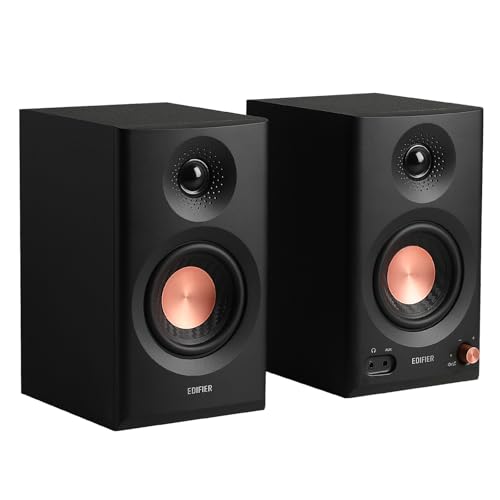
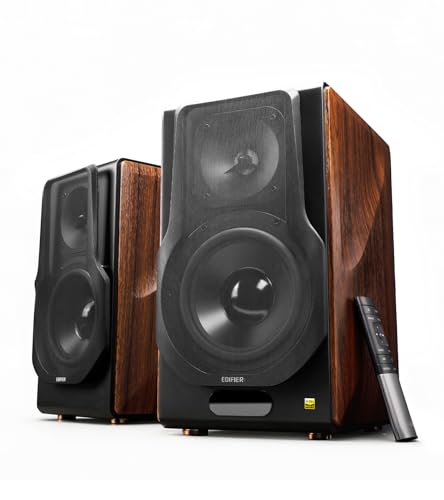
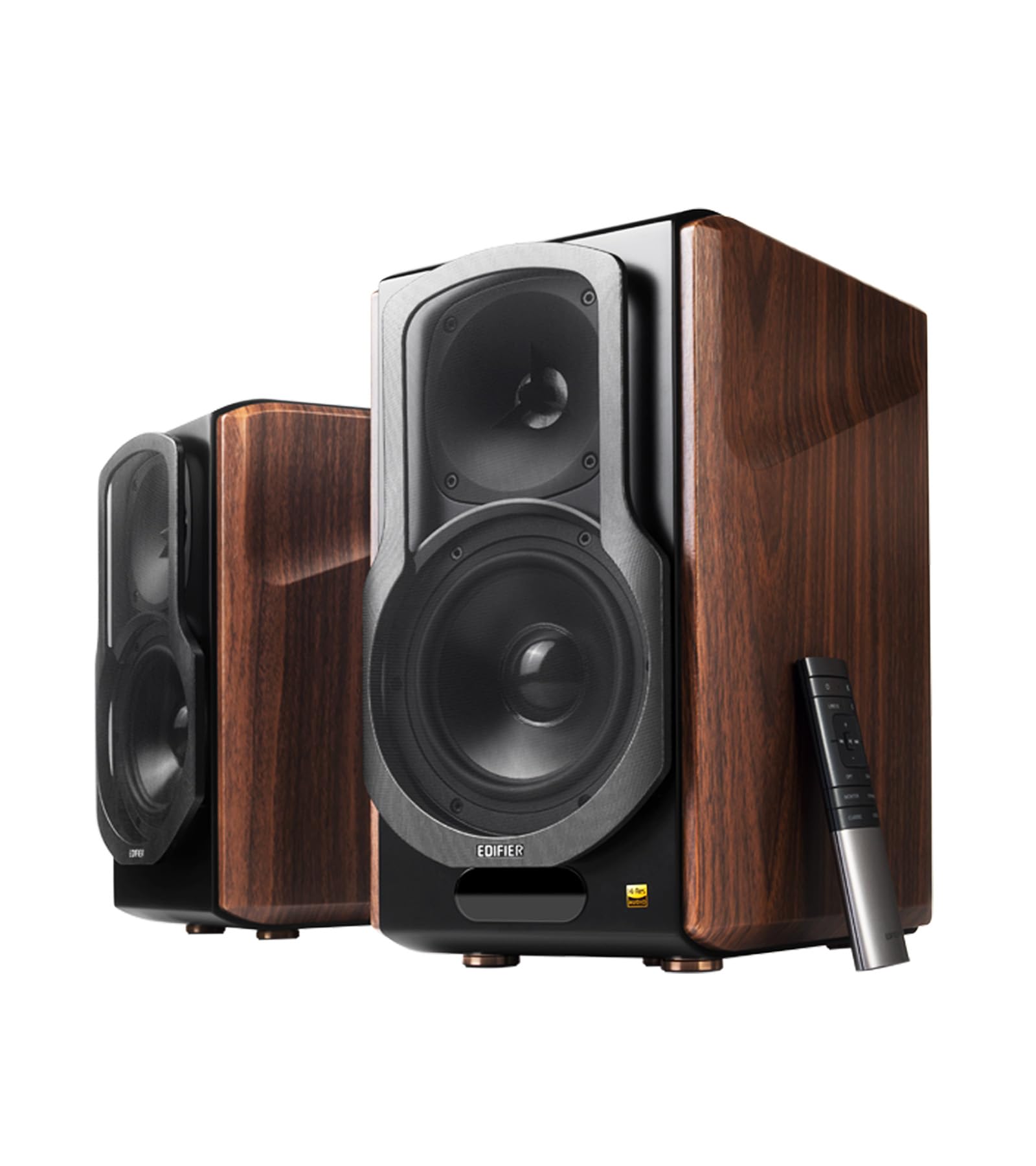
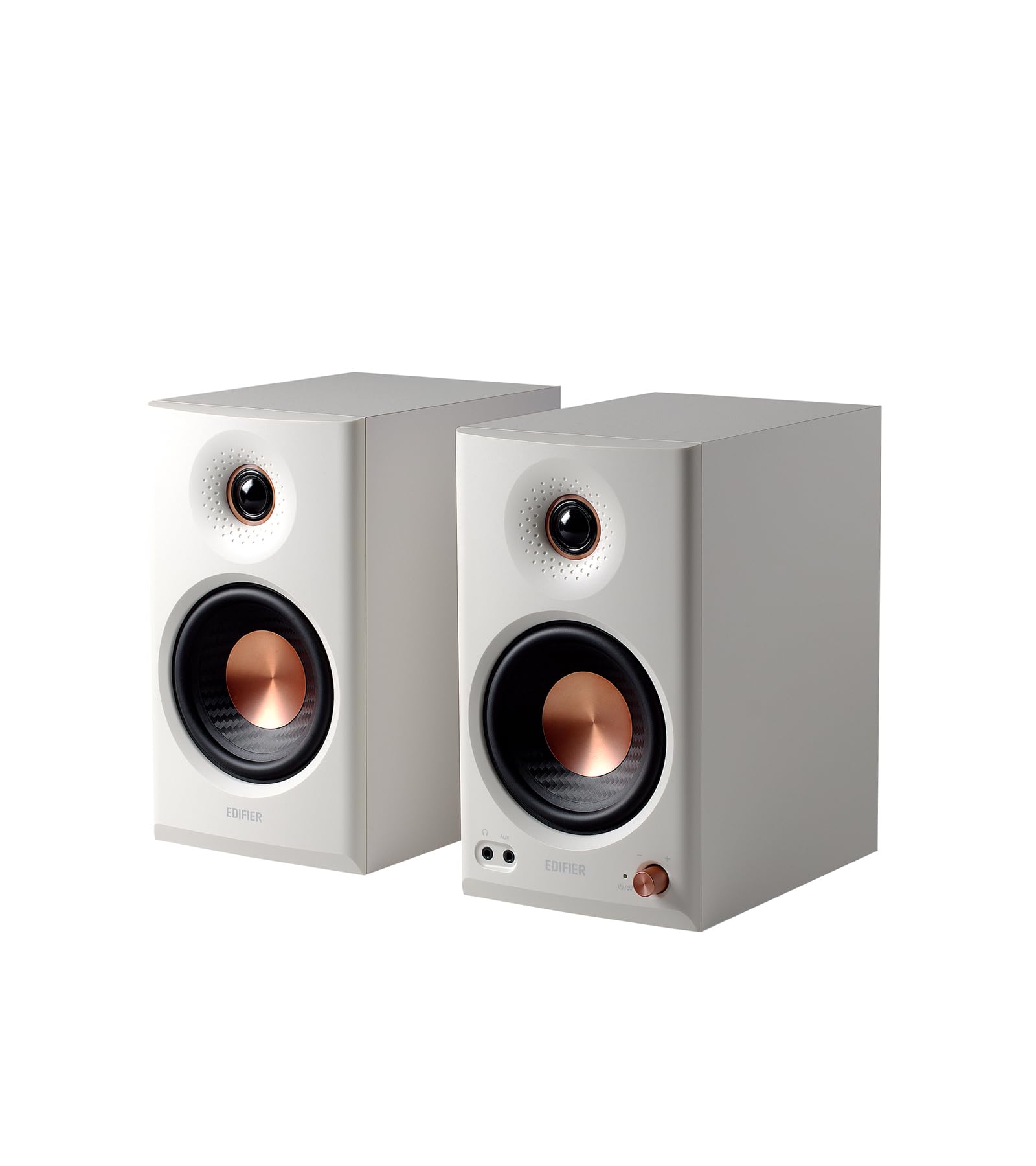
Best audiophile powered speakers pack the amplifier inside the cabinet, so you get serious sound without a separate amp, cables, and matching worries. The comparison table below compares the main designs, from compact desktop monitors to larger living room models.
Powered speakers suit listeners who want high quality sound with a simple setup, whether for music, films, or a turntable. This guide explains drivers, amplification, inputs, room placement, and value, so you can choose speakers that match your ears, your room, and your sources.





Who Should Buy Powered Speakers
Music lovers with limited space benefit most, since one pair replaces an amp and speakers with a single tidy setup. Desktop listeners, small room owners, and minimalists all gain from fewer boxes and shorter cable runs.
Home theater fans can also use powered speakers as front channels, though they should check input options and volume control first. Vinyl lovers need a phono input or a separate phono stage, so confirm compatibility with your turntable before buying.
Sound Quality and Driver Design
Tweeter and woofer size shape the sound: larger woofers reach deeper bass, while quality tweeters keep highs smooth rather than harsh. A well tuned crossover matters more than driver size alone, since it blends the drivers into one coherent voice.
Listen for vocal clarity, instrument separation, and bass control rather than sheer loudness. A speaker that sounds balanced at low volume usually stays pleasant during long sessions, while a boomy or bright model can tire your ears quickly.
Amplification and Power
Built in amplifiers are matched to the drivers by the maker, which removes guesswork about power and impedance. Class D amps run cool and efficient, while some listeners prefer the warmth of other amp designs, so trust your ears over specifications alone.
Wattage figures mislead when compared across brands, since measurement methods differ. Focus on clean output at your normal listening level, and check whether each speaker has its own amp or one master unit powers the pair.
Comparing Related Options
Buyers comparing powered designs can explore best powered bookshelf speakers audiophile for room focused models and best powered speakers for the wider range. General quality advice lives in best audiophile speakers, while best powered bookshelf speakers covers shelf friendly sizes. Vinyl owners should also read best powered speakers for turntable for phono and input guidance.
Compare shortlisted speakers on inputs for your sources, room size suitability, and bass extension, not just power ratings. A pair that fits your room and connects cleanly to your gear will please you longer than a more powerful pair that fights the space.
Room Placement and Listening Position
Place speakers at ear height with equal distance to your seat, and pull them away from walls to reduce bass boom. Toe them slightly inward so the sound image centers between them, then adjust in small steps while listening to familiar tracks.
Small rooms suit compact monitors with controlled bass, while large rooms need bigger drivers or a subwoofer for full sound. Soft furnishings tame reflections, so a rug and curtains can improve clarity more than expensive cables ever will.
Inputs, Controls and Long Term Value
Check inputs for every source you own: optical for a TV, USB for a computer, analog for a turntable, and bluetooth for phones. A remote or front volume control adds daily convenience, especially when speakers sit on high shelves.
Build quality and warranty matter, since powered speakers combine amp and drivers in one unit that is harder to repair separately. Choose a trusted maker with good support, and keep the boxes for safe moves and future resale.
Desktop Versus Living Room Use
Desktop powered speakers sit close to the listener, so they need controlled dispersion and modest bass to avoid overwhelming a small space. Nearfield models excel here, revealing detail at low volume without room boom, which suits home offices and bedrooms.
Living room speakers play across greater distances and need more output and bass extension to fill the space convincingly. Larger bookshelf models or floor standing powered designs suit this role, though they demand more floor space and careful placement.
Some listeners use one pair for both roles by moving speakers between rooms, but placement and room acoustics differ so much that dedicated pairs usually satisfy more. Decide your primary room first, then choose size and power for that space.
Streaming, Vinyl and TV Connections
Modern powered speakers often include bluetooth, optical, USB, and analog inputs, letting one pair serve a phone, computer, TV, and turntable. Prioritize the inputs you use daily, since unused connections add cost without benefit, while a missing key input forces awkward adapters.
Bluetooth convenience trades some sound quality for ease, so use wired connections for critical listening and bluetooth for casual background music. Check codec support if you stream high quality audio, since basic bluetooth compresses more than newer codecs do.
TV use needs attention to lip sync and remote volume control, since some powered speakers lack remote control or introduce delay over bluetooth. Optical connections usually sync best, and a simple remote makes daily TV use far more pleasant.
Upgrades and System Growth
Powered speakers limit upgrade paths compared with separates, since the amplifier cannot be swapped independently. Plan for this by choosing a pair that already meets your needs, rather than buying cheap now and expecting to upgrade the amp later.
A subwoofer remains the most useful upgrade for most powered systems, adding bass depth without replacing the main speakers. Choose a sub with adjustable crossover and volume, and integrate it slowly by ear rather than by specifications alone.
Room treatment offers another upgrade path that costs less than new speakers and often improves sound more. Rugs, curtains, bookshelves, and soft furniture reduce reflections and tighten bass, making even modest speakers sound noticeably better.
Nearfield Listening Tips
Nearfield listening places speakers close, often under a yard away, which reduces room influence and reveals detail beautifully. Position speakers at ear height on solid stands or isolation pads, angled slightly toward your head for a focused image.
Keep desk reflections in mind, since hard desk surfaces bounce sound upward and smear imaging. A desk mat, monitor riser, or slight speaker tilt can tame reflections and sharpen the soundstage noticeably.
Nearfield bass sounds tighter than room bass, so do not judge low end from desk listening alone. Move back to normal room distance occasionally to check how bass fills the space for other listeners.
Cables and Connections That Matter
Cable quality matters less than marketing suggests, but solid connections and appropriate lengths do affect reliability and noise. Use well shielded cables for analog runs near power supplies, and keep cable runs short where possible.
Digital connections like optical and USB avoid analog interference entirely, making them ideal for computer and TV sources. Choose digital when available, reserving analog for turntables and legacy gear that lacks digital outputs.
Label cables behind your setup, since troubleshooting a silent speaker goes faster when inputs and outputs are clearly marked. A few minutes of labeling saves frustration during future rearrangements.
Protecting Speakers From Damage
Keep powered speakers away from direct sunlight and radiators, since heat degrades driver surrounds and electronic components over time. Stable room temperature and moderate humidity preserve both sound and appearance for years.
Protect tweeters from curious fingers and pets, since dented domes change sound and cost money to repair. Keep grilles on when children or pets share the room, removing them only for serious listening sessions.
Power speakers through a surge protected outlet, since electrical spikes damage amplifiers more easily than passive speakers. Switch speakers off during storms and long absences to extend electronic life.
Frequently Asked Questions
Do powered speakers sound as good as separate systems?
Powered speakers can sound excellent, since the maker matches the amplifier to the drivers and tunes the whole system together. Separate systems offer more upgrade freedom, but they demand careful matching and cost more overall. For most rooms and budgets, a well designed powered pair delivers equal enjoyment with far less hassle. Trust listening tests over the separates versus powered debate.
Do I need a subwoofer with powered speakers?
A subwoofer helps in large rooms or for bass heavy music and films, but compact powered speakers often reach satisfying bass alone in small rooms. Try the speakers first in your own space before adding a sub. If bass feels thin or boomy, a sub with adjustable crossover and volume can fill the gap. Proper placement matters more than subwoofer size.
Can I connect a turntable to powered speakers?
You can connect a turntable if the speakers have a phono input or you add a separate phono stage between turntable and speakers. Without phono equalization, vinyl sounds thin and quiet, so never plug a turntable straight into a line input unless the turntable has a built in preamp. Check your turntable output type first, then choose speakers or a phono stage to match.
What size powered speakers suit my room?
Compact monitors with small woofers suit desks and rooms up to about 150 square feet, while larger bookshelf models fill living rooms better. Oversized speakers in a tiny room can overwhelm bass and muddy vocals, so match driver size to space. When in doubt, choose the smaller model and add a sub later. Room treatment and placement often matter more than size alone.
Are powered speakers good for TV and films?
Powered speakers improve TV sound dramatically over built in TV speakers, adding clarity to dialogue and weight to soundtracks. Connect via optical or analog output and check that volume control works conveniently from your seat. Stereo powered speakers will not create surround effects, but they beat soundbars on music quality. For full surround, a dedicated home theater system remains the better choice.
Final Thoughts
Choose best audiophile powered speakers by listening for balance, matching size to your room, and confirming inputs for your sources. The product table above narrows the options, but your ears in your room make the final call. Pick a well built pair from a trusted maker, place them carefully, and enjoy simple, high quality sound every day.


