Best Audiophile Outdoor Speakers: A First Time Buyer's Guide for 2026
Disclosure: We may earn a commission when you buy through links on this page, at no extra cost to you. As an Amazon Associate I earn from qualifying purchases. Learn more

Shopping for the best audiophile outdoor speakers for the first time? Learn the terms, compare options, and avoid rookie mistakes with this easy guide.
Buying outdoor speakers for the first time is different from buying for a living room, because sun, rain and open air all change what good sound requires. This guide starts with the basics in plain language, explains the key terms, and walks you through a calm first purchase. If you are looking for the best audiophile outdoor speakers for a patio, deck or garden, you will finish this page knowing what matters, what to ignore and how to use the comparison table below with confidence.
You do not need deep technical knowledge to choose well. You need to know your space, your typical gathering size and how much weather the speakers will face.




Audiophile Outdoor Speakers 101: The Basics
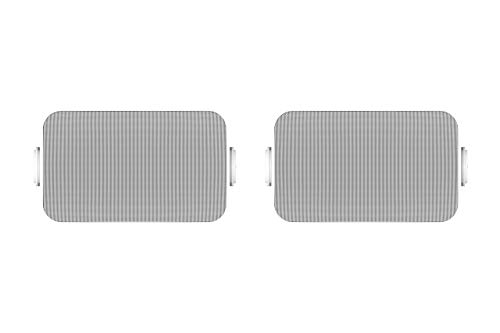
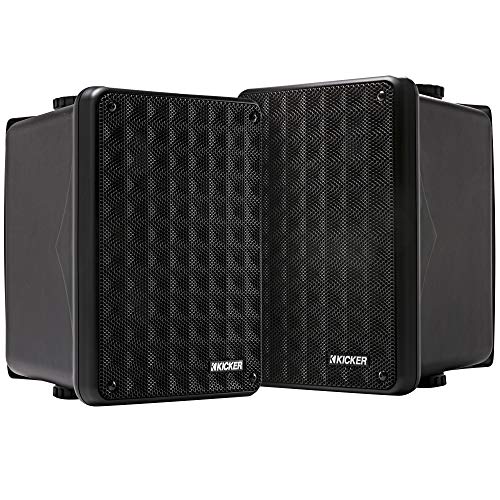
An audiophile outdoor speaker aims for clear, balanced sound outside, where there are no walls to reflect sound back to you. Outdoors, sound spreads and fades, so speakers need more power and careful placement than indoor models of similar size. Drivers are the parts that move air to make sound, and outdoor drivers sit behind protective grilles and sealed cabinets that keep water and dust away from delicate parts.
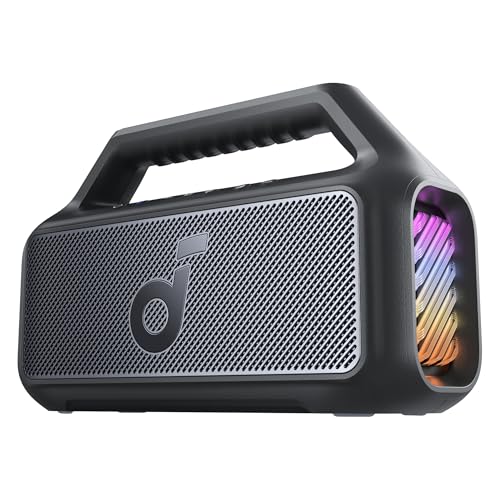
Some models are portable with a battery you recharge, while others mount permanently under an eave and connect to an indoor amplifier with outdoor rated cable. Portable models suit renters and flexible seating. Mounted models suit a fixed patio where you want consistent coverage and no charging routine. Either way, the goal is music that stays clear at conversation volume and still has body when you turn it up for a gathering.
Key Specs Explained in Plain English
Spec sheets look intimidating, but only a handful of numbers affect your daily experience. Read each one below as a simple question about your space and habits.
Sound Quality and Tuning
Outdoors, midrange clarity matters most because voices and melody lines carry across a yard while bass drifts away. A speaker tuned with a slight lift in the upper bass can sound fuller outside without booming indoors style. Frequency response figures tell you the range covered, but even coverage matters more than extreme depth. If you host larger groups, look for wider dispersion, meaning sound spreads evenly so guests away from the centre still hear a balanced mix rather than a dull or harsh edge of the pattern.
Battery Life and Charging
For portable models, battery life decides whether the speaker lasts a full afternoon and evening. Quoted figures assume moderate volume, so expect less time when you play loudly outside. Fast charging helps when you forget to plug in before guests arrive, and USB charging adds flexibility in the garden. Mounted wired models skip batteries entirely. If you dislike routine charging, that permanence is a real advantage, and our guide to the best outdoor speakers explains both routes in broader terms.
Durability and Water Resistance (IP Rating)
The IP rating describes protection against dust and water, shown as two digits after the letters IP. A rating such as IP67 means strong dust protection and survival after brief immersion, while lower ratings may only resist splashes. For a speaker that lives outside all season, aim high and check that port covers seal properly. Also look for UV resistant cabinets and rust resistant grilles and brackets, because sun and coastal air damage speakers slowly even when rain never reaches them directly.
Placement and Coverage
Placement decides coverage more than raw power. Two smaller speakers spaced apart usually cover a patio more evenly than one large speaker blasting from a corner, and stereo pairing restores a sense of width that a single box cannot provide. Mount speakers under cover where possible, angled slightly down toward listeners. Keep them away from pools and fire features, and think about neighbours, because sound travels far on a still evening and a considerate volume keeps everyone happy.
Size, Weight and Portability
Weight is your friend for stability and your enemy for carrying. A portable speaker you will move daily should be light enough to carry in one hand with a secure grip, while a heavier build often signals a larger battery and stronger cabinet. Check handle design and whether the base sits flat on grass or deck boards. For mounted models, weight matters for bracket strength instead, so confirm the mount and wall material can hold the load safely before drilling anything.
Connections and Everyday Use
Bluetooth is the usual connection outdoors, and a current version such as Bluetooth 5.3 holds a steadier link through bodies and garden furniture. Multipoint support lets two phones stay connected so friends can share music duties without repeated pairing. If you also want to play from a laptop or an older player, check for an auxiliary input. Clear spoken prompts, simple buttons you can use with wet hands and a phone app for EQ all make daily use easier than a long feature list suggests.
Rookie Mistakes to Avoid
Most first time regrets come from a short list of avoidable errors. Check your plan against these points before you order.
- Buying for maximum loudness instead of clarity, then running the speaker at full volume where distortion makes music harsh and tiring.
- Ignoring the IP rating and leaving a splash resistant model out in open rain all winter.
- Placing one speaker in a corner and expecting even coverage across a long deck or garden.
- Forgetting a charging routine for portable models, so the battery is flat when guests arrive.
- Mounting speakers too high or too low, which throws sound over heads or into the ground instead of toward listeners.
If you want a permanently installed result without batteries, our guide to the best outdoor speakers system designs covers amplifier and zone planning for whole garden coverage.
Getting Started: Setup and First Use
Start by charging a portable model fully or completing the mounting and cable run for a wired model, then pair your phone and play familiar music at low volume. Walk the whole listening area and note spots that sound dull or boomy, then adjust position or angle in small steps. Keep firmware updated through the maker app so connection and charging improvements arrive automatically. Store portable models indoors during harsh weather, in a dry place that protects drivers from knocks, and wipe grilles after dusty or salty days so buildup does not dull the sound.
For flexible days out as well as garden use, see our guide to the best outdoor portable speakers for smaller designs built to travel. If wireless freedom is your priority at home in the garden, our guide to the best outdoor wireless speakers compares connection approaches in more detail.
Audiophile Outdoor Speakers: Your Questions Answered
How long does the battery last?
Battery life varies widely, from a single evening for compact models to a full day or more for larger ones at moderate volume. Loud outdoor playback can cut quoted figures noticeably, because moving air in open space takes power. A useful habit is charging after each big gathering rather than waiting for a low warning. If you host often and dislike charging, a mounted wired setup removes the question entirely.
Do I need a special codec?
No, standard Bluetooth audio is fine for outdoor listening, where wind and conversation mask the small gains from advanced codecs. A special codec helps only when both phone and speaker support it and you listen closely in a quiet spot. Stability matters more outside, so a strong connection and sensible distance from the source will improve your experience more than chasing codec logos on the box.
What IP rating do I need for outdoor use?
For a covered patio, splash resistance can be enough, but a speaker living in open weather should carry a strong rating such as IP67 for dust and water protection. Read the rating as a minimum promise, not a challenge to submerge the speaker for fun. Also check UV and rust protection, because sun and salt air cause as much long term harm as rain for gear that stays outside.
Wired or wireless: which sounds better?
Wired mounted speakers usually sound more consistent because power comes from a proper amplifier and there is no battery limit or wireless drop. Wireless portable models win on flexibility and now sound very good for gatherings and casual listening. Choose wired for a fixed patio you use weekly. Choose wireless if seating moves, you rent your home, or the speakers also travel to parks and campsites with you.
The Bottom Line
For your first purchase, prioritise weather protection that matches real exposure, clear midrange for open air listening and a format that fits how you actually gather. Place two speakers for coverage before you chase more power, and keep volume considerate for neighbours. Chosen with those basics in mind, the best audiophile outdoor speakers for your garden will sound welcoming all season, so check your shortlist against the product table above before you buy.