
Best Audiophile Full Range Speakers: Types Compared and How to Choose for 2026
Disclosure: We may earn a commission when you buy through links on this page, at no extra cost to you. As an Amazon Associate I earn from qualifying purchases. Learn more
Compare the best audiophile full range speakers by driver type, cabinet style, and sensitivity, with clear guidance on amplifiers, rooms, and value.
Full range speakers take a simple idea seriously, using one driver, or one closely matched driver pair, to cover as much of the musical range as possible without a crossover splitting the sound. Fans praise their coherence and immediacy, while skeptics point to limits at the frequency extremes. Choosing the best audiophile full range speakers means understanding which type fits your room and amplifier.
This guide compares the main types side by side, explains the trade offs in honest terms, and gives you a clear selection checklist. Read the type section before you set your budget.
Types of Audiophile Full Range Speakers Compared
Four types cover most of the market. Typical prices for a pair range from around $200 for simple enclosed models to several thousand for large hand built designs, and each type below explains how it works and who it suits.
Single Driver Models
Single driver speakers use one cone to reproduce bass, midrange, and treble, often helped by a whizzer cone or a carefully shaped main cone. With no crossover in the signal path, the sound can feel direct and unified, and voices in particular gain a natural presence. The limits are real, because deep bass output is modest and the highest treble can narrow as you move off axis. These models suit near field listening, small rooms, and low power amplifiers where coherence matters more than sheer scale.
Coaxial Full Range Models
Coaxial designs mount a tweeter at the center of a woofer, so high and low frequencies arrive from the same point in space. That point source behavior gives strong imaging and consistent sound as you move around the room. A crossover is present, but it works between drivers that share one center, which keeps timing errors small. Coaxial models usually deliver wider frequency coverage than pure single driver designs. They suit listeners who want full range coherence with more bass and treble extension for movies and varied music.
Open Baffle Models
Open baffle speakers mount the driver on a flat panel with no enclosed box behind it. Sound radiates from the front and the rear, creating a spacious, room filling character that many listeners find addictive for acoustic music. The design needs space, because the rear wave must not reflect straight back from a close wall. Bass output depends on panel size and driver excursion, so very deep bass usually needs support. Choose this type for a dedicated listening space where you can place speakers well into the room.
Enclosed Cabinet Models
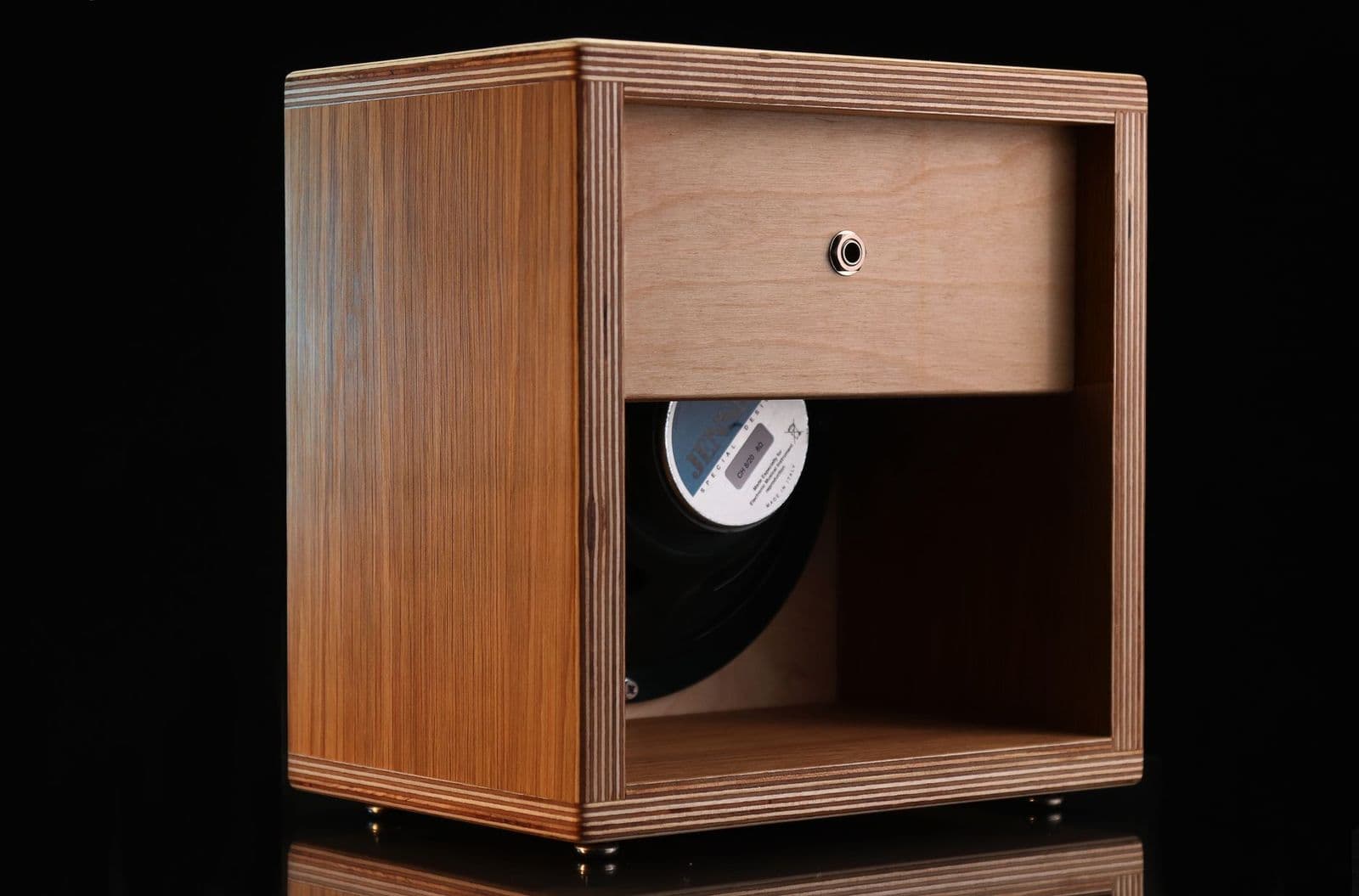
Enclosed designs place the full range driver in a sealed or ported cabinet, sometimes with a folded internal path that reinforces bass. The cabinet adds the low frequency support a bare driver lacks and makes placement far more forgiving than open baffle designs. You give up some of the open, airy character in exchange for compact size and stronger bass from a smaller footprint. These are the most practical full range option for living rooms, desks, and shared spaces. For general background on the category, see our guide to the best full range speakers.
Single Driver Models vs Coaxial Models: Which Should You Choose?
Compare the two most common paths on five points. For purity of signal, single driver models win, because nothing sits between amplifier and cone. For frequency coverage, coaxial models win, with deeper bass and more extended treble. For imaging, both are strong, though coaxial designs stay consistent over a wider seating area. For amplifier demands, single driver models often pair with very low power, while coaxial models accept a broader range of amplifiers. For room flexibility, coaxial and enclosed designs forgive placement more easily.
Decide by your priorities. If you listen closely to vocals, acoustic instruments, and small ensembles at moderate volume, a single driver design may move you more. If your listening spans rock, film soundtracks, and electronic music, coaxial coverage will serve you better day to day. Check the driver arrangement before you compare sensitivity or price.
How to Choose the Right Audiophile Full Range Speaker
Driver Size and Sensitivity
Driver size shapes the balance between bass reach and treble dispersion. Larger drivers, around 6 to 8 inches, move more air and produce fuller bass, but their treble narrows at higher frequencies. Smaller drivers, around 3 to 5 inches, spread treble more evenly and image precisely, but need cabinet help or a subwoofer for bass. Sensitivity matters just as much. Ratings above 92 dB suit low power tube and small solid state amplifiers, while lower sensitivity designs need more wattage to reach the same volume.
Frequency Coverage and Bass Expectations
Set honest expectations before you buy. Most full range designs cover the heart of music beautifully, roughly from the low bass region through the treble, but few reproduce the deepest organ or film effects notes at full weight. Read the stated frequency response with care and note whether the limits are given with a tolerance. If your music includes heavy bass content, plan for a subwoofer from the start rather than pushing a small driver beyond its comfort zone. Our guide to the best full range speakers specifications explains how to read response and sensitivity figures without being misled.
Cabinet Design and Placement
The cabinet is part of the instrument in full range design. Ported cabinets extend bass but need some distance from walls to avoid boom. Sealed cabinets sound tighter and place more easily near walls, at the cost of depth. Open baffle designs need the most space of all. Measure your room, note where the speakers can realistically stand, and eliminate types that fight your layout. A modest speaker placed well will outperform an ambitious speaker squeezed into a corner.
Amplifier Matching and Connections
Full range speakers reward careful amplifier matching. High sensitivity models reveal amplifier noise, so a quiet amplifier matters as much as a powerful one. Check impedance, because some designs present an easy load while others dip low at certain frequencies. Connections are simple, with standard binding posts on most models, and short, secure speaker wire runs are all you need. If you plan to use the speakers for focused listening sessions, our guide to the best full range speakers for music covers pairing and placement in more depth.
Build Quality and Finish
Look for rigid cabinets with clean joints, secure driver mounting, and a finish that suits daily life in your room. On single driver models, inspect the cone surround and the whizzer cone alignment, because small defects there affect the whole sound. Terminals should feel solid and accept your connectors without force. A maker who publishes full measurements and clear warranty terms is usually a safer choice than one who relies on poetic claims alone. Keep the purchase record, since driver replacement on niche designs depends on maker support.
How to Make Your Audiophile Full Range Speaker Last Longer
- Keep volume within the driver comfort range, because over excursion is the fastest way to damage a full range cone and surround.
- Dust cones gently with a soft brush held lightly, and never touch the center of the cone or any whizzer cone with pressure.
- Place speakers away from direct sunlight and radiators, since heat and light dry out paper cones and foam surrounds over time.
- Use grilles where children or pets share the room, because a single poke to an exposed cone can end the life of the driver.
- Check speaker wire connections yearly for looseness, and support long cable runs so their weight does not pull on the terminals.
One more habit protects both the speakers and your enjoyment. Give a new pair several weeks of normal listening before you judge the bass, because surrounds loosen gradually and low frequency output settles. Moving the speakers a few inches during that period teaches you more about your room than any accessory purchase. Vehicle listeners can apply the same driver logic on the road with our guide to the best full range speakers for car.
FAQs
Do audiophile full range speakers need a subwoofer?
Many listeners add one, but it depends on your music and room. Small single driver models in a near field setup can satisfy without support for voice and acoustic music. Larger rooms and bass heavy genres benefit clearly from a subwoofer crossed over low, which also relieves the main driver and improves midrange clarity. Decide after living with the speakers for a few weeks in your own space.
Are single driver speakers better than speakers with separate drivers?
They are better at coherence and timing, because one cone handles the full range with no crossover transitions in the middle of the music. Speakers with separate drivers are better at the extremes, delivering deeper bass and more extended, widely dispersed treble. Neither approach wins overall. Your music, volume habits, and seating layout decide which set of strengths you will appreciate more each day.
How long do audiophile full range speakers last?
A well cared for pair can last fifteen to twenty five years. Paper cones and foam surrounds age fastest, especially in heat and sunlight, while treated cones and rubber surrounds endure longer. Because many full range drivers are niche products, confirm that the maker still supplies replacement drivers before you buy. That single check protects your long term ownership more than any extended warranty.
What amplifier do audiophile full range speakers need?
High sensitivity models need very little power, often sounding complete with small amplifiers in the range of a few watts to around 30 watts in a modest room. Lower sensitivity enclosed models may want 50 watts or more for lively levels. More important than raw power is low noise, because efficient speakers reveal hiss that ordinary speakers hide. Match the amplifier character to the speaker voicing for the most balanced result.
What size full range speaker do I need for my room?
Small rooms and desk setups suit drivers around 3 to 5 inches, which image well at short distances. Medium living rooms suit 5 to 8 inch drivers in enclosed cabinets, which balance bass and dispersion. Large rooms either need the largest drivers with cabinet support or a subwoofer partnership. Judge by your listening distance first, because it decides how much output and dispersion your room actually requires.
Our Verdict
Pick the type that fits your room, match sensitivity to an amplifier you trust, and be honest about how much bass your music needs. Those three choices decide satisfaction far more than small differences in cone material or finish. Keep your room measurements and amplifier in mind, and choose the best audiophile full range speakers that will sing in your space for years.


