Best Audiophile Ceiling Speakers for 2026: Which One Fits the Way You Use It?
Disclosure: We may earn a commission when you buy through links on this page, at no extra cost to you. As an Amazon Associate I earn from qualifying purchases. Learn more

Discover the best audiophile ceiling speakers for your needs. We match features to real use cases so you avoid overpaying and get the right fit the first time.
Ceiling speakers ask for a bigger commitment than any shelf model, because once the holes are cut, moving them is real work. That is why the best audiophile ceiling speakers need to be matched to the room, the amplifier and the listening position before anyone picks up a saw. This guide starts with the room, then covers drivers, enclosures and installation details that decide whether the result sounds refined or merely loud.
Plan carefully, and the system disappears into the ceiling while the music stays present for years. Use the product table below once your room plan and amplifier choice are clear.


Who Should Buy Which Audiophile Ceiling Speakers?
Kitchens, Baths and Everyday Rooms
Everyday rooms need honest, forgiving speakers for music, podcasts and television support. Mid priced models with 6 to 8 inch woofers cover kitchens and living rooms comfortably, and stable sound at low volume matters more than party output. For bathrooms and other humid rooms, pick models rated for damp spaces.
Main Listening Rooms
A main room is where audiophile models earn their price. Look for better drivers, sturdier frames, pivoting tweeters and enclosed or back box designs. Add a subwoofer if you want real bass, and plan the speaker positions around the seats rather than ceiling symmetry.
Whole Home Systems
A multi room system works best when each zone has its own volume control. Start with the rooms you use most and add more later. Our guide to the best ceiling speakers covers the wider price range.
Key Features of Audiophile Ceiling Speakers
Sound Quality and Tuning
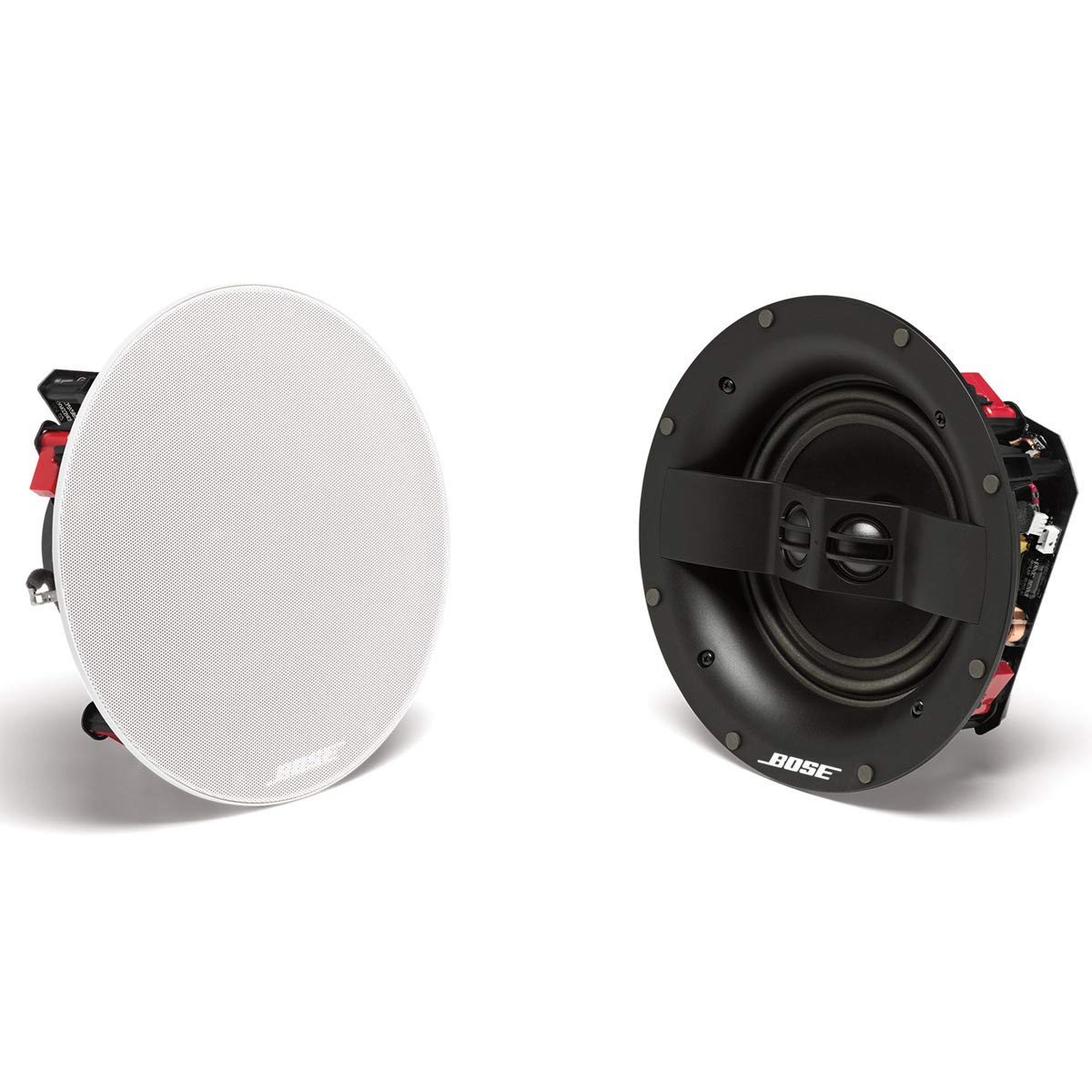
Audiophile ceiling models earn the label with better drivers, sturdier frames and crossovers that keep voices clear. Woofer materials and pivoting tweeters help aim treble at the seating area instead of the floor. A response that reaches toward 45 to 55 Hz gives music body, though a subwoofer still helps in a main room. For critical listening, many owners keep a main pair of floor or shelf speakers, and our guide to the best audiophile speakers explains that side of a serious system.
Amplifier and Wiring
Most ceiling speakers are passive and need an amplifier or receiver. A modest pair driven well beats a premium pair starved by an undersized amp. Run quality speaker cable during the build stage, label both ends of every run and leave a small service loop so connections can be remade later. If some rooms will stay wireless, compare the options in our guide to the best audiophile wireless speakers.
Cutout Size, Depth and Fit
Fit is physical: cutout diameter, mounting depth and joist layout decide which models can be installed. Measure the ceiling void before ordering, because insulation, ducts and shallow voids rule out deep cabinets. The mounting frame and ceiling board must also hold the speaker securely for decades.
Coverage and Placement
Too few speakers leave hot spots near the cabinets and dead zones across the room. Plan pairs, or stereo single units, by room size rather than squeezing one speaker into a large space. Aim pivoting tweeters at the main seats first, set levels by ear, and only then use any room correction in the amplifier to polish the result.
Back Boxes and Enclosures
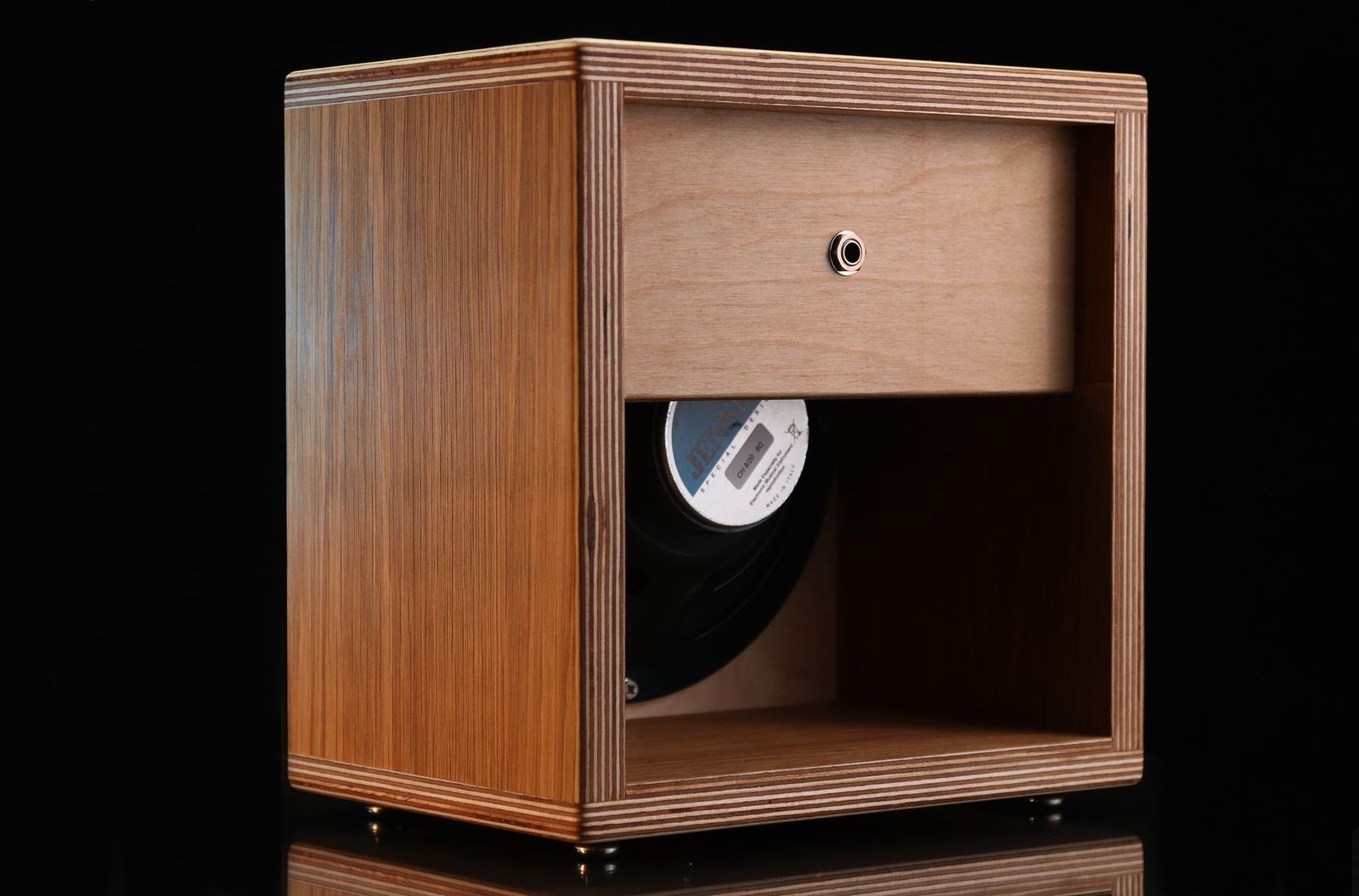
Back boxes and enclosed designs protect the sound from the ceiling cavity and reduce leakage into rooms above. They are worth the money in shared ceilings, over bedrooms, and anywhere insulation could reach the back of the driver.
Common Mistakes to Avoid When Buying Audiophile Ceiling Speakers
- Cutting holes before confirming joist positions, wiring routes and the true depth of the ceiling void.
- Ignoring the amplifier budget, then driving quality speakers with power that clips at normal listening levels.
- Placing speakers by ceiling symmetry alone, while the seating and the room shape argue for different positions.
- Skipping back boxes in shared ceilings, so music leaks into rooms above and bass energy is lost.
- Forgetting warranty and installer terms, even though ceiling work is the hardest speaker purchase to undo.
Setup and Care Tips
Good installation is the biggest upgrade in this category. Keep amplifier firmware current if it streams, and keep the amplifier in an accessible rack rather than buried above the ceiling. Dust the grilles gently with a soft brush or vacuum attachment, check for paint or plaster blocking the grille after decorating, and reseat a grille that buzzes at high volume. For music focused rooms, our guide to the best ceiling speakers for music adds placement ideas by room type.
Frequently Asked Questions
Do ceiling speakers need an amplifier?
Yes, most are passive and need an amplifier or receiver with enough power. Powered and Bluetooth ceiling sets exist, but they offer less flexibility for an audiophile system.
Are in ceiling speakers good for music?
They can be very good for music when you choose quality drivers, aim the tweeters and add a subwoofer for bass. They are best for background and shared rooms, while a main stereo pair on stands still wins for critical listening.
Can I use ceiling speakers in a bathroom?
Only models designed for humid spaces. Steam ages an ordinary driver and grille quickly, so check that the listing says it is made for damp rooms.
How many ceiling speakers do I need?
A stereo pair covers a small to medium room. Larger rooms may need four speakers spread evenly so that coverage is consistent across the space.
Wired or wireless ceiling speakers?
Wired systems sound better and behave more predictably. Wireless ceiling products suit retrofit jobs where cable runs are impossible, but they add power and connection complexity above the ceiling. When the walls are open, run the cable.
Our Verdict
Measure the ceiling, fund the amplifier properly and choose drivers with enclosed or back box friendly designs for the rooms that matter most. Everyday rooms can use honest mid priced pairs, while a main room may justify the finest models plus a subwoofer. Check the product table against your room plan, and if the ceiling route does not fit your home, our guide to the best bookshelf speakers audiophile listeners choose shows the alternative before you commit to the best audiophile ceiling speakers for your rooms.