Best Audi OBD2 Scanner for 2026: Every Type Explained Side by Side
Disclosure: We may earn a commission when you buy through links on this page, at no extra cost to you. As an Amazon Associate I earn from qualifying purchases. Learn more

Compare handheld readers, Bluetooth adapters, and pro grade tools to find the best audi obd2 scanner type for your garage, your car, and your budget.
Scanner listings mix simple code readers, phone adapters, and shop grade tablets into one confusing pile, and the prices run from about $20 to well over $1,000. Finding the best audi obd2 scanner starts with the type, because the type decides which car systems you can reach. This guide compares the four main types side by side so the choice gets simple.
Every car sold for the US market since the mid 1990s has an OBD2 port, and Audi adds its own extra systems on top of that standard. The comparison table below sums up the types, and the sections after it explain the differences.





Types of Audi OBD2 Scanners Compared
The table gives the short version. The notes under it explain what each type feels like to own and where each one falls short.
| Type | Best For | Pros | Cons | Typical Price |
|---|---|---|---|---|
| Handheld code reader | Basic engine codes | Cheap, simple, no phone needed | Engine only, small screen | About $20 to $60 |
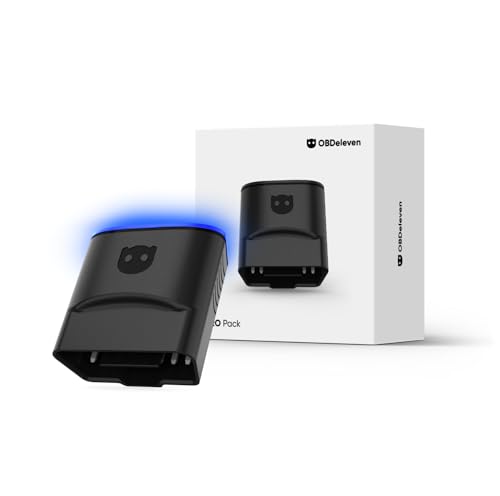
| Bluetooth adapter | Live data on a phone | Tiny, low cost, good graphs | Needs an app, coverage varies | About $15 to $170 |
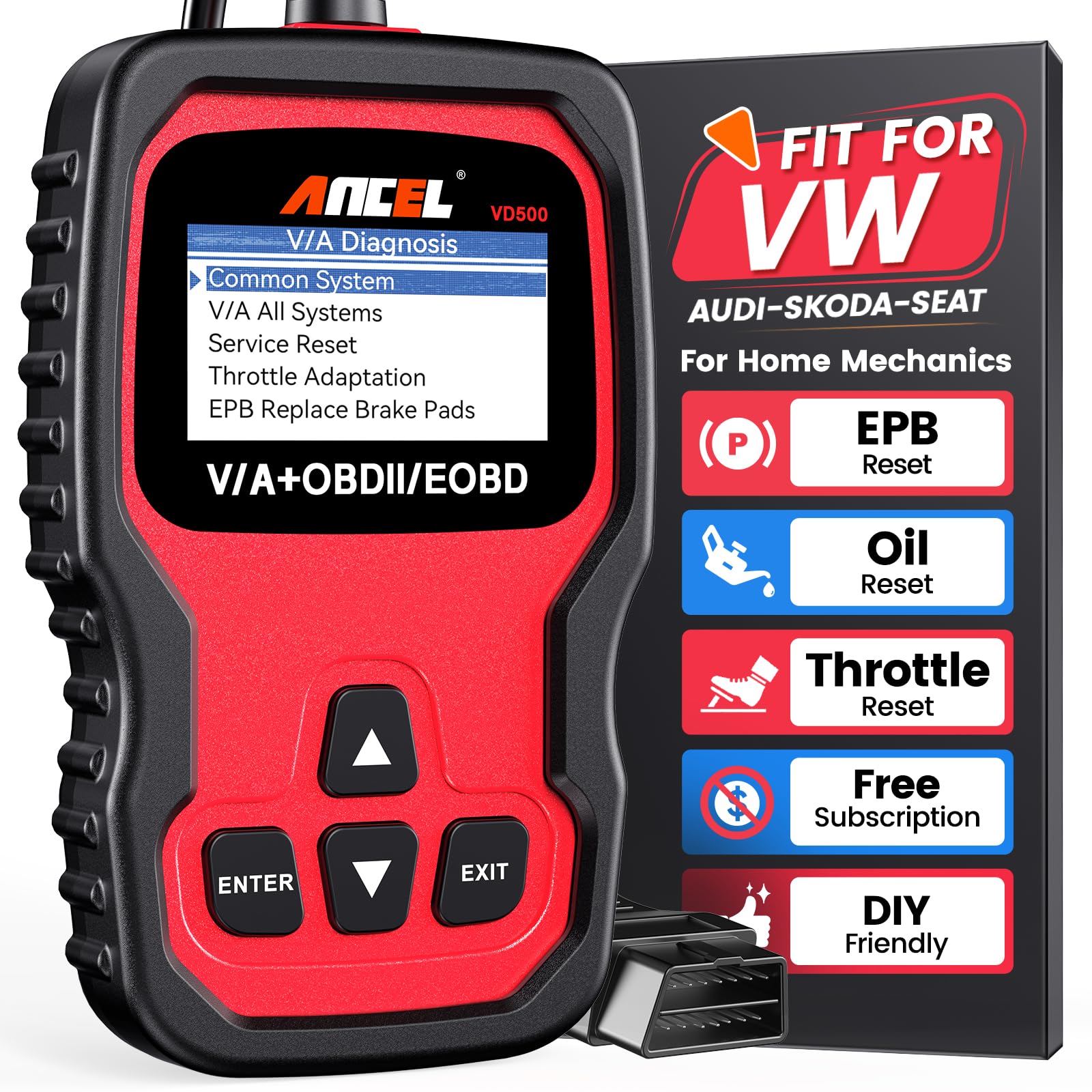
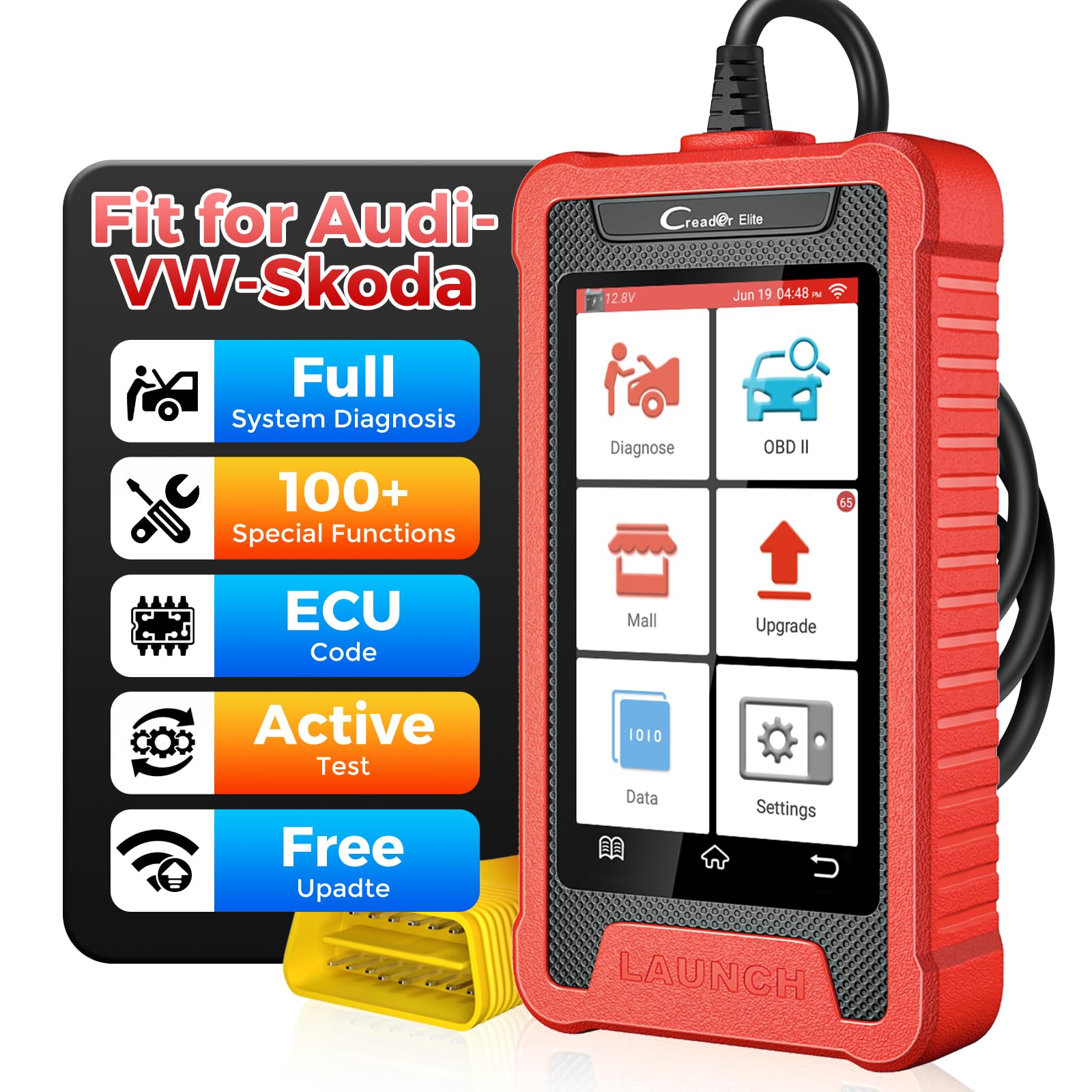
| Full system handheld | Owner who does own repairs | Reads brakes, airbags, gearbox | Costs more, updates needed | About $150 to $500 |
| Pro grade tablet | Workshops and heavy users | Deepest coverage and functions | Expensive, often a yearly fee | About $600 to $2,000 |
Budget Handheld Code Readers
A basic handheld reader plugs into the port, pulls engine fault codes, and shows a short code definition on its own screen. It also clears the check engine light once you fix the cause. That is where its ability ends, because it cannot see the brakes, airbags, or transmission.
For a driver who only wants to know why the light came on before calling a shop, this is the cheapest honest answer. Our roundup of the best rated obd2 scanner models covers this entry level group in more detail.
Compact Bluetooth Adapters and Phone Apps
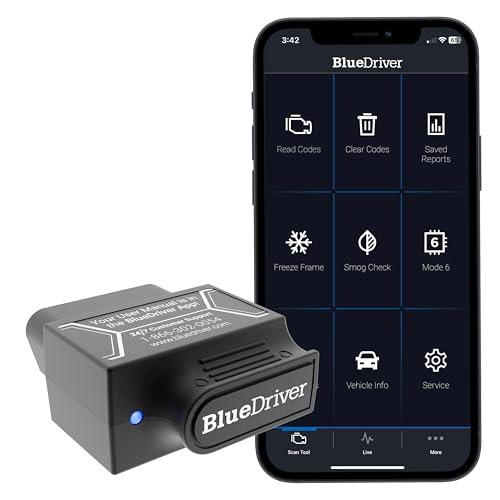
A Bluetooth adapter is a small plug that sends data to an app on your phone. The app shows live readings such as coolant temperature, fuel trim, and speed, and it can log trips for later review. Quality depends on the app as much as the plug, and some apps charge extra to unlock brand specific systems.
This type suits drivers who like graphs and phone based tools. See our guide to the best bluetooth obd2 scanner options if this portable route appeals to you.
Premium Full System Handheld Scanners
Full system handhelds step up to the car maker systems that basic readers cannot reach. They read and clear codes from the anti lock brakes, airbags, transmission, steering, and climate systems, and many handle service jobs such as oil reset and electronic parking brake release. A color screen, a battery inside the unit, and free or low cost software updates are typical at this level.
This is the type most owners who do their own repairs end up buying.
Pro Grade Tablet Scanners
Pro grade tablets add guided tests, component activation, and coding functions that workshops use every day, on a large touch screen with a rugged case. Coverage runs deepest here, including newer models and less common systems. The catch is cost, both for the tool and for the update licence many brands charge each year.
Unless you run a shop or maintain several cars, this tier is more tool than you need. Our guide to the best professional obd2 scanner range explains what that extra money buys.
Premium Full System Scanners vs Bluetooth Adapters: Which Should You Choose?
These two types sit at opposite ends of what most owners consider, so the choice comes down to four points. First, coverage: a full system handheld reaches brakes, airbags, and the gearbox, while most adapter apps stop at the engine unless you pay for add ons. Second, convenience: an adapter lives in the glove box and works anywhere, while a handheld is a larger tool you fetch from the garage.
Third, cost over time: the adapter looks cheaper, but paid app tiers add up, while the handheld costs more once. Fourth, ease: the handheld works the same way every time, with no pairing or phone battery worries. Choose the adapter for quick checks and live data on trips. Choose the full system handheld if you plan to fix things yourself.
How to Choose the Right Scanner
Vehicle Compatibility and Protocols
Check that the scanner lists your car model years before you buy, because system coverage changes as platforms change. All OBD2 tools read the standard engine protocol, but the extra systems use maker specific communication that a tool must support on purpose. A listing that only promises generic OBD2 functions will not reach the airbag or brake modules. If you own more than one car, a tool with wider brand coverage may serve you better than one built for a single brand.
Which Systems the Scanner Can Reach
Think about the jobs you actually expect to do. Reading engine codes covers warning light checks, while brake work needs access to the anti lock brake module and often an electronic parking brake service mode. Battery replacement on many modern cars needs a registration step through the scanner. Match the tool to those jobs rather than to the longest feature list, because unused functions still cost money.
Treat every code as a starting point for diagnosis: a code names a system or a reading that fell out of range, not a part that has certainly failed.
Ease of Use and Setup
Most scanners are plug and play: locate the port under the dash, plug in, and turn the ignition on. Handhelds with their own screen are ready at once, while adapters need app setup and pairing the first time. Clear menus and a code library inside the tool save trips to a search engine mid job. Whatever type you pick, park safely and never run live data screens while driving, because watching readings instead of the road is dangerous.
Warranty and Brand Support
Software updates decide how long a scanner stays useful, since car systems change with each new model year. Check how many years of updates are included and what they cost after that. A stated warranty of at least one year makes returns and setup help far easier. Budget buyers can start smaller and upgrade later; our guide to the best inexpensive obd2 scanner picks shows how far a low price goes.
Build Quality and Storage
A scanner lives in a garage, so a rubber edged case and buttons you can press with gloves on matter. Screen size affects how much live data you can read at a glance. Adapters have no screen to crack but are easy to lose, so a small case helps. Store tools dry and out of a hot car in summer.
Care and Maintenance Tips
Keep the connector pins clean and straight, and plug the tool in gently so the port contacts do not bend. Update the software when the maker offers it, because updates add car coverage and fix reading errors. Store the scanner in its case away from damp and solvents, and check the car owner manual for maker notes about diagnostic sessions.
If readings look wrong or a repair goes beyond your skill, stop and let a qualified technician take over rather than clearing codes and hoping.
FAQs
Does an Audi OBD2 scanner need professional installation?
No, a scanner needs no installation at all. You plug it into the OBD2 port, usually under the dashboard on the driver side, turn the ignition on, and follow the menu. Bluetooth adapters need a one time pairing with your phone app.
Nothing gets wired in, and removing the tool leaves the car exactly as it was. If a deeper repair follows from what the scanner finds, that repair is the part to hand to a professional.
What specs matter most in an Audi OBD2 scanner?
System coverage matters most: confirm the tool reaches the brake, airbag, and transmission systems on your model years, not just the engine. Next comes update policy, because coverage goes stale without fresh software.
Screen size, live data graphing, and a built in code library help in daily use. Speed also counts on older cars, since slow tools make long system scans tedious. Price should come last, because a cheap tool that cannot read the system you need is not a saving.
Will an OBD2 scanner work on every Audi model?
Not always, so check the maker coverage list for your exact model and year before buying. The standard engine functions work on any OBD2 car, but the maker specific systems vary by platform and year, and very new models may need an update before full coverage appears. Cars from before the OBD2 standard use a different port and will not connect at all. When a listing says it fits all models, read the fine print for the systems it actually supports.
How long does an OBD2 scanner last?
The hardware often lasts many years, because there are no moving parts to wear out. What ages is the software: without updates, a scanner slowly loses coverage of newer cars and can misread some systems.
Tools with several years of included updates stay current longest. Batteries inside handheld units lose capacity over time, though most also run from the car port while plugged in. Stored dry and updated now and then, a good scanner can serve through several cars.
Can an OBD2 scanner fix the problem it finds?
No, a scanner only reports what the car systems have recorded and shows live readings. It can clear a code after you complete a repair, and some higher types can run service functions such as parking brake release or battery registration. The diagnosis and the repair still come from you or from a technician. Treat readings as estimates and clues, not verdicts, and confirm a suspected failed part by checking it before buying a replacement.
Wrapping Up
Pick the type by the systems you need to reach, check model year coverage, and look at the update policy before the price. For most owners who do their own work, a full system handheld is the best audi obd2 scanner balance of reach and cost. Compare the types in the product table above, and if a fault points to brakes, steering, or airbags, let a qualified technician handle the repair.