
Best ATV Cameras in 2026: A Trail Ready Buying Guide
Disclosure: We may earn a commission when you buy through links on this page, at no extra cost to you. As an Amazon Associate I earn from qualifying purchases. Learn more

Compare ATV cameras for trail riding by video quality, stabilization, mounts, sealing and battery life, with a clear checklist and care tips.
An ATV camera must keep recording clear video while your machine shakes over ruts, splashes through mud and climbs in bright sun or deep shade. The best atv cameras balance sharp video, steady footage, strong sealing and mounts that stay put, and this guide turns those points into a checklist to use beside the product table below.
Start with where the camera will sit. A helmet view shows where you look, while a handlebar view shows the trail and the front of the machine. Your mount choice shapes the battery, view and controls you need, so settle it before price.



Who Should Buy an ATV Camera?
Match your group below first, because a rider who records whole days needs more battery and storage than one who saves short clips.
Trail Riders Who Record Full Rides to Review Later
You ride for hours and want the whole route, not just the highlights. Choose swappable batteries, generous card support and loop recording you can turn off for planned rides. A front screen helps you frame the shot at the trailhead, and a clear battery gauge matters because a dead camera records nothing of the ride home.
Riders Who Share Short Clips With Family and Friends
You care most about clips that look good straight from the camera and move to your phone without fuss. Choose strong stabilization, a simple app and a screen that responds quickly at stops. If you also shoot still photos off the machine, see our guide to the best cameras for photography for still first cameras.
Farm, Ranch and Property Riders Who Need a Record of the Route
You use your ATV for work and want video that shows fence lines, gates, ruts and damage after a storm. Choose a wide view, a time and date stamp you can switch on, and a mount that keeps the lens level on slow, uneven ground. Steady footage matters more to you than dramatic angles.
Key Features to Compare
Work through these six factors in order. The first three decide how your footage looks, and the last three decide how the camera lives on a real ride.
Video Resolution and Frame Rate for Fast Moving Trails
Resolution sets how much trail detail the camera keeps, and frame rate sets how smooth motion looks. Video at 4K keeps signs, rocks and distant riders clear when you pause or crop a clip, while 1080p uses less storage and battery. A rate of 60 frames per second suits fast trails, and higher rates let you slow down a jump or splash without choppy motion. Choose 4K at 60 as your main setting if battery allows.
Stabilization That Holds Up Over Ruts and Rocks
Stabilization smooths the constant shake that comes through the bars and the frame. Electronic stabilization crops the image a little and steadies it in the camera, which suits most riders because there is nothing extra to carry or charge. It works best when the mount is firm, since software cannot rescue a camera that swings on a loose arm. A helmet mount often looks smoother because your body absorbs some shock.
Waterproof Build and Sealing Against Dust and Mud
Sealing decides whether a creek crossing or a dusty convoy ends your recording. Many action cameras are waterproof to about 33 feet without a case, which covers rain, puddles and shallow crossings. Look for tight port doors, a lens cover you can replace and no loose panels that grit can enter. A separate waterproof case adds protection for deep water, but it can muffle sound, so use one only when your riding needs it.
Mounts and Field of View for Helmets and Handlebars
The mount holds the camera at the angle you chose, and the field of view decides how much of the trail appears in frame. A wide view of about 120 to 155 degrees shows the bars, the front tires and the trail ahead, which gives viewers a strong sense of speed. Narrower views suit following a rider ahead because that rider appears larger. Check for common adhesive and clamp mounts, and always add a safety tether.
Battery Life, Storage and Loop Recording
A single battery often records about 60 to 120 minutes, and cold weather, high resolution and a bright screen all shorten that time. Carry a spare battery for a half day ride and swap at planned stops, never while moving. Cards of 128 to 256 gigabytes suit 4K recording for most riders. Loop recording writes over the oldest clips when the card fills, which suits work riders, but it can erase a great clip you forgot to save.
Controls You Can Use With Gloves, Plus Clear Audio
Trail controls must work when your hands are cold, wet or gloved, and this is one place where the best atv cameras feel different from ordinary small cameras. A large record button you can find by touch, a beep you can hear at idle and voice commands all reduce time spent looking at the camera. Wind noise grows fast with speed, so a foam wind cover helps voices at camp and engine sound on climbs.
ATV Camera Types and Where Each One Fits Best
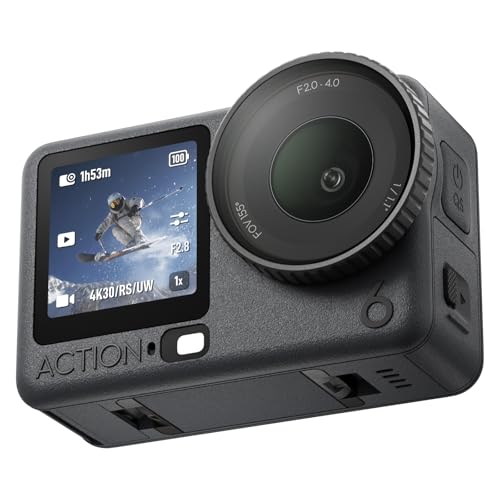
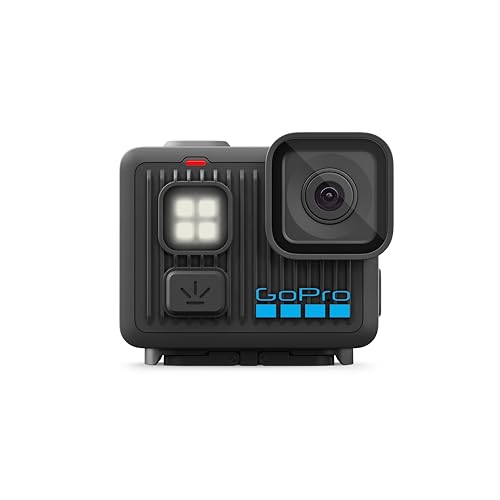
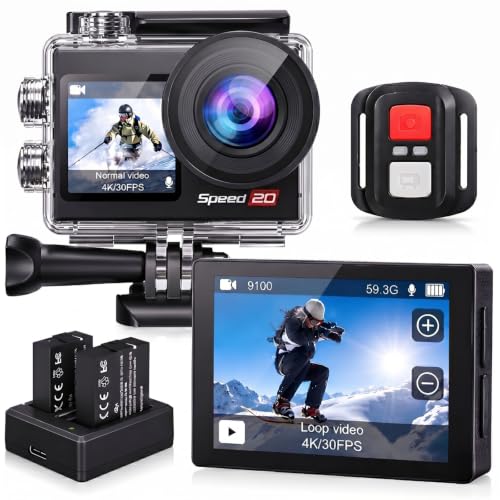
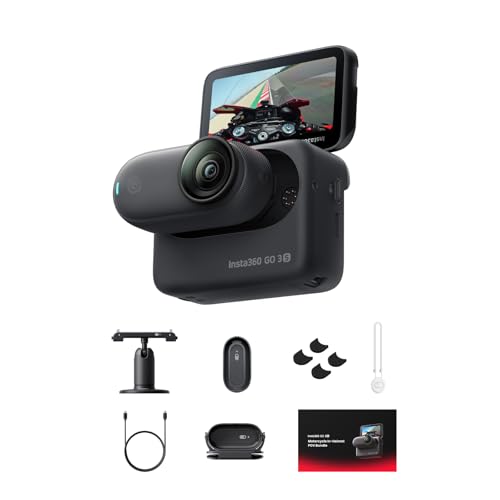
Most ATV cameras are compact cube or brick shaped models that mount almost anywhere and shrug off weather. Models with screens on both sides help you check framing from in front of the lens. A full 360 degree camera records every direction at once and lets you choose the view later, but its files are larger and editing takes longer. If simple controls matter most, see our guide to the best starter cameras for easy menus.
Lens placement matters as much as type. A helmet top mount gives a high view over dust, but branches can strike it on wooded trails. A chest mount feels stable and shows your arms and bars, though it can point down when you stand. A handlebar mount is easy to reach, yet it passes the most vibration to the camera. Set the angle and check the tether while parked, then leave the camera alone. For build checks, see our guide to the best quality cameras.
Trail Camera Checklist: Resolution, Sealing and Stabilization
Answer each question before you order. A no answer points you to the feature to check again in the product table above.
- Can the camera record 4K video at 60 frames per second?
- Is the body waterproof without a case for rain and crossings?
- Does stabilization stay smooth in clips on rough ground?
- Will mounts fit your helmet, chest strap or handlebar?
- Can you swap batteries quickly with gloves on?
- Does the camera accept a card large enough for long rides?
- Can you start recording by touch while parked?
Common Mistakes to Avoid
Most poor footage and lost cameras come from a short list of avoidable errors.
- Mounting on a loose or flexing panel makes footage bounce and can shake the mount free.
- Recording all day at the highest settings drains batteries and fills cards before the best trail section.
- Skipping the safety tether means one cracked mount drops the camera into mud or under a tire.
- Leaving a port door unlatched after charging lets water and grit reach the contacts.
- Adjusting settings while moving takes your eyes and one hand away from the trail.
- Keeping clips on one card with no backup means one fault can erase the whole trip.
How to Make Your ATV Camera Last Longer
Clean the lens with a soft lens cloth after each ride, never with your shirt, because grit held in fabric can scratch the lens cover. Rinse dried mud from the body with plain water while the doors stay closed, then dry the camera fully before you open a door. Wipe seal edges clean so no sand stays trapped where a door closes.
Store the camera in a dry padded bag with a spare battery, a spare card and your usual mounts. Charge batteries the day before a ride rather than leaving them full for months, and keep them out of a hot cab. Check adhesive pads and tether cords every few rides and replace any pad that lifts at an edge.
ATV Cameras for Trail Riders: Your Questions Answered
Can a smartphone replace an ATV camera on rough trails?
For a short, smooth ride, a smartphone can stand in, but it is a risky main camera on rough trails. Phones are larger, harder to mount firmly and costly to drop, and their stabilization is tuned for walking, not machine vibration. Record the ride on a mounted camera and use your phone only at stops, kept in a zipped pocket.
What specs matter most for a first ATV camera?
Stabilization, sealing and a firm mount matter most for a first ATV camera. Those three decide whether your first clips are watchable at all, while very high resolution only helps once the footage is steady. Pick a model with a simple phone app, because an easy transfer habit means you will actually review rides and spot better trail lines.
How much should a rider spend on a first ATV camera?
Most riders should plan on about $150 to $350 for a first ATV camera, plus mounts and a spare battery. Models under $100 can suit gentle trails, but their stabilization and sealing are often weaker. Set aside about $30 to $60 for mounts, cards and a case, because those items decide how much you enjoy the camera.
Which ATV camera settings work best in low light on wooded trails?
Lower frame rates and a capped top sensitivity give the cleanest ATV camera footage in low light on wooded trails. A rate of 30 frames per second lets each frame gather more light than 60, and locking the sensitivity ceiling stops the image turning grainy under a dark canopy. Clean the lens before shade, because dust softens the picture when low sun hits it.
Wrapping Up
Put stabilization, sealing and mounting first, then choose resolution, battery and controls to fit your rides. A camera that stays put, stays dry and starts with one press will bring home better footage than one with more modes and a weaker mount. Compare your short list against the product table above.
When you judge best atv cameras by how they perform on mud, dust and rough ground rather than by spec lists, the right choice becomes easier to spot.


