
Best Attic Fans With Humidistat and Thermostat 2026 Buying Guide
Disclosure: We may earn a commission when you buy through links on this page, at no extra cost to you. As an Amazon Associate I earn from qualifying purchases. Learn more

Attic fans with humidistat and thermostat controls clear both heat and damp air. Compare airflow, mounting, and noise before you buy.
The best attic fans with humidistat and thermostat turn on for two reasons: the attic is hot or the air in it is damp. That pairing matters because summer heat is only half of the problem. Humid air trapped under a roof feeds mold, rusts fasteners, and dampens insulation, and a fan that watches only temperature will miss it.
The product table below lists attic fans that combine both controls. This guide explains how each control works, which mounting style suits your roof, and what to check before you order.
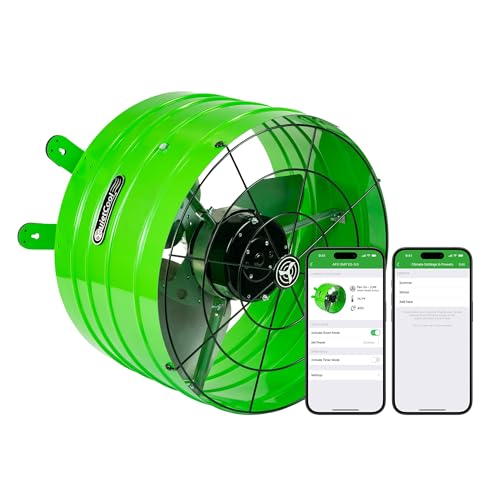


Who Should Buy an Attic Fan With Humidistat and Thermostat
These fans suit homes in humid or mixed climates, attics that smell musty after rain, and houses where bathroom or dryer vents once leaked moisture into the roof space. They also suit owners who dislike adjusting a switch by hand and want the fan to run only when conditions call for it.
A basic thermostat-only fan is enough in a dry, hot region with a well sealed ceiling. If your attic is sealed and insulated at the roofline as part of the conditioned space, a vented attic fan is the wrong tool, so ask an insulation or roofing professional first.
How the Two Controls Work
The thermostat starts the fan when attic air passes a set temperature and stops it when the air cools. The humidistat starts the fan when relative humidity passes a set level, so the fan can run on a cool, damp morning when a thermostat alone would stay off.
Most units let you set both points. A common approach is to set the temperature control high enough to avoid running in mild weather, and the humidity control at a level that clears damp air without running all night. Check that the dials are easy to reach, because you will adjust them with the seasons.
Key Features to Compare
- Airflow in CFM that fits your attic floor area and roof pitch.
- Both a thermostat and a humidistat, not a separate add-on you must buy and wire yourself.
- Motor type: efficient ECM motors cost less to run and are quieter than older designs.
- Smart app control, if you want to see attic readings and change settings from a phone.
- Power cord length and plug-and-play wiring, which save electrician time.
- Weather resistant housing and a mounting kit that suits your vent.
Noise deserves attention because attic fans can hum through the ceiling into bedrooms. A multi-speed motor lets you run quietly most of the time and use full speed only on the hottest afternoons.
Roof Mount vs. Gable Mount
Roof mounted fans sit over a hole cut in the roof deck. They move air straight out, which suits large attics without gable vents. They need careful flashing, so many owners hire a roofer.
Gable mounted fans sit behind an existing gable vent and are easier to install and service. Their airflow depends on the vent opening and on how the attic is laid out, and they work best when the gable is on the side that gets steady air movement.
Either type needs enough intake area at the soffits. A strong fan with blocked intakes pulls air from living spaces instead, which wastes energy and can backdraft gas appliances.
Sizing and Intake Air
As a rough rule, attic fans are sized by attic floor area and roof pitch, and manufacturers publish coverage guides for their models. Choose a unit rated a little above your area rather than far above it, because oversized fans run hard and need even more intake air.
Count your intake vents before shopping. Soffit and eave vents should offer roughly as much open area as the fan needs for its rated airflow. If they do not, add intake area first or choose a smaller fan.
Humidity Control in Different Seasons
In summer the thermostat does most of the work, and the humidistat steps in after storms or on muggy nights. In winter the picture changes: a fan that pulls cold outdoor air into a warm attic can create condensation, so many owners raise the humidity setting or switch the unit off in the coldest months if the maker allows it.
If you only want to find the right temperature, see best temperature to set attic fan thermostat. For a model with a thermostat only, compare the best attic fan with thermostat, and for a wall control that manages humidity indoors, read about the best humidistat thermostat.
Setting It Up and Keeping It Working
Turn off power at the breaker before any wiring, and follow the manufacturer's instructions for mounting and grounding. After installation, watch the attic on a hot afternoon and on a damp morning to confirm the fan starts when it should.
- Clear dust, nests, and debris from the blades and screens each season.
- Check roof flashing and gable seals after heavy storms.
- Raise the humidity setting slightly if the fan runs too often in winter.
- Keep stored boxes away from soffit vents so intake air can flow.
Mistakes to Avoid
The biggest mistake is adding a powerful fan without enough intake vents. The second is setting the thermostat very low, so the fan runs all day and wears out early. A third is ignoring the source of moisture: a fan helps clear damp air, but a leaking bathroom duct or roof still needs repair.
Also avoid buying a fan with a thermostat only and planning to add a humidistat later. Separate controllers add wiring and failure points, and the combined units are built to work together.
Frequently Asked Questions
Does an attic fan really need a humidistat?
It helps in humid or cold climates. Damp air can sit in an attic even when it is not hot, and a humidistat lets the fan clear it. In a dry, hot region, a thermostat alone is often enough.
What humidity level should I set?
Many owners start in the middle of the dial range and adjust after watching the fan for a week. Lower settings run the fan more often. If the fan runs constantly in winter, raise the setting a little.
Will an attic fan lower my cooling bill?
It can reduce attic heat in a hot climate with good intake vents, but results depend on insulation, roof color, and fan settings. Treat the fan as one part of attic care, not a cure-all.
Can I install one myself?
Gable models with a plug-in cord suit many confident DIY owners. Roof mounted models involve flashing and roof work, so many people hire a professional. Always switch off power first and use fall protection on a roof.
Is it normal for the fan to run at night?
Yes, if the humidity control is triggering it. Damp night air is exactly what the humidistat is meant to clear. If it runs all night every night, raise the humidity setting or look for a moisture source in the attic.
How do I know the fan is working properly?
The attic should feel noticeably less stuffy on hot afternoons, and the musty smell should fade after damp weather. If the fan never runs, recheck the dial settings and the power connection.
Final Thoughts
The best attic fans with humidistat and thermostat match your attic size, have enough intake air, and let you set both temperature and humidity limits. Check the product table above, confirm your roof type and vents, and ask a professional if you see standing moisture or mold in the attic.


