
Best Atomic Alarm Clocks 2026: Self Setting Clock Guide
Disclosure: We may earn a commission when you buy through links on this page, at no extra cost to you. As an Amazon Associate I earn from qualifying purchases. Learn more

Best atomic alarm clocks set the time automatically from a radio signal: compare projection, analog and travel models by display, backup power and features.
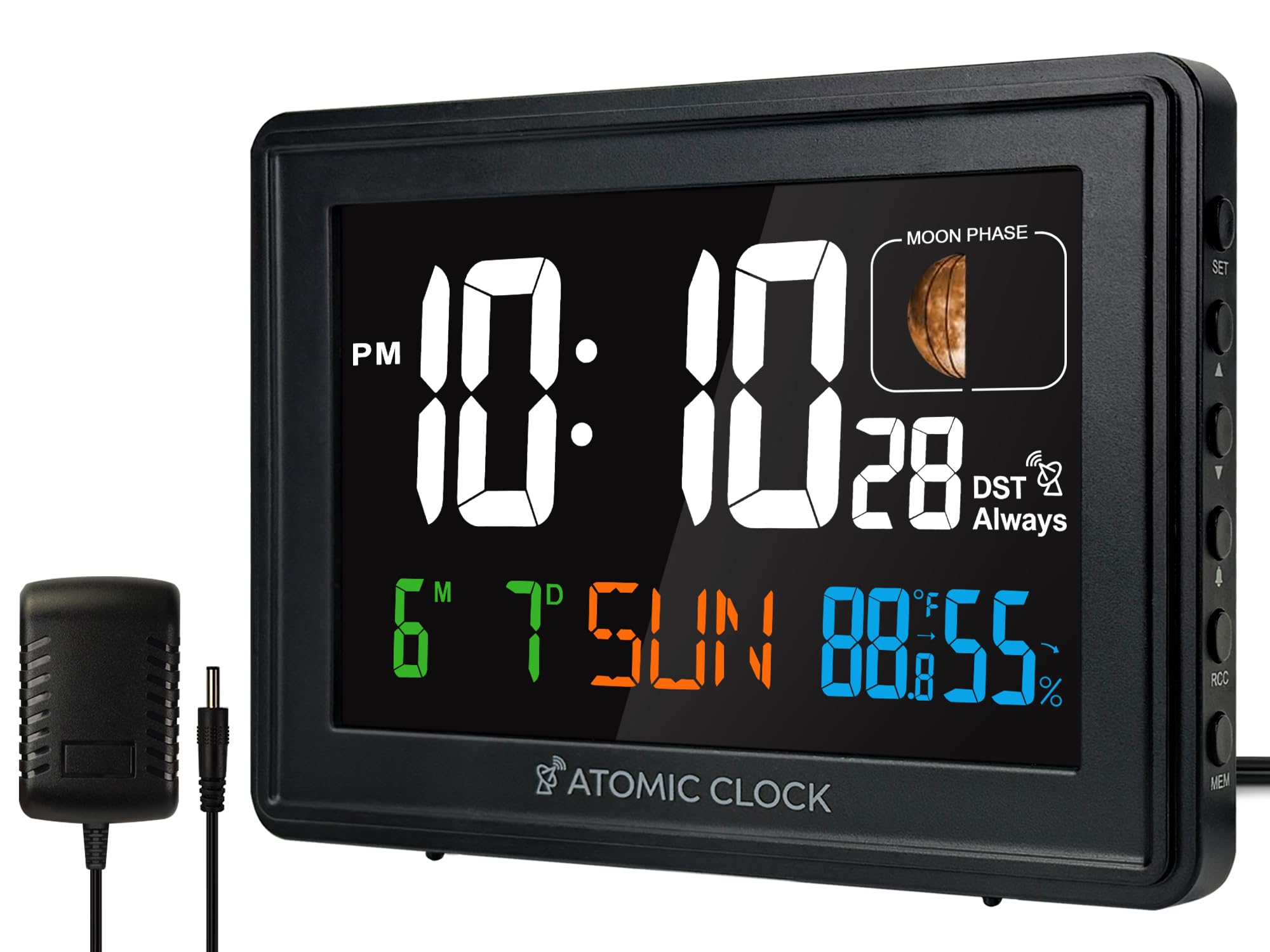
An atomic alarm clock receives a radio time signal sent from an atomic clock in Colorado, then sets itself and adjusts for daylight saving. The best atomic alarm clocks keep accurate time without any manual setting, which suits a bedside, a travel bag or a classroom.
The product table lists atomic digital, analog, projection and travel models. The sections below explain how they work and what to compare.




Who Should Buy the Best Atomic Alarm Clocks
Bedside digital clocks
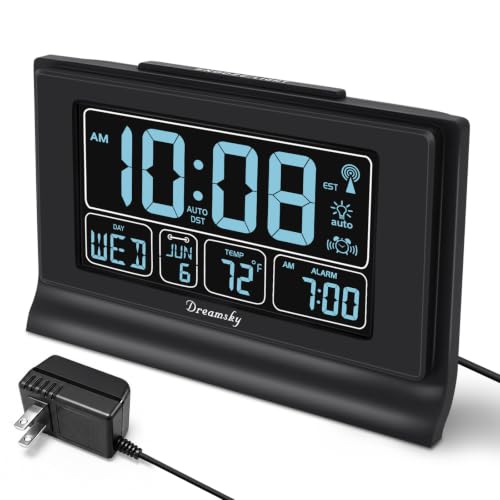
Digital models with a dimmer, battery backup and temperature display, such as DreamSky and ComfyTune, suit bedrooms. Choose a dimmable display if you are sensitive to light.
Projection clocks
La Crosse projection clocks beam the time onto a wall or ceiling, so you can read it without lifting your head.
Analog clocks
The La Crosse 4 inch analog alarm clock keeps its hands synced to the radio signal and appeals to those who prefer a traditional face.
Travel clocks
The Geevon travel model is compact and battery powered. Atomic clocks need to receive the signal, so reception can vary when you travel outside the United States.
Key Features to Compare
- Radio signal setting (WWVB) and manual override
- Battery backup during power cuts
- Display brightness and dimmer
- Alarm volume and snooze options
- Extra functions: temperature, date, USB charging
Living With Your Choice
Place the clock away from large metal objects, windows with metal frames and electronics that cause interference, since they can weaken the radio signal. Most atomic clocks synchronize at night, when reception is best, so let it sit for a day after you set it up. Replace backup batteries once a year.
Mistakes to Avoid
- Expecting the clock to sync outside of the signal range.
- Placing it next to a computer, TV or router.
- Ignoring a backup battery requirement.
- Choosing a bright display for a dark bedroom.
A Final Check Before You Order
Confirm the signal region, the power type and the return window. Check that the alarm sound is one you can wake to.
Typical Specs of Atomic Alarm Clocks
Most atomic alarm clocks receive the WWVB signal at 60 kHz and sync once a day, often at night. Display sizes run from 1.0 to 2.3 inches for digital models, with LED or LCD displays and dimmers with 3 to 5 levels. Power comes from AC adapters with battery backup, or from two to three AA or AAA batteries, which last six months to a year.
Alarm sounds include buzzers, rising tones and radio. Prices run from about 18 dollars for travel clocks to 60 dollars for models with FM radio.
Display types
LED displays are bright and visible from across the room. LCD displays use less power and are easier on the eyes at night with a backlight. Projection clocks cast the time on the wall, and some include an adjustable focus.
Extras worth having
Indoor temperature and humidity readouts, a calendar and a USB charging port add convenience. Dual alarms help couples with different wake times. A snooze that runs for nine minutes suits most users. A battery backup stops resets during outages.
Where to Place the Clock
Put the clock on a bedside table or shelf away from large metal objects, TVs and routers. The signal comes from Fort Collins, Colorado, so a window facing west can help in some homes. Rooms with metal studs or stucco walls can weaken reception, so a spot near a window may help.
Using Atomic Clocks Outside the United States
WWVB covers the continental United States and parts of Canada and Mexico. Other regions have separate signals, such as DCF77 in Germany, MSF in the United Kingdom and JJY in Japan. A clock set for WWVB will not sync elsewhere, though it will continue to run as a quartz clock. For travel, choose a clock that supports manual setting.
Buying Tips
- Check that the model lists WWVB or radio controlled sync in its details.
- Choose a display brightness that suits a dark bedroom.
- Confirm the alarm is loud enough, with adjustable volume.
- Look for a manual time setting as backup.
- Buy from a seller that accepts returns, in case sync does not work in your home.
Care and Maintenance
Dust the clock with a dry cloth, replace backup batteries once a year and avoid placing it near heaters or in direct sunlight. If the display fades, check the adapter and batteries.
Matching a Clock to Your Room
For a dark bedroom, choose a dimmable display or a projection clock with an off setting. For a child's room, pick a simple clock with a gentle alarm. For a kitchen or office, choose an analog wall style clock. For travel, choose a compact battery model with a fold down cover.
Warranty and Returns
Most clock makers offer a one year limited warranty. Check the return window so you can confirm that the clock syncs in your home.
Comparing Options in More Detail
Compare your shortlist with best alarm clock, best bedside alarm clocks, best simple alarm clocks and best sunrise alarm clock.
Frequently Asked Questions
What does atomic mean?
The clock syncs to a radio signal from an atomic clock, so it keeps accurate time.
Does it need Wi Fi?
No. It uses a radio signal. Some models also have Wi Fi.
Why is my clock not syncing?
Move it away from metal objects and electronics, and give it a night to receive the signal.
Does it adjust for daylight saving?
Yes, atomic clocks usually adjust automatically.
How long does the first sync take?
It can take a few minutes to a day, since most clocks try at night when reception is best.
Can I turn off the sync?
Many clocks let you disable it. You can then set the time by hand.
Do atomic clocks run on batteries only?
Some do. Others use an AC adapter with battery backup. Battery only clocks suit travel and nightstands without outlets.
Are atomic clocks more accurate than regular clocks?
Yes. Once synced, they match the national time standard, while regular quartz clocks can drift by seconds each month.
Final Thoughts
Choose the display, backup and features that fit your routine. Compare the product table, and the best atomic alarm clocks will keep you on time without manual setting.


