
Best Atmos Surround Speakers 2026: Rear and Side Channel Guide
Disclosure: We may earn a commission when you buy through links on this page, at no extra cost to you. As an Amazon Associate I earn from qualifying purchases. Learn more

Best atmos surround speakers for side and rear channels: bookshelf, upward firing and slim wall options from Polk, Klipsch, Sony and ELAC.
Surround speakers place sound to the sides and behind you, and in Dolby Atmos they also help move effects overhead. The best atmos surround speakers match the rest of your system in tone and handle both ambient detail and strong effects.
The product table lists compact surround speakers from Polk, Klipsch, Sony and ELAC. The sections below explain how to choose.

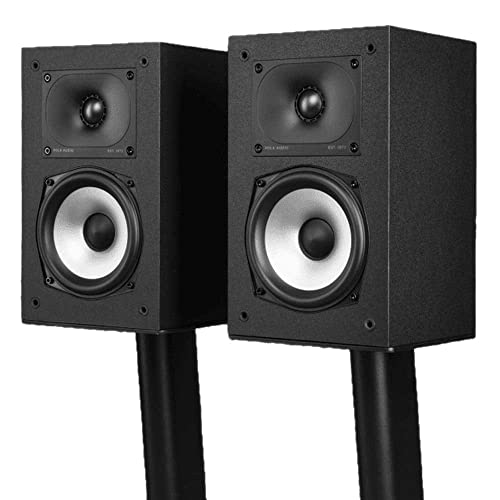

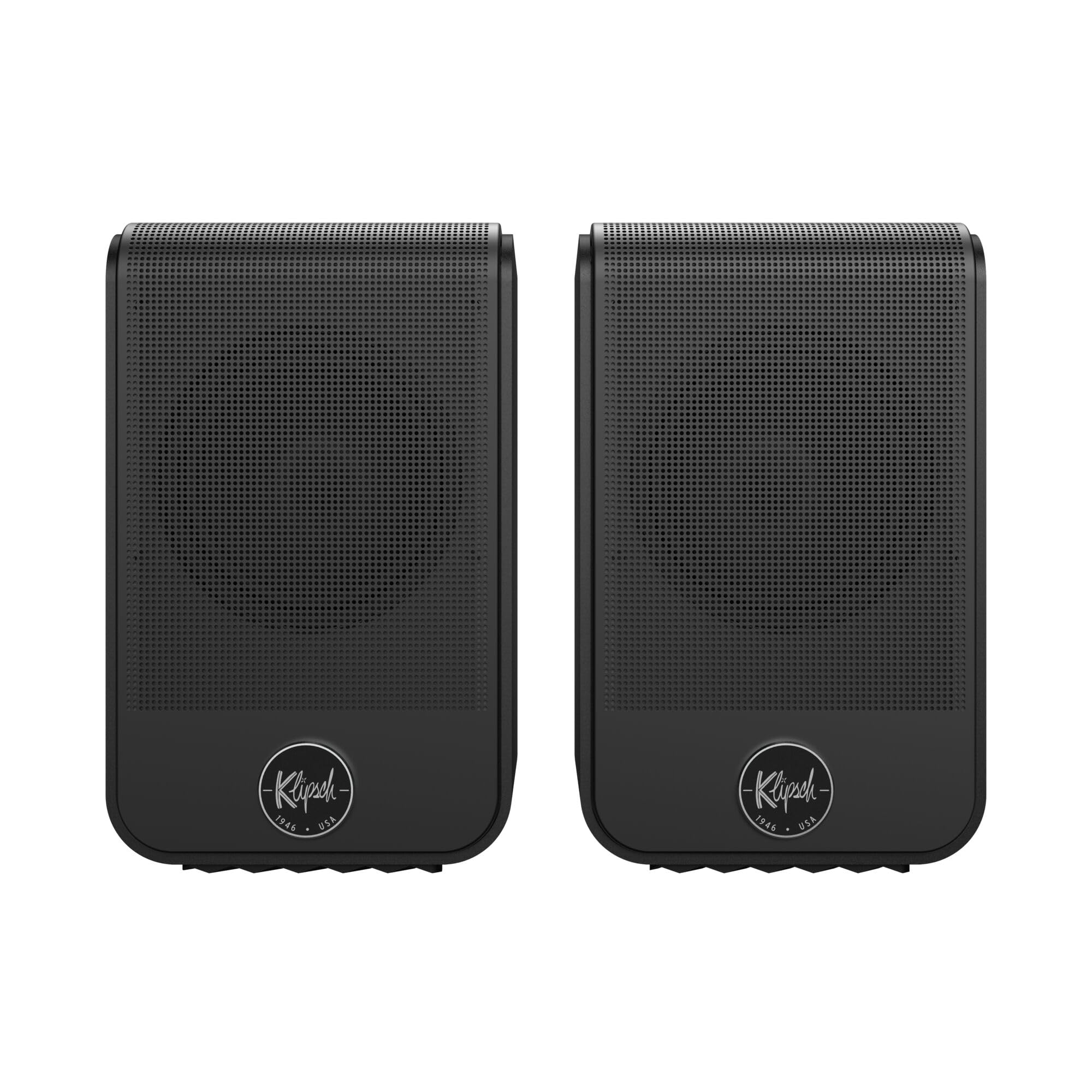


Who Should Buy the Best Atmos Surround Speakers?
If you are building a new 5.1.2 or 7.1.2 system, buy surrounds from the same brand as your fronts for matched tone. If you are upgrading, you can add height with enabled surrounds that include an upward firing driver, like the Klipsch RP-500SA.
Key Features to Compare
- Size and mounting: bookshelf, wall mount or stand
- Dipole or direct radiating design
- Upward firing driver or compatible with Atmos height
- Power handling and sensitivity
- Finish to blend with your room
Common Mistakes to Avoid When Buying Atmos Surround Speakers
- Choosing surrounds that sound different from the fronts.
- Placing them directly behind the seating instead of slightly to the side.
- Ignoring wall mounting hardware.
- Skipping the receiver calibration step.
Tips to Get the Most From Your Atmos Surround Speaker
Place surrounds at or slightly above ear level, aimed at the seats. For 7.1 layouts, put side surrounds beside the seats and rear surrounds behind. Run the receiver's setup microphone and check the distance and level settings. Wall mount the surrounds if floor space is limited.
Typical Specs and Prices
Surround speakers for Atmos setups are bookshelf sized, 10 to 16 inches tall, with 4 to 6.5 inch woofers. Sensitivity runs from 85 to 90 dB, impedance 4 to 8 ohms and recommended power 20 to 150 watts. The Polk Monitor XT15 costs about 179 dollars a pair, the XT20 about 278, the Signature Elite ES10 about 249, the Klipsch RP-500SA about 299 and the Klipsch Flexus SURR 100 about 192.
Wall mount or stand
Wall mounts keep speakers out of the way and let you pick an exact height. Floor stands allow repositioning. Check the weight rating and ensure studs or anchors can hold the speaker.
Layout choices
A 5.1 system has two surrounds beside or slightly behind the seats. A 7.1 system adds two rear surrounds. Atmos layouts add two or four height speakers on top of these. Place side surrounds at 90 to 110 degrees from the center line, and rear surrounds at 135 to 150 degrees.
Calibration
Run your receiver's setup routine, and confirm the distance, level and crossover for each surround speaker. A crossover of 80 Hz works for most compact speakers.
Matching Surrounds to Fronts
Surround speakers should share the tweeter and general voice of the front speakers, which keeps sound steady when effects pan around the room. If budget is tight, spend more on the front three speakers and less on the surrounds, but keep the brand family the same when you can.
Dipole Versus Direct Radiating
Dipole surrounds radiate sound to both sides, which creates a diffuse effect that suits movies in dedicated rooms. Direct radiating speakers point at the listener and work well for Atmos, since objects need to be located precisely. Most modern Atmos setups use direct radiating speakers for the surrounds. Bipole designs fall in between.
Troubleshooting
- Surrounds sound dull: aim them slightly toward the seats, and check the polarity of the wires.
- Surrounds too loud: lower the level in calibration.
- No sound: check wiring and the speaker configuration in the receiver.
- Uneven blend with fronts: try the same brand or adjust the crossover.
Mounting and Wiring
Use stud finders for wall mounts and plan cable runs behind baseboards or carpet. In-wall conduit rated for in wall use is safer. Leave a little slack at the speakers for adjustment.
Questions to Ask Before You Buy
- Will the surrounds match the front speakers?
- Where will they sit: shelves, stands or walls?
- How far are the seats from the side and rear walls?
- Does my receiver have enough channels for 7.1 or Atmos heights?
- Do I prefer a bookshelf or a slim design?
Budget Planning
| Item | Typical cost | Notes |
|---|---|---|
| Two surrounds | 180 to 300 dollars | Bookshelf style |
| Four surrounds for 7.1 | 360 to 600 dollars | Two pairs |
| Wall mounts | 20 to 60 dollars | Check weight ratings |
Care and Maintenance
Dust speakers with a soft brush or dry cloth, check mounting hardware and wire connections each year and keep grilles clean. Recalibrate after moving furniture. Follow the manufacturer's instructions.
Matching Surrounds to Your Receiver
Check that the receiver has enough amplifier channels for your layout: five for 5.1, seven for 7.1 and nine for 7.1.2. Use 16 gauge wire for runs under fifty feet. Set the surrounds to small with an 80 Hz crossover for compact speakers, and let the subwoofer handle lower bass. Re-run calibration if you change speaker positions.
Wireless Surround Options
Wireless surround kits send audio to rear speakers without long cable runs, but they still need power at each speaker. Some receivers and soundbars support wireless rear kits from the same brand. Check the compatibility list before you buy.
Related Guides
Read best surround speakers, best surround back speakers, best wireless surround speakers and best atmos speakers.
Atmos Surround Speakers: Your Questions Answered
Can I use regular speakers as surrounds?
Yes, if they are tonally similar to your fronts. Atmos adds height channels separately.
Do I need dipole speakers?
Not required. Many Atmos setups use direct radiating speakers.
How far should surrounds be from the seats?
Place them within a few feet of ear level and slightly to the side.
Do surrounds need a subwoofer?
The subwoofer handles bass, while surrounds cover midrange and treble.
Can I use bookshelf speakers as surrounds?
Yes, and many people do. Choose speakers with a similar tone to the fronts.
Do surrounds have to be the same size as the fronts?
No. Surrounds can be smaller, but matching the tweeter improves the blend.
Final Thoughts
Match tone to your fronts and place the speakers carefully. Compare the product table, and the best atmos surround speakers will give you a convincing wrap around soundstage.


