Best Atmos Speakers Ceiling at Every Price: What Your Money Really Gets You for 2026
Disclosure: We may earn a commission when you buy through links on this page, at no extra cost to you. As an Amazon Associate I earn from qualifying purchases. Learn more

Compare the best atmos speakers ceiling by price with this guide to driver size, aim, cutout fit, and what each budget tier really delivers.
In ceiling speakers are the most convincing way to add Atmos height sound, because the effects genuinely come from above. They are also the most permanent choice in this category, since each speaker needs a hole in your ceiling and a wire run to reach it. The best atmos speakers ceiling buyers choose well are matched to joist spacing, ceiling material, and budget tier before anyone picks up a saw. This guide explains what each price level really delivers, which features matter overhead, and what the full job costs beyond the speakers. Begin with the comparison table below.
Measure first and buy second. A speaker that does not fit between your joists or clear a duct is not a bargain at any price.


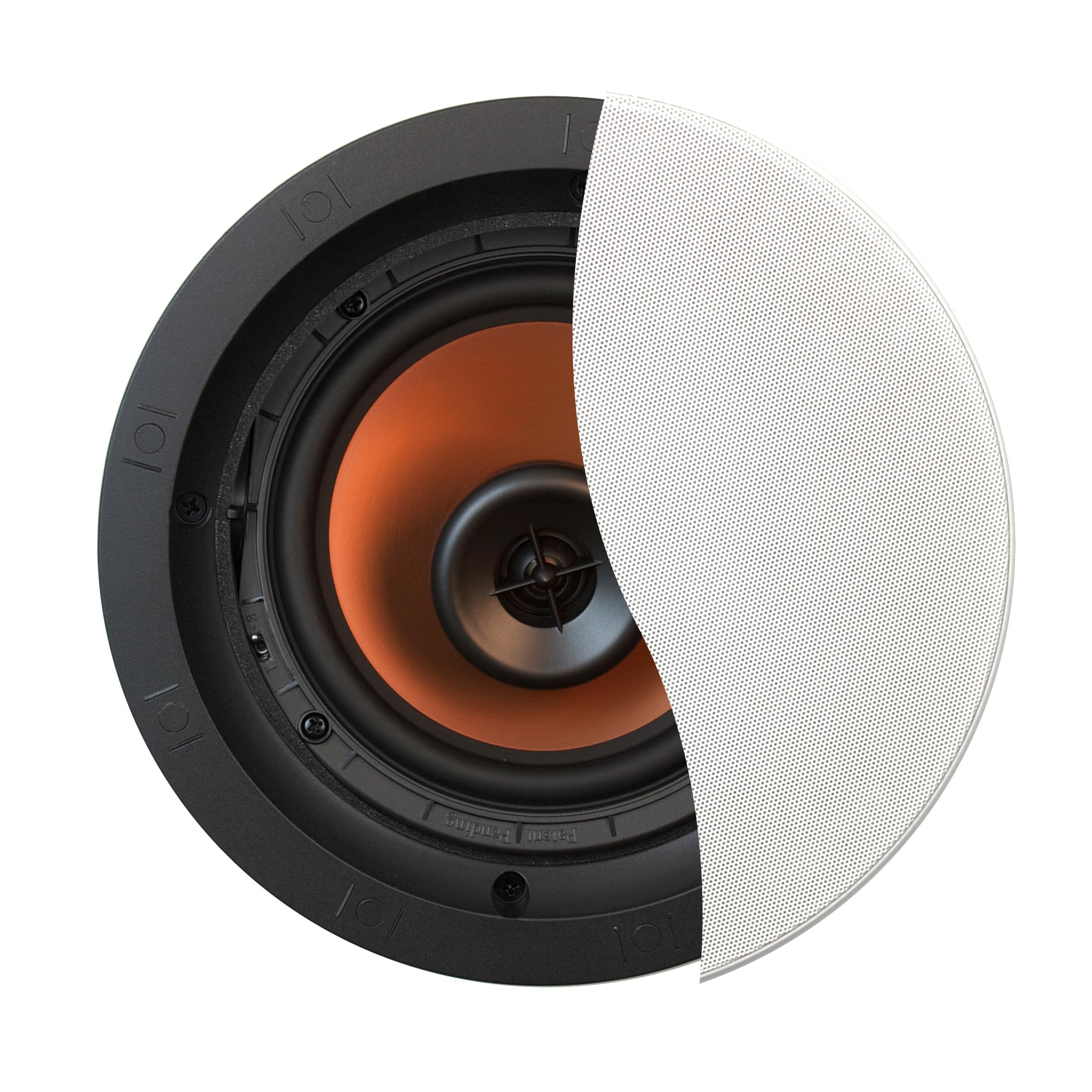


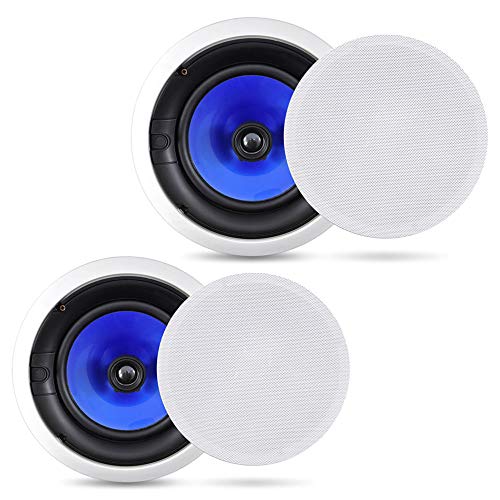

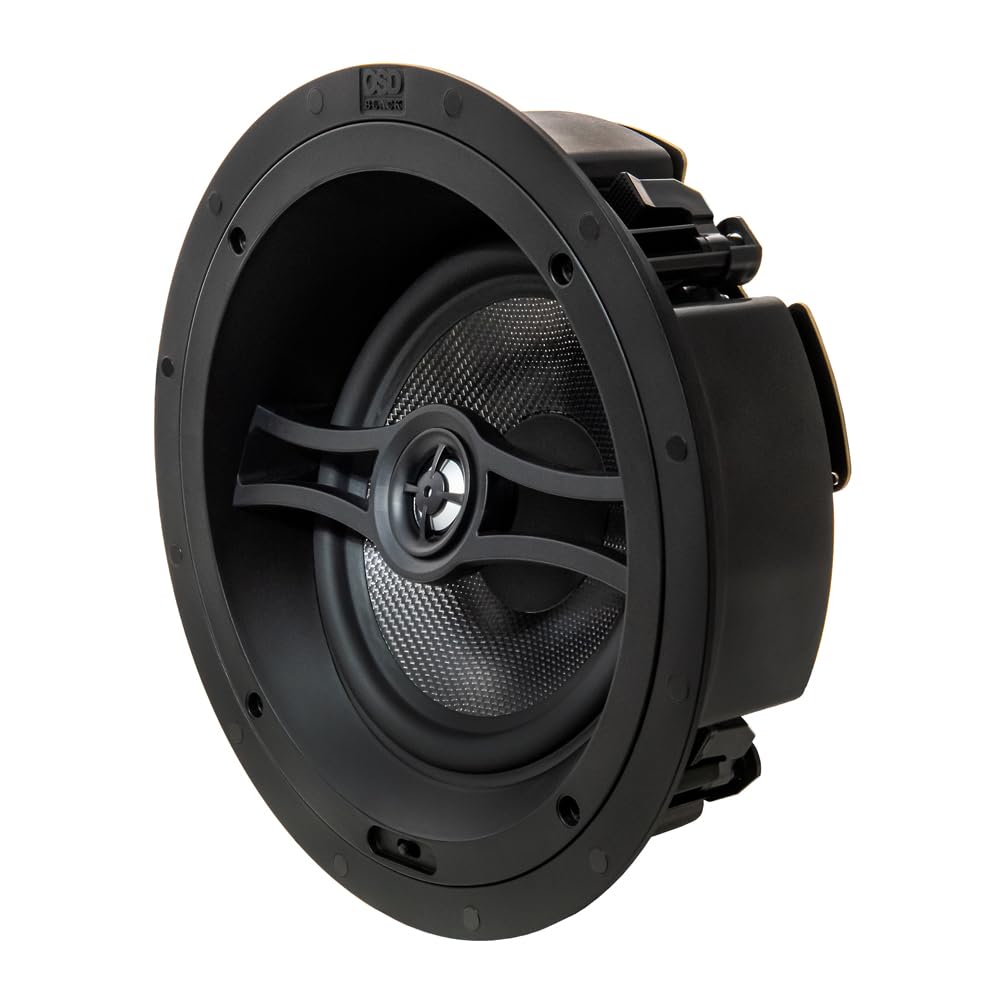
Best Atmos Ceiling Speakers by Budget
Best Budget Profile
The budget profile suits a first Atmos build in a standard room: a pair of 6 inch in ceiling speakers with fixed drivers and basic magnetic grilles, around $80 to $150 per pair. Output and bass are modest, which is fine because height channels carry effects and your subwoofer handles lows. You give up aim adjustment, so placement accuracy matters more. Two pairs for a 5.1.4 layout still cost less than one premium pair, which makes this tier the value route to four height channels.
Best Midrange Profile
The midrange profile, around $180 to $350 per pair, adds the feature that matters most overhead: an aimable tweeter or an angled driver that points sound toward your seat instead of straight down. Frames get sturdier, dogleg clamps grip more evenly, and paintable grilles blend into the ceiling. This tier suits most dedicated rooms and living rooms alike. If your budget allows only one upgrade from the budget tier, spend it here, on aim, rather than on a larger driver.
Best Premium Profile
The premium profile, around $400 to $800 per pair and up, buys angled baffles set around 15 to 30 degrees, larger woofers, and enclosures or back boxes that control sound leaking into the floor above. Timbre matches better with premium ear level speakers, so pans stay seamless. This tier makes sense for dedicated theaters and for ceilings that are higher than standard, where aim and output decide whether effects land on the seats. Installation effort is identical, so the premium is purely in parts.
What Your Money Gets You at Each Price Tier
Budget Tier: What to Expect
Expect coaxial drivers, meaning the tweeter sits in the center of the woofer, simple crossovers, and fixed dispersion. Sound is clear at normal movie volume and effects read well in most scenes. What you do not get is aim, deep bass, or refined treble, and grille fit can be less precise. In a 9 foot ceiling over a modest room, none of that prevents an enjoyable result. This tier is also the sensible pick for rarely used media rooms.
Midrange Tier: The Sweet Spot for Most Buyers
Midrange models add aimable tweeters, better woofer materials, and sometimes a boundary or treble adjustment switch that compensates for placement near a wall. Dispersion widens, so more seats hear balanced height effects. Build quality rises in ways that matter during installation: stronger clamps, better terminals, and templates that match the real cutout. For brand focused comparisons in this tier, see our guide to the best klipsch ceiling speakers for atmos installations.
Premium Tier: When Spending More Pays Off
Premium spending pays when the ceiling is high, the room is large, or the floor above is a bedroom you want to keep quiet. Angled designs focus sound on the seating area, which restores detail that straight down firing loses at height. Back boxes reduce sound transfer and improve bass consistency by giving the driver a known air volume. If your ceiling is standard height and your room is small, these gains shrink, and midrange money plus careful placement gets you nearly the same evening of movies.
Features Worth Paying For (and Ones to Skip)
Features That Matter for Ceiling Use
Ceiling duty demands aim, because listeners sit off to the side of a speaker that fires straight down. Look for an aimable tweeter at minimum, or an angled baffle for the whole driver in premium models. The cutout diameter and mounting depth are hard requirements: common cutouts run about 8 to 10 inches for 6 to 8 inch drivers, and depth must clear joists, ducts, and pipes. Check for a cutout template in the box, and confirm the speaker dispersion, often stated as a coverage angle, suits your seat spread.
Durability and Moisture Resistance
Most living room ceilings are dry, so standard models are fine, but kitchens and covered patios add humidity that corrodes terminals and cones. For those spots, choose models with moisture resistant cones and rust resistant grilles, and keep electronics out of direct weather entirely. True outdoor exposure needs speakers built for it, not indoor ceiling models. Whatever the room, never install a speaker where insulation or debris can rest on the driver, and keep the area above clear of wiring that is not rated for the space.
Sound Quality and Tuning
Overhead, clarity in the upper midrange carries the effect, since height cues are mostly rustles, rain, and rotor wash rather than bass. A 6 inch woofer with response to about 70 Hz lets your receiver cross over near 80 to 100 Hz cleanly. Sensitivity around 87 dB or higher helps, because long wire runs and shared receiver power leave less headroom. Voicing that matches your ear level speakers keeps a helicopter pan from changing character as it rises. Our broader guide to the best ceiling speakers covers tuning for music use too.
Installation Safety and Electrical Basics
Cutting a ceiling is the risky step, not the wiring. Turn off power to nearby circuits, check for pipes, ducts, and joists with a stud finder and, where unsure, a small inspection hole before the full cutout. Wear eye protection against falling dust, and follow local code for in wall rated speaker wire, which is required wherever cable runs inside walls or ceilings. If your ceiling may contain asbestos, as in some older homes, stop and hire a qualified professional instead of cutting. When in doubt about structure or wiring, an installer fee is cheaper than a repair.
Long Term Costs to Factor In
Add installation to the true price: speaker wire for long ceiling runs, in wall rated cable, paint for grilles, and possibly an installer at a few hundred dollars per room if you hire out. Factor in patching risk, because a mismeasured cutout costs drywall work. Running costs are near zero, and in ceiling speakers routinely last decades, outliving several receivers. Keep the cutout templates and spare grille in a labeled bag, because a future model change rarely matches the old hole exactly, and knowing your cutout size makes replacement shopping simple.
FAQs
What features matter most in atmos speakers for ceiling installation?
Aim matters most, followed by fit. An aimable tweeter or angled baffle points effects at your seat, while the correct cutout diameter and mounting depth decide whether the speaker installs at all. After those, look at sensitivity near 87 dB or higher and response reaching about 70 Hz. Decorative grille styles and exotic cone materials rank last, because you will rarely see the speaker and height channels forgive modest components.
How many ceiling speakers does an Atmos setup need?
Two ceiling speakers create a 5.1.2 layout and suit small to medium rooms, placed slightly ahead of the main seat. Four create 5.1.4 and add front to back overhead movement, placed ahead of and behind the seats, which longer rooms reward. More than four is rare outside dedicated theaters. Your receiver must offer the matching height outputs, so decide the count before buying electronics, not after cutting holes.
Where exactly should ceiling Atmos speakers be placed?
For two height channels, place them a few feet in front of the main seat, roughly in line with the front left and right speakers. For four, add a second pair a few feet behind the seat at the same width. Keep every speaker clear of joists, lights, and vents, and angle aimable drivers toward the seats. Manufacturer layout diagrams give degree ranges from the listening position, which translates your ceiling height into exact distances.
Can ceiling speakers be used for the front channels too?
They can, but dialogue and screen action will sound detached from the picture, because voices would come from above the screen rather than from it. Most builders keep front, center, and surround channels at ear level and reserve ceiling positions for height duty. Whole home music systems are the exception, where ceiling speakers everywhere are normal. For dedicated Atmos rooms, compare layouts in our guide to the best dolby atmos ceiling speakers.
What if I cannot cut into my ceiling?
Renters and owners of concrete or historic ceilings have real alternatives. On ceiling surface mount speakers give direct overhead sound with only screw holes, and up firing speakers need no installation at all, though they depend on a reflective ceiling. Our guide to the best ceiling mounted atmos speakers covers surface options, and our guide to the best atmos speakers compares every height approach side by side.
The Bottom Line
For ceiling Atmos, fit and aim outrank brand and driver size. Measure your joists and ceiling height, pick the tier that buys you aim for your budget, and plan the wire run before cutting anything. Do that, and the best atmos speakers ceiling choice for your room becomes clear. Check your finalists in the product table above, confirm each cutout against your ceiling, and install once, correctly.