
Best Atmos Elevation Speakers 2026: Height Sound Guide
Disclosure: We may earn a commission when you buy through links on this page, at no extra cost to you. As an Amazon Associate I earn from qualifying purchases. Learn more

Best atmos elevation speakers explained: how upward firing height speakers work, what ceiling and receiver you need and which models to compare.
Elevation speakers provide the sound that comes from above you in Dolby Atmos: rain, helicopters and flyovers. The best atmos elevation speakers either fire upward to bounce sound off the ceiling or mount high on the wall, giving you a precise height layer.
The product table lists elevation and height speakers from Sony, SVS, Klipsch and Polk. Read the placement tips below, then compare models by size, output and price.



How to Judge the Best Atmos Elevation Speakers
Judge elevation speakers by the points that affect real rooms: whether the driver angle suits your ceiling height, how well the tone matches your main speakers, how much power the receiver must supply and how easily the speaker mounts. Size, finish and price matter too.
Three Buyer Profiles
Easy upgrade for a flat ceiling
Modules like the Sony SSCSE or Polk Monitor XT90 are simple add ons for 5.1 systems and suit standard ceilings.
Matched Klipsch systems
Klipsch R-41SA, R-40SA and RP-140SA horn loaded elevation speakers pair well with Klipsch Reference systems and give high output.
Premium elevation
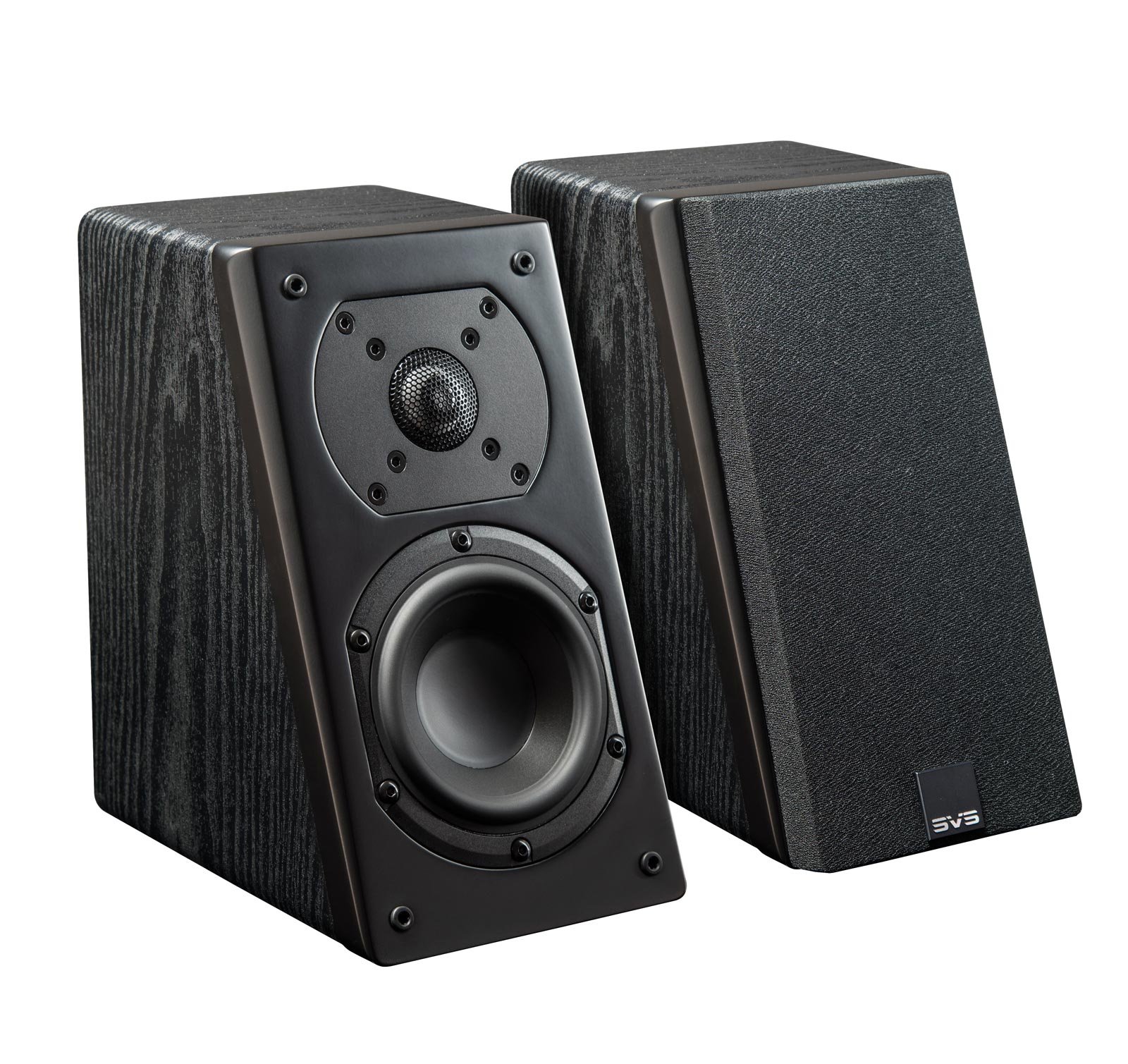
The SVS Prime Elevation is designed for strong dynamics and a wide sweet spot for larger rooms.
Quick Buyer Checklist
- Dolby Atmos receiver or processor with spare channels
- Ceiling height from about eight to twelve feet and flat
- Space on top of speakers or on a shelf
- Tonal match with your front speakers
- Cable run back to the receiver
Red Flags to Watch For
- Very high or sloped ceilings that scatter sound.
- Thin quality modules that do not match the main speakers.
- A receiver that cannot drive extra channels.
- Missing mounting hardware for wall placement.
Setup and Care Tips
Place the module at the front or on top of speakers, follow the manual for angle and run the receiver's calibration. Dust the drivers regularly and recalibrate after moving furniture.
Typical Specs and Prices
Elevation modules use a 3 to 5 inch driver and a one inch tweeter in an angled cabinet. Sensitivity is about 90 dB, impedance 4 to 8 ohms and power handling 50 to 150 watts. The Polk Monitor XT90 costs roughly 119 dollars a pair, the Sony SSCSE about 198, the Klipsch R-41SA about 300 and the SVS Prime Elevation about 449. Klipsch horn loaded modules are efficient and loud, while SVS modules aim for smooth output over a wide area.
Placement Guidance
Dolby recommends height speakers in the front and, for larger systems, in the rear. For upward firing modules, set them on top of the front speakers for a 5.1.2 layout and add rear modules for a 5.1.4 system. Keep modules away from sofa backs and curtains.
Aim for the ceiling at a point halfway between the speaker and the listener. Ceilings of eight to ten feet are ideal.
Calibration Steps
- Set the speaker configuration in the receiver to match your layout.
- Run the auto setup with the supplied microphone at ear level.
- Check that height channels play using the receiver's tone generator and Atmos demo content.
- Raise or lower the height level by a few decibels if the effect seems weak or too strong.
Front Height Versus Rear Height
A 5.1.2 layout uses two height speakers, normally placed over the front speakers or the listening position. A 5.1.4 layout adds two rear heights for sounds that pass overhead and behind. Larger rooms and wide sofas benefit from four height channels, while small rooms are fine with two. Front heights improve on screen effects such as helicopters entering a scene, and rear heights improve the overhead sweep behind the viewer.
Judging the Height Effect
Try a short Atmos demo from your streaming service or a disc and listen for rain, thunder or aircraft. Sound should seem to come from above and move smoothly across the ceiling. If it clings to the speaker, adjust the angle and the speaker mode in the receiver.
Troubleshooting
- No height sound: confirm that the source delivers Atmos and the receiver is in Atmos mode.
- Uneven effect: balance levels using the receiver's setup tones.
- Boomy or thick sound: check the crossover and the speaker size setting.
- Buzzing: tighten the speaker wire connections.
Questions to Ask Before You Buy
- How high is my ceiling and what is it made of?
- Does my receiver have two or four height channels?
- Do I want upward firing modules or ceiling mounted speakers?
- Will the modules match my main speakers in tone?
- How will I run the cables?
Budget Planning
| Item | Typical cost | Notes |
|---|---|---|
| Two upward firing modules | 120 to 450 dollars | For 5.1.2 |
| Four modules | 240 to 900 dollars | For 5.1.4 |
| Receiver upgrade | 0 to 600 dollars | Only if yours lacks Atmos |
Care and Maintenance
Dust the upward firing driver with a soft brush, check wire connections each year and recalibrate after moving furniture. Follow the manufacturer's instructions.
Related Guides
Read best elevation speakers, best ceiling speakers atmos, best dolby atmos speakers and best atmos speakers.
Atmos Elevation Speakers: Your Questions Answered
Are elevation speakers the same as height speakers?
Yes, the terms are often used for the same speakers that provide the overhead channel.
Upward firing or ceiling mounted?
Ceiling mounted speakers give direct sound. Upward firing speakers are easier to install.
How many do I need?
Two for a basic 5.1.2 system, four for a fuller 5.1.4 or 7.1.4 layout.
Do I need a bigger receiver?
You need a Dolby Atmos receiver with enough amplifier channels.
How far apart should elevation speakers be?
Match the spacing of your front speakers, roughly aligned with them or slightly wider, depending on room shape.
Are ceiling speakers better than upward firing modules?
Ceiling speakers give more precise overhead placement but need cutting and wiring. Upward firing modules are easier to install and can be removed.
Can I mix brands?
Yes, but matching the tone of the fronts is easier within one brand family.
Final Thoughts
Match the speaker to your ceiling, receiver and main speakers. Compare the product table, and the best atmos elevation speakers will give your system a convincing sense of height.


