
Best Athletic Work Boots 2026: Lightweight Comfort for the Job
Disclosure: We may earn a commission when you buy through links on this page, at no extra cost to you. As an Amazon Associate I earn from qualifying purchases. Learn more

Best athletic work boots: lightweight, cushioned boots with optional safety toes and slip resistant soles, compared by fit, traction and weight.
Traditional work boots can be heavy and stiff. The best athletic work boots borrow ideas from running shoes, such as lightweight foam, flexible soles and breathable uppers, and add the traction, support and optional safety toes that jobs require.
The product table compares lightweight work boots and hikers from well known work brands. Check your employer's footwear rules and the labels on the boots before you buy.


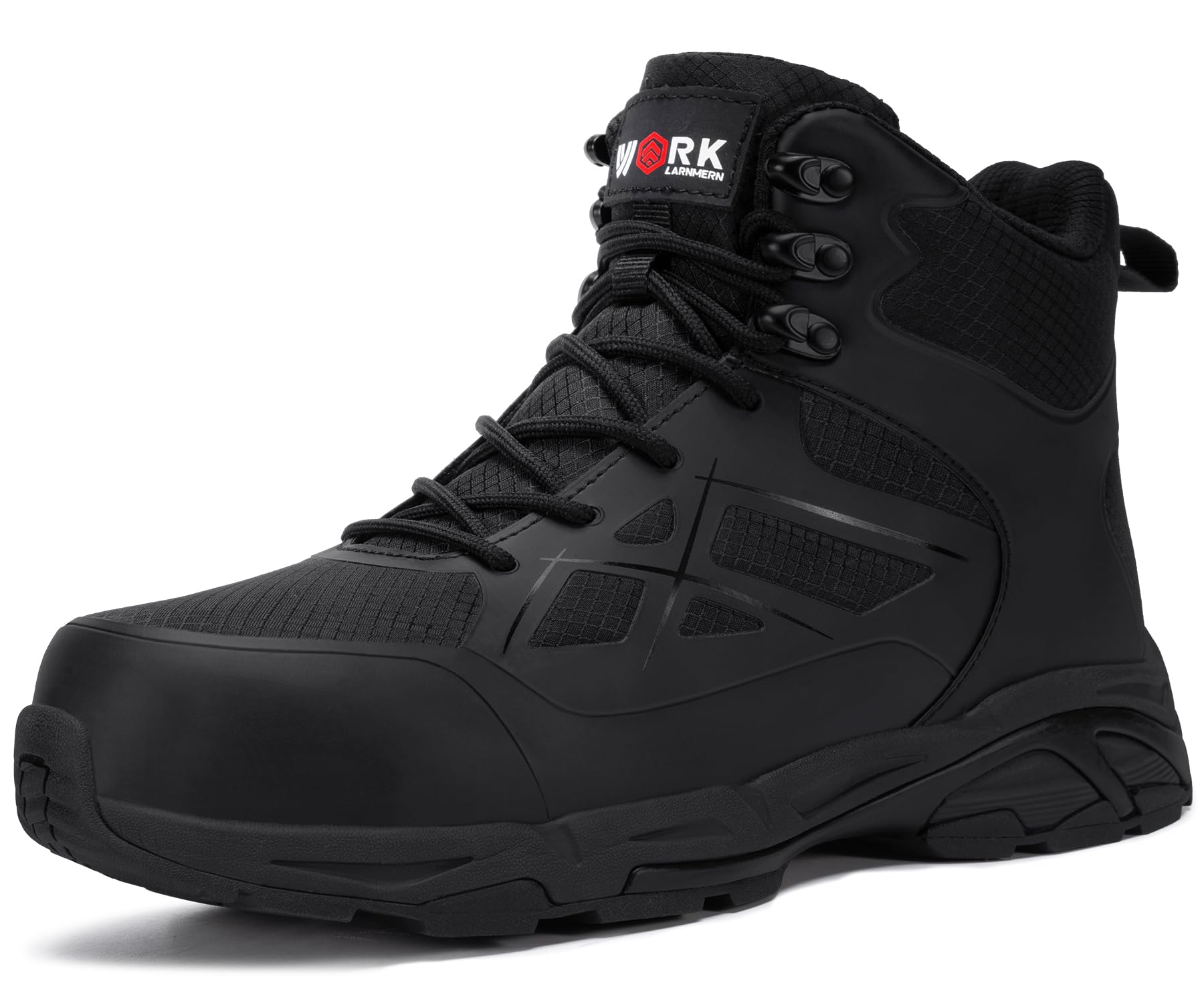


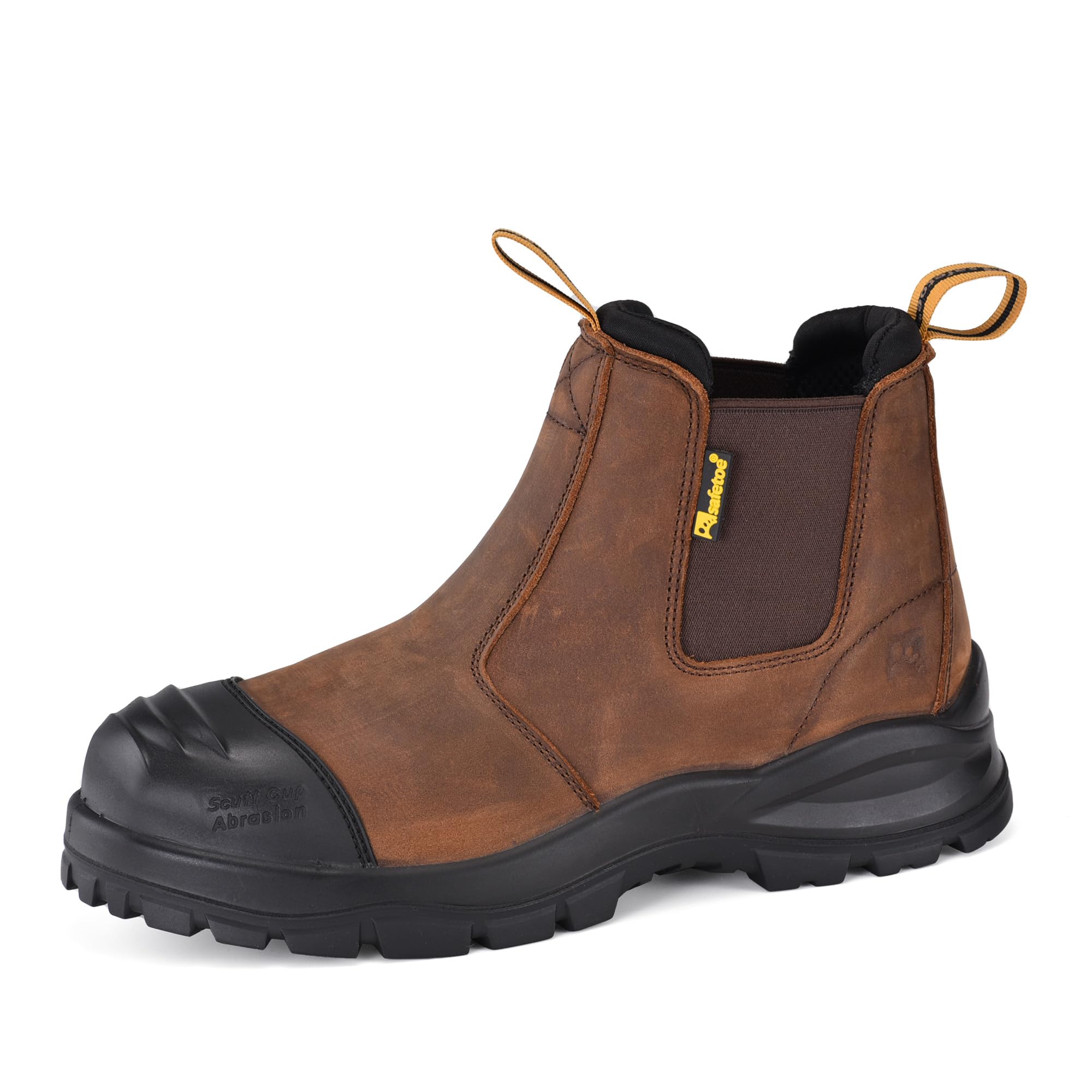

Who Should Buy the Best Athletic Work Boots
Delivery drivers, warehouse staff, electricians, landscapers and anyone who walks and climbs on the job often prefer lighter boots. Heavy industrial sites may need higher rated protection and stiff soles, so match the boot to the risk.
Key Features to Compare
- Weight and flexibility for all day wear
- Cushioned midsole and footbed
- Toe type: steel, alloy, composite or soft toe
- Outsole grip and tread pattern
- Water resistant or waterproof lining
- Ankle support and height
Safety Toe, Traction and Water Protection for Your Site
Safety toe boots carry ratings printed on the label, including impact and compression ratings, and some list electrical hazard or puncture resistance. Check which ratings your site requires, and follow the manufacturer's instructions. Slip resistant outsoles matter on wet or oily floors, while deeper lugs suit dirt and gravel. Waterproof membranes keep feet drier in rain but can feel warmer in summer.
Common Mistakes to Avoid
- Buying a lightweight boot when your job requires heavy protection.
- Ignoring the safety label.
- Choosing a tight fit that leaves no room for thick socks.
- Skipping breaking in time.
Care and Maintenance for Athletic Work Boots
Brush off dirt, let boots dry away from direct heat and treat leather with a conditioner. Replace insoles when they flatten, and replace the boots once the tread or toe cap shows wear.
Typical Specs of Athletic Work Boots
Lightweight work boots usually weigh 1.5 to 2.5 pounds per pair, versus 3 to 4 pounds for traditional leather boots. Heights run from 6 inches, which is the common choice, up to 8 inches for more ankle support. Many use EVA or polyurethane midsoles for cushioning, with shanks of nylon or steel for stiffness. Safety toes are steel, alloy or composite, and ratings are printed on a label inside the tongue.
Reading the safety label
US safety footwear labels list the standard, such as ASTM F2413, followed by codes for impact and compression, plus optional marks for electrical hazard, puncture resistance, metatarsal protection or static dissipation. Match those marks to your job's hazards and your employer's list.
Waterproofing
Waterproof liners keep out rain, but they hold sweat in hot weather. Water resistant leather with a treatment spray is a lighter, more breathable choice for dry climates.
Price Tiers and Value
Entry boots cost about 40 to 80 dollars and suit light duty. Mid priced boots at 100 to 160 dollars from Timberland PRO, KEEN Utility and Wolverine offer better soles and structure. Premium boots at 170 to 250 dollars use longer lasting leather and resoleable construction. A mid priced boot often offers the best balance for daily wear.
Choosing by Job
Warehouse and delivery: lightweight, cushioned, slip resistant. Construction: safety toe, puncture plate and good ankle support. Electricians: electrical hazard rated soles without exposed metal.
Landscaping and farm work: waterproof leather with deep lugs. Retail and light industrial: low cut athletic work shoes may be enough.
Break In and Fit
Try boots with work socks, late in the day. Leave about a thumb's width at the toe, with the heel locked when you walk. Break in over several short wears, and use a boot insert if the factory footbed is thin.
Care Schedule
- After each shift: knock off dirt and let the boots dry away from heat.
- Weekly: remove insoles to air out and brush off mud.
- Monthly: condition leather and check laces, eyelets and stitching.
- Every few months: check outsole wear and replace insoles when flat.
Avoid drying boots by a heater, which can crack leather and weaken glue.
Sizing Notes
Work boots often run a half size large or small, depending on the brand. Many makers offer medium, wide and extra wide widths. Measure both feet late in the day and fit the larger one. Thick socks and orthotics change the fit, so bring them to the fitting.
Seasonal Choices
Winter work calls for insulated, waterproof boots with deep lugs. Summer work favors breathable uppers and lighter weight. Spring and fall suit waterproof leather or fabric blends. Keep a spare pair of insoles to rotate.
Price Tiers at a Glance
| Tier | Typical price | What to expect |
|---|---|---|
| Entry | 40 to 80 dollars | Light duty, basic cushioning |
| Mid range | 100 to 160 dollars | Better soles, waterproofing and structure |
| Premium | 170 to 250 dollars | Longer lasting leather, resoleable |
Warranty and Returns
Many work boot makers offer a limited warranty against defects, and some offer resoling services. Keep the receipt and check the return window, so you can wear the boots indoors for a few days.
Related Guides
Compare best work boots, best mens work boots and best inserts for work boots.
Frequently Asked Questions
Are athletic work boots as durable as heavy boots?
They are lighter and more comfortable, though heavy duty boots can last longer in harsh conditions.
Do I need a safety toe?
Only if your job or employer requires it. Check the rating label.
How should work boots fit?
Snug at the heel with room for the toes, with work socks on.
When should I replace them?
When the tread, midsole or toe area shows wear or damage.
How long do work boots last?
Light duty boots may last a year or two, while quality leather boots can last several years with care and resoling.
Are composite toes as safe as steel?
Both meet the same rating standards when labeled for it. Composite is lighter and does not conduct cold, while steel is thinner. Check the label for the rating your job requires.
Wrapping Up
Choose the lightest boot that meets your site's requirements. Compare the product table, and the best athletic work boots will balance comfort, grip and protection for your shift.


