
Best Athletic Shoes for Standing on Concrete All Day 2026: Cushion Guide
Disclosure: We may earn a commission when you buy through links on this page, at no extra cost to you. As an Amazon Associate I earn from qualifying purchases. Learn more

Best athletic shoes for standing on concrete all day: cushioning, support and fit advice for hard floors, with a table of trainers to compare.
Concrete does not give: every step sends impact straight back up through the foot, ankle and legs. The best athletic shoes for standing on concrete all day combine deep, resilient cushioning with a stable platform so you do not feel the floor by midday.
The product table compares cushioned trainers and supportive walkers that suit warehouses, garages, workshops and factory floors. The sections below explain what to look for.

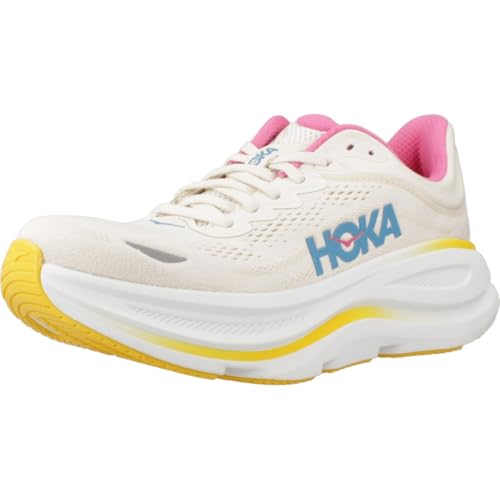

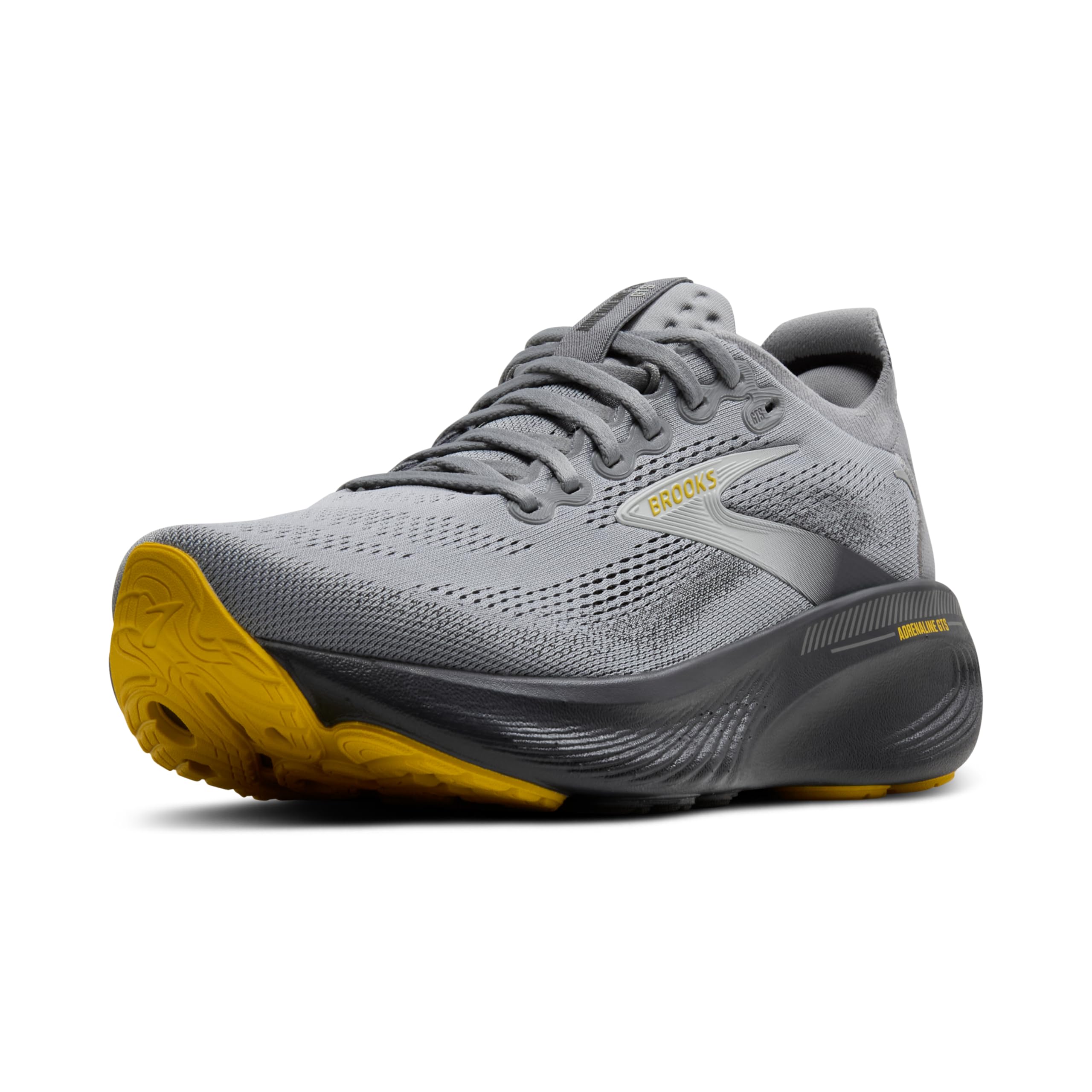

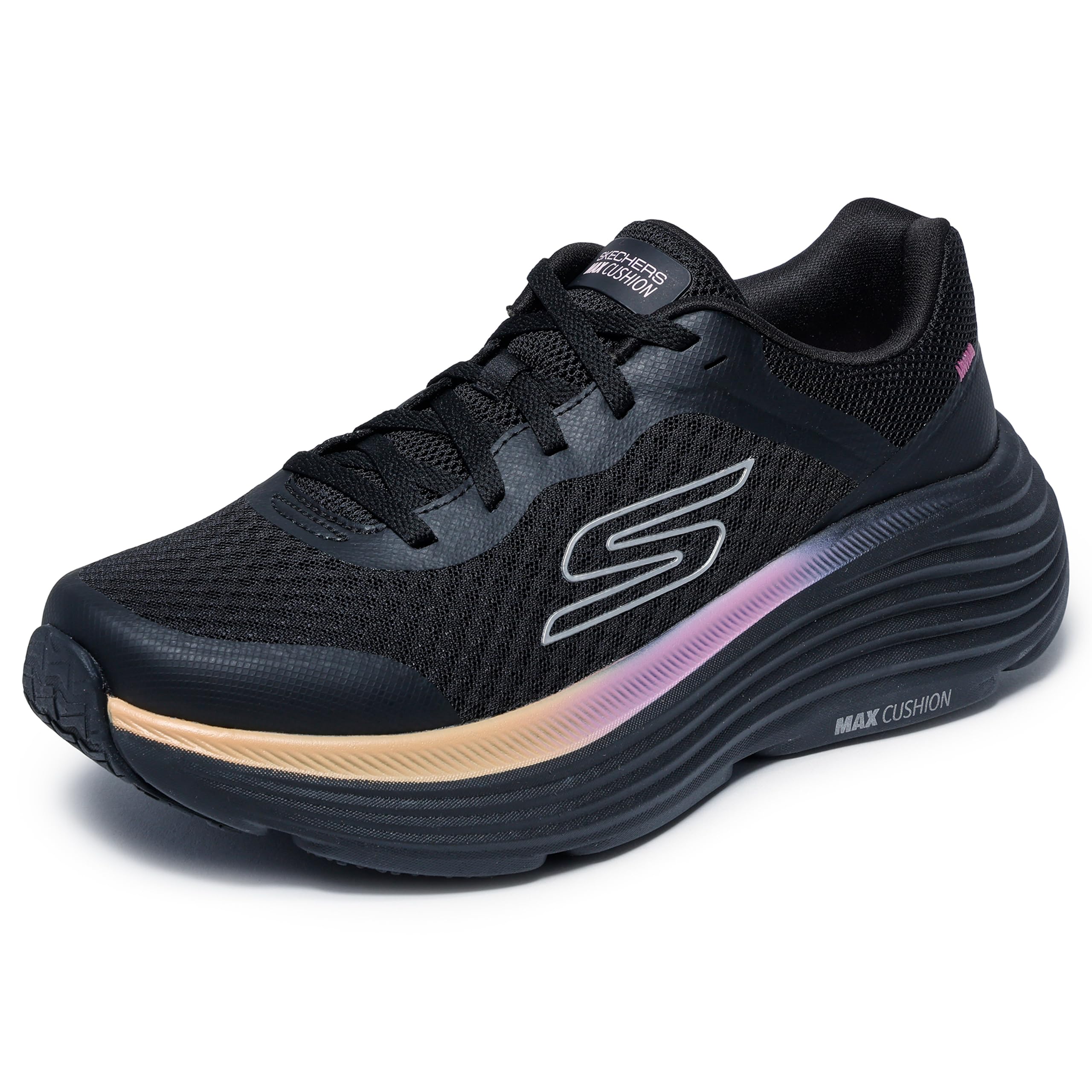

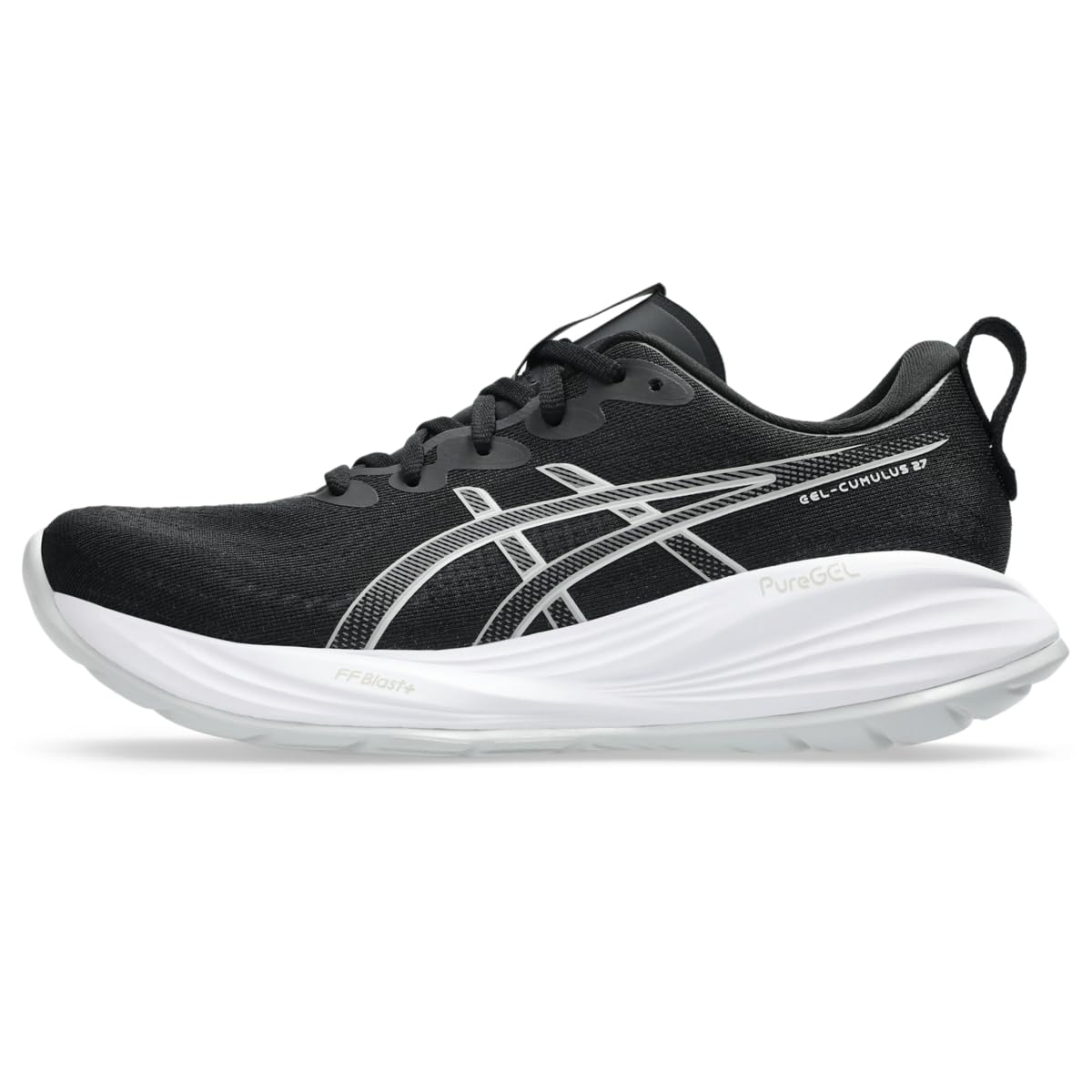

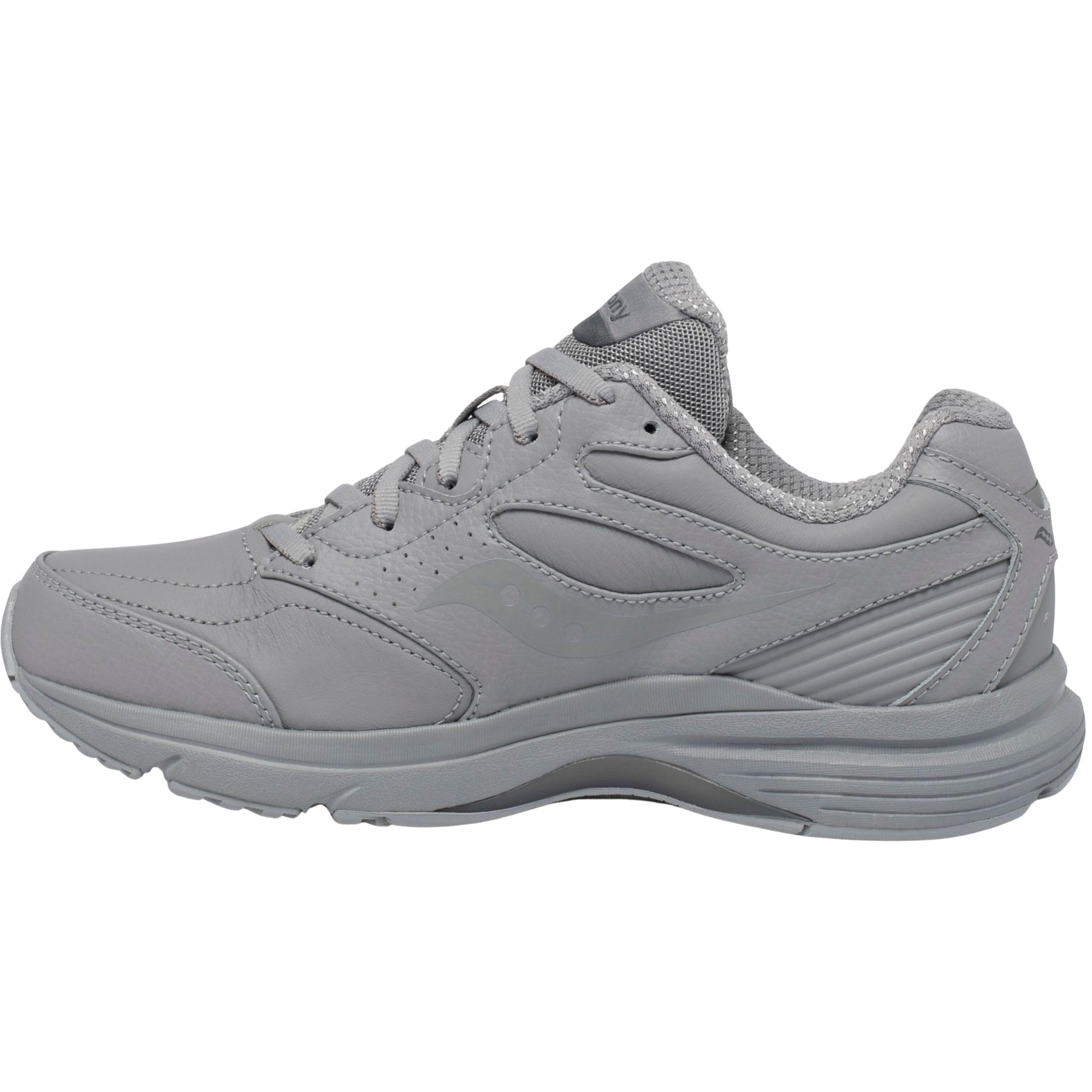
Types of Athletic Shoes Compared
Max cushion trainers
Thick foam such as that in Hoka Bondi or Brooks Ghost Max models absorbs impact. They are light and comfortable, but check that they still feel stable on uneven floors.
Stability trainers
Shoes like the Brooks Adrenaline GTS add guide rails for feet that roll in. They feel steady for long hours.
Cushioned walking shoes
Models like the Orthofeet Edgewater and Saucony Integrity Walker add firm support and wide fits for people who walk and stand all day.
Slip resistant work styles
If your floor is oily or wet, choose an outsole rated for slip resistance. Concrete can be slick when it is sealed or damp.
How to Choose the Best Athletic Shoes for Standing on Concrete All Day
- Pick cushioning that feels firm and resilient, not mushy.
- Check heel hold and arch contour for long days.
- Leave room at the toes for swelling.
- Look for a durable rubber outsole, since concrete wears soles fast.
Tips to Get the Most From Your Shoes
Rotate two pairs so the foam can recover, and replace shoes sooner than you would on a gym floor. Stretch your calves and feet at breaks, and consider an anti fatigue mat at a fixed workstation. If you feel persistent pain, swelling or numbness, ask a clinician.
Budget Tiers
Low priced shoes cover light days on concrete. Mid priced trainers with denser foam hold up better to daily use. Premium cushioned models last longest and often come in wider sizes. Concrete wears soles fast, so durable rubber matters as much as foam.
Sizing and Fit Checklist
- Shop late in the day and wear your work socks.
- Leave a thumb's width at the toes, because feet swell on hard floors.
- Check that the heel does not slip and the arch feels supported.
- Stand still for a few minutes in the store, since standing reveals pressure points that walking hides.
Common Mistakes to Avoid
- Choosing thin soled casual sneakers for concrete floors.
- Keeping worn out shoes long after the foam has flattened.
- Buying a tight size to avoid slipping.
- Skipping socks that wick moisture.
Typical Specs for Hard Floors
Aim for a midsole stack of 30 to 40 mm with a heel to toe drop between 4 and 10 mm. Weights of 9 to 12 ounces are normal for max cushion trainers. Outsoles with 3 to 5 mm of rubber outlast thin foam outsoles on abrasive concrete. Wide toe boxes and widths from medium to extra wide are available in Hoka, Brooks, Skechers and Orthofeet models.
Why concrete is hard on shoes
Concrete does not compress, so the shoe absorbs all of the impact. That wears foam faster than a treadmill or a gym floor, and rough surfaces grind down rubber. Rotating pairs and replacing shoes on time are the best ways to keep the support you paid for.
Mats and floor options
If you control your workspace, rubber anti fatigue mats, standing desk mats or interlocking foam tiles add give. Even so, good shoes remain the main line of comfort.
Working in wet or oily areas
Garages, kitchens and food plants often need a slip resistant outsole with a deep tread. Check the label for a slip resistance rating and clean the tread regularly.
When to Replace Your Shoes
Concrete wears out cushioning in as little as three to six months of daily use. Replace shoes when the midsole looks compressed, the tread is smooth or your legs feel more tired.
Matching Shoes to Your Job
Warehouse pickers who walk all shift need light, cushioned trainers. Assemblers who stay at a bench benefit from a stable base and a comfortable insole. Mechanics and woodworkers may need slip resistant soles and, in some shops, safety toe caps. Always check your employer's safety rules first, since the shoe you want may not meet them.
Getting Through Long Days
Change your socks midshift if you can, sit when you can and vary your stance. Short stretches for the calves and feet help. Persistent pain or swelling should be checked by a doctor.
Reading Reviews for Durability
Look for comments from people who stand on hard floors at work, and for mentions of how the shoe felt after three or six months. Notes about outsole wear at the heel, peeling uppers and flattened foam are useful warnings. Comments on sizing and width, and on whether the shoe runs small or large, save returns.
Using Insoles Wisely
A supportive insole can add arch contour or extra cushioning to a shoe with a flat footbed. Choose one that matches the shoe's volume, remove the factory insole first, and replace insoles every six months to a year.
Related Guides
See also best shoes for standing all day on concrete, best work shoes for standing all day on concrete and best men's shoes for standing all day on concrete.
Frequently Asked Questions
Are soft shoes best for concrete?
Soft helps, but too soft feels unstable. Look for cushioning with a firm heel.
Do I need a wide size?
Try wide if your foot swells. It is more comfortable than going up in length.
How often should I replace them?
Often every few months for daily eight to ten hour use. Replace when the midsole feels flat.
Can I use running shoes at work?
Yes, provided your workplace has no safety footwear rules.
Do anti fatigue mats help?
For a fixed work area, yes. They add give underfoot and pair well with cushioned shoes.
The Bottom Line
Choose cushioning, stability and a durable outsole, and compare models in the product table. The best athletic shoes for standing on concrete all day make hard floors easier on your feet.


