
Best Athletic Shoes for Hammer Toes of 2026: Complete Buying Guide
Disclosure: We may earn a commission when you buy through links on this page, at no extra cost to you. As an Amazon Associate I earn from qualifying purchases. Learn more

Learn what makes athletic shoes work for hammer toes: roomy toe boxes, soft forefoot cushioning, stable heels, and fit checks that protect sore joints.
Hammer toes make shoe shopping harder, because a shallow or narrow toe box can press the bent joints with every step. This guide explains how to choose the best athletic shoes for hammer toes by comparing toe box room, forefoot cushioning, heel stability and fit, so you can stay active in comfort.
The product table lists roomy, cushioned shoes from several makers. This guide gives buying information only and does not diagnose or treat any condition. If your toes are painful, stiff or changing shape, talk with a podiatrist or clinician.
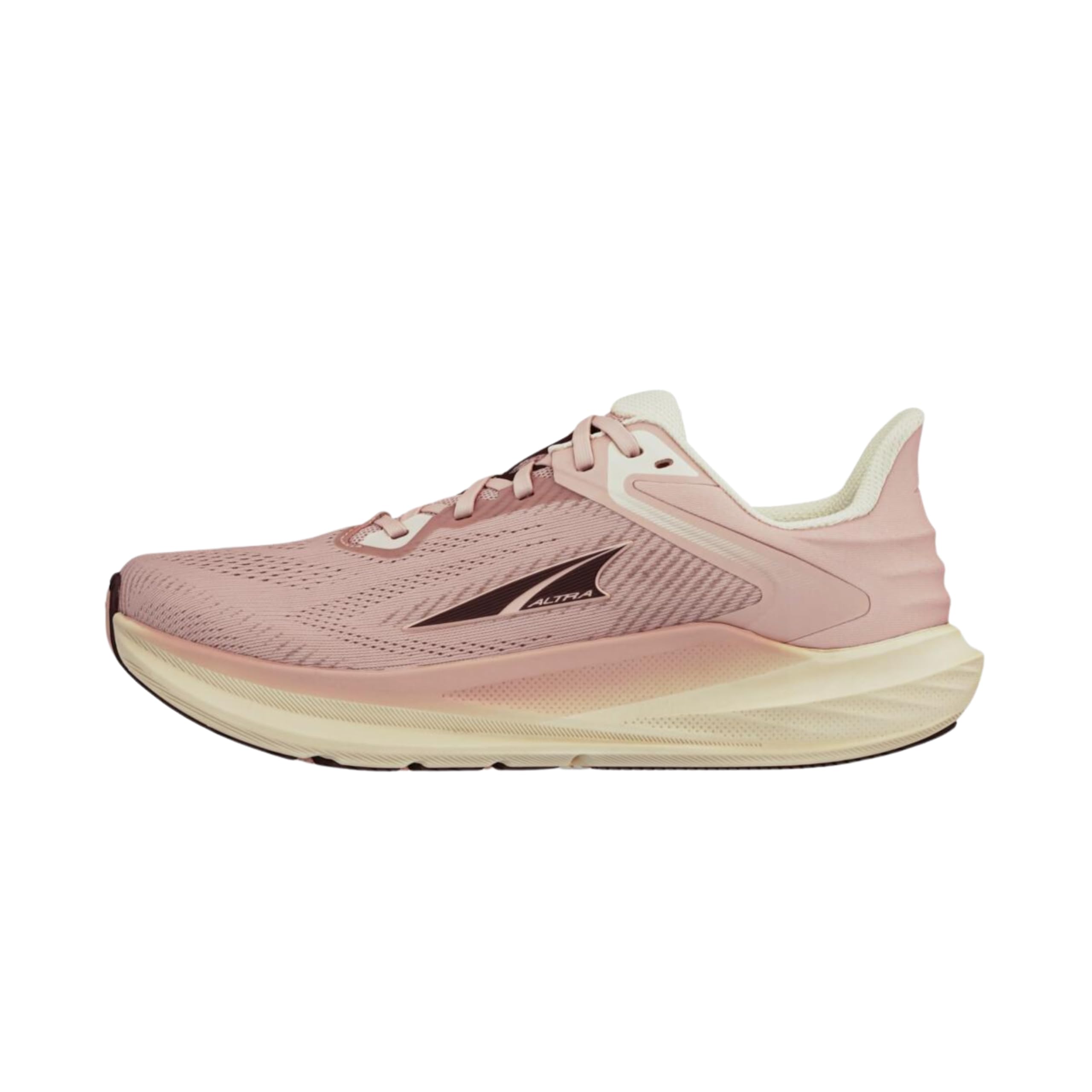
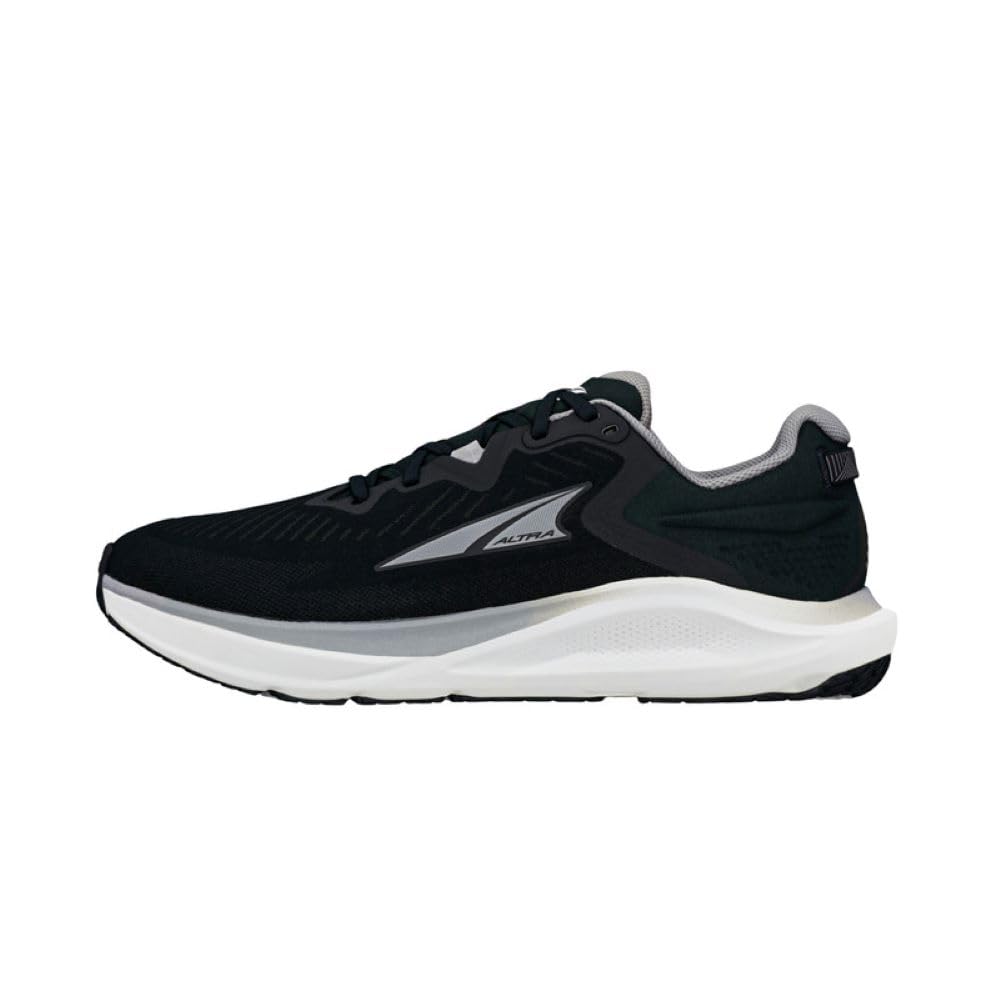

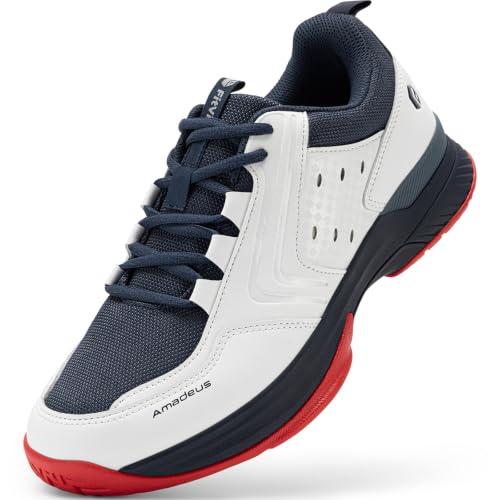
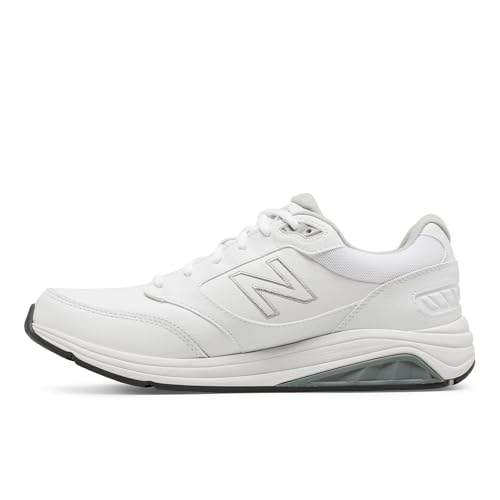

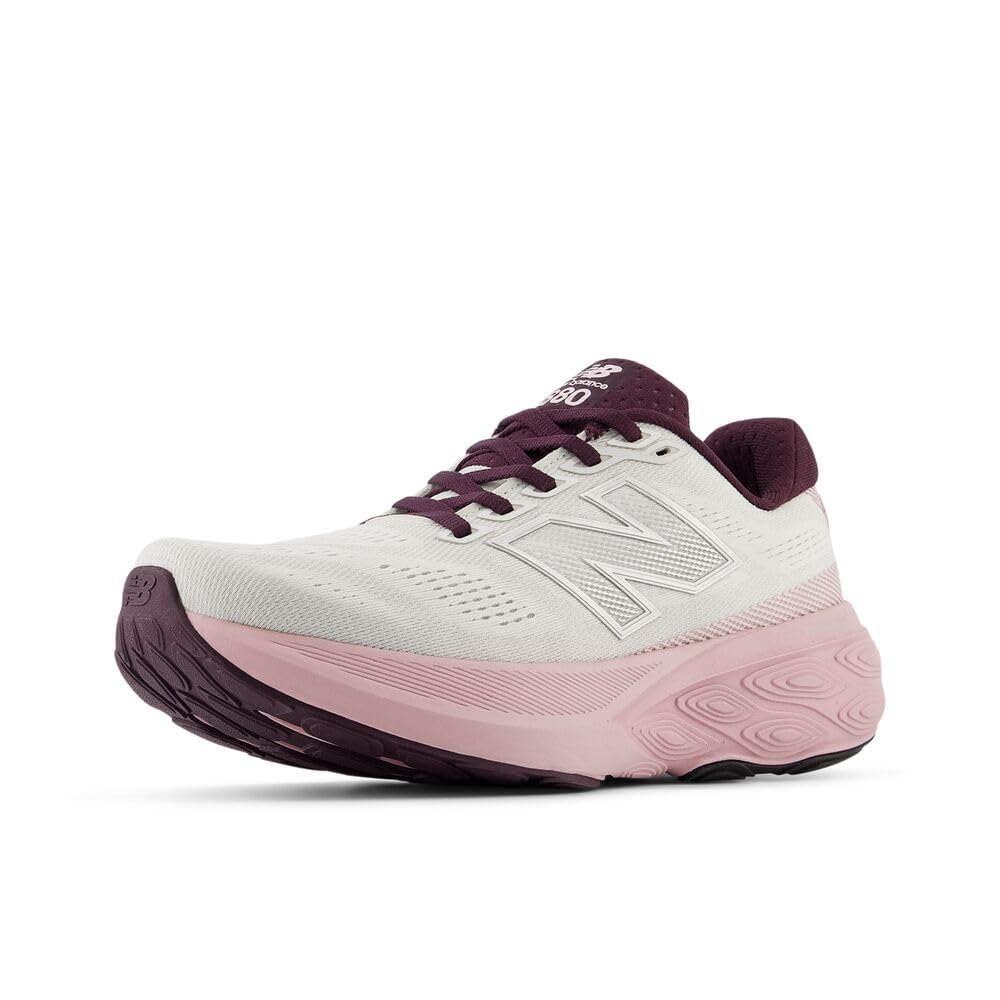

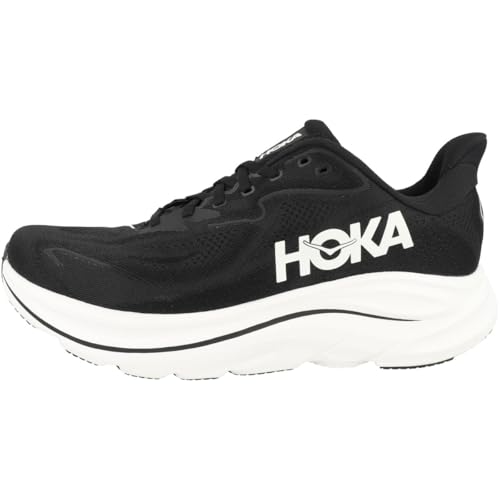

Types Compared
| Type | Best For | Key Trade Off | Typical Price |
|---|---|---|---|
| Road training styles | Daily walks and light runs | Wide toe box and gentle rocker sole | about $80 to $160 |
| Court and gym styles | Indoor training, side to side movement | Lateral support, low stable platform | about $60 to $120 |
| Recovery and walking styles | Long days on your feet | Plush cushioning, easy closures | about $50 to $130 |
Road training styles
Cushioned road shoes with a roomy, rounded toe box and a gentle rocker sole suit daily walks and light runs. A rocker shape helps the foot roll forward with less bending at the toe joints.
Court and gym styles
Indoor training shoes with a low, stable platform and good lateral support suit classes and gym sessions. Check that the front of the upper is not stiff or shallow.
Recovery and walking styles
Soft, easy on walking shoes suit long days on your feet. Look for stretch uppers and simple closures that do not press on the toes.
Key Features to Compare
Toe box room
Look for a toe box that is wide and deep enough to hold bent toes without rubbing the top of the shoe. Stand in the shoe and look for a thumb width of space beyond the longest toe, with room to wiggle. Avoid pointed or tapered fronts.
Forefoot cushioning
Soft padding under the ball of the foot spreads pressure away from sore joints. Check that the cushioning stays supportive and does not feel mushy.
Upper materials
Soft, seamless knit or stretch mesh uppers adapt to the shape of the toes and reduce friction. Seams and stiff overlays over the toe joints can rub.
Heel and arch support
A stable heel and comfortable arch support keep the foot from sliding forward into the toe box. A secure heel matters because slipping pushes the toes against the front of the shoe.
Fit Tips
Measure in the afternoon and buy for the larger foot. Try shoes with the socks you plan to wear and walk on a hard floor for several minutes. If one shoe feels fine at first, give it ten minutes, since pressure can show up after the foot warms and swells.
Common Mistakes to Avoid
- Sizing up in length only. Extra length adds heel slip without adding toe height.
- Choosing a tapered toe box. It can press bent toes together.
- Ignoring seams over the toes. Even small seams can irritate.
- Wearing new shoes for long sessions. Break them in with short outings.
Warning Signs
Seek advice for severe or worsening pain, redness or swelling that does not settle, numbness, sores or blisters that do not heal, or toes that are changing shape. People with diabetes should seek advice promptly for any foot problem. These signs need professional care, not just new shoes.
Frequently Asked Questions
Do I need extra depth shoes?
Some people do. Look for a deep toe box, and consider extra depth models or a removable insole that you can take out to gain room.
Are barefoot style shoes suitable?
Wide toe box barefoot style shoes can give toes room, but they offer less cushioning and a very different feel. Move to them gradually and ask a professional if you are unsure.
What socks should I wear?
Seamless, soft socks reduce friction over the toe joints. Avoid thick seams across the toes.
How often should I replace shoes?
Replace them when the cushioning flattens, the upper stretches out of shape or the front of the shoe starts to press on your toes.
When should I see a clinician?
If pain persists, toes become rigid or red, or you notice sores, talk with a podiatrist or clinician.
Final Thoughts
Choose a roomy toe box, soft forefoot cushioning and a secure heel, and test fit on a real walk. Compare options in the product table above, and the best athletic shoes for hammer toes will let you move without rubbing or pressure.


