
Best Athlete Speakers of 2026: Complete Buying Guide
Disclosure: We may earn a commission when you buy through links on this page, at no extra cost to you. As an Amazon Associate I earn from qualifying purchases. Learn more

Athlete speakers need clear sound, honest battery life and a sweat proof build. Compare sound, water resistance and portability for training and travel.
Training with music changes the session. A speaker that sounds thin, dies mid workout, or quits after one splash will not survive a season of real use. This guide to the best athlete speakers focuses on what athletes actually need: clear sound at moderate volume, honest battery life, and a build that handles sweat, dust, and travel.
You will find price tier guidance instead of hype, a plain explanation of ratings and codecs, and a simple way to match speaker size to your space. Start with the product table below, then use the sections that follow to check each finalist against your routine.
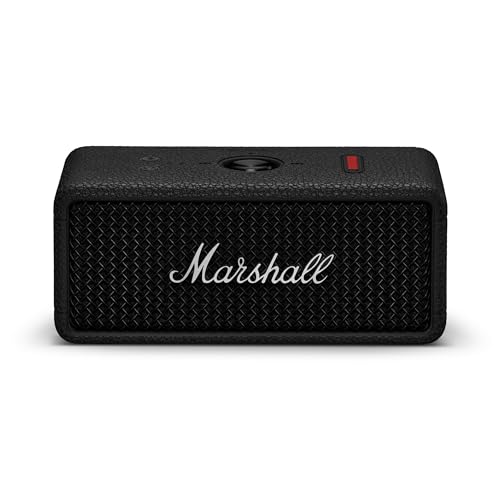


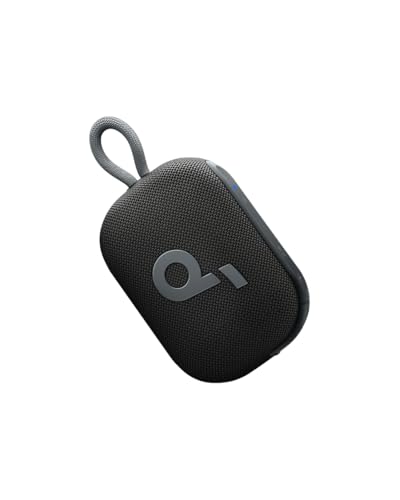
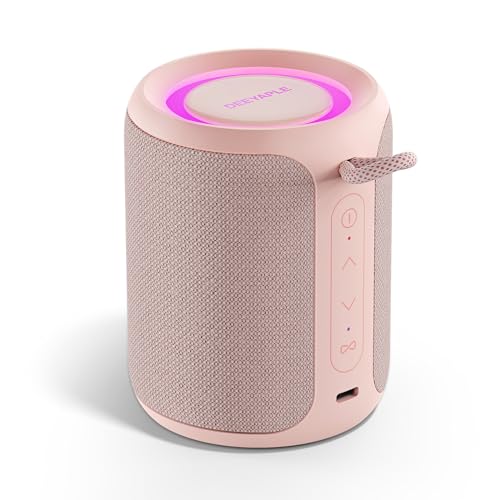

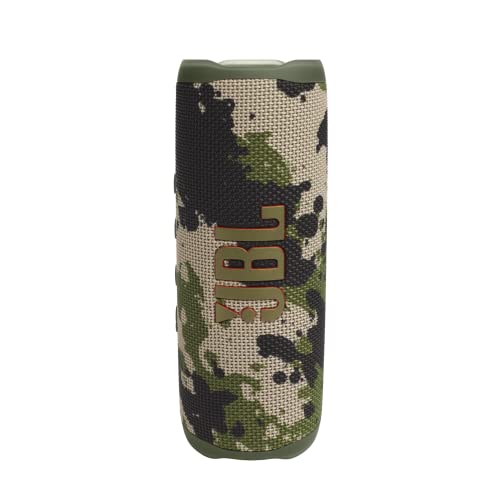
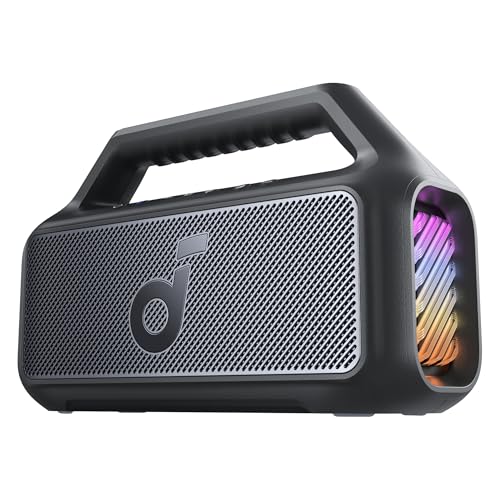


Price Tiers at a Glance: What Each Level Delivers
Budget Tier: Under $60
Budget portable speakers suit a gym bag, a locker room shelf, or a hotel room. Expect one driver, modest bass, and battery life around 8 to 12 hours at moderate volume. Water resistance is often splash level only, so check the IP rating before you trust one near a pool deck or in the rain.
Mid Range Tier: About $60 to $150
This is the sweet spot for most athletes. You typically get fuller sound from larger drivers, stronger bass without distortion, and battery life around 15 to 24 hours. Many models in this tier carry an IP67 rating, offer stereo pairing with a second unit, and include a useful app with EQ controls for different spaces.
Premium Tier: About $150 to $350
Premium models deliver room filling volume, deeper bass, and longer battery life, often 24 hours or more. Build quality improves, with tougher shells and better seals against dust and water. This tier suits team warm ups, outdoor sessions, and home gyms where one speaker must cover a large space without strain.
How to Choose the Best Athlete Speakers: Buying Guide
Sound Quality and Tuning
Sound quality starts with the drivers, the parts that move air to make sound. Larger drivers generally move more air and produce fuller bass at lower volume. Frequency response, listed in hertz, hints at range, but tuning matters more than the printed numbers, because a well tuned small speaker can sound clearer than a poorly tuned large one.
For training spaces, clarity in the midrange matters. Vocals, coaching cues, and podcast speech live in the midrange, and a bass heavy tune can bury them under the beat. If you mostly listen to speech and mixed playlists, choose a balanced tune. If you train to bass driven music, accept a warmer tune and place the speaker on a solid surface for extra low end.
Placement and Room Size
Match the speaker to the space. A compact model is plenty for a garage gym or a bedroom, where walls reflect sound back to you. A large patio, a field, or a team warm up area needs more power and a bigger driver, because open air swallows bass and volume drops fast with distance.
Placement changes the result for free. A speaker on the floor in a corner sounds bass heavy, while the same speaker at waist height on a shelf sounds clearer. Practical know how: before a session, play one familiar song and walk the space. If speech stays clear at your farthest training spot, the size is right.
Ecosystem and App Features
Most modern models connect over Bluetooth 5.3 or similar recent versions, which improves range and pairing speed. A companion app can add EQ presets, firmware updates, and stereo pairing controls. Check whether the app is required for basic use; the best designs let you play, pause, and adjust volume without ever opening it.
Pairing two identical speakers in stereo is a real upgrade for larger rooms, giving wider, more even coverage than one loud unit. If that matters to you, confirm the model supports it before you buy, because brands rarely allow pairing across different product lines. Also check for a simple aux input as a backup when wireless fails.
Comfort, Fit, and Weight
For a speaker, comfort means carry comfort. Weight, handle shape, and grip decide whether you grab it daily or leave it at home. A model under about 2 lb disappears into a gym bag. A model around 5 to 7 lb suits car based training, while heavier units belong in a fixed home gym.
Look for a strap, handle, or flat base that sits stable on a bench or the ground. Rounded, sealed controls are easier to use with sweaty or chalked hands than tiny touch panels. If you travel by air often, check the dimensions against your usual bag, not just the weight on the spec sheet.
Microphone Quality
A built in microphone lets a speaker double as a speakerphone for calls between sets or quick team check ins. Quality varies a lot. Near the speaker, most voices sound clear. Across a noisy gym, echo and background clatter can make calls hard to follow, even on premium models.
If calls matter, look for mentions of echo reduction and test the feature during your return window with a real call in your real space. For most athletes this is a bonus feature, not a deciding one. Do not pay a large premium for microphone quality unless you plan regular calls through the speaker.
Volume and Headroom
Speakers do not cancel noise the way noise cancelling headphones do, and any listing that implies otherwise deserves skepticism. What a good speaker does is stay clear and composed at the volume you need, so music covers gym noise without turning harsh. Distortion at high volume is the real enemy in loud spaces.
Your practical test is headroom. A speaker that sounds clean at 70 percent volume in your space will serve you better than a smaller one pushed to maximum, which drains the battery and stresses the drivers. Size up one tier if your training space is a busy commercial gym or an open outdoor area.
Types of Athlete Speakers
Wired Models
Wired models connect by cable and never need charging, which suits a fixed home gym setup. Sound is stable with no pairing steps and no wireless dropouts. The limits are obvious: a cable ties the speaker to one spot, and most modern phones need an adapter. Choose wired if the speaker will live on one shelf and simplicity matters most.
Wireless and Bluetooth Models
Wireless Bluetooth models are the default choice for athletes, and for good reason. They pair in seconds, travel anywhere, and run for hours on one charge. Check the codec support if you care about fine detail: standard SBC works everywhere, while AAC suits Apple devices and aptX can reduce delay on many Android phones.
For a wider shortlist of everyday models, see our guide to the best bt speakers, and if pure sound quality is your top priority, compare with our guide to the best sounding speakers before you decide.
How to Make Your Athlete Speaker Last Longer
- Keep firmware updated. Updates fix pairing bugs and can improve battery management, so check the app every few months.
- Store it in a case or bag pocket. A padded spot protects drivers and seals from gym bag knocks and chalk dust.
- Clean the grille and ports regularly. A soft dry brush clears dust and dried sweat that can mute sound and corrode contacts.
- Avoid max volume for long sessions. Constant full volume stresses drivers and shortens battery life over time.
- Rinse only if the rating allows it. An IP67 model can handle a rinse, while a splash rated model should only be wiped with a damp cloth.
- Charge before storage. Leaving a battery fully empty for months can permanently reduce its capacity.
Size is a real choice for athletes on the move, so our guide to the best portable speakers focuses on travel friendly designs, while our guide to the best mobile speakers covers phone friendly options for training away from home. For desk and shelf setups, our guide to the best handheld speakers explains compact formats in more detail.
FAQs
Do I need ANC on a speaker?
No. Noise cancelling is a headphone feature, so do not pay extra for it on a speaker. Spend that money on a larger driver, a better IP rating or longer battery life instead.
What IP rating do I need for outdoor use?
For outdoor training, IP67 is the comfortable target: it means the speaker resists dust and survives brief immersion in shallow water. IPX5 or IPX6 covers rain and splashes, which is enough for most covered patios. Remember that the second digit is about water only when an X replaces the dust digit, so read the full rating carefully.
How long does the battery last?
Most portable models last about 10 to 24 hours, and the printed figure assumes moderate volume. Loud outdoor sessions can cut real life runtime nearly in half, because volume is the biggest drain. A practical habit is to charge after every second or third session, and to carry a small power bank on tournament or travel days.
Wired or wireless: which sounds better?
A wired connection is perfectly stable and avoids any wireless compression, so it can sound marginally cleaner on detailed tracks. Modern Bluetooth with a good codec is close enough that most listeners cannot tell them apart in a gym. Choose wireless for freedom of placement, and wired for a fixed setup where a cable is no burden.
Do I need a special codec?
No, the standard codec built into every Bluetooth speaker works fine for training music and podcasts. A special codec such as AAC or aptX helps only when your phone supports it too, and the gains are subtle at gym volumes. Spend your attention on driver size, battery life, and water resistance first, because those change daily use far more.
Final Thoughts
Decide by space, water exposure, and battery needs, in that order. A right sized speaker with an IP67 rating and honest runtime will outperform a louder model that cannot handle your environment. Use the product table above to check your finalists against those three points.
The best athlete speakers for your routine are the ones you will carry, charge, and use without thinking about them. Match the tier to your training life, keep the firmware current, and your speaker should deliver season after season.


