
Best At Home Dumbbell Sets 2026: Buying Guide
Disclosure: We may earn a commission when you buy through links on this page, at no extra cost to you. As an Amazon Associate I earn from qualifying purchases. Learn more

The best at home dumbbell sets fit your space and strength level. Compare fixed and adjustable weights, grips, and storage before you buy.
The best at home dumbbell sets fit your floor space, your strength level, and your workout style, so you can train consistently without a gym membership. Fixed dumbbells are simple and durable, while adjustable sets save space but add a mechanism to maintain. The right choice depends on how many weights you need, how much room you have, and whether other household members will use them too.
This guide explains the main set types, the features that matter in daily use, and the mistakes that lead to returns. The product table below lets you compare current sets once you know what suits your home.





Who Should Buy a Home Dumbbell Set
Dumbbell sets suit beginners building a first home gym, lifters who prefer training at home to commuting to a gym, and households that want a few weights for general fitness. They are less suited to people who need very heavy loads for powerlifting, where a barbell and rack make more sense, or to those with no storage space at all.
Types of Dumbbell Sets Compared
Fixed Weight Sets
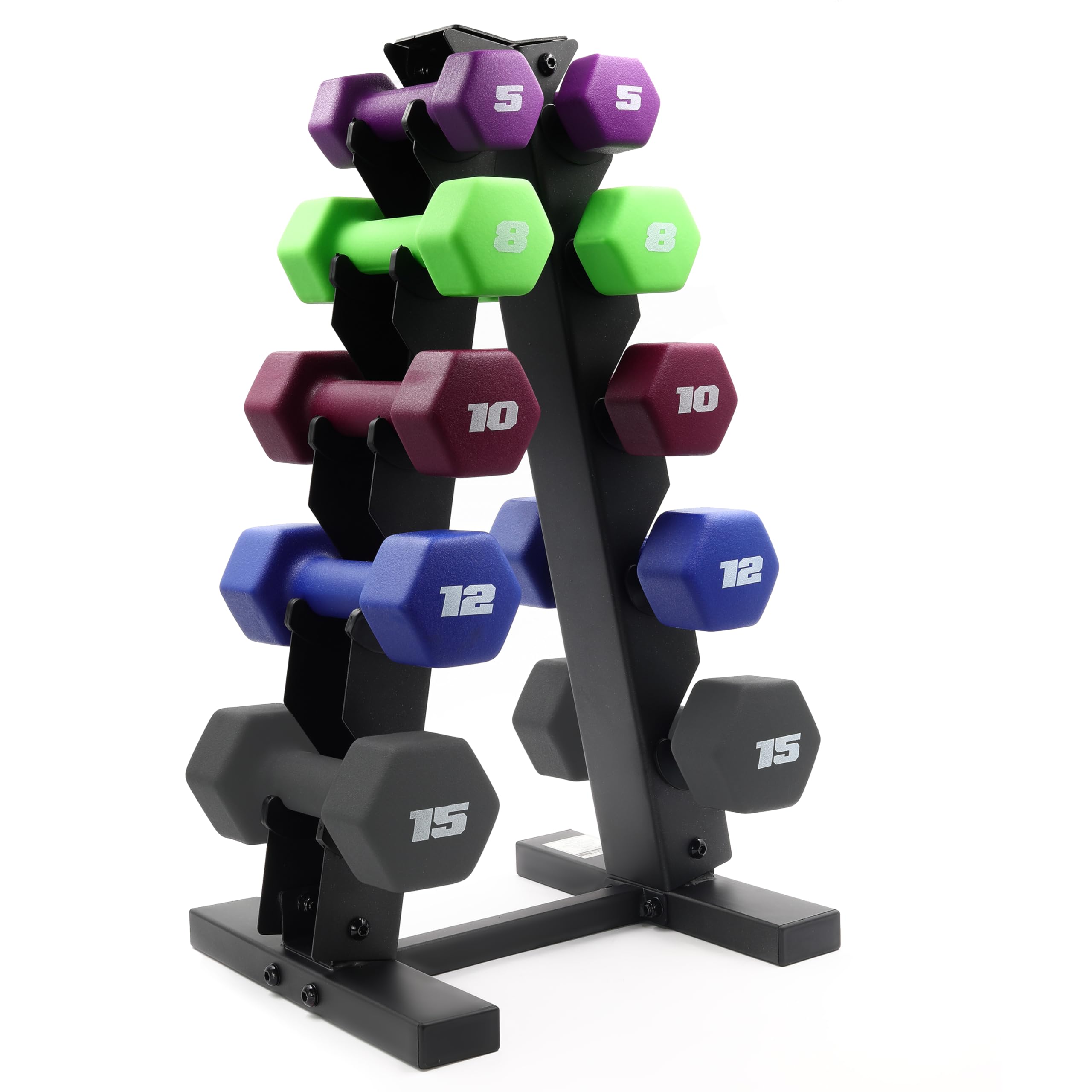
Fixed dumbbells are single pieces of cast iron, rubber, or neoprene coated metal, sold as pairs or in a rack. They are quick to grab and very durable, but a full range takes a lot of floor space and money. They suit a dedicated gym corner or garage.
Adjustable Dumbbells
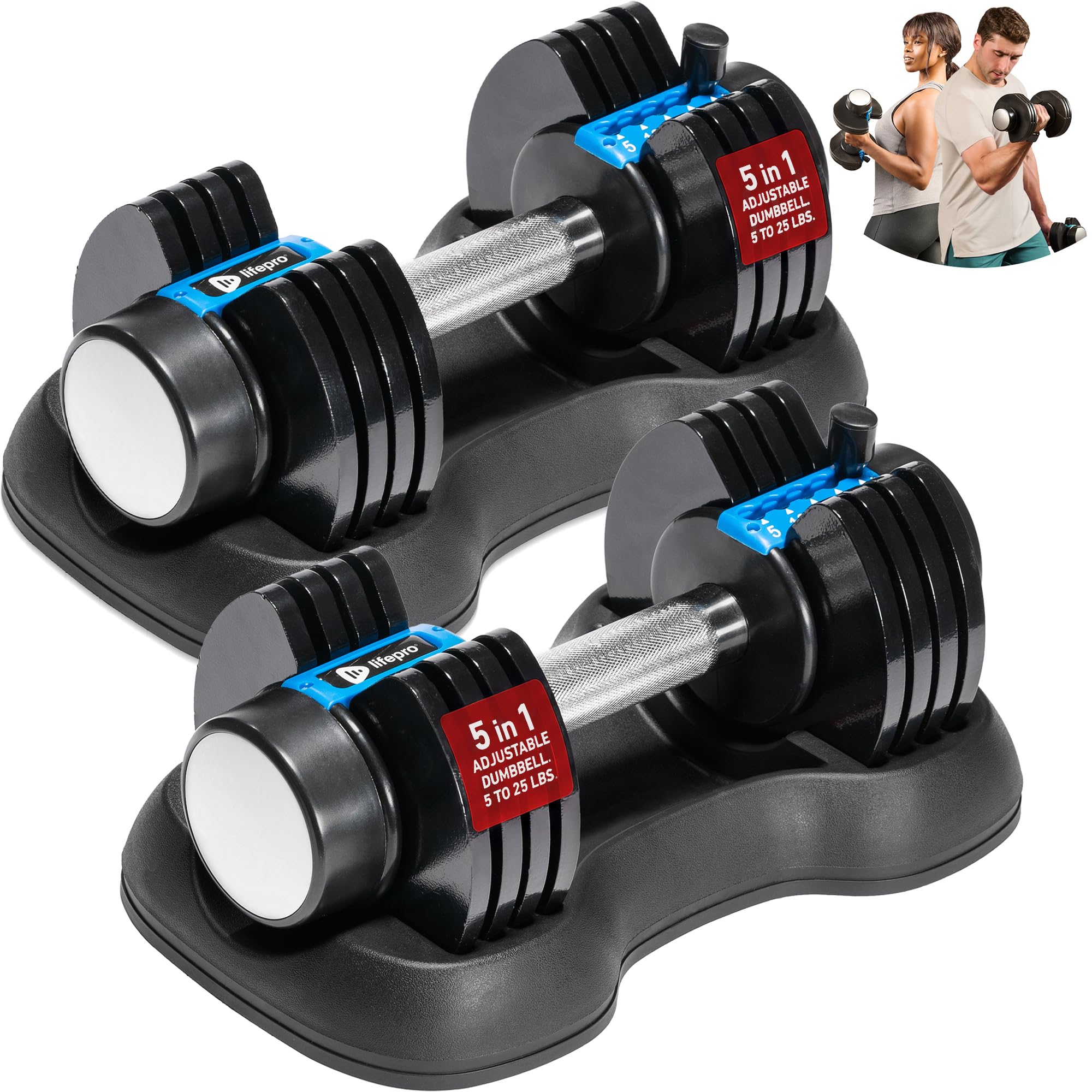
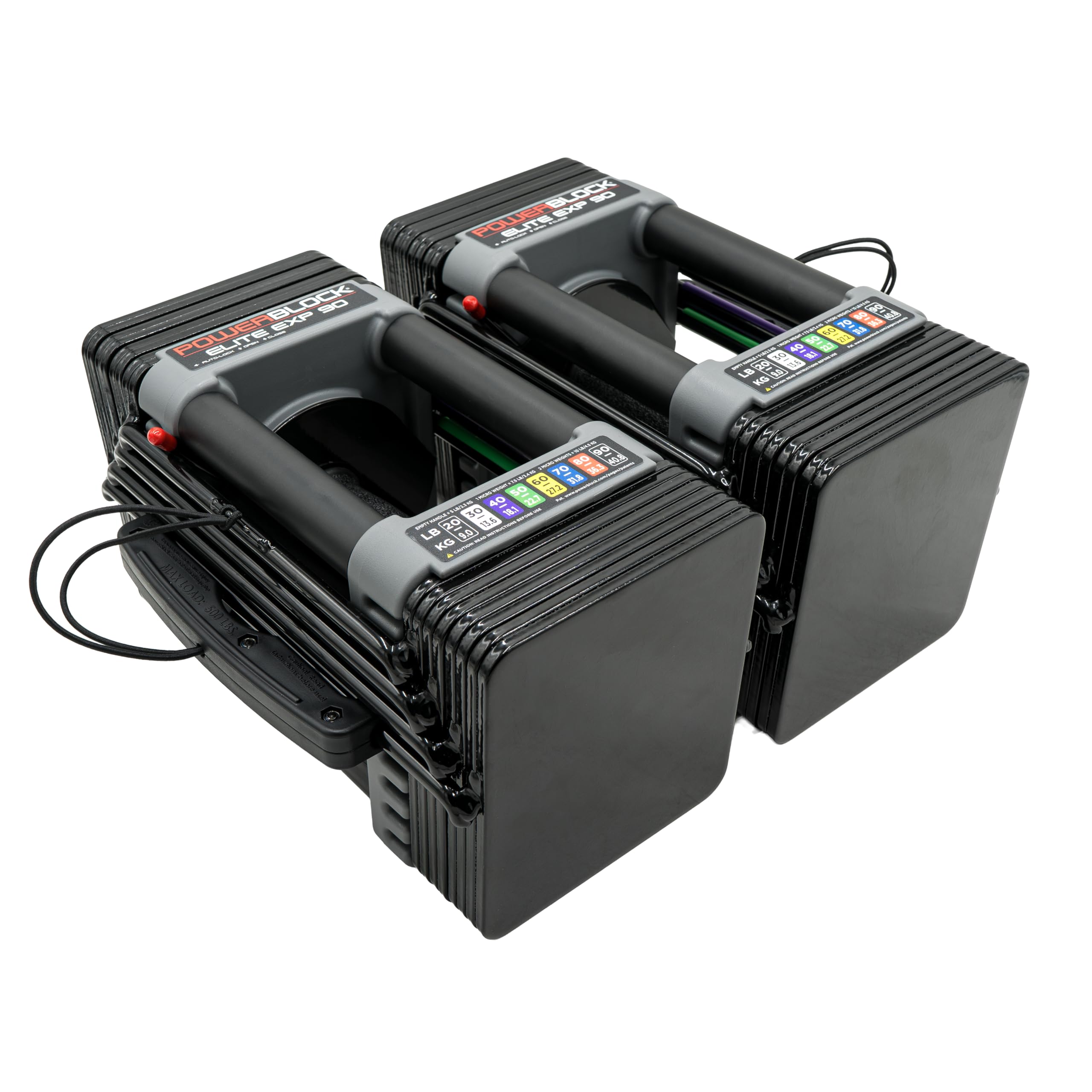
Adjustable dumbbells let you change the weight with a dial, pin, or plate system, replacing a whole rack with one pair. They save the most space and suit apartments, but changing weight takes a few seconds and the mechanism needs care. Check the weight steps and the maximum load against your plans.
Neoprene and Vinyl Coated Sets
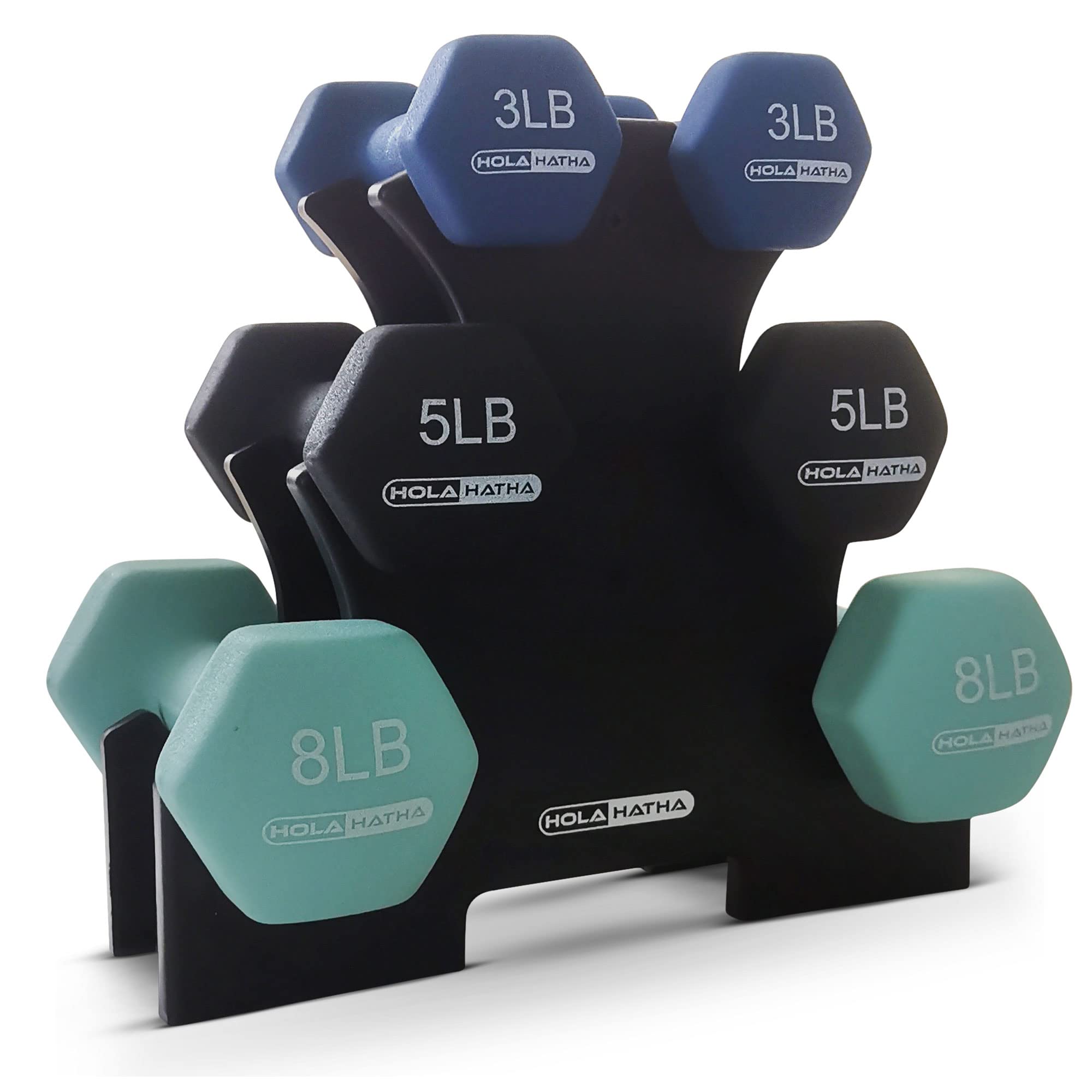
Small coated dumbbells in the 1 to 15 pound range suit toning, rehabilitation style exercises, and group use. They are inexpensive and gentle on floors but outgrown quickly by anyone building strength.
Rubber Hex and Urethane Sets
Hex shaped rubber dumbbells do not roll, protect floors better than bare iron, and handle drops well. They are a good fit for people who train hard and want gym style equipment at home.
Key Features to Compare
- A weight range with room to progress, rather than a set that tops out in a few months.
- A footprint that fits your space, including any rack or stand.
- A durable coating that protects floors and reduces noise.
- Handles with knurling or grip texture that feel secure when your hands sweat.
- A secure adjustment mechanism that does not slip, for adjustable models.
When two sets look equal on paper, the deciding factor is often how the handle feels and how easily the weight changes in your own room.
Planning a Home Routine Around Dumbbells
Start with a routine you can do three times a week in the time you actually have. Full body sessions built on a few compound moves such as presses, rows, squats, and lunges beat an ambitious plan you abandon after two weeks. Keep the dumbbells visible, because equipment hidden in a cupboard is easy to ignore.
Progress gradually by adding small weight increases or extra repetitions over weeks, not by jumping to heavy weights at once. Warm up before lifting, use controlled movements, and rest between sessions so muscles recover.
Stop exercising and seek care for sharp pain, chest pain, breathlessness, dizziness, or a joint that feels unstable, and talk with a clinician before starting a new strength routine if you have a health condition, injury, or are returning after a long break.
Storage, Floors, and Noise
Plan where the weights live before they arrive. A rack or stand keeps fixed sets off the floor and safe from tripping, while adjustable sets need a stable surface for changing weights. A rubber mat protects flooring and dampens noise, which matters in apartments and upstairs rooms. Always set weights down gently instead of dropping them.
Common Mistakes to Avoid
The most common mistake is buying on price alone and finding the weight range too narrow after a month. Another is choosing a heavy adjustable set when the mechanism and dial are hard to use in your routine, or buying fixed weights with no place to store them. Measure your space, check the maximum weight against your goals, and confirm return terms before you order.
Related Guides
If you want to compare more options, see our guides to the best home dumbbell sets, best dumbbell sets for home gym, and best at home workout sets.
Choosing Your Starting Weights
Most adults do well with a set that covers roughly 5 to 50 pounds per dumbbell. Lighter weights suit shoulder raises, curls, and warm up sets, while heavier weights handle squats, lunges, and rows. If you are new to lifting, begin with weights you can move for 10 to 12 controlled repetitions, and plan to move up in small steps as the last repetitions feel easier. A set that covers a wide range in small increments, such as 2.5 or 5 pound jumps, will stay useful far longer than a set with big gaps between weights. If two people with different strength levels will train together, a wider range matters even more.
Grip also matters. Knurled steel handles hold well but can feel rough on bare hands, while rubber or neoprene coatings feel gentler but can slip when sweaty. Check the handle diameter against your hand size, since a handle that is too thick tires the forearm and one that is too thin digs into the palm. Chalk or lifting gloves can help with either.
Frequently Asked Questions
Should I choose fixed or adjustable dumbbells?
Fixed dumbbells are sturdy and quick to grab, but a full range takes a lot of space and cost. Adjustable dumbbells save space and cover many weights in one pair, but changing weight takes a moment and the mechanism needs care. Choose fixed for a dedicated gym room and adjustable for a shared living space.
What weight range do I need at home?
Beginners often start with a range covering light weights for shoulders and heavier weights for legs, while experienced lifters need heavier top ends. A set that tops out too soon will limit progress, so choose a range with room to grow.
How much space do home dumbbells need?
Measure your workout area and storage spot, including a rack or stand if you plan one. Adjustable sets need less floor space but still need a stable surface for changes, while fixed sets need a rack to stay organized and safe.
Are dumbbells safe on apartment floors?
Rubber coated dumbbells protect floors and reduce noise, which matters in apartments. Set weights down gently rather than dropping them, and use a mat under your workout area to protect flooring and dampen sound.
What exercises suit home dumbbell sets?
Dumbbells support presses, rows, squats, lunges, and many single arm movements that build balance as well as strength. A simple routine covering upper body, lower body, and core gives a balanced home workout without other large equipment.
As you narrow your shortlist of the best at home dumbbell sets, keep your top two priorities in front of you and drop any option that misses them.
Final Thoughts
Choosing among the best at home dumbbell sets comes down to matching the set to your space, your strength level, and your budget, in that order. Use the product table above to compare current options, shortlist two or three, and choose the one you will enjoy using every week.


