
Best At Boots in 2026: Matching the Right Model to Your Routine
Disclosure: We may earn a commission when you buy through links on this page, at no extra cost to you. As an Amazon Associate I earn from qualifying purchases. Learn more

Find at boots that match how you hike, with clear guidance on fit, traction, arch support, waterproofing, lacing and care for varied trail use.
There is no single pair that suits every trail, every foot and every kind of weather. The best at boots for a wet forest path differ from the pair you want for dry rock, long climbs or daily walks on rough ground. This guide matches boot types to real routines first, then compares the features that change comfort and grip, so you can read the comparison table below with clear needs in mind.
Start with the outing you repeat most often, not the hardest trip you can imagine. A boot bought for one rare route often feels heavy, hot or stiff on normal days. The sections below sort buyers by routine, explain fit and traction in plain terms, and close with care steps and common questions.
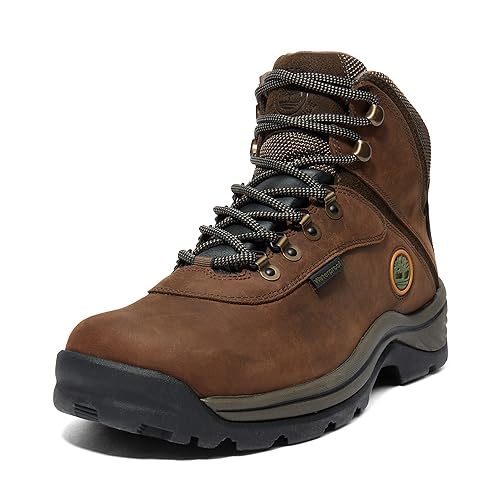


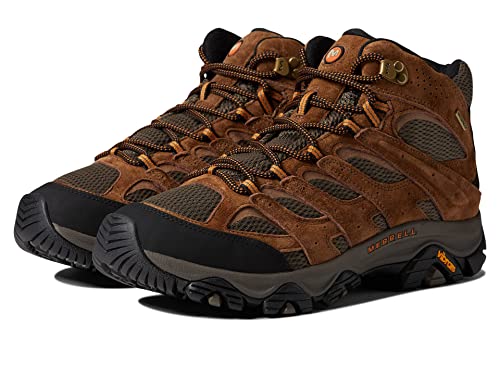


Who Should Buy Which At Boots?
Your routine decides which trade offs make sense. Waterproofing, weight, ankle height and sole stiffness each help in one setting and hinder in another, so match the boot to the ground and load you meet most often.
For Bad Weather and Tough Conditions
You walk through mud, wet grass, shallow streams and cold wind. Prioritize a waterproof membrane such as Gore Tex, sealed seams and a joined tongue that keeps water and grit out. Deeper lugs and a sturdy leather or dense synthetic upper suit this group best. If your winter plans run on resort slopes instead of trails, see our guide to the best at ski boots, since ski boots use a rigid shell built for bindings rather than walking.
For Light Trail Walkers Who Carry Little
You cover short distances on groomed paths, park trails and dry forest tracks with a light day pack. A low or mid height boot with a breathable mesh upper keeps weight down and lets heat escape. You still need a real lug pattern and a cushioned sole, but you can skip the stiff shank and heavy leather that loaded hikers rely on.
For Weekend Beginners
You hike a few times a month and want comfort from the first outing. Choose a flexible sole, a padded ankle collar and a fit that feels secure with the socks you plan to wear. Models around $80 to $150 usually give new hikers enough support and grip for easy trails. A modest boot that fits well beats a costly boot that rubs.
For Frequent or Serious Users
You hike weekly, carry a loaded pack or cross rocky ground. Look for a stiffer midsole, a protective plate under the forefoot and a scrape resistant upper. Stronger boots often cost about $150 to $250, so read the warranty terms before you buy. Durability matters more to this group than a low purchase price.
Key Features to Compare
When you compare the best at boots side by side, judge each feature by the ground you walk and the load you carry, not by the longest feature list.
Getting the Right Length and Width for Long Trail Days
Try boots on late in the day, when your feet are at their largest, in the hiking socks you plan to wear. Your longest toe needs roughly a thumb width of space in front of it, and the toe box should let your toes lie flat and spread as you step. Your heel should stay seated with only slight lift. If standard unisex shapes feel loose at the heel, see our guide to the best women's at boots for models shaped around a narrower heel and a different ankle height.
Outsole Grip Across Mud, Gravel and Wet Rock
The outsole is the rubber layer that meets the ground, and its lug pattern decides how the boot grips. Deep, widely spaced lugs of about 4 to 6 mm bite into mud and loose soil and shed dirt as you walk, while shallower, closer lugs feel steadier on rock slabs and paved paths. Softer rubber grips wet stone well but wears down faster on hard surfaces. Match the pattern to the surface you walk most, not the roughest one you might meet once.
Arch Support and Foot Type
Arch support shapes how your weight spreads across the foot with each step. Flat feet often roll inward as you walk, a pattern called overpronation, and a firmer insole with a stable heel cup can keep that roll in check. High arches absorb less impact on their own and usually feel better with more cushioning under the heel and forefoot. This is general fit guidance only. If you have ongoing foot pain, numbness or tingling, or a condition that affects feeling or circulation in your feet, talk with your clinician about your personal needs before you buy.
Cushioning and Support
Cushioning comes from the foam midsole between the upper and the outsole, and it softens the trail shock that reaches your knees. Stability designs use firmer foam and a wider base to limit side to side roll, while neutral designs feel softer and suit feet that track straight. Heel to toe drop is often about 8 to 12 mm in hiking boots, and a lower drop asks more of your calves. A higher padded collar adds ankle support on uneven ground.
Leather and Mesh Uppers for All Terrain Use
Mesh uppers are light and breathable, dry quickly after a splash and suit warm, dry routes, but they offer less protection against brush and rock. Full grain leather resists abrasion and shapes to your foot over time, yet it weighs more. Split leather with fabric panels balances weight and durability. A Gore Tex lining keeps trail water out, but any waterproof lining slows airflow, so the same boot can feel warm on a hot climb.
Common Mistakes to Avoid When Buying At Boots
Most boot problems start at the buying stage, and most are easy to prevent.
- Choosing by price alone leaves you with a sole or fit that gives up early on the trails you actually walk.
- Trying boots on in the morning with thin socks understates your foot size and leads to pinching by the afternoon.
- Buying a size too small lets your toes strike the front on descents and leaves you with bruised nails.
- Assuming a waterproof boot can handle deep stream crossings lets water pour over the collar and soak your socks.
- Skipping the return window check leaves you stuck with boots that reveal a hot spot only after a long walk.
Break In, Setup and Care Tips for At Boots
Boots need no assembly, but the first walks act as your setup. Begin with short walks near home and add distance over several outings. Use a heel lock lacing pattern on longer walks, looping the laces through the top hooks to hold your heel down and reduce friction at the back. Stop and retie as soon as you feel a hot spot, because a small rub becomes a blister quickly.
For care, brush dried mud and grit from the soles, uppers, seams and lace hooks after each outing. Air dry wet boots at room temperature away from direct heat, since a radiator or campfire can crack leather and weaken glues. If you wear boots daily, rotate two pairs so each pair dries fully between outings. Store clean, dry boots out of direct sun, and condition leather uppers when they look dry and pale.
Frequently Asked Questions
Can I wear at boots for a full day of hiking and walking?
Yes, you can wear at boots for a full day once the fit is right and the pair is broken in. Carry a spare pair of dry socks and swap them at midday to cut friction and chill. Loosen laces at long rest stops, then retie firmly before any descent.
How long is the break in period for at boots?
Most light at boots feel ready after a few short outings, while stiff leather models can take several weeks of regular walks. The clearest sign of progress is a walk that ends with no hot spots and no heel slip. If one spot rubs on every outing, exchange the size while the return window is still open.
How should at boots fit when one foot is larger than the other?
At boots should fit the larger of your two feet. A snug fit on the smaller foot can be adjusted with a thicker sock or a simple insole, but a boot that is too short for the larger foot cannot be stretched longer. In the shop, walk down an incline slope or a set of stairs to test whether your toes stay clear of the front.
Are expensive at boots worth the extra cost for most hikers?
Expensive at boots are worth it only when your mileage and loads use what the extra money buys, such as tougher leather and a stiffer sole. If you hike a few easy trails each year, those upgrades may never repay their cost. Think in cost per season of real use, and put fit ahead of price at every level.
How often should I replace my at boots?
Replace at boots after about 500 to 1000 miles of trail use, or sooner when clear wear signs appear. Lugs worn smooth at the heel and forefoot, deep creases across the midsole and cracks where the upper bends all signal that support and grip have faded. A tidy looking boot can still feel flat and loose on its first miles of a new season.
Do I need waterproof at boots for dry summer trails?
No, you do not need waterproof at boots for dry summer trails, and a breathable pair is often the better choice. Non waterproof uppers release heat and dry within hours after an unexpected splash. Waterproof linings earn their place in summer only when your route crosses wet grass, mud or streams on most outings.
Wrapping Up
Put fit first, then traction for your usual ground, then the support your load demands. Waterproofing, ankle height and upper material follow from your climate and routes, and price makes sense only after those points are settled. Use the product table above to compare sizes, weights and sole patterns against that order.
When you choose best at boots by routine first and features second, the shortlist shrinks fast and the right pair is easier to spot. Pick the boot you will wear on your normal trail, and it will serve you on the harder days too.


