Best Asus Laptops by Use: Buyer Guide 2026
Disclosure: We may earn a commission when you buy through links on this page, at no extra cost to you. As an Amazon Associate I earn from qualifying purchases. Learn more

A plain-language guide to the best asus laptops by use: study, office, gaming, and creative work, with the specs that matter explained.
Shopping for best asus laptops can feel confusing, because every option promises the best experience and few explain the trade offs in plain language. This guide cuts through that noise by focusing on what actually matters for your daily use, your budget, and your home or routine, so you can choose with confidence rather than guesswork.
The comparison table below gives a quick overview of the main types, and the sections that follow explain each choice in detail. Read the whole guide if you are buying for the first time, or jump to the sections that match your biggest question.





Who Should Use This Guide
Students, office workers, creators, and gamers all buy Asus laptops, but they need very different machines. Start from your heaviest daily task: document work and browsing need modest specs, while gaming, video editing, and programming reward stronger processors, more memory, and better cooling. A laptop matched to your work feels fast for years; a mismatched one frustrates from day one.
Before you compare models, write down your main use, your budget range, and the one feature you will not compromise on. That short list will filter out most options quickly and keep you from paying for features that sound impressive but never change your daily experience. The product table above shows the main types at a glance, while the detail below helps you judge them.
Key Features of the Best Asus Laptops Explained
Processor and Memory for Your Workload
The processor and memory decide how many apps you can run smoothly at once. For study and office work, a modern midrange processor with ample memory is enough, while gaming and creative work benefit from faster processors and more memory. Check memory upgradability too, because a laptop you can upgrade later stays useful longer.
Screen Size, Quality, and Eye Comfort
Screen size affects portability, while brightness, color accuracy, and resolution affect daily comfort. Students who carry a laptop daily often prefer a lighter thirteen or fourteen inch model, while creators and gamers may prefer larger, brighter screens. If you work outdoors or in bright rooms, prioritize brightness over a small resolution gain.
Keyboard, Trackpad, and Ports
You touch the keyboard and trackpad every day, so they deserve attention. A comfortable keyboard with good travel, a precise trackpad, and enough ports for your charger, monitor, and accessories will matter more than a minor processor difference. Check port types before you buy, because adapters add cost and clutter.
Battery Life for Real Days
Battery ratings are measured under light use, so real battery life is usually shorter. Think about your longest day away from power, and check whether fast charging helps your routine. A laptop that charges quickly during a break can be more practical than one with a slightly larger battery that charges slowly.
Build, Cooling, and Warranty
Build quality affects how a laptop survives daily carrying, while cooling decides whether it stays fast under load or slows when hot. Check warranty length, what it covers, and how repairs are handled in your area. A strong warranty and local service can matter more than a small saving on purchase price.
Types Compared
Thin and light laptops suit carrying and battery life, traditional laptops balance price and performance, and gaming laptops prioritize graphics power and cooling at the cost of weight and battery. Two in one models add tablet flexibility, which suits note taking and presentations. Choose the form that fits how and where you work, not just the spec sheet.
When you compare types, judge each one against your own routine rather than against an ideal user. A type that wins for a heavy user may be overkill for a light user, and a budget type that suits occasional use may frustrate a daily user. The product table above summarizes the types, and your routine should decide which summary row matters most.
Common Mistakes to Avoid
Paying for gaming power you will never use, ignoring weight for daily carrying, forgetting port needs, and buying too little storage are common errors. Another mistake is judging a laptop by processor name alone without checking memory, storage speed, and cooling. List your daily tasks and your carrying routine before comparing models.
Setup and Everyday Care
Keep vents clear, update software regularly, and back up important files. Use a padded sleeve for carrying, avoid eating over the keyboard, and clean the screen gently. If the laptop runs hot or fans grow loud, check for dust and background apps before assuming hardware failure.
For related choices, see our guides to best notebook laptops, best asus rog laptops, best asus laptops for students, best asus laptops for programming, and best laptops from asus, which use the same buying framework.
Choosing With Confidence
Before you buy, list the heaviest software you use, the number of browser tabs you keep open, and how far you carry the laptop each day. Those answers matter more than any single benchmark. Check warranty and repair options in your area, confirm port needs for your monitor and accessories, and try the keyboard in a shop if possible, because you will use it for thousands of hours.
Budget Tiers in Plain Terms
Budget laptops handle study, office work, and browsing well and suit students and light users. Midrange laptops add faster storage, better screens, and stronger build for professionals and creators who work daily. Premium and gaming laptops add graphics power and high refresh screens for gamers and video editors, at the cost of weight and battery life. Choose the tier that matches your heaviest task.
Asus Laptop Families at a Glance
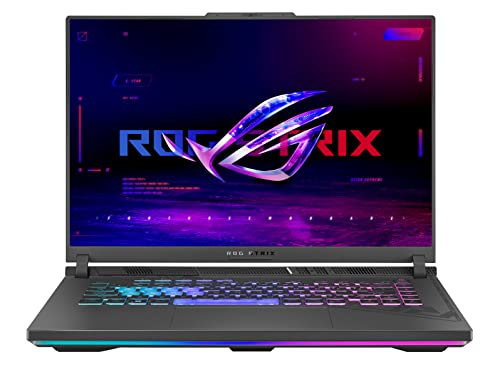
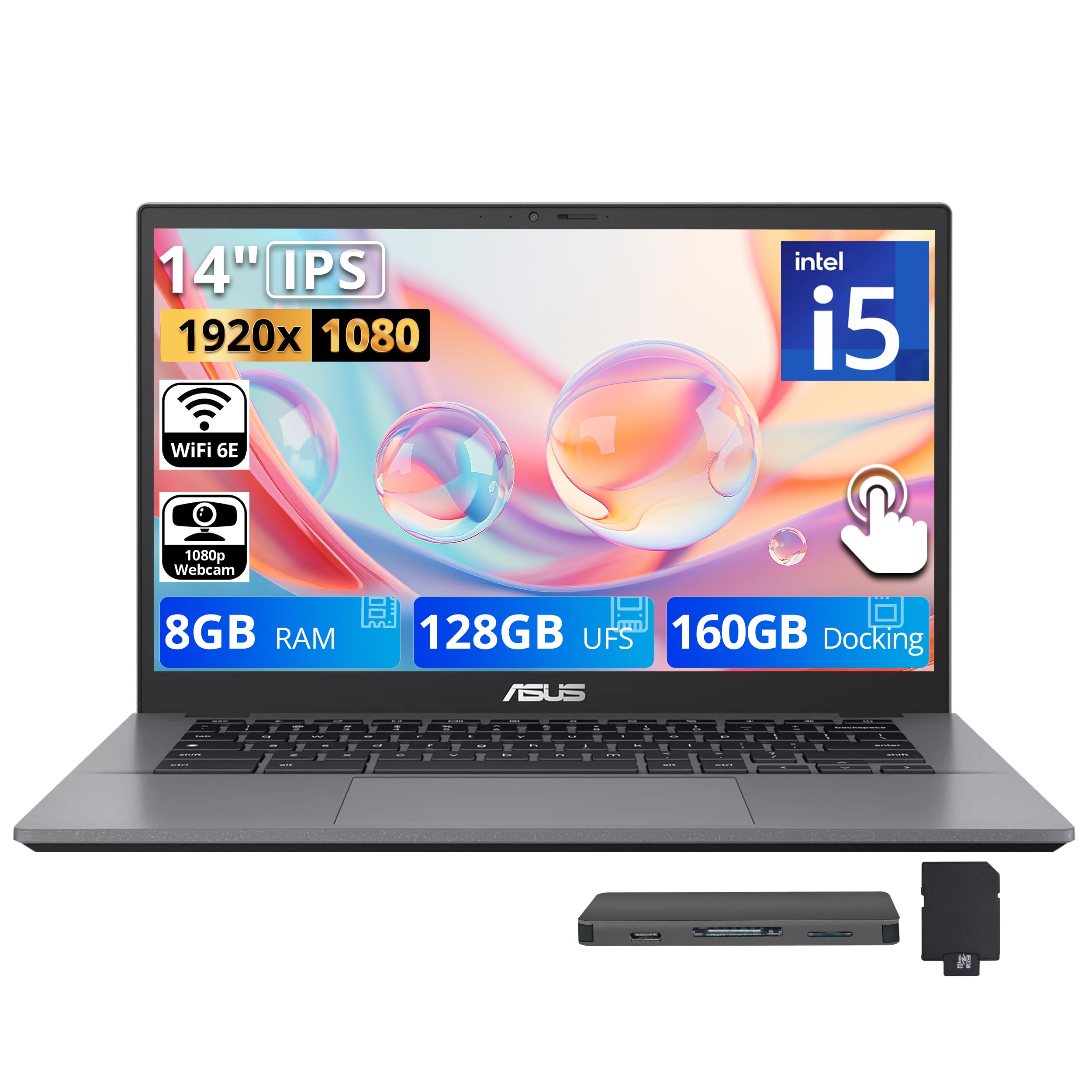
Asus organizes its range into recognizable families. Vivobook covers affordable everyday notebooks for school and office work, and Zenbook adds slimmer metal bodies and sharper OLED screens for people who travel. ProArt targets creators with color accurate displays, while TUF Gaming and ROG cover budget and premium gaming with stronger graphics and cooling. Chromebooks round out the line for browser based work at the lowest prices. Knowing which family matches your heaviest task narrows the field before you compare a single spec.
Frequently Asked Questions
How much memory do I need in a laptop?
For study and office work, ample memory for browsing with many tabs open plus documents is usually enough, while gaming, programming, and creative work benefit from more. If you keep many apps open at once, step up a tier. Also check whether memory can be upgraded later, which gives you a cheaper path to longer life.
Is a gaming laptop good for study or office work?
It can be, because gaming laptops are powerful, but they are often heavier, louder, and shorter on battery life than study focused models. If you also game, a gaming laptop can be a good single device. If you mainly study or work, a lighter laptop with better battery life is usually more comfortable daily.
Should I choose a larger or smaller laptop screen?
Smaller screens suit carrying and battery life, while larger screens suit long work sessions, creative tasks, and multitasking. Think about where you work most: a desk worker benefits from a larger screen, while a commuter benefits from a lighter, smaller one. An external monitor at home can give you both benefits.
How important is storage speed?
Storage speed affects how quickly the laptop starts, apps open, and files load, and it is noticeable every day. A fast solid state drive is now standard in most good laptops and is worth prioritizing over a larger but slower drive. If you store many large files, consider external storage rather than paying for huge internal capacity.
What warranty should I look for?
Look for at least a standard manufacturer warranty with clear local repair options, and consider extended cover if you travel or rely on the laptop for work. Check what accidental damage cover includes, because drops and spills are common. Keep purchase proof and warranty details somewhere safe from day one.
Final Thoughts
Choosing well is mostly about matching the product to your real life, not about finding a perfect option. Use the product table above to narrow the types, use the detail in this guide to judge features, and trust a choice that fits your budget, your routine, and your comfort. If you keep that focus, best asus laptops will serve you well for a long time, and you will know exactly why you chose it.