Best Asus Laptops for Students 2026 Guide
Disclosure: We may earn a commission when you buy through links on this page, at no extra cost to you. As an Amazon Associate I earn from qualifying purchases. Learn more

The best asus laptops for students balance weight, battery life, and keyboard comfort. Compare size, value, and specs for class and projects.
Choosing the best asus laptops for students starts with how you actually spend a school day, not with the fastest chip on the spec sheet. Most students carry a laptop between lectures, libraries, and group work, so weight, battery life, and a comfortable keyboard matter more than headline performance. A machine that survives a full day without a charger will serve you better than a powerful laptop that stays plugged in at a desk.
A good student laptop also needs enough storage for documents, slides, and media, plus a screen that stays readable in bright rooms. The comparison table below gives a quick side by side view, while the sections that follow explain each buying factor in plain terms. Use them to match a laptop to your course, your bag, and your budget.


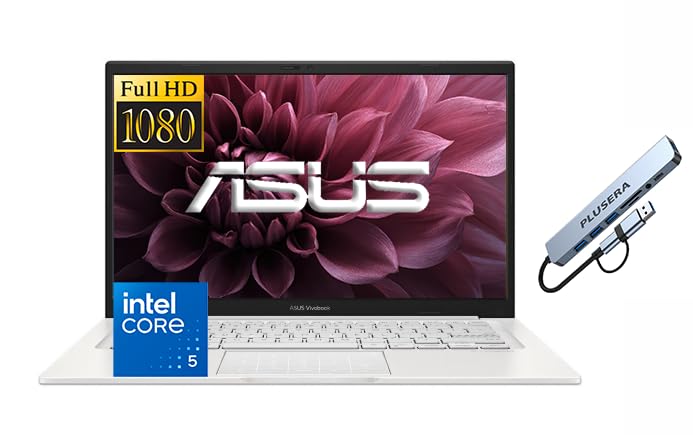


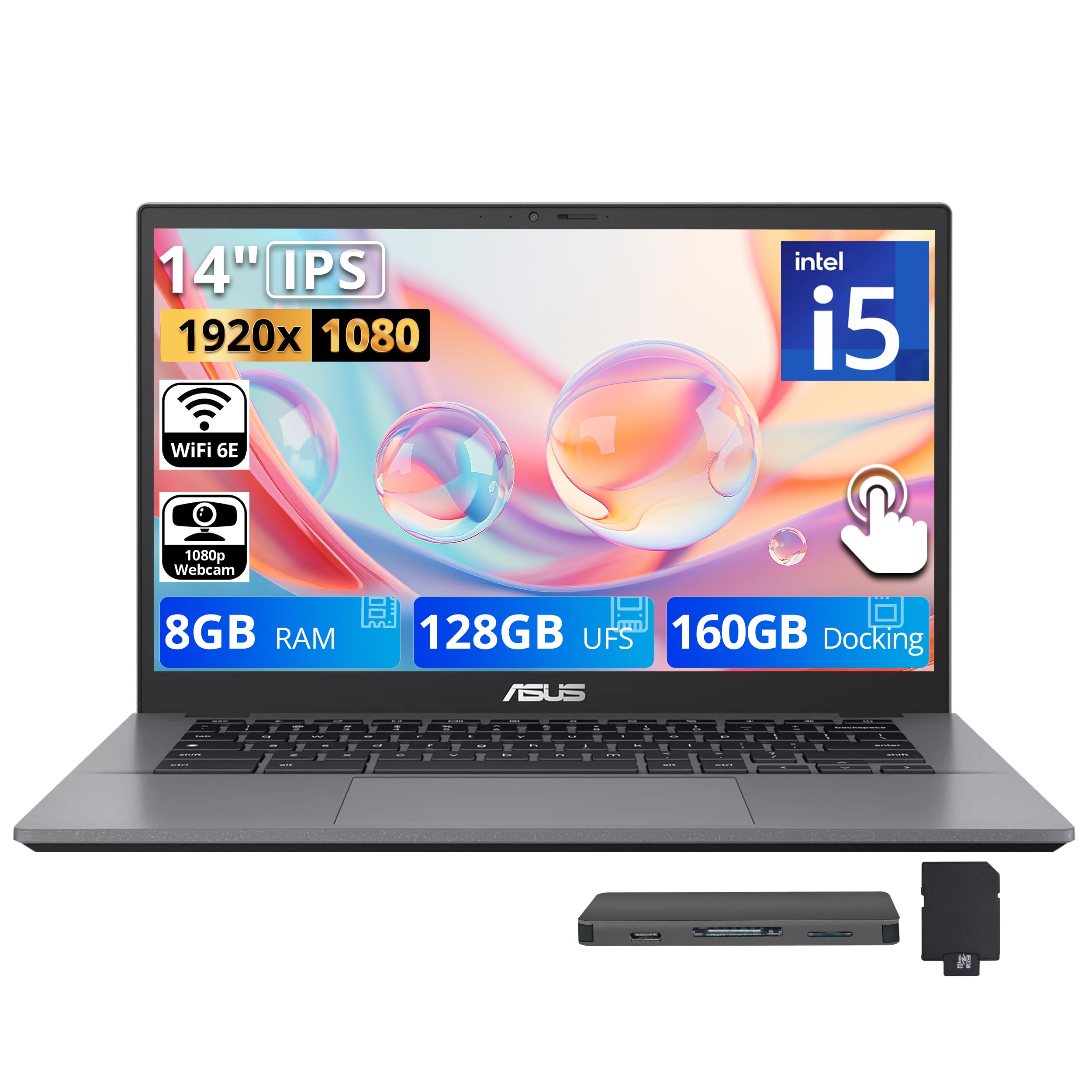
How Student Life Shapes the Best Asus Laptops for Students
A student laptop travels more than a desktop ever will, so size and weight deserve attention first. A 13 inch or 14 inch screen usually fits a backpack easily and still leaves room for typing comfortably. Larger screens show more of a document at once, but they add weight and can make a bag feel heavy after a long day on campus.
Battery life is the second daily factor, because lecture halls and libraries do not always offer a free socket. Look for a battery rating that covers your longest stretch of classes, and remember that bright screens and video calls drain power faster. A laptop that charges over a common USB C charger is also easier to top up from a shared cable or a portable battery pack.
Performance for Coursework, Not Just Gaming
Most coursework runs well on a modern mid range processor with enough memory to keep many browser tabs open at once. Research, writing, spreadsheets, and video lectures rarely need a high end graphics card. If your course involves video editing, 3D work, or large data sets, step up the processor and memory, but do not pay for gaming power you will never use.
Memory and storage choices affect how long the laptop stays useful. Sixteen gigabytes of memory keeps multitasking smooth, while a solid state drive makes start up and file opening feel fast. A 512 gigabyte drive gives comfortable room for projects and media, and cloud storage can cover overflow. Check whether memory or storage can be upgraded later, since that option extends the useful life of the machine.
Keyboard, Screen, and Camera for Daily Classes
You will type thousands of words each term, so try the keyboard feel if you can. Keys should travel enough to feel responsive without being loud in a quiet library. A backlit keyboard helps during evening study, and a precise trackpad reduces frustration when you work without a mouse.
The screen should be bright enough for rooms with overhead lights and large windows. A matte finish cuts reflections, while a sharp full high definition panel keeps text crisp during long reading sessions. A decent webcam and microphone matter for online seminars and group calls, so check their quality rather than assuming every built in camera performs well.
Ports, Connectivity, and Campus Software
Ports decide what you can plug in without carrying extra adapters. A laptop with USB A and USB C ports, plus a headphone jack, covers most student needs. If your course uses an external monitor or projector often, a video output port or a reliable adapter saves time before presentations.
Wireless connectivity should support current campus networks, and Bluetooth helps with headphones and accessories. Before buying, check that your university software runs on the operating system you choose. Most student tools work across major systems, but some specialist programs only run on one platform, so confirm compatibility early.
Budget, Warranty, and Buying Smart
Student budgets reward a clear priority list. Spend first on the screen, keyboard, battery, and build quality you touch every day. Save money by skipping a larger drive or a faster graphics chip unless your course genuinely needs them, since external drives and cloud storage are cheaper upgrades.
A warranty that covers accidental damage can be worth the extra cost for a laptop that travels daily. Keep the receipt and the serial number safe, and register the warranty promptly. Buying from a retailer with a clear return policy also protects you if the keyboard or screen does not suit you after a week of real use.
A Final Check Before You Order
Before you order, read your course requirements again and list the software you must run. Compare that list against the laptop memory, storage, and operating system, and confirm the weight you are willing to carry. Reading the product table above once more can help you spot a trade off you missed, such as a light laptop with a small battery.
Finally, set aside part of your budget for a protective sleeve and, if needed, a mouse for long writing sessions. Small accessories improve daily comfort far more than a slightly faster chip. With the right balance of portability, battery, and keyboard comfort, your laptop should carry you through several terms without complaint.
If you want to compare nearby options, our guides to best notebook laptops, best asus laptops, best quality laptops for students, best notebook laptops for students and best laptops for it students cover general notebooks, Asus models, and student focused picks in more detail.
Making the Most of Campus Software
Most student software runs through a browser or a lightweight app, so a mid range laptop handles it comfortably, but specialist courses change the picture. Engineering students may run simulation tools, media students may edit video, and design students may use large image files. Check your course software list before buying, and note any minimum memory or operating system requirements, since those details decide whether a cheaper laptop suffices or a stronger model is worth the cost.
Cloud tools reduce local demands, because documents, slides, and collaboration live online rather than on the machine. A reliable wifi connection and a browser with many tabs open matter more than a powerful processor for most coursework. Still, keep key files backed up locally as well as in the cloud, so a network outage before a deadline does not leave you stranded without your work.
Student discounts on software and hardware can stretch a budget noticeably. Many universities offer free or discounted office software, antivirus tools, and cloud storage, so check what your institution provides before paying for extras. Some retailers also offer education pricing on laptops, which may let you afford a better screen or more memory within the same budget.
Protecting Your Laptop Through Student Life
A laptop that travels daily needs protection beyond a padded sleeve. A hard shell case or a sleeve with corner reinforcement guards against knocks in a crowded bag, while a screen protector prevents scratches from pens and chargers. Keep liquids in a separate bottle pocket, since a spill inside a bag is one of the most common causes of student laptop damage.
Back up your work automatically to cloud storage and, ideally, to an external drive as well. Assignments represent weeks of effort, and a single backup is not enough if an account locks or a drive fails. Set backups to run daily, test restoring a file occasionally, and keep the external drive somewhere separate from the laptop when traveling.
Finally, record the serial number and keep proof of purchase somewhere safe, such as a photo stored in the cloud. If the laptop is stolen or needs warranty repair, those details speed up claims and service. A little organization now saves considerable stress later, especially during exam periods when time matters most.
Frequently Asked Questions
How much should a student spend on an Asus laptop?
A sensible student budget usually falls in the mid range, where you get a solid processor, enough memory, and a good screen without paying for gaming extras. Spending more makes sense only if your course needs heavier software, such as video editing or engineering tools. Always compare battery life and weight alongside price, since a cheap heavy laptop can cost you comfort every day.
Is a 13 inch or 15 inch laptop better for students?
A 13 inch or 14 inch laptop suits students who walk between classes and work in libraries, because it is lighter and easier to carry. A 15 inch screen suits students who mostly work at a desk and want more room for documents side by side. If you often present or share your screen, the larger display helps, but the extra weight is a daily trade off.
How much memory do students need?
Sixteen gigabytes of memory is a comfortable choice for most students, since it handles research tabs, documents, and video calls together. Eight gigabytes can still work for light coursework, but it may feel slow when many programs run at once. Students in media, engineering, or data courses should aim higher to keep large projects responsive.
Do students need a dedicated graphics card?
Most students do not need a dedicated graphics card, because coursework, writing, and video lectures run well on integrated graphics. A dedicated card matters for 3D modeling, video editing, and some engineering software. If your course list does not mention graphics heavy work, put that money toward battery life, storage, or a better screen instead.
What warranty should students look for?
Look for at least a one year warranty, and consider accidental damage cover if the laptop travels daily in a backpack. Accidental cover helps with drops and spills, which are common student risks. Keep proof of purchase safe, and check how repairs are handled, since a fast local repair service matters more than a long warranty with slow turnaround.
Final Thoughts
The best asus laptops for students balance portability, battery life, and a keyboard you enjoy typing on, rather than chasing the highest specification. Match the machine to your course software and your daily carry, and let the product table above guide the final comparison. A careful choice now should serve you well through lectures, assignments, and exams alike.