Best Asus 14 Inch Laptops by Budget: A Smart Guide for 2026
Disclosure: We may earn a commission when you buy through links on this page, at no extra cost to you. As an Amazon Associate I earn from qualifying purchases. Learn more

Compare the best asus 14 inch laptops by budget tier, and learn which display, processor, RAM, and port upgrades are worth paying for at each price.
Fourteen inches is the travel friendly size that still feels like a real work machine, and Asus sells more versions of it than almost anyone. Prices run from a few hundred dollars to well over a thousand, and the spec sheets blur together fast. This guide sorts the best asus 14 inch laptops by budget, showing what each price tier actually delivers, which upgrades earn their cost, and which ones you can safely skip.
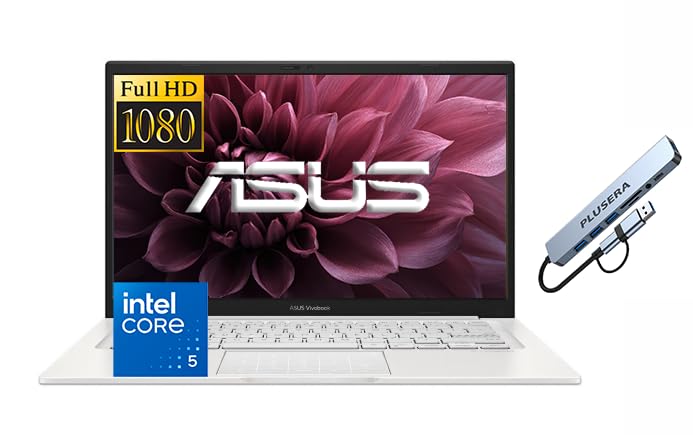
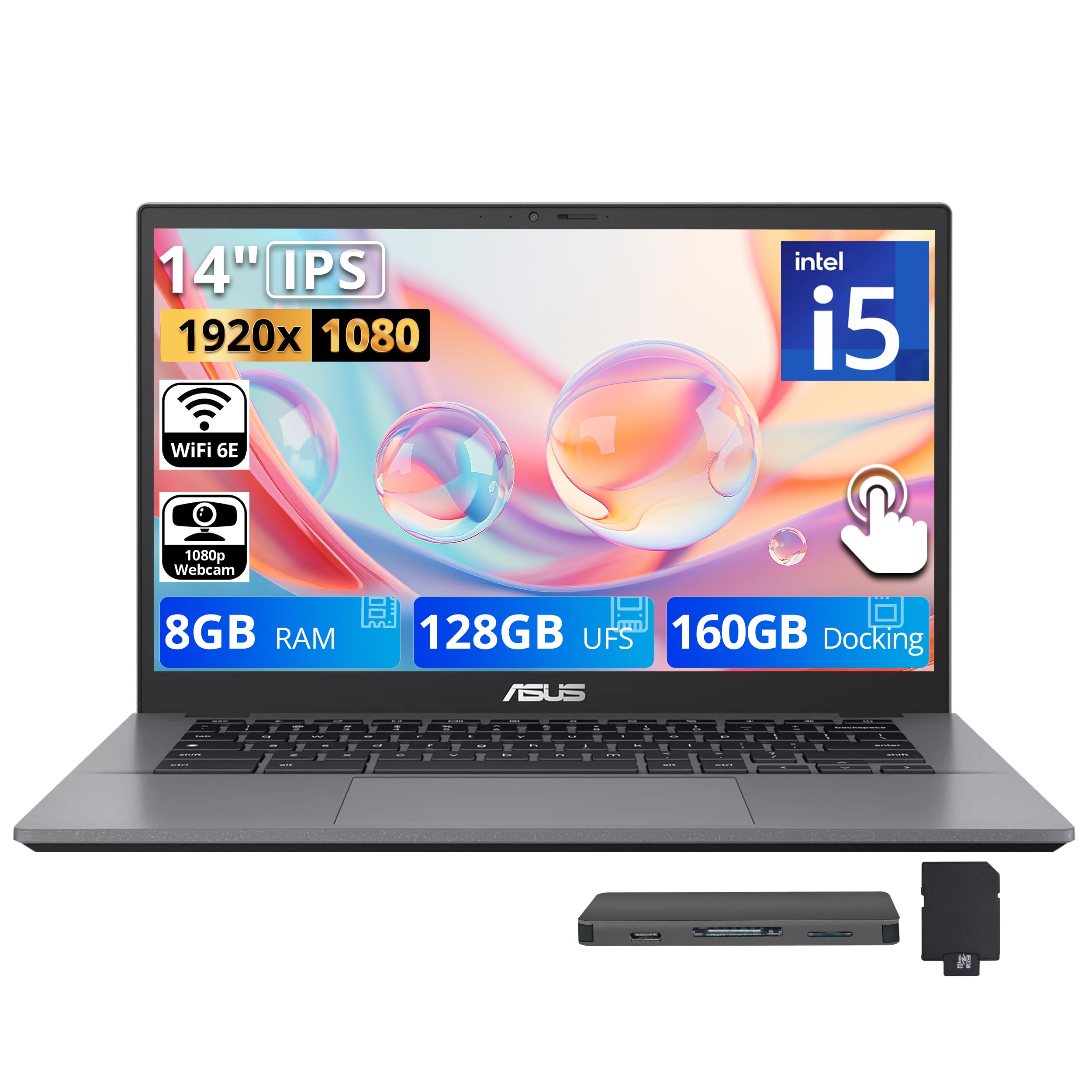
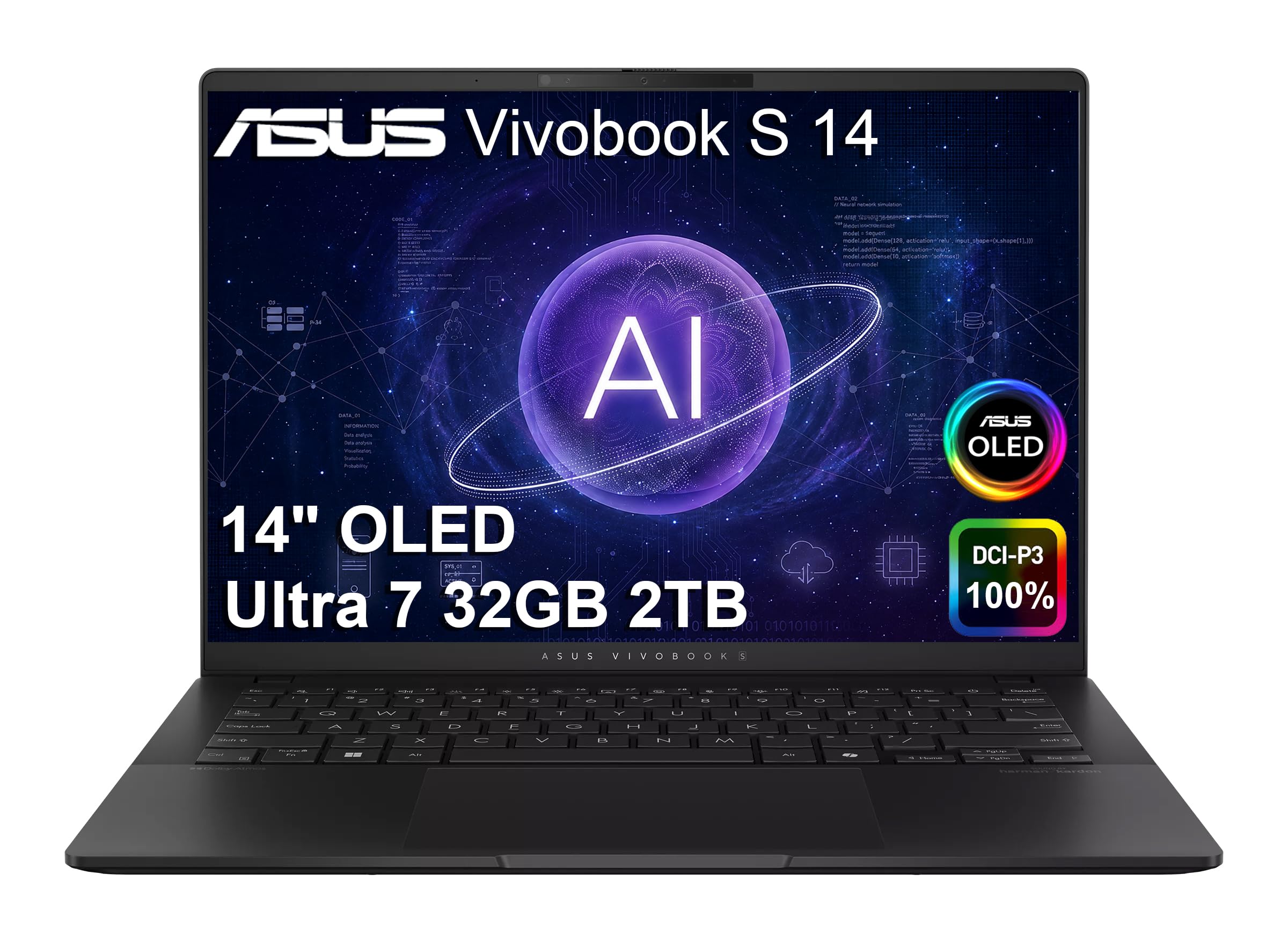
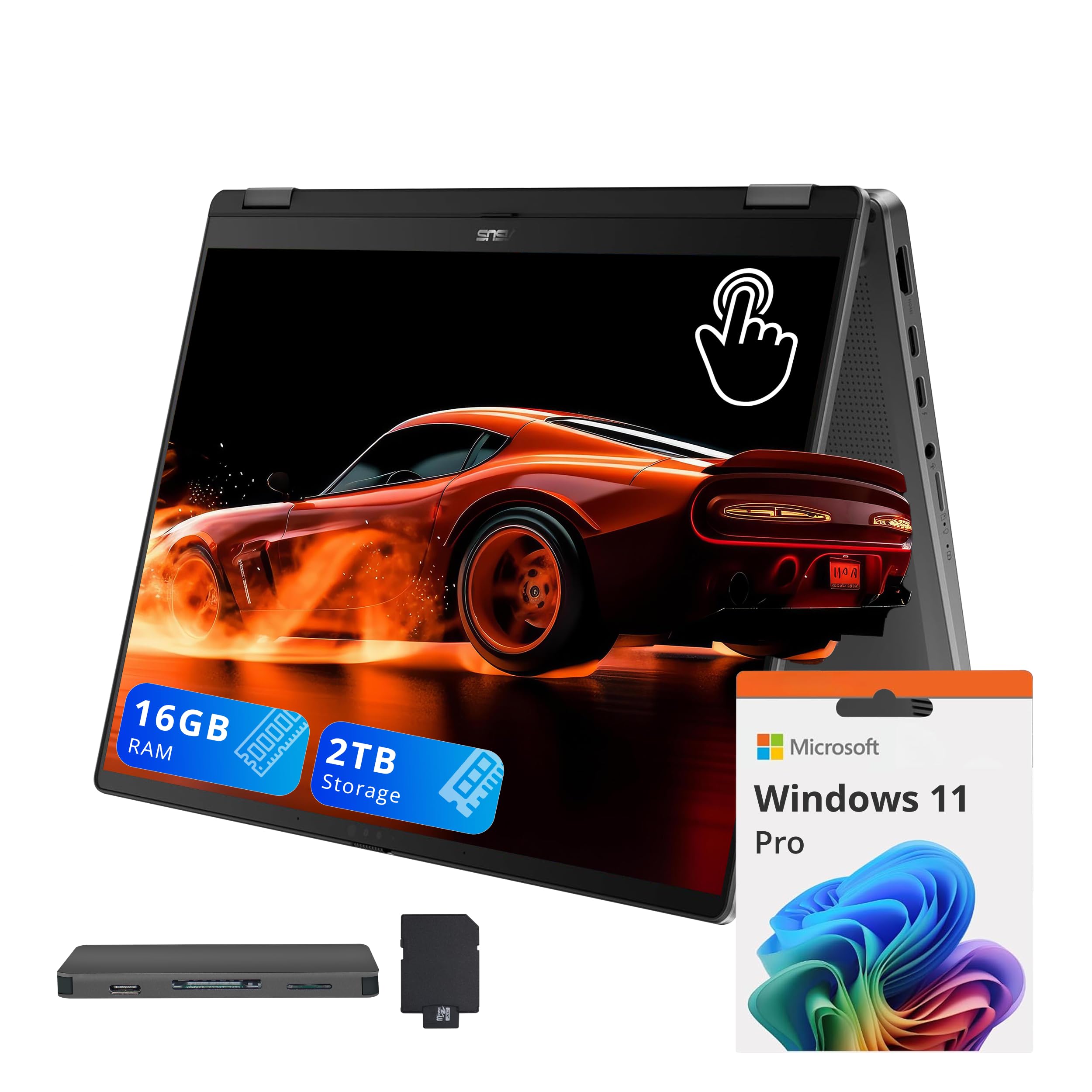
The comparison table below gathers the current field. Read the tier sections first if you are still setting a budget, because the right tier answers half the buying questions before you ever compare individual configurations.



Three Budget Tiers Worth Considering
Best Budget Tier
Budget Asus models, usually around $350 to $550, target schoolwork, browsing, email, and streaming. Expect a capable entry level processor, 8 GB of RAM, and a solid state drive of about 256 GB, with a full HD display on better examples. Build quality is mostly plastic, and screens tend to be dimmer, which matters near bright windows. For a student or a household second machine, this tier covers the essentials without waste, as long as you confirm the display is full HD rather than a lower resolution panel.
Best Midrange Tier
Midrange models around $600 to $900 are the sweet spot for most buyers. You typically gain a stronger processor, 16 GB of RAM, a 512 GB drive, a brighter and more accurate display, and a metal lid or full metal body that survives a commute. Battery life often stretches to a full workday of light use. If you keep a laptop for four or five years, this tier usually delivers the lowest cost per year, because nothing about it forces an early replacement.
Best Premium Tier
Premium Asus models at about $1,000 and up add vivid OLED displays, faster processors, lighter magnesium or aluminum bodies, and sometimes a dedicated graphics chip in a still slim frame. Weight can drop near 2.6 lb, which your shoulder notices on travel days. This tier suits creators, frequent travelers, and anyone whose laptop is their main income tool. The screen alone can justify the step up if you edit photos or watch a lot of video, since color accuracy improves in a way you see every hour.
What Your Money Gets You at Each Price Tier
Budget Tier: What to Expect
At the budget end, every dollar goes to the basics: a processor that handles documents and tabs, enough storage for school files, and a keyboard that holds up to daily typing. Trade offs show in screen brightness, speaker quality, and port selection, and gaming is limited to light titles at modest settings. Choose this tier when the workload is known and light. Comparing across brands at this size, our guide to the best 14 inch laptops shows how Asus pricing stacks up against the wider field.
Midrange Tier: The Sweet Spot for Most Buyers
Midrange money buys balance. Displays get brighter with better color, hinges feel firm, and webcams and microphones improve enough for clean video calls. You also see faster WiFi, backlit keyboards, and fingerprint readers appear as standard rather than rare. For office work, study, light photo editing, and casual gaming, this is the tier where regret is least likely. Spend here if you cannot name a specific premium feature you need, because the all round polish is what you feel daily.
Premium Tier: When Spending More Pays Off
Premium spending pays when it removes a daily friction: a dim screen, a heavy bag, or slow exports. OLED panels, high refresh rates, and stronger cooling under load are the honest reasons to pay more. Shoppers who game seriously at this size should also read our guide to the best 14 inch gaming laptops, where graphics power and cooling matter more than thinness. If your work is documents and browsing, premium features will delight you for a week and then fade into the background.
Features Worth Paying For (and Ones to Skip)
Operating System
Most Asus 14 inch models run Windows, which suits the widest range of software, from office suites to engineering tools. A smaller set runs ChromeOS, trading local software depth for simplicity, fast updates, and low prices that appeal to schools and casual users. Asus does not sell macOS, Android, or iPadOS machines, so if your household or workplace is built around those systems, factor conversion time into the decision. Choose the system your required apps demand, not the one with the longest feature list.
Ports and Connectivity
Ports decide how many dongles you carry. A good mix at any tier is two USB C ports, at least one full size USB port, HDMI for external displays, and a headphone jack. USB C with charging support lets you travel with one compact adapter. WiFi 6E or WiFi 7 adds speed on modern routers, though WiFi 6 remains fine for most homes. Readers who prize the smallest possible footprint can compare our guide to the best laptops under 14 inches, where port counts shrink further.
Graphics (Integrated vs Dedicated GPU)
Integrated graphics, built into the processor, handle office work, streaming, and light games while sipping power. A dedicated GPU adds real muscle for 3D work, video rendering, and modern games at higher settings, but it raises price, weight, heat, and fan noise. Buy the dedicated chip only when you can name the app or game that needs it. Everyone else gets a quieter, lighter, cheaper machine by staying integrated, and battery life thanks them for it.
Processor and Performance Tier
Current Asus lineups use Intel Core Ultra and AMD Ryzen processors, and both families handle everyday work with ease. The practical split is cores and sustained speed: higher tiers hold performance longer during exports and large spreadsheets. For documents, calls, and browsing, a mid tier chip paired with 16 GB of RAM feels fast for years. Spend on the processor when your work involves compiling, data analysis, or editing, and check the exact chip name, since similar model names hide real differences.
Long Term Costs to Factor In
The sticker price is only the start. Budget for a protective sleeve or bag, a spare charger for your desk, and possibly a USB C dock if you use an external monitor. Extended warranty coverage makes sense for students and travelers whose machines face daily knocks, less so for a desk bound home laptop. Storage you skip today can return as a cost later, because many slim models cannot be upgraded after purchase. Our wider guide to the best asus laptops tracks these ownership costs across the full brand range, and size comparisons in our guide to the best laptops 14 can help if you are still torn between screen sizes.
Frequently Asked Questions
Should I buy a laptop or a tablet?
Buy the laptop if you type long documents, run desktop software, or multitask with many windows, because a real keyboard and file system still win for school and office work. A tablet suits reading, drawing, and media on the couch. Detachable and convertible designs blur the line, yet they cost more for the same computing power. When in doubt, the laptop is the safer single device for most households.
Is a Chromebook enough for school?
For most primary and secondary school work, yes. Chromebooks handle browser based assignments, documents, and video calls well, and they cost less while updating themselves quietly. The limits appear when a course needs specific Windows software, offline heavy apps, or local storage for large media projects. Check the school software list first; if everything runs in a browser, a Chromebook is a sensible and sturdy choice.
Is a dedicated GPU worth it?
Only for buyers with a named reason: modern gaming, 3D modeling, or frequent video rendering. For office work, study, and streaming, integrated graphics deliver the same visible experience while costing less and lasting longer on battery. A dedicated GPU also adds fan noise under load, which matters in quiet classrooms and libraries. Spend the GPU money on RAM or a better screen instead if your workload is everyday work.
How much RAM do I need?
Sixteen gigabytes is the comfortable standard for most buyers today, keeping many tabs, documents, and calls running smoothly at once. Eight gigabytes still works for light browsing and writing, but it shows its age sooner as apps grow heavier. Thirty two gigabytes suits developers, heavy multitaskers, and creators with large files. Since many slim Asus models have soldered memory, choose for the years ahead rather than the month ahead.
How long should an asus 14 inch laptop last?
A midrange or premium model should serve about four to six years of daily use, while budget models often feel slow after about three years as software demands grow. Battery health is usually the first limit, with noticeable wear after a few hundred charge cycles. Gentle habits help: avoid constant full charges in hot rooms, keep vents clear, and update drivers through the maker support app a few times a year.
As you narrow your shortlist of the best asus 14 inch laptops, keep your top two priorities in front of you and drop any option that misses them.
Final Thoughts
Set your tier by workload, insist on a full HD or better display and 16 GB of RAM in the midrange, and skip upgrades you cannot name a use for. Those rules protect both your budget and your patience. When you are ready, the product table above lines up the best asus 14 inch laptops by price so you can confirm the tier, screen, and storage that fit your life.