
Best Astro Turf Boots: Stud Pattern, Fit and Cushioning Guide
Disclosure: We may earn a commission when you buy through links on this page, at no extra cost to you. As an Amazon Associate I earn from qualifying purchases. Learn more

Compare astro turf boots by stud pattern, fit, upper, and cushioning, with a clear checklist for firm synthetic pitches and league play.
Playing on short synthetic grass in the wrong footwear hurts in two ways. Firm ground cleats dig in and jar your knees, while flat trainers slide when you turn. The best astro turf boots solve both problems with short rubber studs, a secure fit and padding built for a hard surface. This guide shows you what to compare so you can read the product table with a clear plan.
Start with how and where you play. A weekly league player needs durability and grip for sharp cuts. A child at school training needs room to grow and a tough upper. A casual player may value soft cushioning most. The sections below match each need to stud pattern, fit, upper and price.
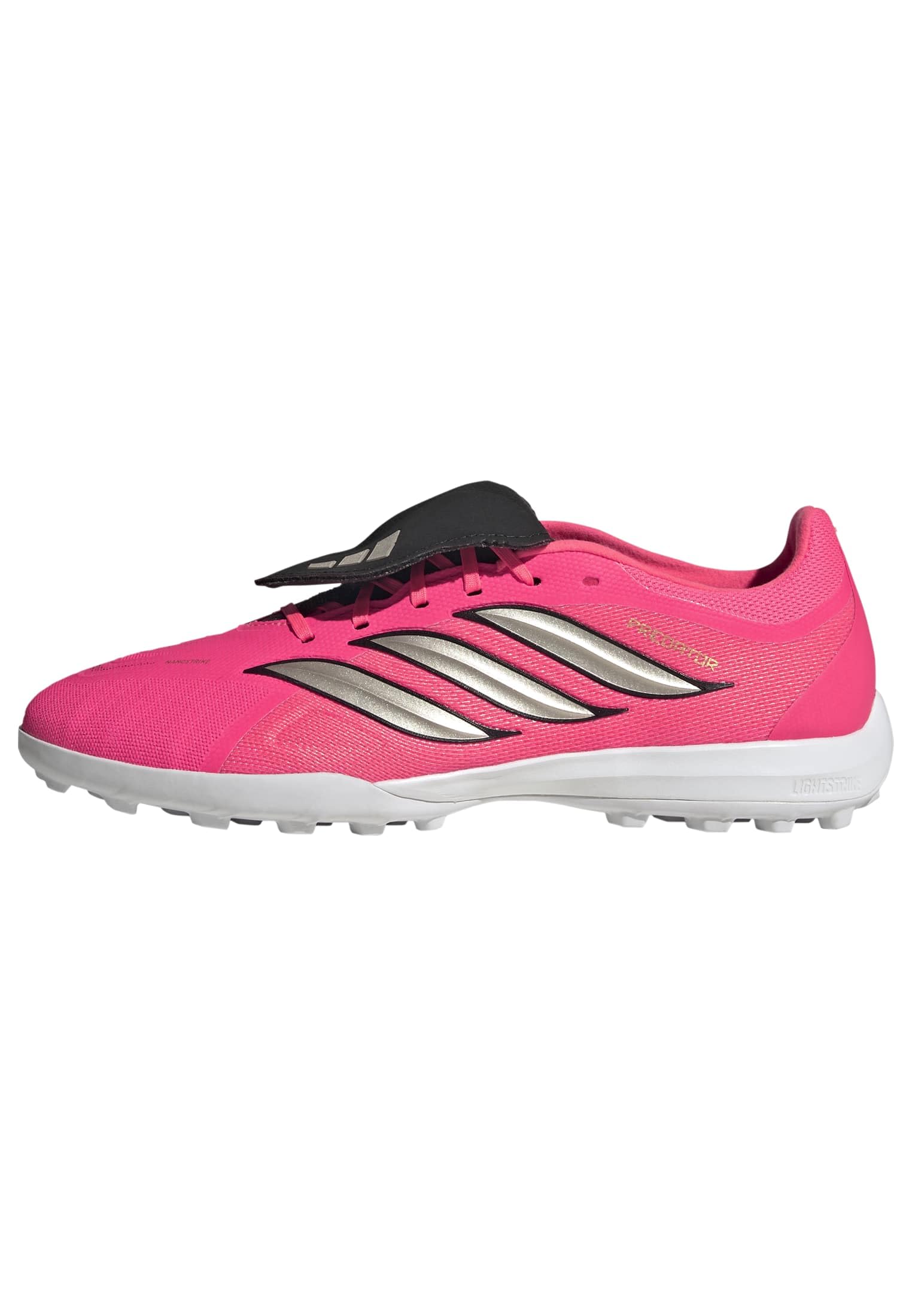
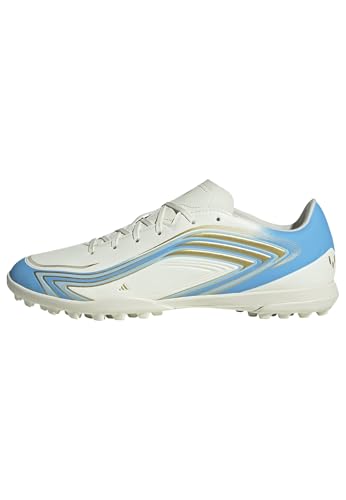

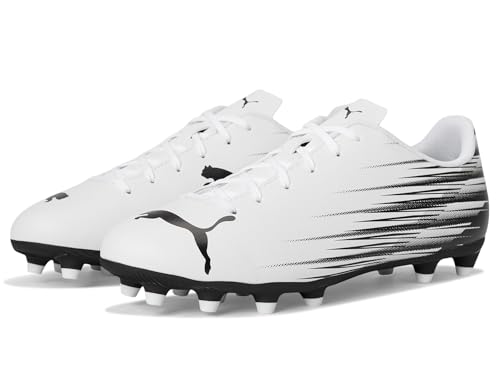

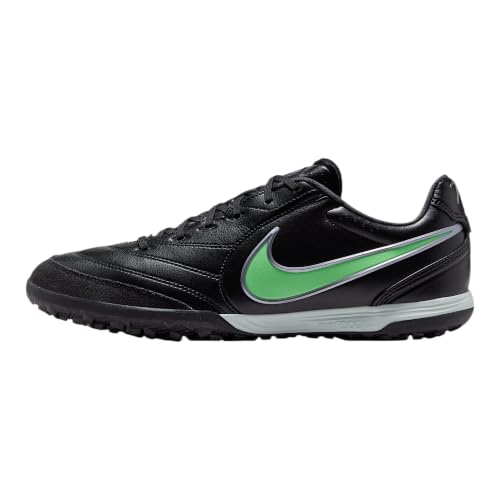
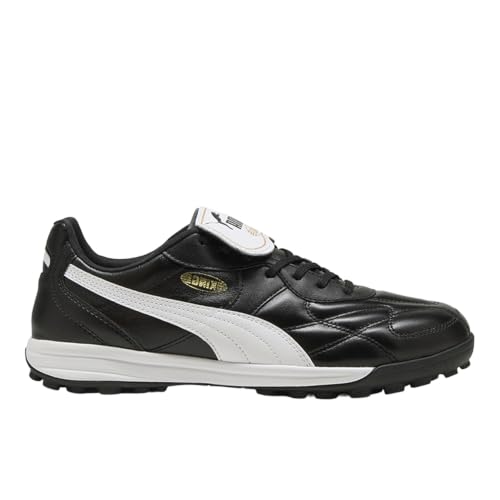

Who Should Buy Which Astro Turf Boots?
Your surface and playing style matter more than color or brand. Match your group below first, then narrow the shape and materials that suit you.
Weekly League Players on Synthetic Pitches
You play full matches on the same short turf week after week, so grip and durability come first. Choose a dense pattern of short rubber studs that spreads pressure across the forefoot and heel. Look for a snug midfoot, a padded heel and an upper that can handle repeated scuffs along the toe. If you play twice a week, expect the toe and the forefoot studs to wear fastest.
School and Youth Players Who Train Often
You need a boot that fits today, allows a little growing room and survives playground concrete before training. Choose a roomier toe box, simple laces that small hands can tie, and a tough synthetic upper that wipes clean. Avoid a very tight fit, because young feet swell during long sessions and a cramped toe causes blisters. Parents should check fit again after about three months.
Casual Players Who Want Comfort for Small Sided Games
You join friends for relaxed games and may stand or walk between spells of play, so comfort matters more than a feather light build. Choose a softer midsole, a wider fit and a flexible forefoot that bends easily at walking pace. A low cut collar keeps the ankle free. If you also coach or referee on turf, this style suits long periods on your feet.
Key Features of the Best Astro Turf Boots
Compare these factors in order, because stud pattern and fit decide whether a boot works on turf at all. When you choose the best astro turf boots for your own game, treat upper, cushioning and ankle height as the next filters.
Outsole Stud Pattern and Grip on Short Turf
The outsole carries many short rubber studs, often called nubs, spread across the whole sole instead of a few long cleats. This layout grips short synthetic fibers without sinking deep, so you can turn and stop with less twist at the knee. Look for studs under the heel as well as the forefoot, because braking loads the back of the foot. Avoid long blades or metal studs on turf, since they catch and can damage the surface.
Sizing Turf Boots for Artificial Pitches
Try boots late in the day with your match socks on, because feet swell with heat and play. Your longest toe should sit about a thumb width from the end, close to 8 to 12 mm, with no hard pressure on top of the toes. The midfoot should feel held when laced, while the heel stays still as you rise on your toes. Width varies between brands, so wide footed players should seek a broad toe box rather than a longer size, which leaves the foot sliding forward.
Upper Material and Ball Touch
Leather uppers feel soft, mold to your foot over a few sessions and give a cushioned touch on the ball, but they absorb water and need more care. Synthetic uppers stay lighter when wet and often cost less, though a stiff synthetic can feel less natural at first. Textured coatings add grip for passing in damp weather. Choose leather if touch leads your list, and synthetic if you play in rain.
Cushioning and Support Underfoot
Turf pitches sit over a firm base, so the ground returns more shock to your feet and knees than soft grass. A foam midsole or padded insole absorbs some of that load, and a firmer heel adds stability when you land. Players with flat feet often do better with firm arch support, while players with high arches often prefer more padding under the heel. If sharp heel or arch pain keeps returning, stop playing and talk with a clinician about your personal needs.
Ankle Height, Weight and Lace Lockdown
Low cut boots leave the ankle fully free and suit players who rely on quick turns. Mid cut and sock style collars cover the ankle bone and keep out loose rubber crumb, but they do not brace the joint like a medical support. Weight matters less than fit, yet a heavy boot can feel slow late in a match. Check the top lace holes too, because an extra eyelet lets you lock the heel down during hard stops.
Types of Astro Turf Boots Compared
Most turf boots fall into three broad styles, split by upper, collar and pace of play.
Classic Low Cut Turf Boots for Quick Turns
This is the standard style, with a low collar, full laces and a flat rubber studded sole. It suits most league and training use because it feels familiar and allows fast ankle movement. Players who want one pair for varied small sided games usually start here.
Sock Collar Turf Boots for a Close Fit
A stretch collar rises around the ankle and gives a close, sock like feel. It keeps pitch crumb out and can feel secure for players who dislike heel movement. The trade off is a tighter entry, which can frustrate younger players or anyone with a high instep. Try this style on in person if you can, because collar stretch varies more than lace adjustment.
Leather Turf Boots for Touch and Durability
Leather models favour ball feel and a fit that improves as the upper softens. They suit regular players who value control and who will clean their boots after wet sessions. They usually cost more, often about $70 to $120, while basic synthetic pairs often cost about $40 to $80.
Common Mistakes to Avoid
- Wearing long firm ground cleats on turf raises pressure under your feet and risks a twisted knee when a stud catches.
- Buying boots a full size too large lets your foot slide forward, which blackens toenails during hard stops.
- Choosing by color alone can leave you with a narrow last that squeezes wide feet all season.
- Using turf boots on wet natural grass gives too little grip, so you slip when you turn at pace.
- Leaving wet boots sealed in a gym bag softens glue, cracks uppers and creates a lasting smell.
Care and Maintenance for Astro Turf Boots
Knock the soles together after each session to clear rubber crumb and grit from between the studs, then brush the outsole weekly. Grit left in place dulls grip. Wipe synthetic uppers with a damp cloth, and clean leather with a soft cloth and a little leather balm once it looks dry.
Loosen the laces, pull the tongue open and air dry your boots at room temperature away from radiators and direct sun, because strong heat warps soles and cracks leather. Remove the insoles to dry separately after wet games. Retire a pair when the forefoot studs are worn smooth, the upper splits at the toe, or the heel lining tears.
Related Guides
For the wider category, see the best turf boots guide.
Frequently Asked Questions
How should astro turf boots fit for soccer on synthetic grass?
Astro turf boots should fit snugly through the midfoot with about a thumb width of space in front of your longest toe. A short jog and a sharp stop at home on carpet show forward slide at once. If your heel lifts, try the extra top eyelet before you change size.
Can you wear astro turf boots all day off the pitch?
You can wear astro turf boots for short walks, but they are not ideal as all day shoes. The studded sole feels firm on hard floors and the studs wear down quickly on concrete, which shortens their life on the pitch. Keep separate everyday shoes for long days on pavement, and save your turf boots for training and matches.
How often should you replace astro turf boots used on synthetic grass?
Replace astro turf boots when the forefoot studs look smooth or uneven, often after about one to two seasons of weekly play. A simple check is to press a fingernail into a worn stud, because fresh rubber feels springy while worn rubber feels hard and flat. Players who train on older, rougher turf will reach that point sooner.
Do you need waterproof astro turf boots for rainy matches?
No, you do not need fully waterproof astro turf boots for most rainy matches. Synthetic uppers already shed light rain, and most turf play lasts an hour or two, so quick drying matters more than a waterproof lining, which can also feel warm in summer. If you play through winter rain, pack dry socks for halftime and dry the boots that evening.
How long does the break in period last for new astro turf boots?
Most new astro turf boots feel comfortable after about two to four short sessions. Synthetic models usually need less time than leather, which softens more slowly but then holds its shape well. Wear new boots for training before a full match, and add tape to any hot spot on the heel during the first week so a small rub does not end your session early.
Final Thoughts
Put stud pattern and fit first, then choose the upper and collar that suit your weather and style of play. A boot that grips short turf and holds your heel will serve you better than a costly model in the wrong shape. Use the product table to check sizes, widths and current prices.
When you shop for best astro turf boots with those points in mind, the right pair is usually easy to spot. Buy for your surface, and care for the boots after each session.


