
Best Astro Cameras: Sensor, Cooling and Telescope Fit Guide
Disclosure: We may earn a commission when you buy through links on this page, at no extra cost to you. As an Amazon Associate I earn from qualifying purchases. Learn more

Compare astro cameras by sensor size, cooling, pixel size, and telescope fit, with a clear checklist for planetary and deep sky imaging.
A camera that shines in daylight can struggle under a dark sky, where your target may be fainter than the glow of a distant town. The best astro cameras gather weak light over many minutes, keep noise low, and fit the telescope you already own. This guide shows you how to judge sensor, cooling and fit so you can read the product table with a clear plan.
Start by naming your main target. Planets and the Moon reward speed and a small field, while galaxies and nebulae reward sensitivity and patience. Your telescope, mount and sky brightness narrow the field further, and the sections below match each need to the traits that serve it.





Who Should Buy Which Astro Camera?
Choose by the pictures you want most, not by the largest sensor on the page. A camera that suits one target can waste money on another.
Planetary and Lunar Imagers
You shoot bright targets in short bursts, stacking thousands of quick frames to freeze brief moments of steady air. Choose a small sensor with a fast frame rate and a region of interest mode that crops the view for more speed. Cooling matters little for you, because each frame is brief. A compact body also keeps weight low on the focuser.
Deep Sky Beginners With a Small Refractor
You are learning guiding, stacking and processing, so a forgiving camera matters more than a huge one. Choose a color sensor of modest size that covers your refractor field without showing weak corners. Simple cooling or none can be enough while your exposures stay short. If you are also choosing a first general camera, see our guide to the best starter cameras for the wider basics.
Experienced Imagers Chasing Faint Nebulae
You already guide well and process with care, so sensor noise is now the limit you feel most. Choose a cooled model with low read noise and, if your budget allows filters and extra time, a monochrome sensor. A larger sensor can frame wide nebula fields in fewer panels, but only if your optics light the full area evenly.
Key Features of the Best Astro Cameras
When you compare the best astro cameras side by side, work through the five factors below in order, because each limits the next.
Sensor Size and Pixel Size
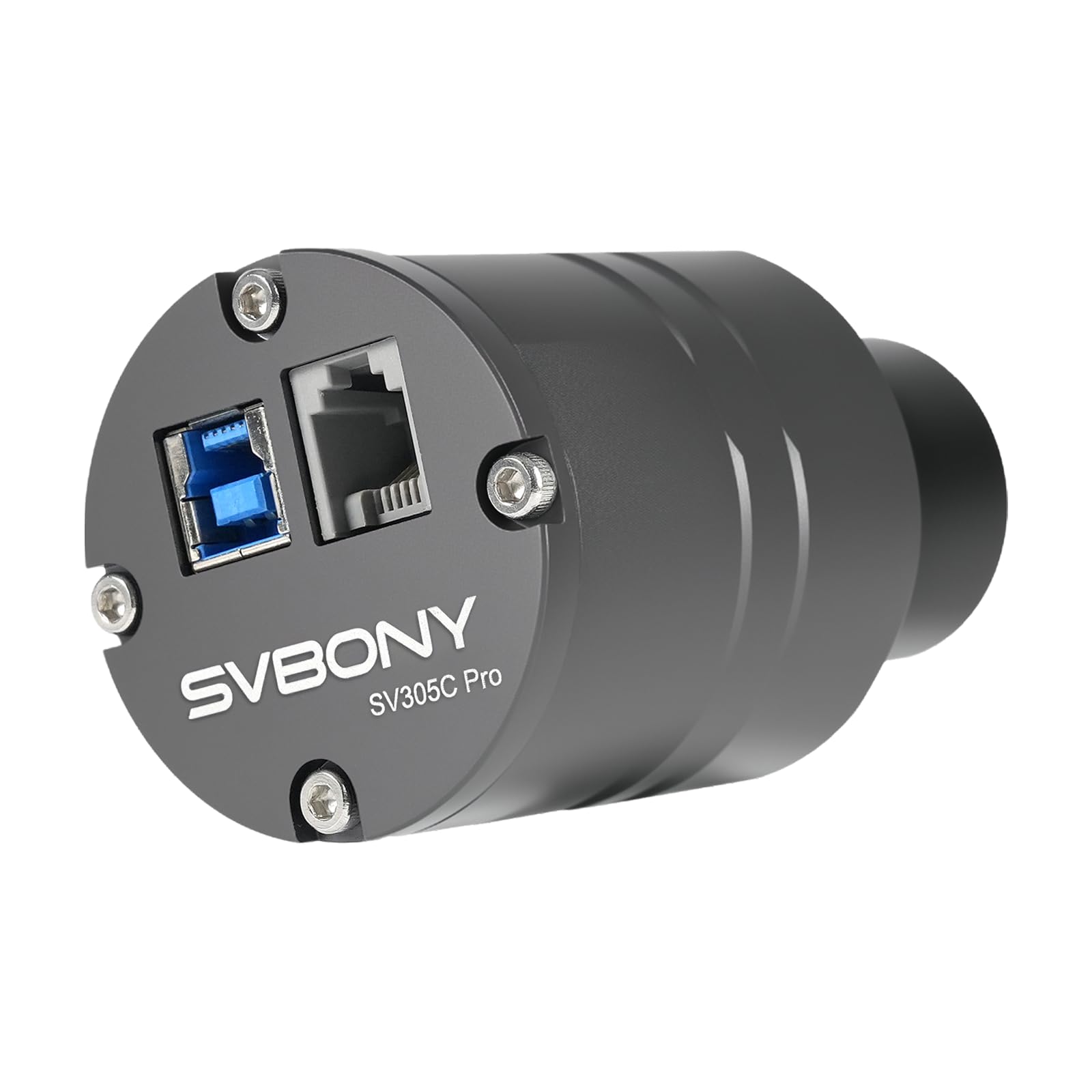
Sensor size sets how much sky you record at once with a given telescope. A larger sensor frames wide targets in one shot, but it demands optics that stay sharp to the corners. Pixel size works with focal length to set sampling, meaning how finely the image records detail. Pixels that are too small spread faint light too thin, while pixels that are too large soften fine detail. Match pixel size to your focal length rather than chasing megapixel count.
Cooling and Dark Current
Warm sensors add dark current, a false signal that grows during long exposures and shows as grain in faint areas. A thermoelectric cooler can hold the sensor well below the night air temperature, which keeps that noise steady and easier to remove with calibration frames. Cooling helps deep sky work far more than planetary work. Look for a stated temperature drop, a window heater to fight dew, and a 12 volt power input, because most coolers cannot run from USB power alone.
Sensitivity, Read Noise and Bit Depth
Quantum efficiency tells you what share of incoming light the sensor turns into signal, and higher values help most on faint targets. Read noise is the small error added each time a frame is read out, so lower read noise lets you use shorter sub exposures without losing faint detail. Bit depth of 12, 14 or 16 bits records finer steps between dark and bright, and a deep full well holds bright star cores longer before they clip.
Color or Monochrome Sensor
A color sensor records a finished color image in one sequence, which keeps your workflow simple and your filter budget at zero. A monochrome sensor records all light at every pixel, so it resolves finer detail and works well with narrowband filters under bright skies. The trade is time and cost, because you shoot through separate filters and combine the results later. Pick color for ease, and monochrome when sensitivity matters more than speed.
Frame Rate, Back Focus and Connections
Planetary work rewards high frame rates at small crops, while deep sky work rewards clean long exposures, so check both modes rather than one headline number. Back focus is the fixed distance from sensor to camera front, and it must leave room for any flattener, filter wheel or adapter in your train. Most models connect by USB and use common threads or a 1.25 inch nosepiece. Confirm driver support for your capture software before you buy.
Types of Astro Cameras Compared
Dedicated astro models differ from the general best digital cameras most readers know, because they trade screens and dials for sensor control and computer capture. The three types below cover almost every night sky goal.
Cooled Deep Sky Cameras
These cameras pair a larger sensor with active cooling and are built for exposures that run for minutes at a time. They suit galaxies, nebulae and star clusters shot through a telescope on a guided mount. Expect higher prices and longer setup, repaid by cleaner faint detail.
Planetary Cameras
These compact models use small, fast sensors to record video style bursts of the Moon and planets. Software then keeps the sharpest frames and stacks them into one clear image. They cost less than cooled models and can serve bright deep sky targets, though their narrow field limits wide scenes.
Guide Cameras That Can Also Image
A guide camera normally watches a guide star so your mount can correct small tracking errors during long exposures. Sensitive models can also capture the Moon, planets and bright clusters on nights when you travel light. If you shoot both stills and night scenes, our guide to the best cameras for photography covers the daylight side of that mix.
Common Mistakes to Avoid
- Buying a sensor larger than your telescope image circle leaves dark, soft corners that cropping cannot fully forgive.
- Ignoring pixel size and focal length pairing gives you an image that is either needlessly soft or spread too thin and noisy.
- Forgetting the spacers a flattener needs puts back focus off target, so stars stretch near the edges of every frame.
- Powering a cooled camera from a weak supply causes shutdowns that can end a clear night session early.
- Choosing monochrome without budgeting for filters and a wheel leaves the camera unable to make a color image at all.
- Running a long, loose USB cable invites dropped frames and lets the cable drag on the mount.
Care and Maintenance for Astro Cameras
Keep the sensor window clean and dry, because dust close to the sensor shows as dark spots in every frame. Use a hand air blower first, and touch the glass only with a proper lens tissue if a spot stays. Cap the camera whenever it leaves the telescope, and store it in a padded case with a fresh desiccant pack.
After a cold night, place the camera in a sealed bag before you bring it indoors, so condensation forms on the bag rather than on the window. Let it warm slowly before you open the bag. Ease the cooler down in steps at session end, and check cables and threads each season for wear.
FAQ
How much should you spend on a first astro camera?
Many first astro cameras cost about $300 to $900, while cooled deep sky models often run about $900 to $2,500. Keep part of your budget outside the camera, because a steady mount, a guiding setup and a field power source shape your results as much as the sensor does. Spending everything on the camera and nothing on support gear is the most common budget error new imagers make.
Which astro camera sensor works better for faint deep sky targets?
A cooled monochrome sensor usually works better for faint deep sky targets, because cooling cuts dark current and every pixel gathers light for each color channel in turn. A color sensor can still do fine work, and it finishes an image in less time. Under heavy light pollution, the monochrome route gains even more, since narrowband filters can block much of the sky glow.
What does pixel size mean for an astro camera on your telescope?
Pixel size, measured in microns, works with focal length to decide how much sky lands on each pixel. A long focal length with very small pixels magnifies tracking errors and spreads faint light thin. Before you buy, try the camera in a free field of view calculator with your telescope, and confirm your favorite targets still fit the frame.
What specs matter most for a beginner astro camera?
Low read noise, a sensor size your optics can cover, and simple software support matter most for a beginner astro camera. One practical point to add is file size, because a large sensor can fill a laptop drive in one long session. Start with a camera your current mount can carry and guide well, since sharp tracking beats extra resolution you cannot hold steady.
Is a smartphone enough for astrophotography instead of an astro camera?
A smartphone is enough for bright Moon shots, wide Milky Way scenes and your first taste of stacking, but it is not a full substitute for an astro camera on a telescope. Phone sensors are tiny, their processing fights the manual control faint targets need, and heat builds fast in long sessions. An eyepiece adapter can bridge the gap and shows you whether the hobby holds your interest.
Final Thoughts
Match the camera to your main target first, then check pixel size against your focal length, cooling against your exposure length, and back focus against the gear in your imaging train. Those checks rule out most poor fits before price enters the talk. Use the product table to confirm sensor size, cooling and connection details for your short list.
Chosen that way, the best astro cameras stop being a spec contest and become the right tool for your sky, your telescope and your patience. Start with the type that fits your favorite targets, learn its calibration steps well, and let better technique drive your next upgrade.


