
Best Asics Walking Shoes for Plantar Fasciitis: Heel and Arch Guide
Disclosure: We may earn a commission when you buy through links on this page, at no extra cost to you. As an Amazon Associate I earn from qualifying purchases. Learn more

Heel cushioning, arch support, and a smooth roll matter for sore feet. See how to choose the best asics walking shoes for plantar fasciitis.
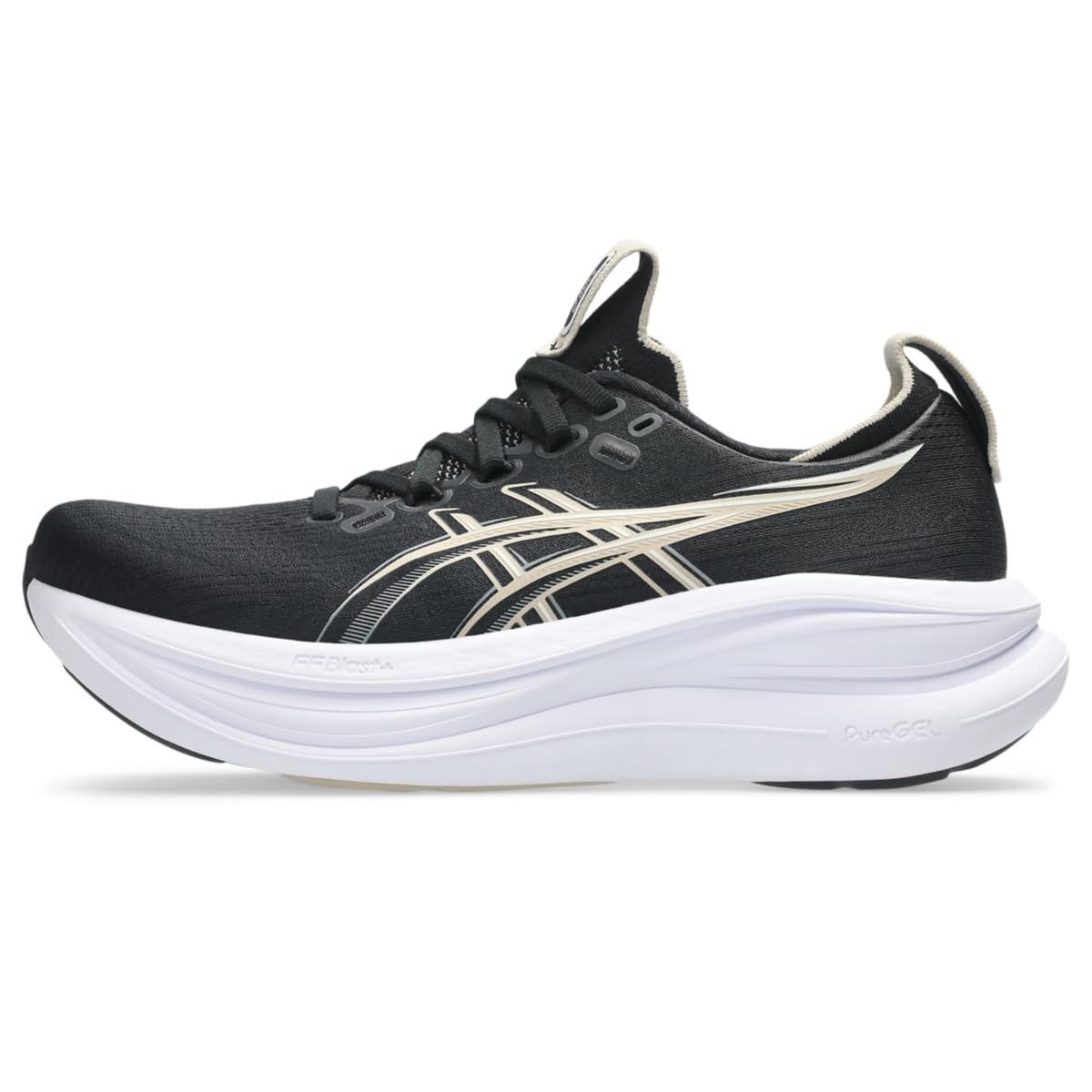
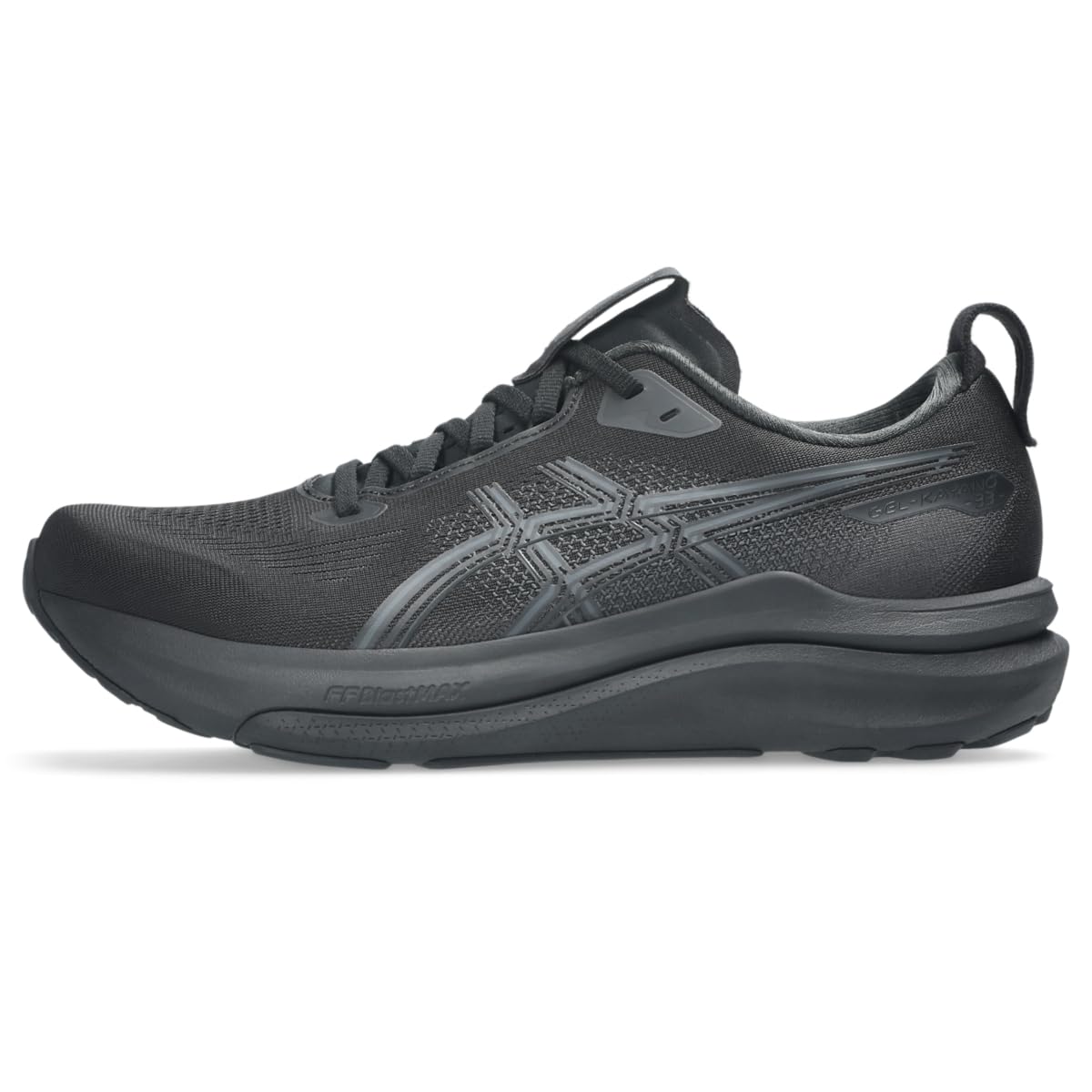
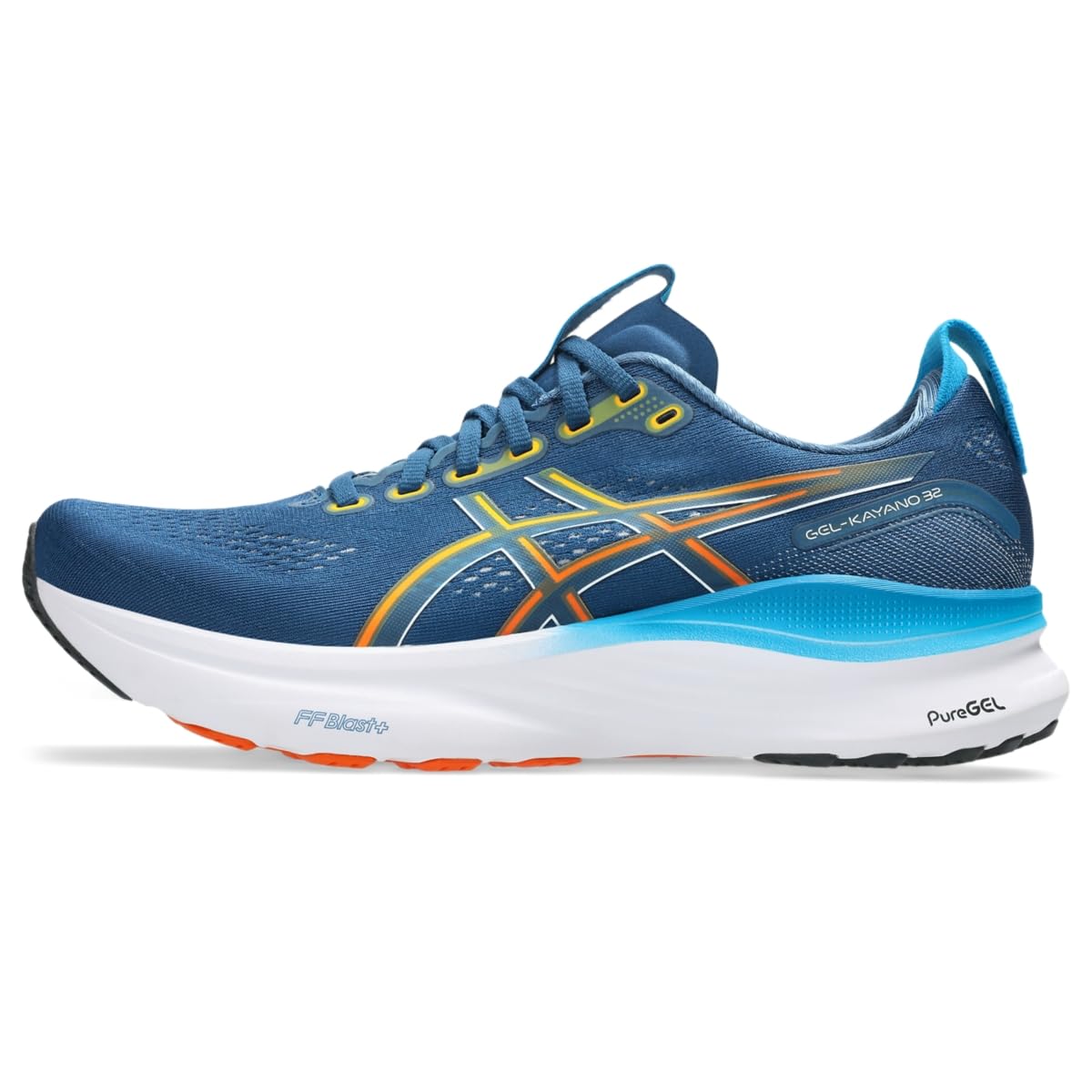
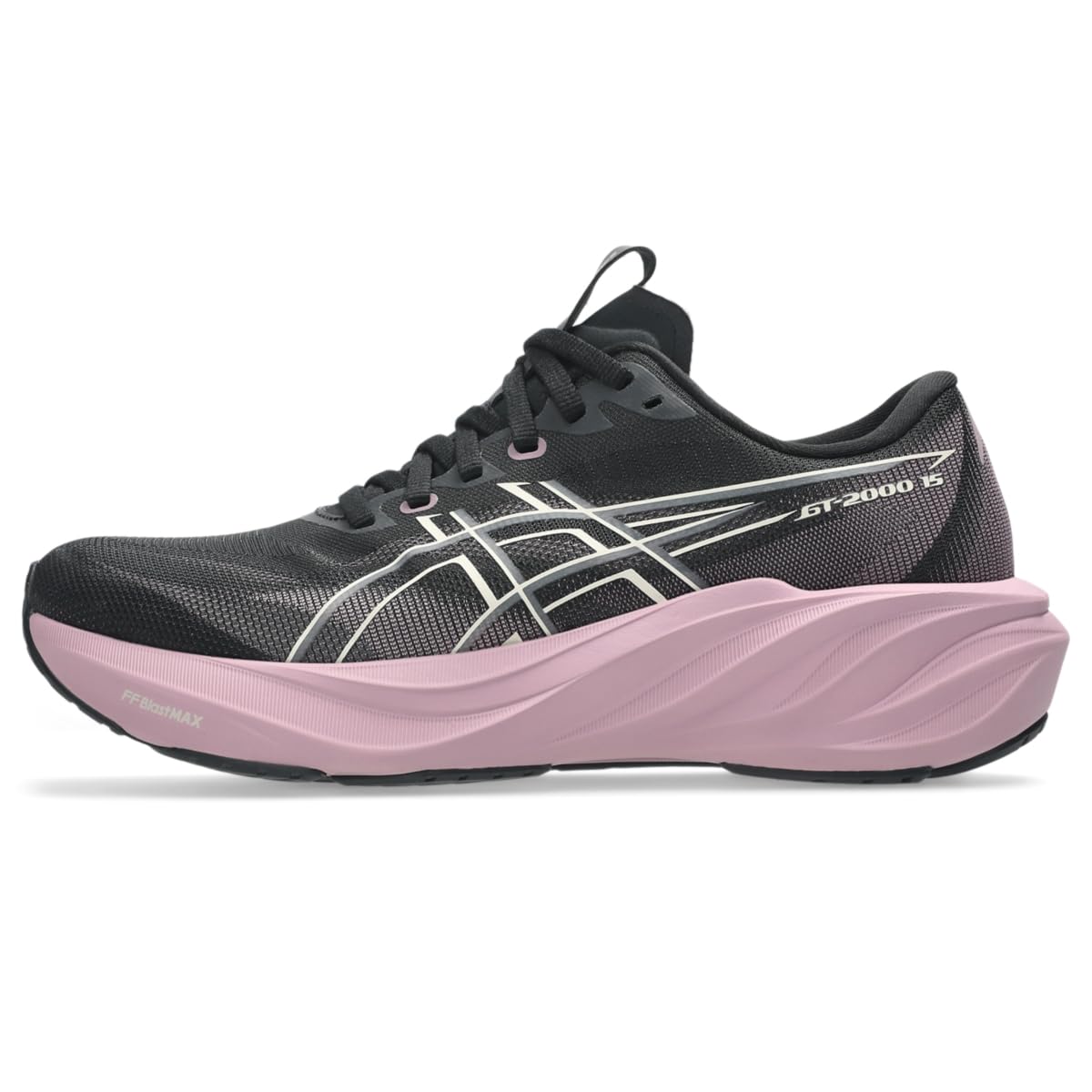
Finding the best asics walking shoes for plantar fasciitis is about heel cushioning, arch support, and a smooth walking ride that reduces strain on the irritated fascia. Walking multiplies steps across a day, so a shoe that feels fine for a quick shop trip may ache after an hour. This guide explains Asics features that help, fit checks that matter, and when pain needs professional care.
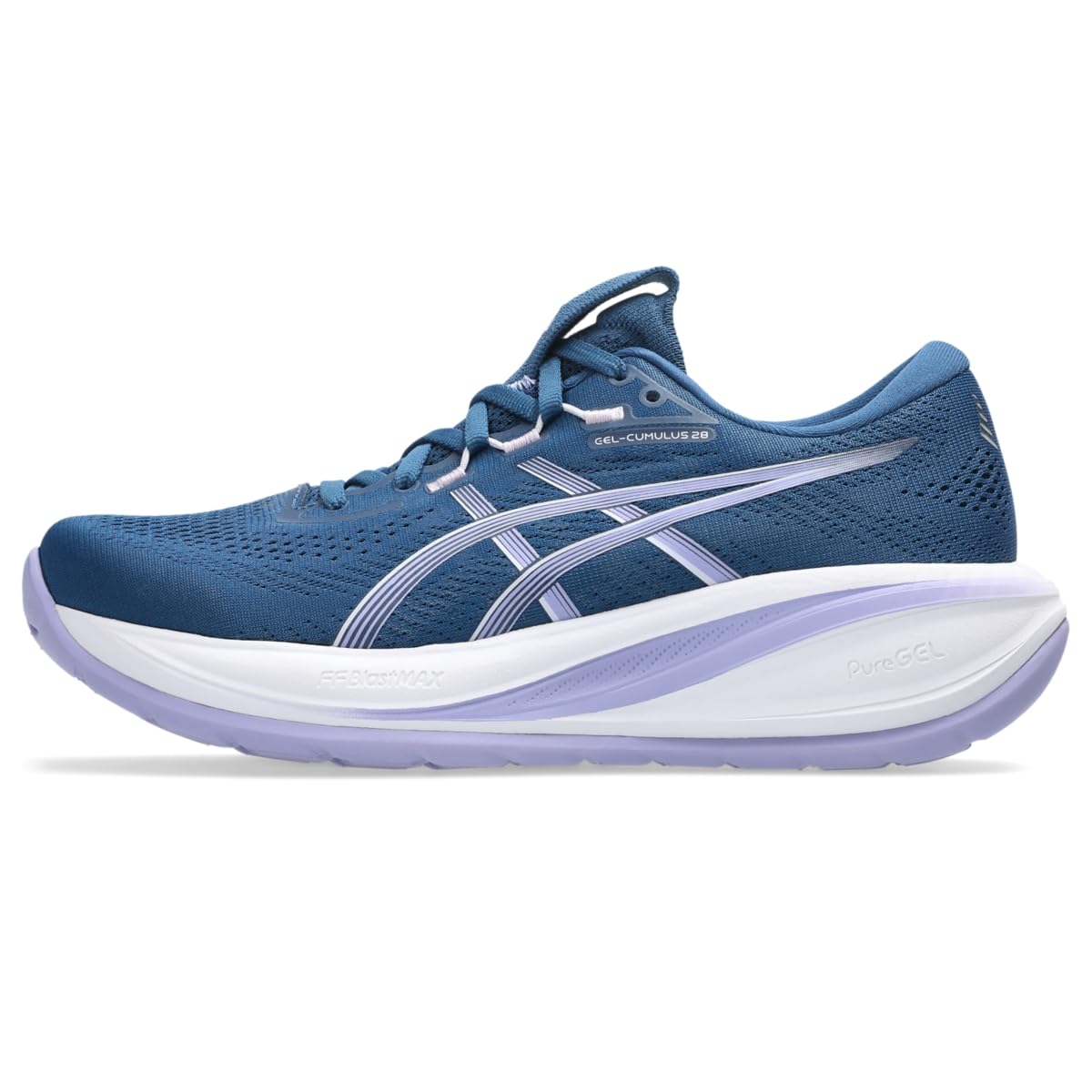
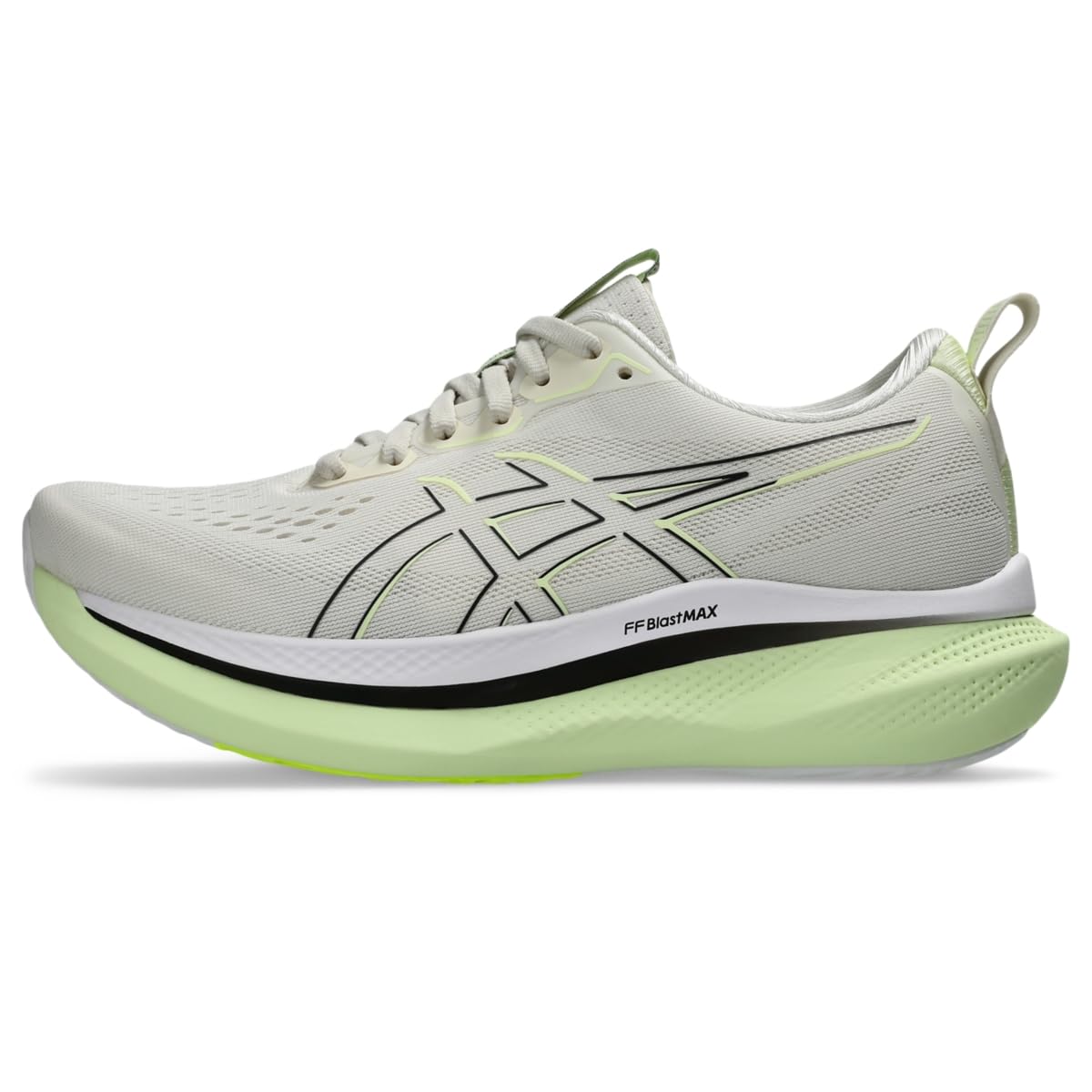
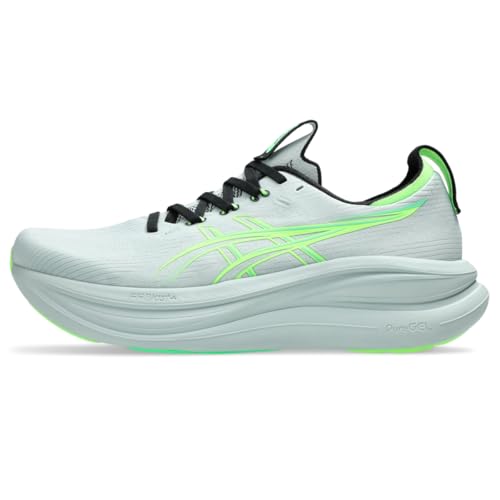
The comparison table below lists cushioning types, support features, and walking uses side by side. Use it to narrow your shortlist, then try shoes later in the day when feet are slightly larger. If pain is severe, sudden, or linked to swelling, numbness, or a recent injury, talk with a clinician or podiatrist before relying on footwear alone.



Why Walking Shoes Differ for Heel Pain
Walking shoes need a smooth heel to toe roll, generous heel cushioning, and arch support that holds through thousands of steps. Running shoes prioritize impact at higher speeds, while walking shoes suit slower, longer efforts with a more flexible forefoot for a natural step. For plantar fasciitis, that walking specific ride reduces repeated fascia stretch better than a generic cushioned shoe.
Heel cushioning matters most at strike, when the heel meets the ground with full body weight. Gel and foam combinations in the heel soften that landing, while a supportive midfoot prevents the arch from collapsing as weight rolls forward. A shoe that cushions well but lets the arch collapse still strains the fascia, so both features must work together.
Arch Support in the Best Asics Walking Shoes for Plantar Fasciitis
Arch support for plantar fasciitis should match your arch height and feel supportive without pressing hard in one spot. Asics walking shoes vary from neutral cushioning to structured support, and the right level depends on whether your arch rolls inward, stays neutral, or sits high. Overpronators often need firmer medial support, while neutral feet suit cushioned models with moderate contouring.
Removable insoles add flexibility, since you can swap the factory insole for a contoured or custom insole without crowding toes. Check insole depth before buying, and try the shoe both with and without your insole if you use one. A shoe that only fits without your insole forces a choice between support systems, which helps no one.
Heel Cups, Drop, and Morning Pain
Morning pain often strikes hardest on first steps, when the fascia has tightened overnight. A shoe with a deep heel cup and modest heel lift, worn from the first morning step, can soften that moment better than bare feet on hard floors. Keep walking shoes by the bed during painful periods, so support starts before the fascia faces a cold, hard floor.
Heel drop, the height difference between heel and forefoot, affects fascia stretch. Very flat shoes often aggravate morning pain, while a modest drop reduces stretch during the step. Avoid high heels and completely flat shoes until symptoms settle, and judge drop by comfort over a full day rather than by numbers alone.
Fit Checks for Longer Walks
Fit for walking needs length, width, and instep room checked over time, not just a quick shop lap. Walk on a hard floor for several minutes, including turns and a short incline if available, and notice whether the arch support sits correctly and the heel stays put. Blisters, hot spots, or arch ache during the walk usually worsen on longer walks, so treat them as disqualifiers.
Try shoes with walking socks and any insole you use, and fit the larger foot first. Feet swell during warm days and long walks, so afternoon fitting gives a truer size. Lace fully and check for pressure over the instep, since tight lacing over a high instep causes midfoot ache that mimics fascia pain.
Surfaces, Mileage, and Replacement
Walking surfaces change shoe needs. Pavements demand durable outsoles and steady cushioning, while trails need grip and protection from uneven ground. Park paths and treadmills suit standard walking shoes, while rough trails deserve a walking shoe with stronger grip and a protective toe. Match the outsole to your most frequent surface.
Replace walking shoes when cushioning compresses unevenly, the heel tilts, or new aches appear after familiar walks. Most walking shoes last several hundred miles, depending on weight and surfaces, and rotation with a second pair extends life and reveals wear. Track rough mileage or months of use, since worn support quietly returns heel pain.
Warning Signs and Professional Care
Footwear helps many people, but some signs need prompt care. Seek help for sudden severe heel pain after an injury, swelling that does not settle, numbness, tingling, color changes, or pain that prevents bearing weight. People with diabetes should seek care early for any foot sore, blister, or redness, since healing can be slower and complications more serious.
Also talk with a clinician or podiatrist if pain lasts beyond a few weeks despite supportive shoes, stretching, and rest. Professional care may include exercises, night splints, taping, or other treatments matched to your foot. Keep notes on pain timing, triggers, and which shoes help, since that record guides the clinician well. The closing advice is simple: supportive walking shoes are a strong first step, and professional advice protects you when pain persists.
Related Guides
For a wider view, read the best shoes for plantar fasciitis, best walking shoes for plantar fasciitis, and best asics shoes for plantar fasciitis guides. For a sportier look, see the best walking tennis shoes for plantar fasciitis guide, and for men's fits read the best men's walking shoes for plantar fasciitis guide.
Frequently Asked Questions
Can walking shoes cure plantar fasciitis?
Walking shoes cannot cure plantar fasciitis alone, but supportive shoes with heel cushioning and arch support reduce strain and help recovery alongside stretching and rest. Improvement usually takes weeks to months, with morning pain often easing first. If pain stays severe or worsens after several weeks of careful self care, talk with a clinician or podiatrist. Professional treatments may be needed for persistent cases.
Should I wear walking shoes indoors for heel pain?
Supportive walking shoes or supportive house shoes indoors can ease heel pain, especially during painful first morning steps on hard floors. Barefoot walking on hard floors often aggravates the fascia over a full day. Keep a supportive pair by the bed and wear it for morning routines, then switch to your main walking shoes for outings. Consistent support through the day usually beats occasional support.
How do I break in new walking shoes with heel pain?
Break in new shoes gradually with short walks, increasing distance as comfort allows, rather than starting with a long outing. Check for hot spots, arch pressure, and heel slip on short walks, since problems worsen on longer walks. Wear the socks and insoles you plan to use, and keep the receipt until you are sure the shoes suit your feet. Persistent pain in new shoes may mean a poor fit rather than a break in issue.
Are custom insoles better than supportive shoes?
Custom insoles suit persistent pain, unusual arch shapes, or feet that standard shoes cannot support well, while supportive shoes alone suit many milder cases. A podiatrist assesses arch type, gait, and footwear together before recommending custom insoles. Some people benefit from both, using custom insoles inside a supportive walking shoe with a removable footbed. Cost and benefit should be weighed with professional guidance.
When should I see a podiatrist for heel pain?
See a podiatrist promptly for sudden severe pain, swelling, numbness, color change, or pain after an injury, and early if you have diabetes and any foot sore. Also seek care when pain lasts beyond a few weeks despite supportive footwear and stretching, or when it keeps you from work, walking, or sleep. Early assessment identifies other causes and prevents a short term strain from becoming a long term problem.
Final Thoughts
The right Asics walking shoe for plantar fasciitis cushions your heel, supports your arch without pressure points, and rolls smoothly through thousands of daily steps. Check the fit over real walking time, wear support from the first morning step, and replace shoes when cushioning fades.
Use the product table to compare cushioning and support features, then confirm your shortlist with longer walks during the return period. If pain persists or shows warning signs, talk with your clinician or podiatrist. Good walking shoes plus timely professional care give your feet the best chance to recover.
When you compare the best asics walking shoes for plantar fasciitis, let fit, features, and honest needs guide the final call.


