
Best Asics Walking Shoes for Flat Feet: Types, Support and Fit
Disclosure: We may earn a commission when you buy through links on this page, at no extra cost to you. As an Amazon Associate I earn from qualifying purchases. Learn more

Compare neutral, lightweight, and stability walking shoes for low arches. See how to choose the best asics walking shoes for flat feet.
If you have flat feet, shoe shopping can feel like guesswork. One pair feels fine in the store and aches by evening, while another looks supportive but wears out in months. The best asics walking shoes for flat feet solve a specific problem: guiding a foot that rolls inward while still cushioning long days of walking.
This guide explains the main types side by side, shows how to choose between them, and covers the fit details that matter most for low arches. Start with the product table, then read the type sections that match your feet.

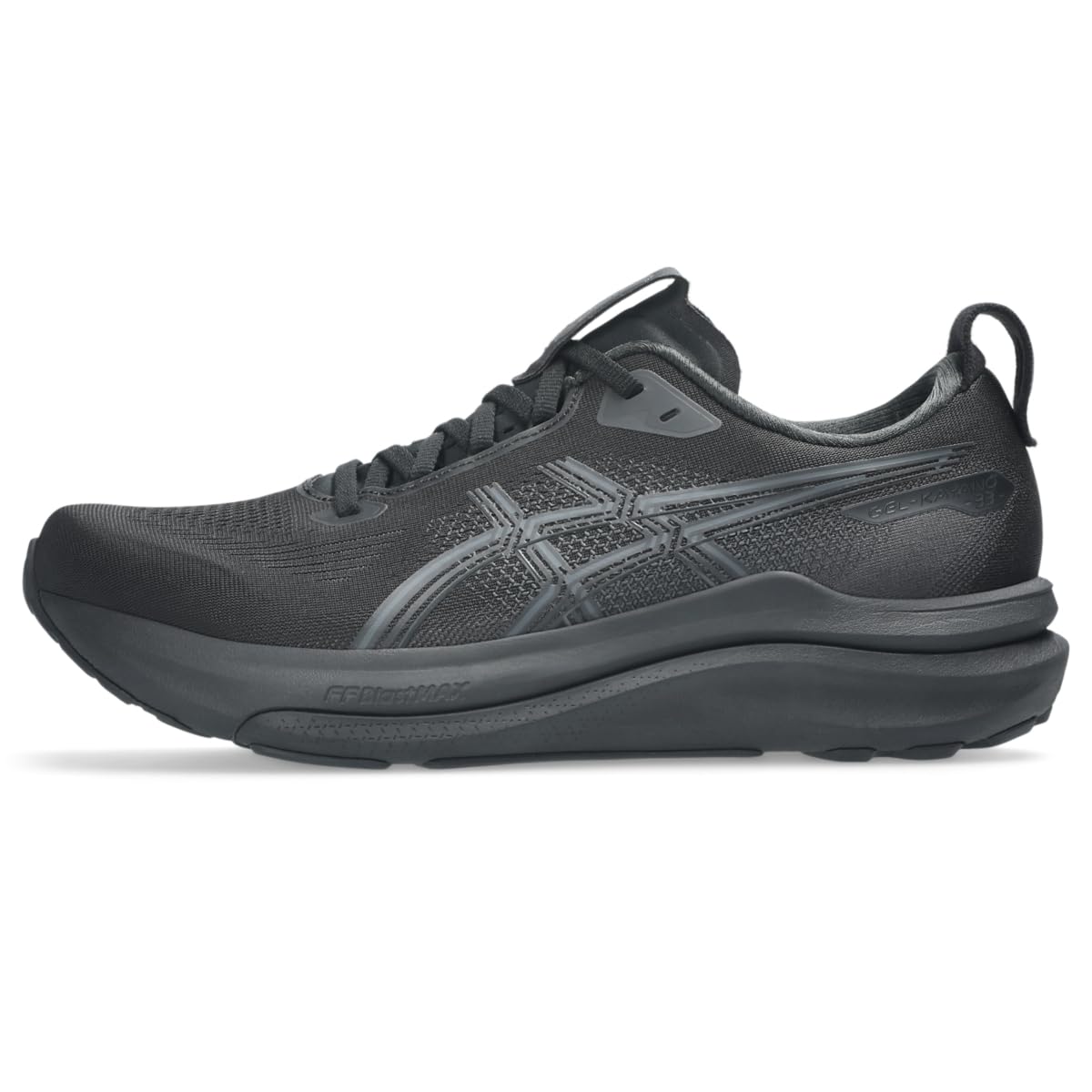
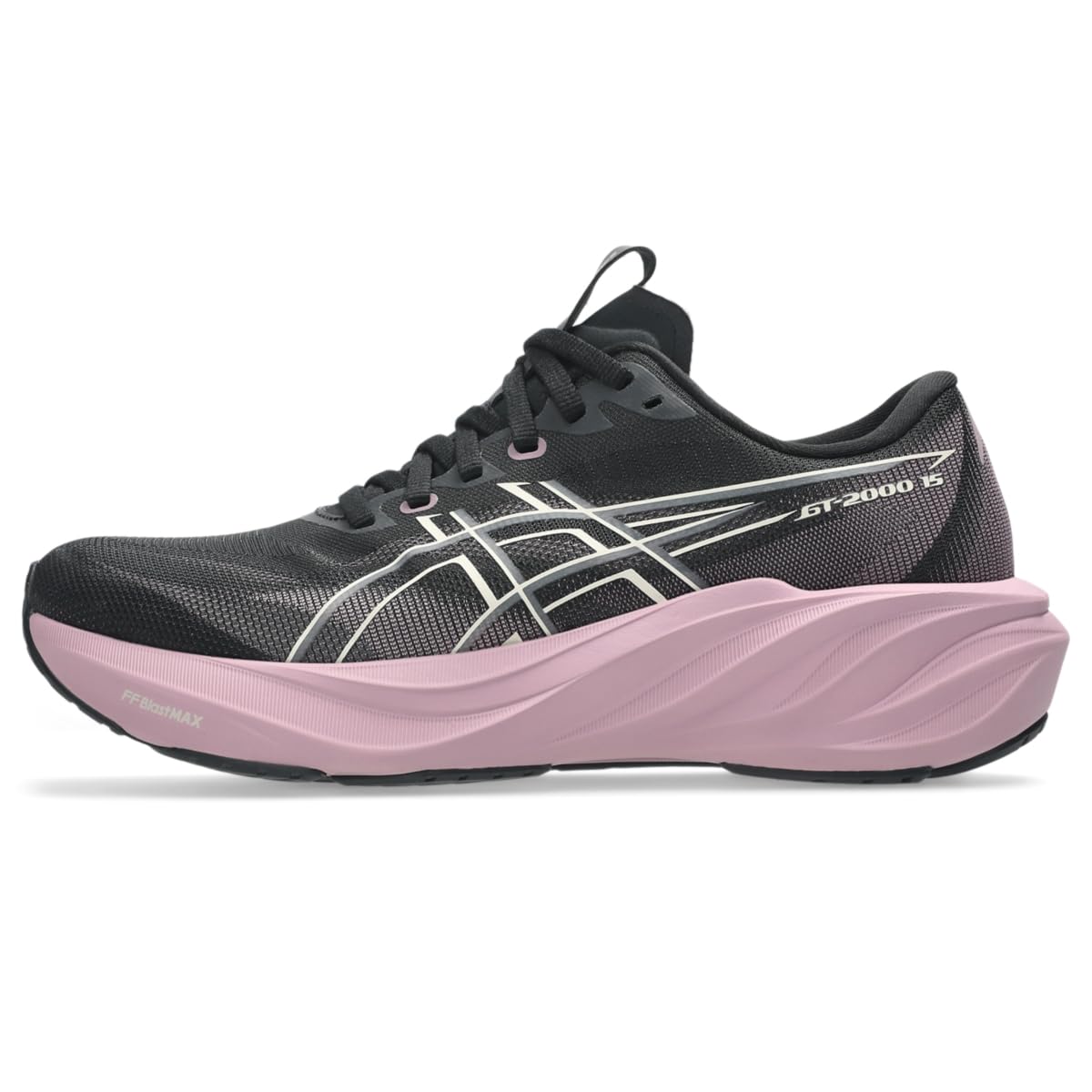


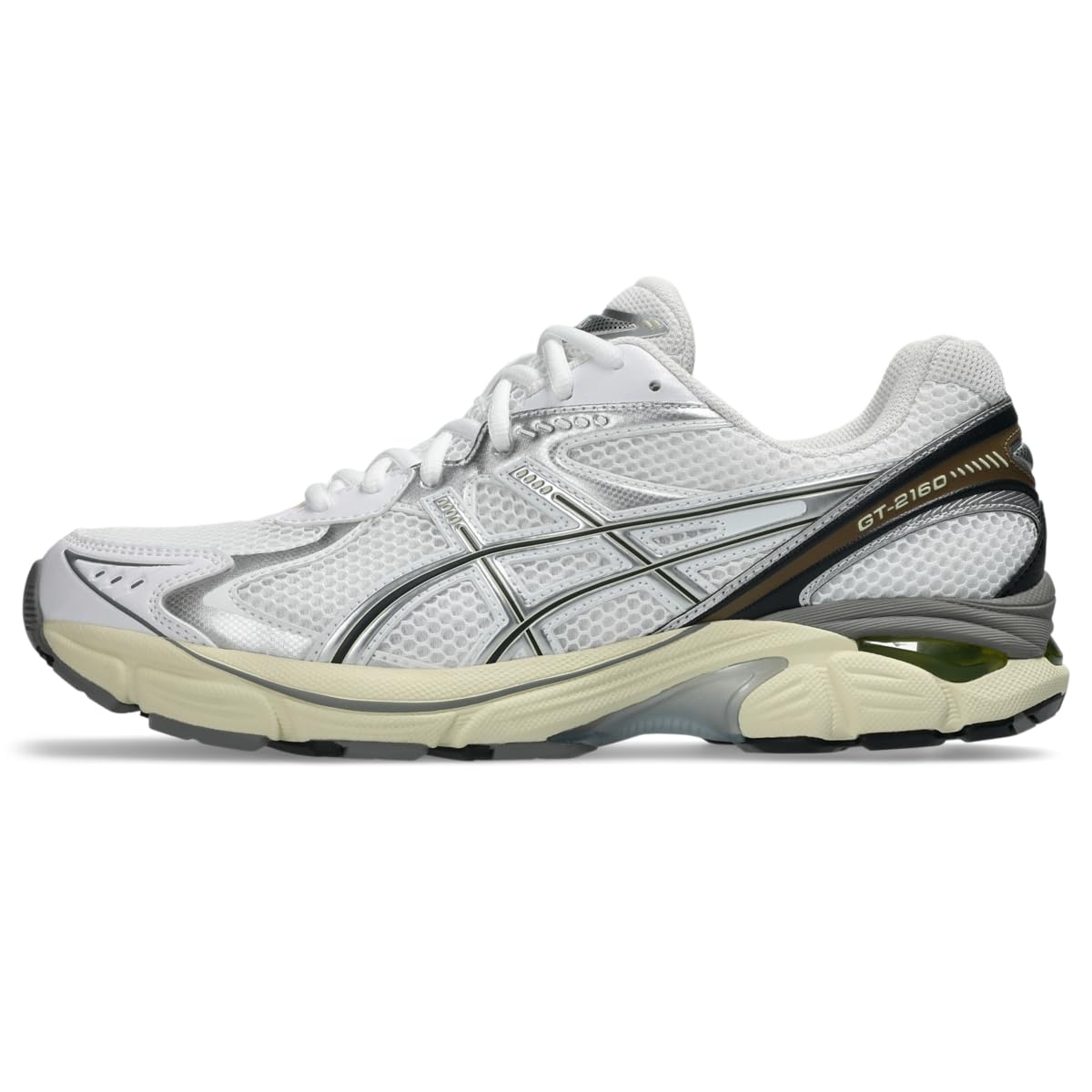

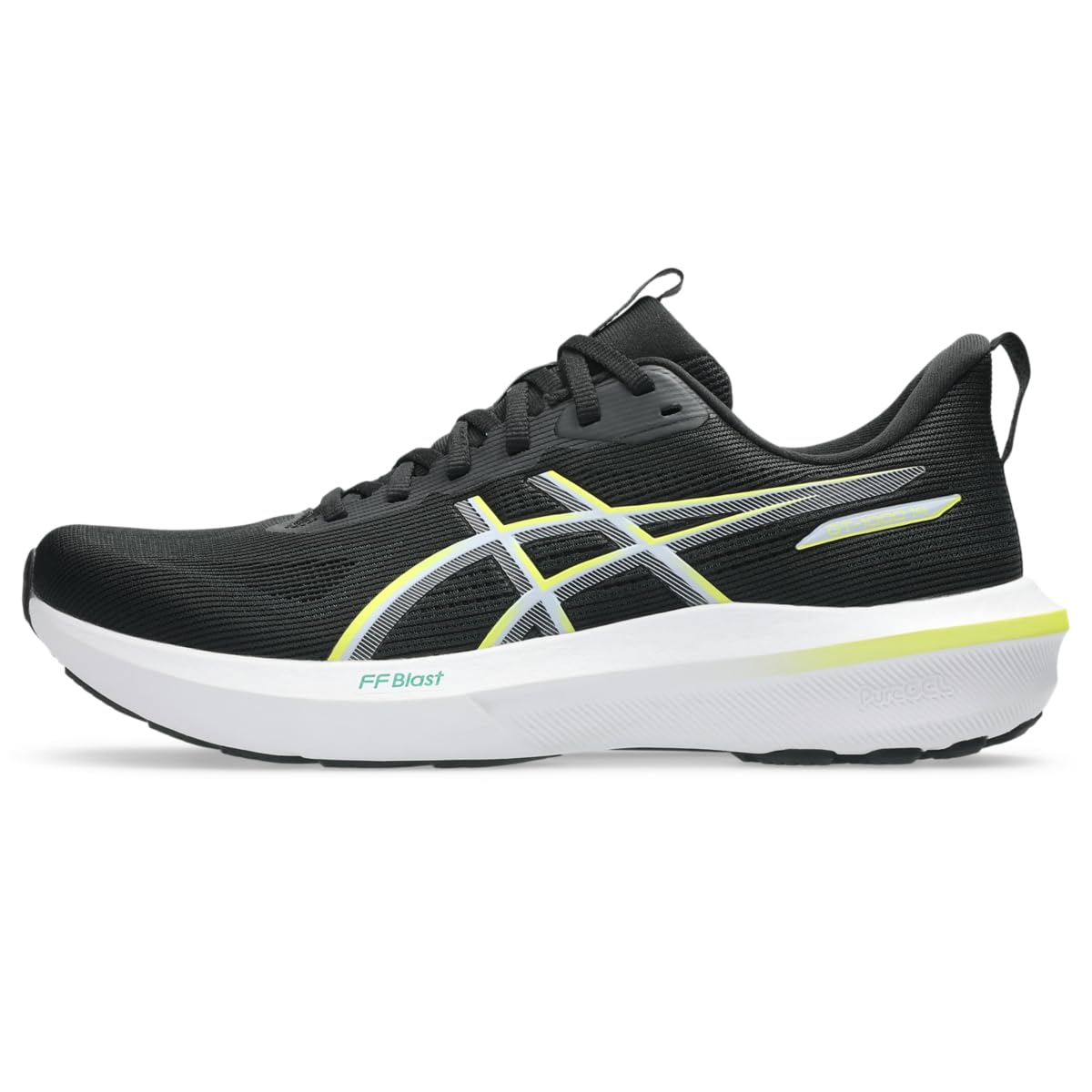
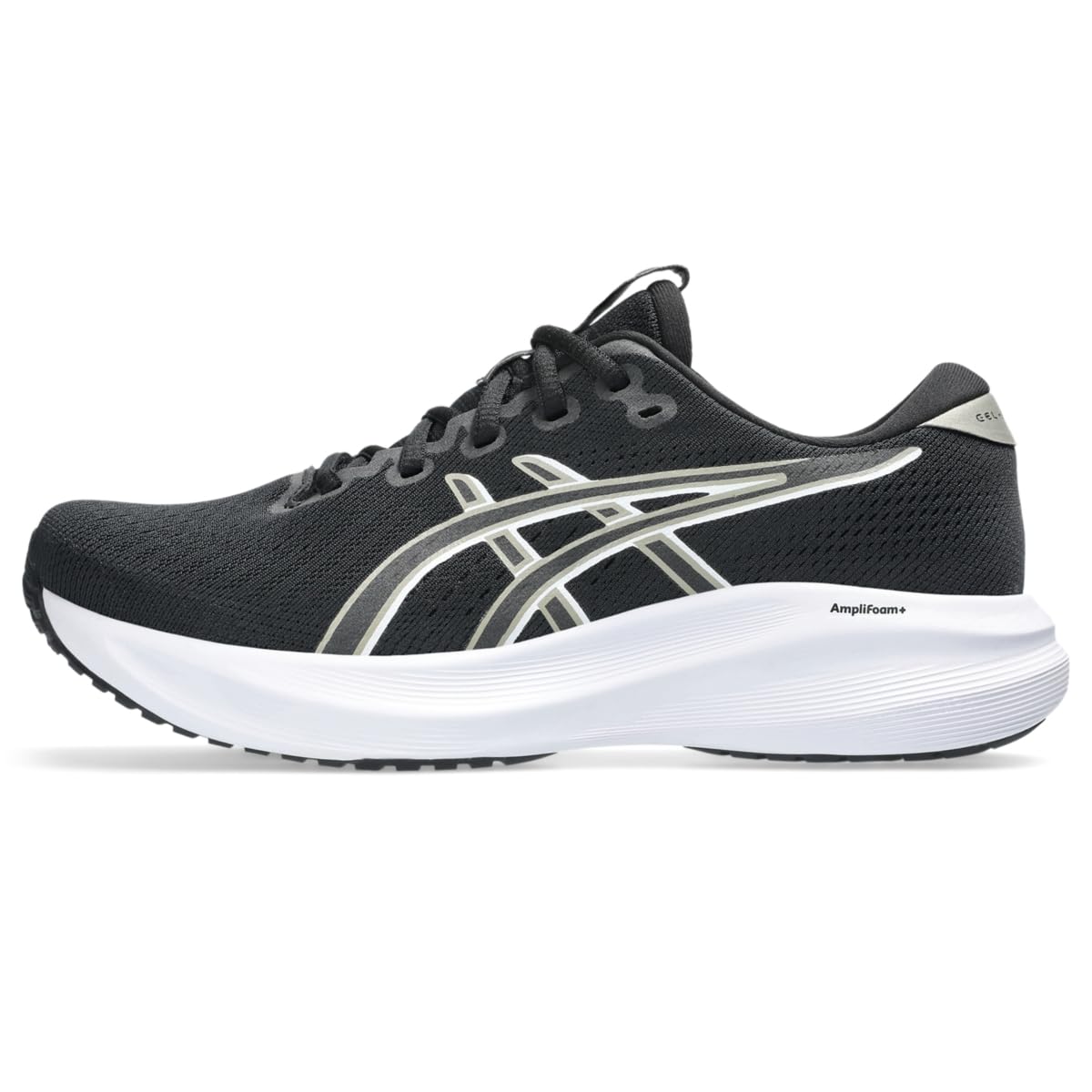
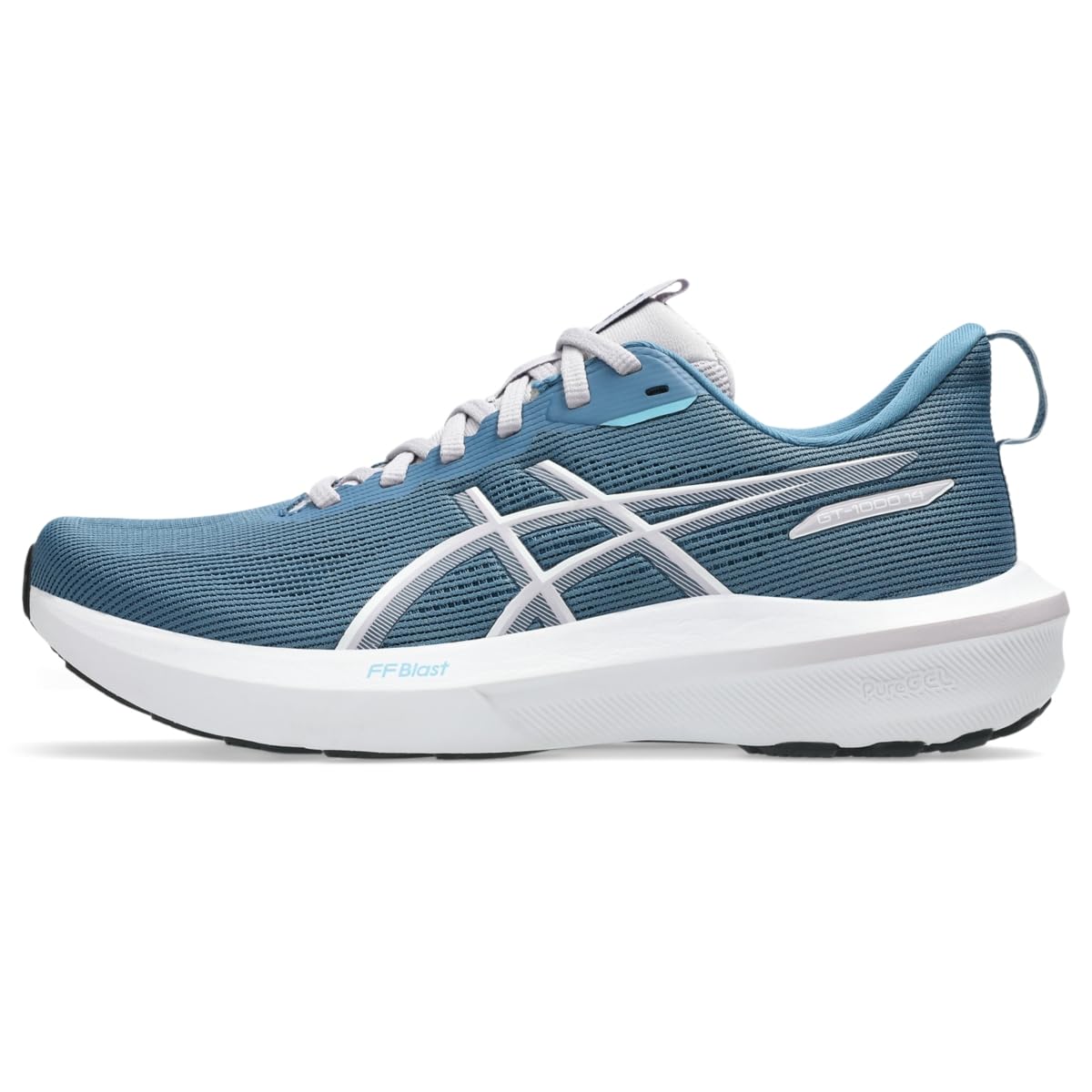
Types of Asics Walking Shoes Compared
Three types dominate this category, and typical prices run around $70 to $160. The differences come down to how much guidance the shoe gives your foot and how much cushioning sits under it.
Neutral Shoes
Neutral shoes offer cushioning without built in guidance, letting your foot move naturally. They suit flat feet walkers whose feet do not roll inward much in practice, which happens more often than labels suggest, and walkers who use a separate insert prescribed or fitted for them. The ride feels soft and flexible, and prices usually run around $80 to $120. The risk is uneven wear: without guidance, a strong inward roll can break down the inner midsole faster, so inspect your current shoes for inner edge wear before choosing this type.
Lightweight Shoes
Lightweight models trim overlays and use airy mesh to keep the shoe feeling quick on short walks and travel days. For flat feet, the appeal is comfort without bulk, plus easy packing. Prices typically sit around $70 to $110. The compromise is structure: thin uppers and softer frames give less control over inward roll, so long shifts on hard floors can leave low arches tired. This type works best as a secondary pair for light days, or for walkers whose flat feet cause no symptoms.
Stability and Support Shoes
Stability designs are the core recommendation for most flat feet walkers. Firmer foam or a supportive frame under the arch and heel guides the foot toward a neutral path, while gel or foam cushioning absorbs impact. Expect prices around $110 to $160 and a slightly firmer, more structured feel. The trade off is flexibility and weight, since guidance features add both. If your arches ache after walks or your shoes lean inward with age, this is the type to try first, and our guide to the best asics shoes for flat feet covers the support technology in more depth.
Neutral Shoes vs Lightweight Shoes: Which Should You Choose?
Start with support: neutral shoes carry more cushioning and a sturdier base than lightweight models, so they handle longer walks better for most flat feet. On flexibility, lightweight shoes bend easily and feel natural for short, casual outings, while neutral shoes feel more deliberate. On durability, the neutral shoe wins, since its thicker outsole and midsole resist the inner edge wear that flat feet cause. On price, lightweight models cost less up front but may need earlier replacement. On daily use, choose neutral for your main pair if you walk for exercise or work, and lightweight only when your walks are short and symptom free. For a broader comparison across brands, see our guide to the best walking shoes for flat feet.
How to Choose the Best Asics Walking Shoes for Flat Feet
Weight and Flexibility
A walking shoe for flat feet should feel protective without feeling like a boot. Moderate weight usually signals the structured foam and rubber that give guidance, while a very light shoe may lack the frame your arch needs. Flexibility should live at the forefoot, where your foot naturally bends. If the shoe folds easily in the middle, it will not support your arch on long walks. Twist the shoe gently by hand: mild resistance is a good sign for this category.
Arch Support and Foot Type
Flat feet have little or no visible arch, so the foot contacts the ground across most of its length and often rolls inward, a pattern called overpronation. Support should feel like a gentle hand under your arch, present but never like a lump. Walkers with flat feet and strong overpronation may do best with the dedicated guidance in our guide to the best walking shoes for flat feet and overpronation. High arch readers shopping for a partner will need the opposite balance, with more cushioning and less correction.
Fit, Sizing, and Toe Box
Shop in the afternoon and bring the socks you walk in. Flat feet often spread wider under load, so pay special attention to forefoot width: your toes should lie flat and spread without pressing the sides. Leave about a thumbnail of space in front of your longest toe, and confirm the heel stays seated as you walk. Asics offers wide options in many walking lines, and choosing width over extra length prevents the sliding that causes blisters.
Features That Matter for Flat Feet
Four features do the real work for flat feet. First, a firm heel counter keeps the back of the foot aligned. Second, guidance through the midfoot, whether firmer foam or a frame, slows inward roll. Third, a heel to toe drop around 8 to 12 mm eases load on the arch and calf for most walkers. Fourth, a wide, stable base prevents the wobble that tires low arches. Cushioning still matters, but for flat feet it should feel stable rather than pillowy, because very soft foam lets the foot sink and roll further.
Know the warning signs that a shoe alone is not enough. See a doctor or podiatrist if you have sharp or worsening arch pain, pain that changes how you walk, swelling, numbness, or a foot that has newly flattened. Children and older adults with new foot pain should be checked promptly as well. A clinician can confirm whether you need specific support, an insert, or other care, and can advise on the right shoe features for your personal situation.
How to Make Your Asics Walking Shoe Last Longer
- Rotate two pairs for daily wear. Alternating lets the midsole foam recover between walks, which keeps support consistent for longer.
- Air dry wet shoes away from direct heat. Pull out the insoles and dry at room temperature so shaped support parts do not warp.
- Replace walking shoes every 300 to 500 miles. Support fades before the upper looks worn, so track your mileage rather than judging by appearance.
- Untie before removing. Kicking shoes off crushes the heel counter, and that counter is part of the alignment system your flat feet rely on.
- Keep outsoles clean. Grit packed into the tread reduces grip, and a quick brush after muddy walks restores it.
For fit differences by gender, see the best walking shoes for women with flat feet and best walking shoes for flat feet men guides.
Frequently Asked Questions
What features matter most in Asics walking shoes for flat feet?
Guided support, a firm heel, and stable cushioning matter most. The shoe should slow inward roll without feeling rigid, and the base should stay wide and steady at walking speed. One point many buyers miss: check the insole shape. A gently contoured insole that cups the heel and lifts the arch slightly adds real guidance, while a flat foam sheet adds almost none, even in a shoe marketed for support.
How should Asics walking shoes fit flat feet?
Secure at the heel, generous across the forefoot, and long enough for a thumbnail of space at the toes. Flat feet spread under load, so width matters as much as length. Try them on a hard floor and walk briskly for a minute in the store. If your arch feels pressed upward painfully, the support is too aggressive; if your foot spills over the inner edge of the sole, you need a more structured model.
Are expensive Asics walking shoes worth it for flat feet?
Often yes, because guidance technology and durable foams sit in the higher tiers, and flat feet wear shoes unevenly, which punishes cheap construction quickly. The value check is comfort after a month, not the first fitting. A supportive pair that still guides well at six months beats a budget pair that leans inward by month two. If your feet are symptom free on short walks, though, midrange support is usually enough.
Can you wear Asics walking shoes for flat feet all day?
Yes, and the right pair is one of the better choices for long days on your feet. Choose your most structured pair for full shifts, pair it with moisture managing socks, and sit and flex your feet during breaks when you can. If all day wear is new for you, build up over a week so your feet adapt to the guidance. Persistent pain during that period is a signal to get fitted in person or seek clinical advice.
How often should you replace Asics walking shoes for flat feet?
Plan on every 300 to 500 miles, and check the shoes monthly for a lean: set them on a flat surface and look from behind. If the heels tilt inward, the guidance is spent even if the upper looks fine. Other signs are new arch or knee aches, deep midsole creasing, and smooth tread at the heel. Daily walkers may reach the limit in six to nine months, sooner than casual users expect.
The Bottom Line
For flat feet, guidance comes first, fit comes second, and softness comes third. Most walkers should start with a stability model, confirm the width and heel hold in person, and track mileage so support never fades unnoticed. Compare your options in the product table to choose the best asics walking shoes for flat feet for your routine, and talk with your clinician about personal needs if pain continues.


