
Best Asics Volleyball Shoes: Grip, Cushioning and Fit Guide
Disclosure: We may earn a commission when you buy through links on this page, at no extra cost to you. As an Amazon Associate I earn from qualifying purchases. Learn more

Court grip, landing cushioning, and lateral support matter most. See how to choose the best asics volleyball shoes for your position and budget.
Volleyball is built on jumping, landing, and quick side-to-side steps on a clean indoor floor. Running shoes can roll under that stress and lack the grip court play needs. This guide to the best asics volleyball shoes explains the features that matter, how position changes the choice, and how to check the fit.
Use the product table to compare options, then use the sections below to decide which type suits your game.
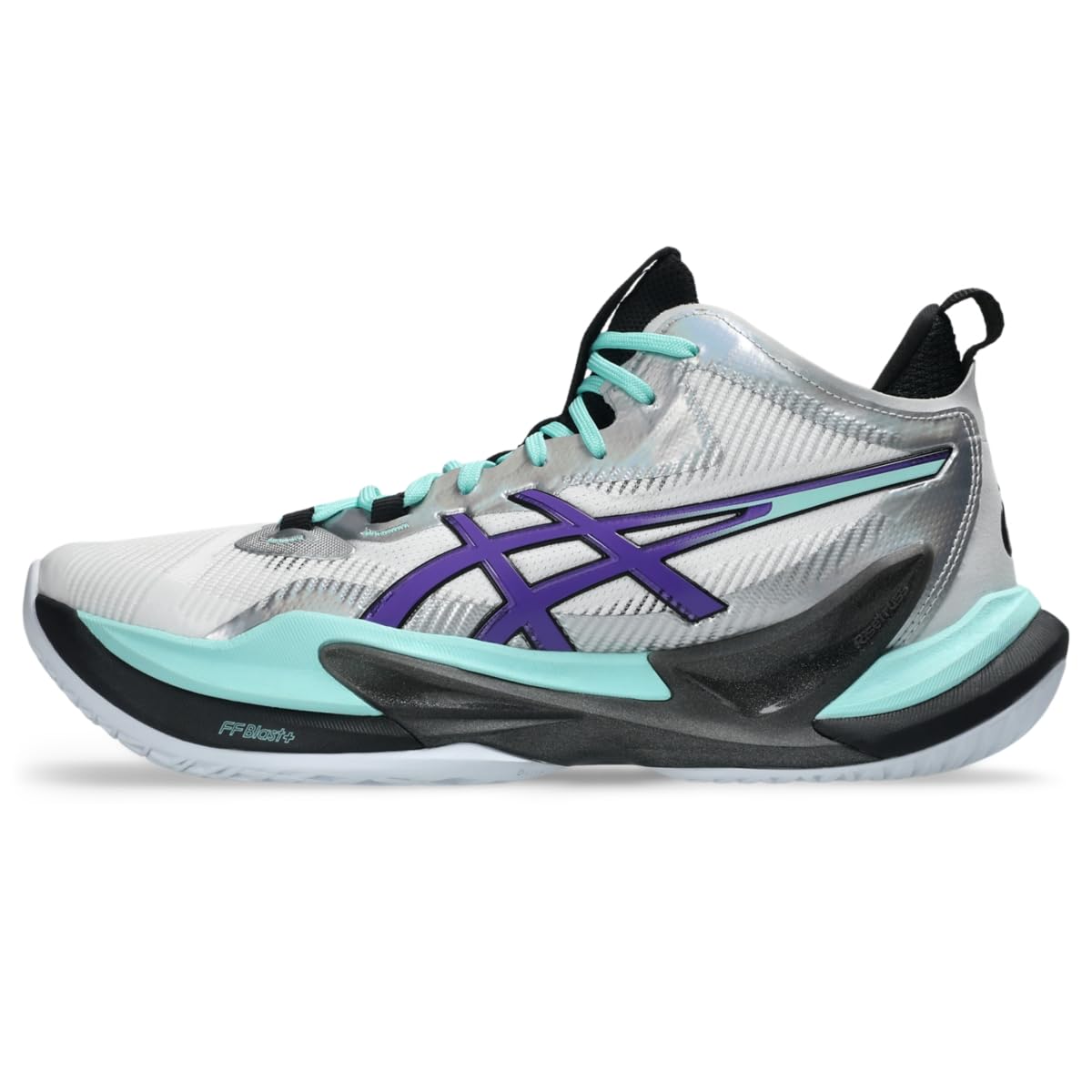


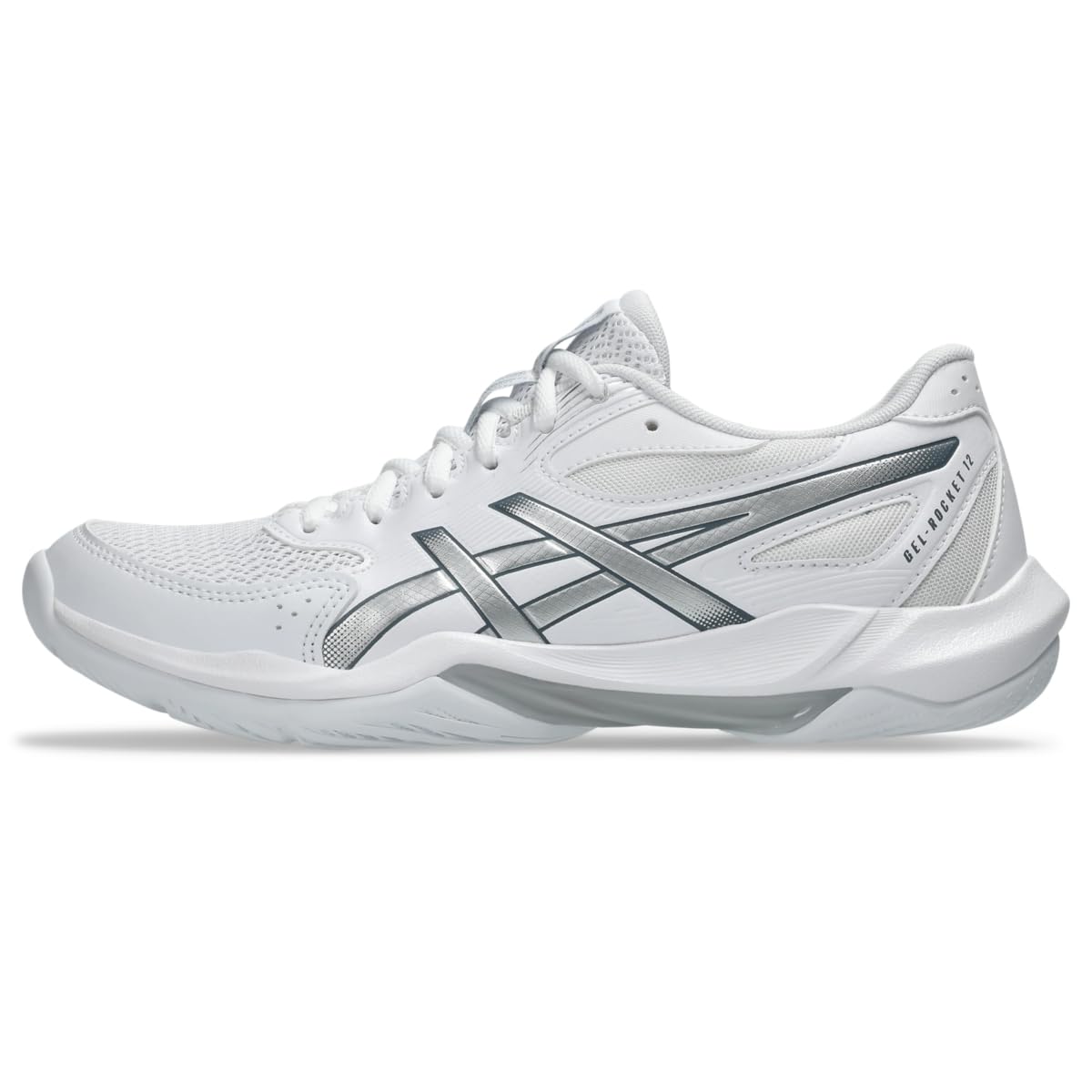
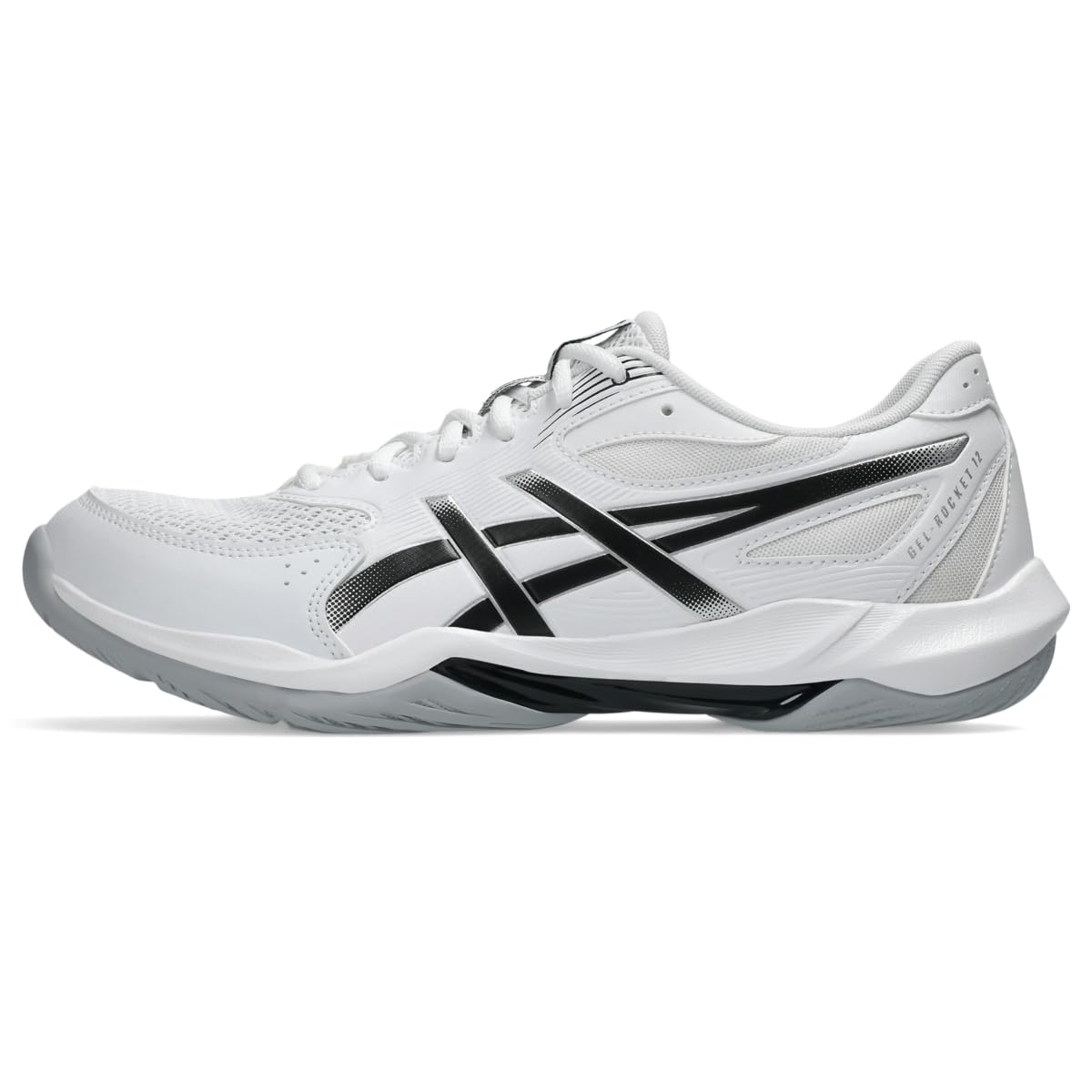
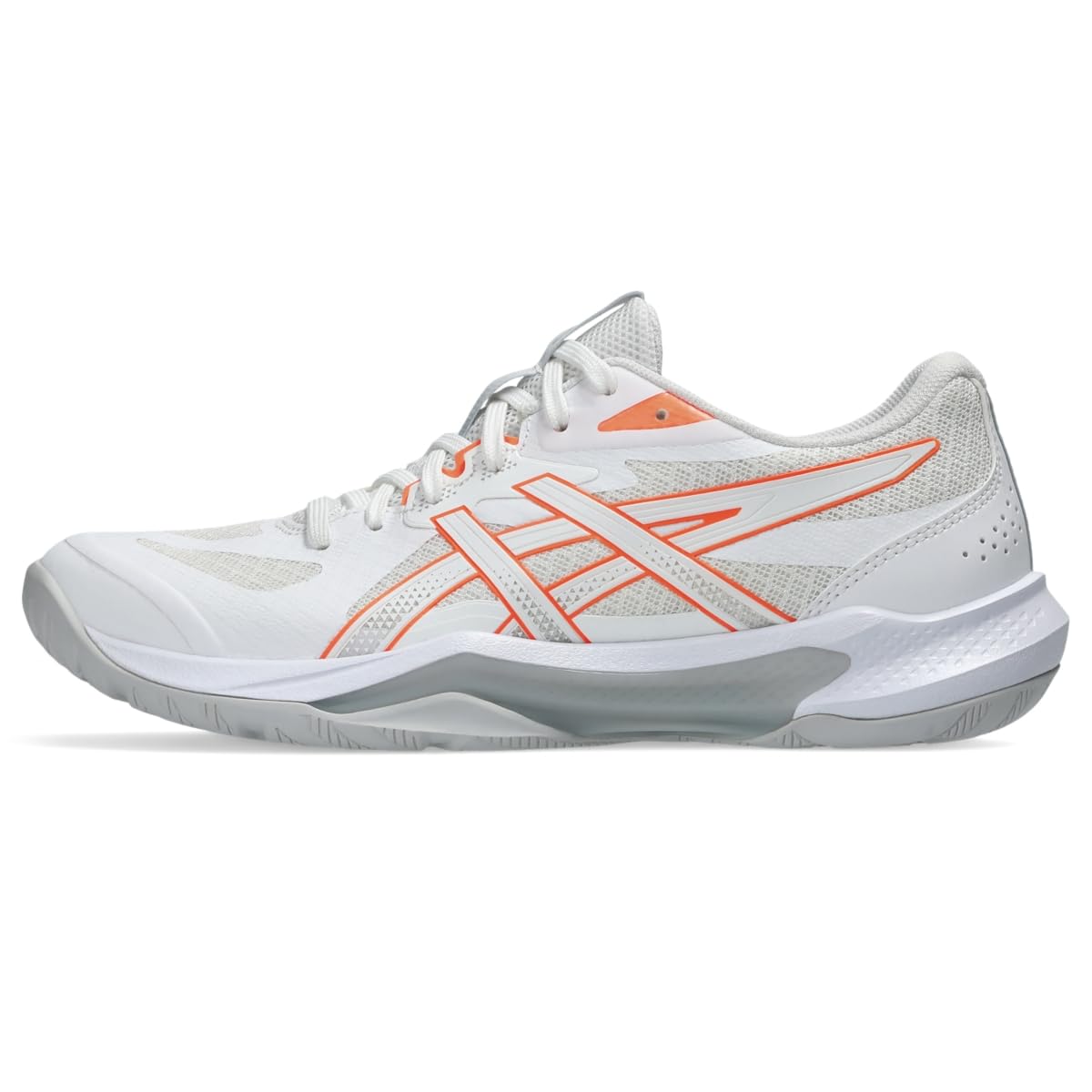


Who These Shoes Suit
Asics volleyball shoes suit indoor court players who jump, land, and move sideways quickly. They work for setters, hitters, liberos, and blockers, across school, club, and recreational leagues. They are a weaker fit for outdoor play, where court soles wear fast on rough surfaces, and for running, where court shoes feel stiff over distance.
Key Features of the Best Asics Volleyball Shoes
Court grip and movement
Grip should hold on quick stops and lateral cuts without sticking so much that knees twist. Asics court outsoles use patterns designed for indoor wood and synthetic floors, with gum rubber that grips clean surfaces. Dust reduces grip more than wear does in the first months, so wipe soles during breaks and keep court shoes off outdoor ground.
Cushioning and landing protection
Repeated jumping makes cushioning important for knees and heels. Gel or foam in the heel and forefoot absorbs landing impact, while a stable midsole prevents rolling on sideways moves. Heavier players and frequent jumpers benefit from more cushioning, while lighter players may prefer a lower, more responsive feel.
Lateral support and stability
Look for a firm heel counter, a supportive midfoot shank, and an upper that locks the foot without squeezing. A shoe that feels stable standing still should also feel stable on a quick lateral cut. A higher collar may help players whose ankles roll easily, but it does not replace strengthening and good landing technique.
Fit
The midfoot should feel snug, with toe room for jumps and landings. Try shoes with your volleyball socks, and take a few side steps and small jumps in the store if you can. If your toes hit the front on a stop, or your heel lifts on a cut, try another size or model.
Types Compared
Shoes for hitters
Hitters jump most, so they usually want more heel cushioning and a stable platform for approach jumps and blocks.
Shoes for setters and liberos
Setters and liberos move constantly but jump less. They often prefer a lower, lighter shoe with good court feel for quick footwork and digs.
All-round shoes
All-round volleyball shoes balance cushioning, support, and weight for players who rotate positions. They suit recreational leagues and school teams where one pair has to cover every role.
What Your Money Gets You
Asics volleyball shoes usually cost about $70 to $140. Entry models cover the basics, while higher-priced models add more cushioning, lighter materials, and tougher uppers. If you play several times a week, expect to replace court shoes roughly every season, depending on the floor and intensity.
Care and Warning Signs
Wear court shoes only indoors, and wipe the soles before play to remove dust. Air dry after matches and avoid direct heat that can warp midsoles. Check outsoles for smooth spots and uppers for tears near the toes, where lateral moves stress the shoe.
Replace shoes when grip fades or cushioning feels flat, even if the upper looks fine. For ankle sprains or knee or foot pain that does not settle, rest and talk with a doctor rather than playing through it.
Common Buying Mistakes
- Choosing a running shoe for court play.
- Buying a size that lets the heel slip on cuts.
- Paying for features your position does not need.
- Wearing court shoes outdoors, which wears grip fast.
Related Guides to Compare
For a wider view, read the best volleyball shoes guide and the best asics shoes roundup. For a specific fit, see the best women's volleyball shoes and best shoes for volleyball men guides.
Frequently Asked Questions
Can I use running shoes for volleyball?
You can for a casual game, but court shoes work better. Running shoes have softer heels that can roll on lateral cuts. Volleyball shoes offer lateral support, court grip, and landing cushioning for jumps.
How should volleyball shoes fit?
Snug in the midfoot and heel, with a little toe room for jumps and landings. Your heel should not lift on a cut, and your toes should not hit the front on a stop.
How often should I replace volleyball shoes?
Roughly every season for regular players, or sooner if grip fades or cushioning feels flat. Court surface, playing frequency, and body weight all affect wear.
Are Asics volleyball shoes good for wide feet?
Many Asics models offer wide versions. Check the specific model for wide availability, since not every style has it, and try the wide size with your playing socks.
Should I wear ankle braces with volleyball shoes?
Braces can help players with a history of sprains, but they change the fit and may need a roomier shoe. Try the brace and shoe together before a match, and talk with a doctor about bracing after a sprain.
Final Thoughts
The best asics volleyball shoes are the ones that grip the floor, cushion your landings, and hold your foot steady on cuts. Compare the options in the product table, match the type to your position, and check the fit with your playing socks before you commit.


