
Best Asics Training Shoes: Stability, Cushioning and Fit for the Gym
Disclosure: We may earn a commission when you buy through links on this page, at no extra cost to you. As an Amazon Associate I earn from qualifying purchases. Learn more
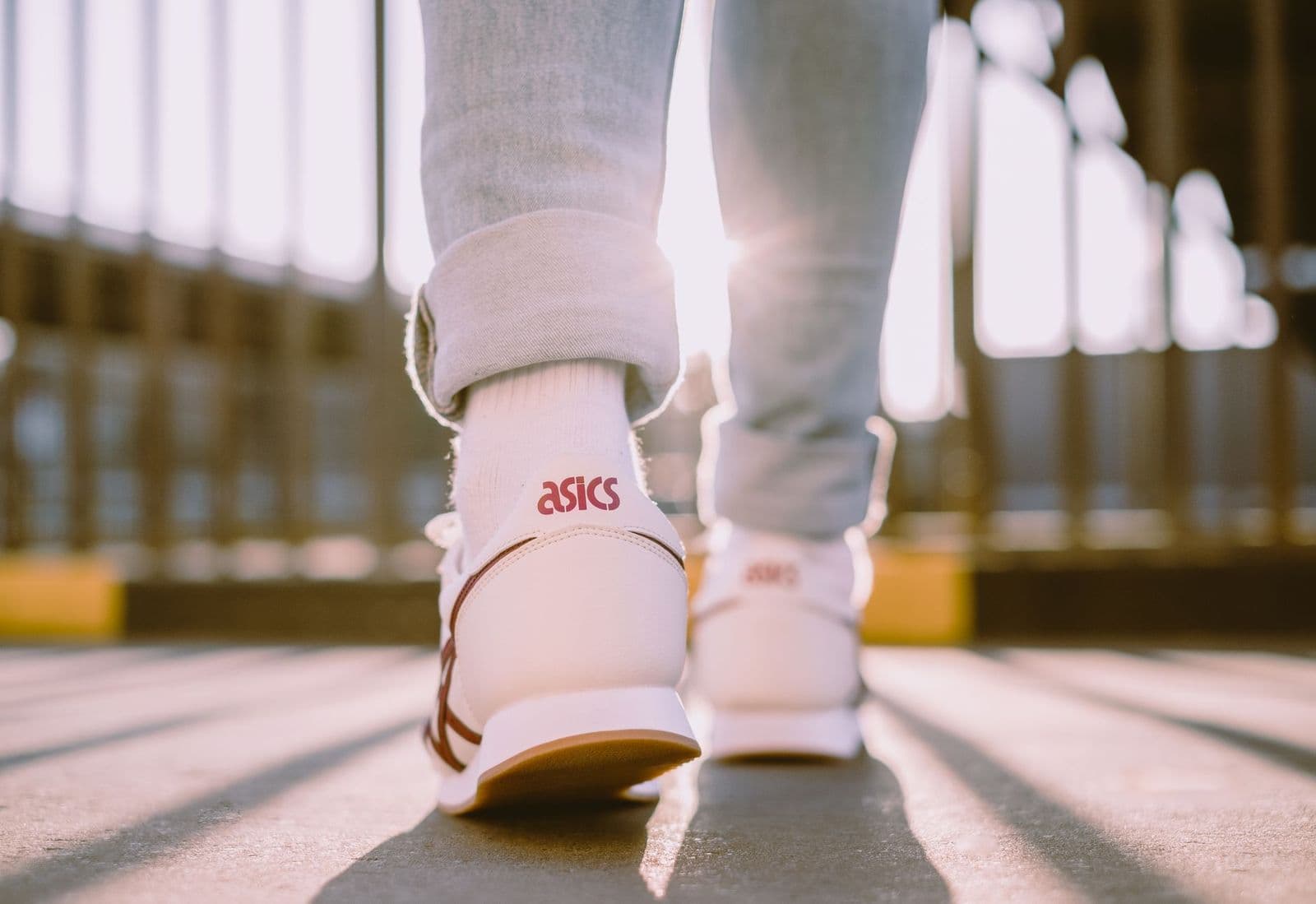
Lifting, classes, and cardio need stable, flexible shoes. See how to choose the best asics training shoes by workout type, fit, and durability.
Choosing the best asics training shoes means balancing stability for lifting, flexibility for classes, and cushioning for cardio intervals. Training differs from running, since gym work involves side steps, jumps, and heavy loads, and a shoe built only for forward motion can feel wobbly under a squat. This guide explains what to look for by workout type, so your shoes support every session.
Match a shoe to your main training style, whether lifting, high intensity classes, or mixed cross training. If foot pain persists, worsens, or includes numbness, swelling, or sores, talk with a clinician or podiatrist rather than relying on shoes alone.
How Training Differs From Running
Running shoes cushion forward motion and encourage a rolling step, while training shoes need a flatter, wider base for side to side stability. Lateral movements in classes and court style drills push the foot outward, and a narrow, tall running shoe can roll under that pressure. Training shoes use lower profiles, wider platforms, and firmer sidewalls to keep the foot planted.
Cushioning differs too. Running shoes maximize softness for impact, while training shoes balance cushioning with ground feel, since lifters need to feel the floor for balance. A shoe that feels plush for jogging may feel unstable under a heavy squat, so judge training shoes by stability during lifts and lateral moves, not by jogging comfort alone.
Stability and Lateral Support in the Best Asics Training Shoes
Lateral support comes from a wide outsole, firm sidewalls, and a secure midfoot wrap that locks the foot over the platform. Check the shoe by pressing the sidewall and twisting the shoe gently, since a training shoe should resist twisting more than a running shoe. Lacing matters too, since a midfoot lockdown through the laces prevents sliding during side steps.
Heel stability matters for lifting. A firm, low heel cup keeps the foot steady under load, while a soft, high heel creates wobble. Some lifters prefer a slightly raised heel for squat depth, but most general trainers suit a flat, stable heel. Check stability with bodyweight squats and side steps in the shop, not only by walking in a straight line.
Cushioning for Mixed Workouts
Mixed workouts blend cardio intervals, jumps, and strength work, so cushioning must absorb jumps without feeling mushy under weights. Moderate foam with gel in the heel suits this balance, giving landing softness while keeping a firm platform for lifts. Very soft, thick foam feels comfortable for jogging but unstable for heavy work, so avoid maximal running cushioning for general training.
Forefoot flexibility matters for jumps, lunges, and agility drills, since a stiff forefoot fights natural foot bending. Flex the shoe by hand and check that it bends near the toes rather than in the middle. A shoe that bends in the middle lacks the shank support needed for stable training, while a shoe that bends only at the forefoot moves naturally with the foot.
Fit, Width, and Sock Choices
Fit for training needs a snug midfoot, roomy toes, and no heel slip during lateral moves. Toes should spread without pressing the front, since cramped toes reduce balance and cause blisters during jumps. Width options matter, since a narrow shoe squeezes wide feet and a wide shoe lets narrow feet slide, both of which hurt stability.
Try shoes with training socks, which often run thicker than running socks, and try lateral moves, squats, and short jumps in the shop. Check both feet, fitting the larger one first, and lace fully rather than loosely, since loose lacing hides poor midfoot lockdown. A shoe that needs constant relacing during a session is not the right fit.
Durability and Gym Surfaces
Gym surfaces range from rubber flooring to wooden studio floors, and outsoles should grip both without marking. Look for rubber outsoles with a tread pattern that grips during side steps, and avoid smooth soles that slip on dusty studio floors. Upper durability matters too, since rope climbs, drags, and lateral wear stress the sides, and reinforced overlays protect high wear zones.
Rotate shoes if you train daily, since foam needs recovery time between sessions and rotation reveals wear by comparison. Replace training shoes when the platform tilts, cushioning compresses unevenly, or grip fades, since worn stability quietly increases ankle and knee strain. Keep shoes for gym use only when possible, since outdoor wear grinds outsoles faster.
Matching Shoes to Workout Types
Lifters should prioritize a flat, firm platform, a stable heel, and minimal cushioning height, since ground feel and balance matter most. Class goers need lighter shoes with lateral support and forefoot flexibility for jumps and dance style moves. Cross trainers need a blend of both, with moderate cushioning, lateral stability, and durability across varied sessions.
If you train several styles, a versatile cross trainer suits most sessions, while specialists may keep a second pair for heavy lifting days. Budget for the shoe that matches your most frequent workout, not your rarest one, since daily comfort and safety matter more than occasional perfection. Try your shortlist with your actual workout moves before committing.
Warm Ups and Foot Care for Training
Warm ups protect feet as much as muscles, since cold, stiff feet handle lateral moves and jumps poorly. Start sessions with light cardio, ankle circles, and gentle foot mobility, then progress to the workout itself. Warm feet grip better, balance better, and tolerate sudden direction changes with less strain on ankles and arches.
Foot care after training matters too. Air shoes after sessions, wash training socks promptly, and check feet for blisters, hot spots, and redness, especially after new shoes or longer sessions. Treat small blisters early with clean dressings, and rest feet that stay sore beyond normal post workout tiredness. Healthy feet train consistently, while neglected feet force unwanted breaks.
Related Guides
For women's fits, read the best asics training shoes for women's guide. For mixed workouts, see the best asics cross training shoes, best asics cross training shoes for women's, and best cross training shoes guides, or compare the whole brand in the best asics shoes roundup.
Frequently Asked Questions
Can I use running shoes for gym training?
Running shoes work for treadmill cardio but feel unstable for lifting and lateral moves, since their tall soft cushioning rolls under side pressure. Training shoes use flatter, wider platforms and firmer sidewalls for stability during squats and side steps. If you mainly lift or take classes, dedicated trainers protect ankles and knees better. Keep running shoes for running days and trainers for gym floor work.
How tight should training shoes fit?
Training shoes should feel snug through the midfoot with no heel slip, while toes keep room to spread. A shoe that squeezes toes harms balance and causes blisters, while a loose shoe lets the foot slide during lateral moves. Lace fully and try squats, side steps, and jumps in the shop. Fit the larger foot first, and wear the socks you train in for an accurate fit check.
Do I need flat shoes for weightlifting?
Flat, firm shoes suit most lifting, since they keep the foot close to the ground and stable under load. Raised heel lifting shoes help squat depth for some lifters, but general trainers with a low stable heel suit mixed workouts better. Avoid soft running shoes for heavy lifts, since cushioning compresses unevenly and creates wobble. Check stability with bodyweight squats before buying.
How long do training shoes last?
Training shoes typically last six to twelve months of regular gym use, depending on frequency, body weight, and surfaces. Replace them when the platform tilts, cushioning flattens unevenly, or grip fades on studio floors. Rotating two pairs extends each pair and makes wear easier to spot. Outdoor use wears outsoles faster, so keep gym shoes indoors when possible.
What is the difference between cross trainers and court shoes?
Cross trainers blend running cushioning with lateral stability for varied gym work, while court shoes prioritize lateral support and grip for tennis, squash, and similar sports. Court shoes often feel firmer and lower, with outsoles tuned to court surfaces. For general gym use, cross trainers offer better versatility, while dedicated court players benefit from sport specific shoes. Match the shoe to your most frequent activity.
Final Thoughts
The right Asics training shoe balances a stable platform for lifting, lateral support for classes, and cushioning that absorbs jumps without feeling mushy. Check fit with real gym moves, not only walking, and match the shoe to your most frequent workout style.
Compare stability and cushioning features, then confirm fit during a proper gym session within the return period. Stable, well fitted trainers protect ankles and knees and let you focus on the workout rather than your feet.
When you compare the best asics training shoes, let fit, features, and honest needs guide the final call.


