
Best Asics Running Shoes for Plantar Fasciitis: Support Guide
Disclosure: We may earn a commission when you buy through links on this page, at no extra cost to you. As an Amazon Associate I earn from qualifying purchases. Learn more

Sore heels need cushioning and a stable fit. See how to choose the best asics running shoes for plantar fasciitis, with fit tips and warning signs.
Heel pain that hits with the first steps of the day is a common reason runners start looking for new shoes. Shoes cannot treat a foot condition, but supportive, well-cushioned ones can make daily wear and running more comfortable. This guide to the best asics running shoes for plantar fasciitis covers the features that matter for sore heels and arches, how to check the fit, and when to talk to a professional.
Use the product table to compare options, then read the sections below to decide which traits matter most for your feet.


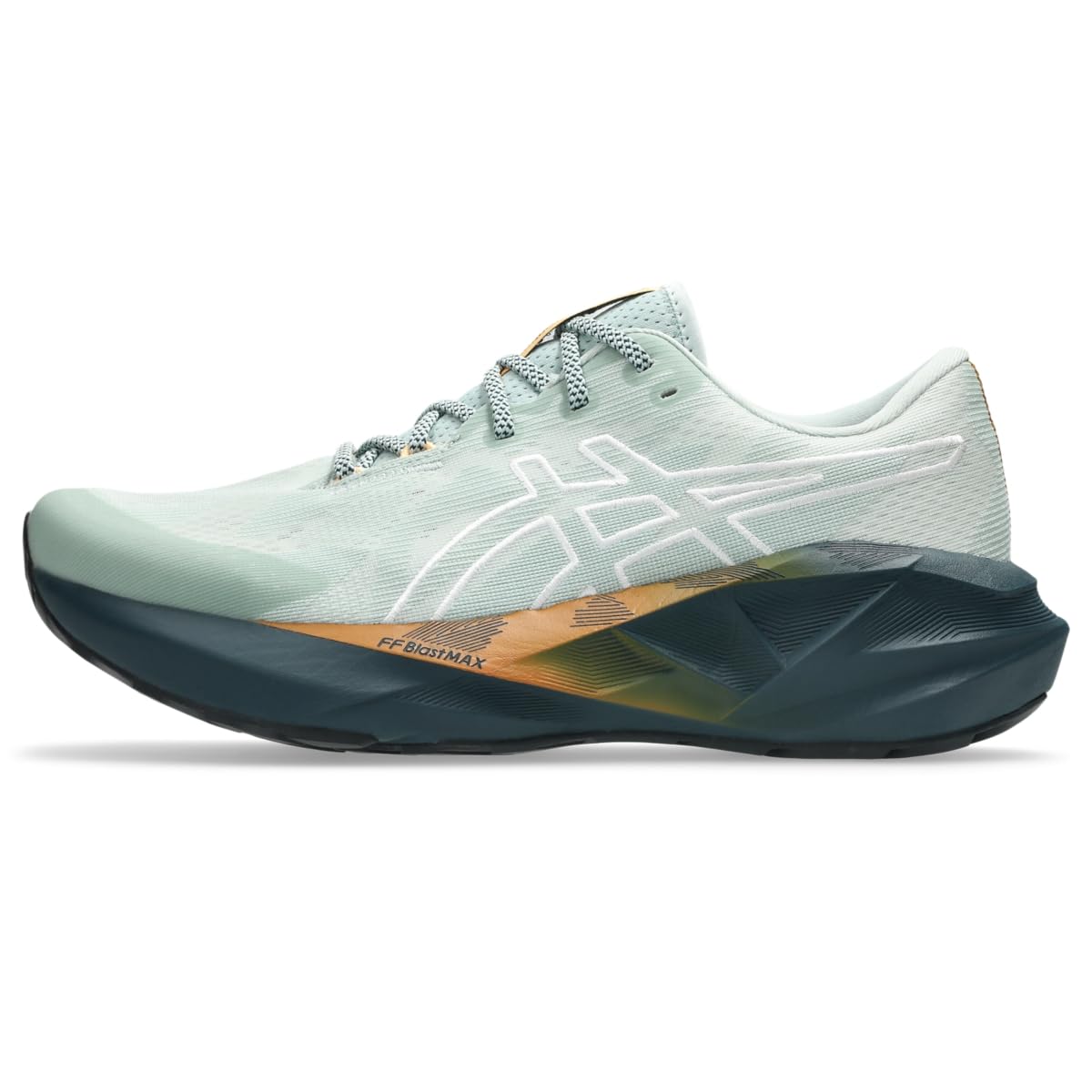
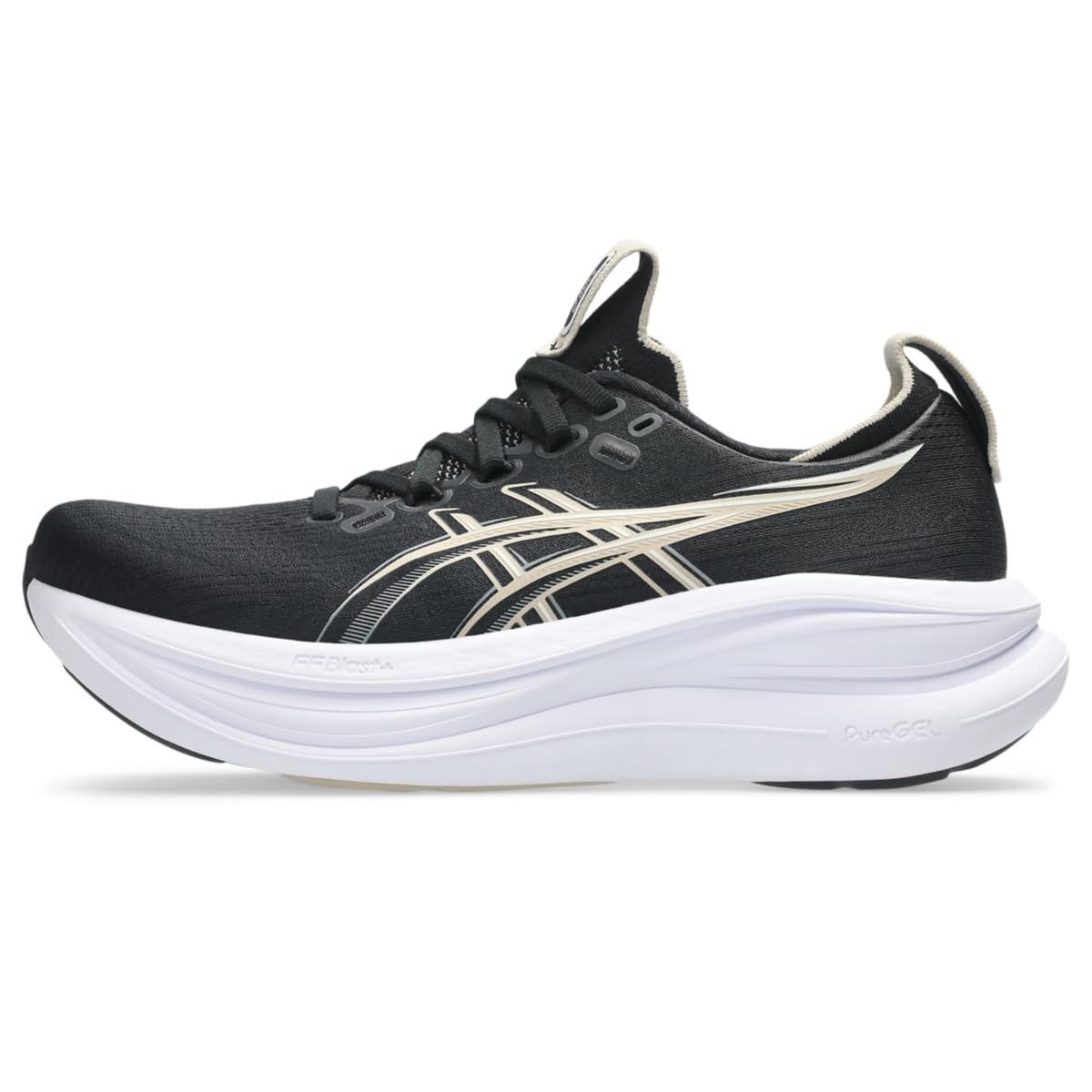
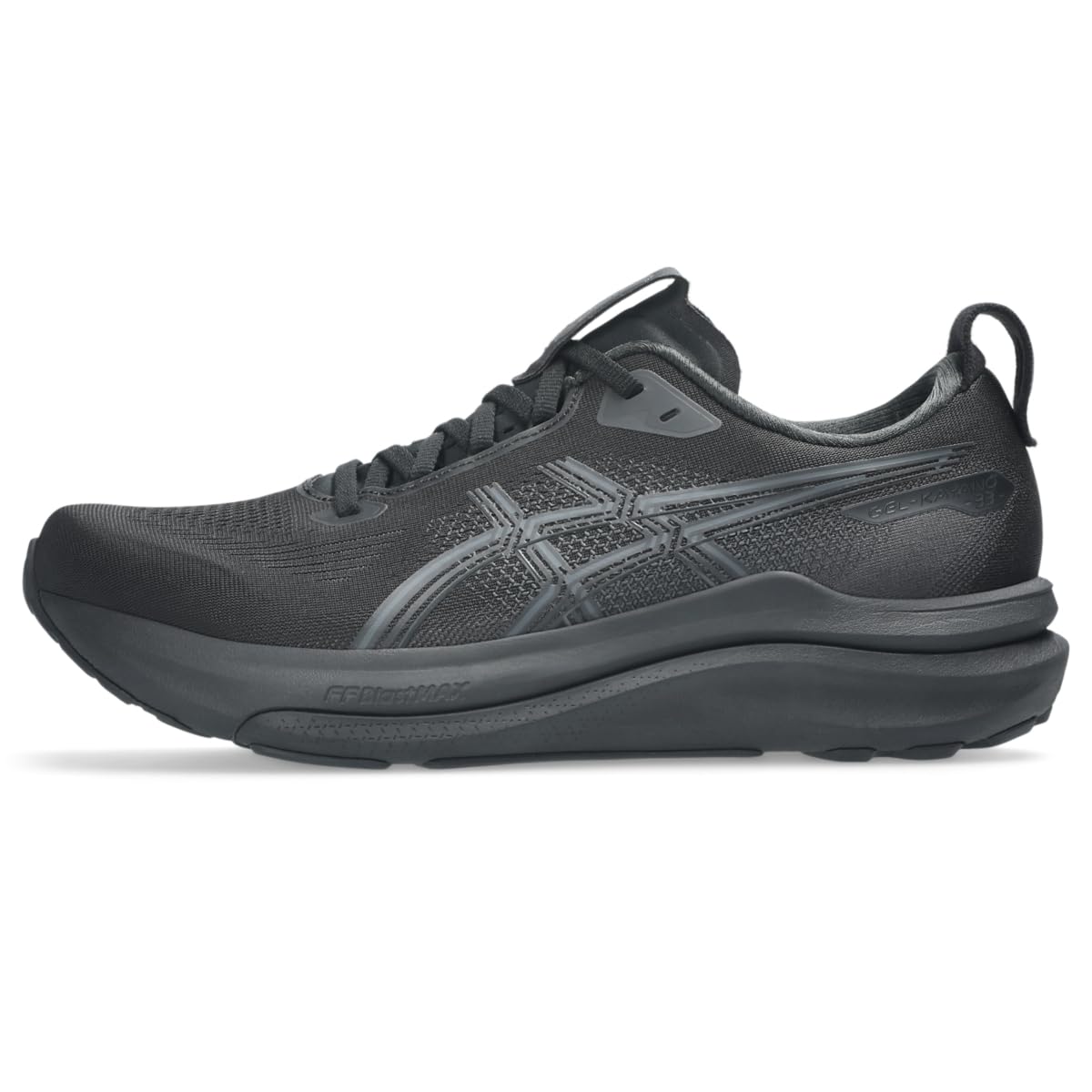
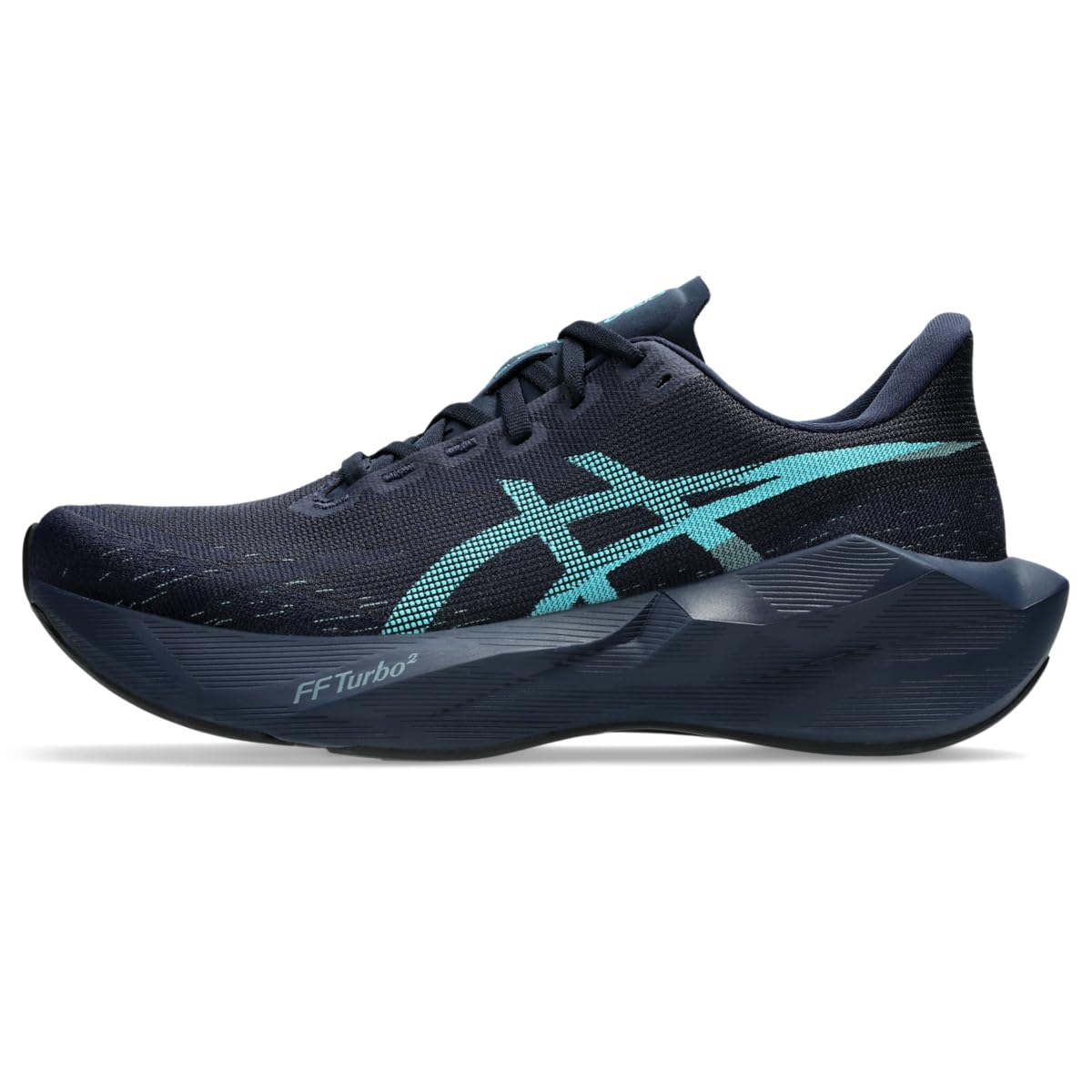
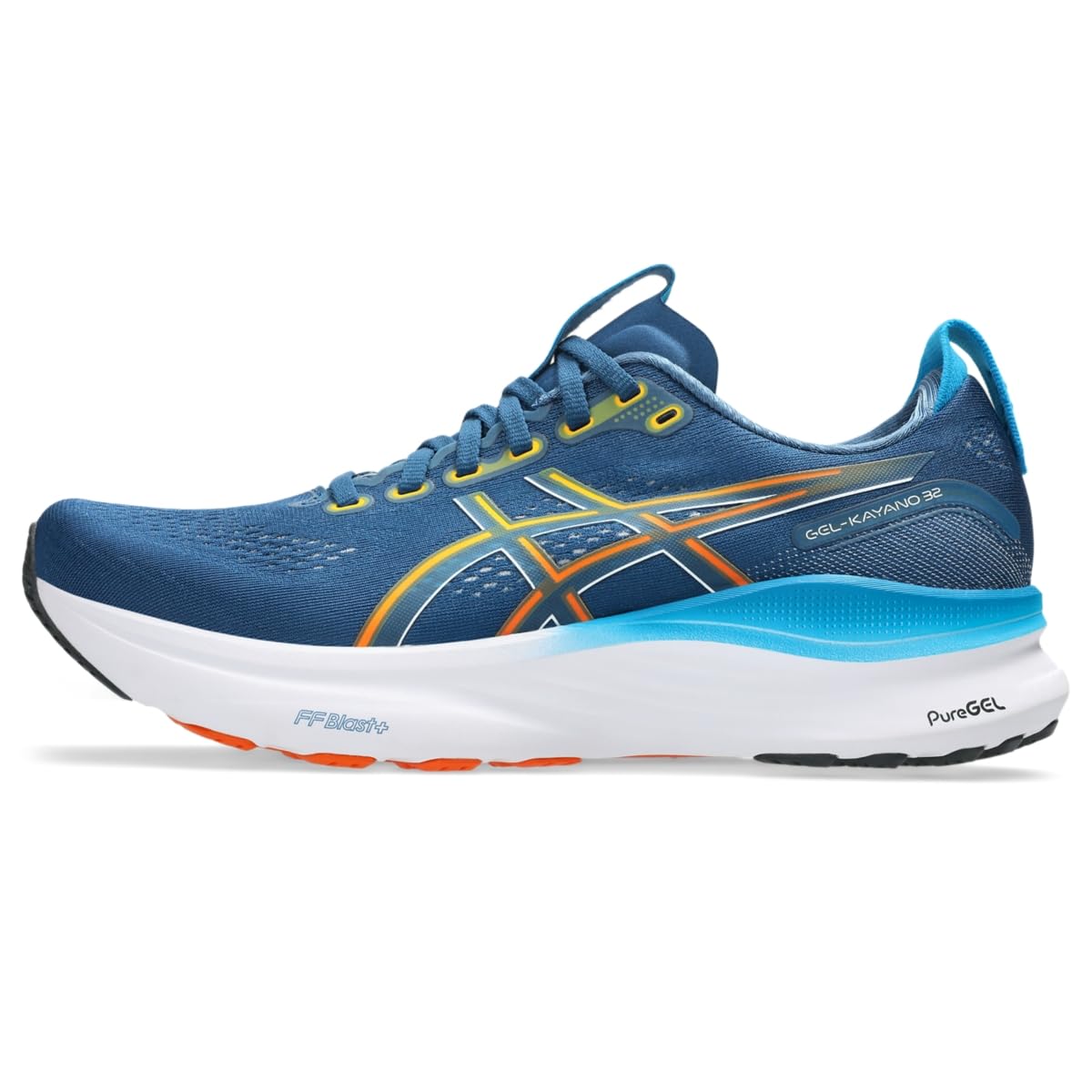

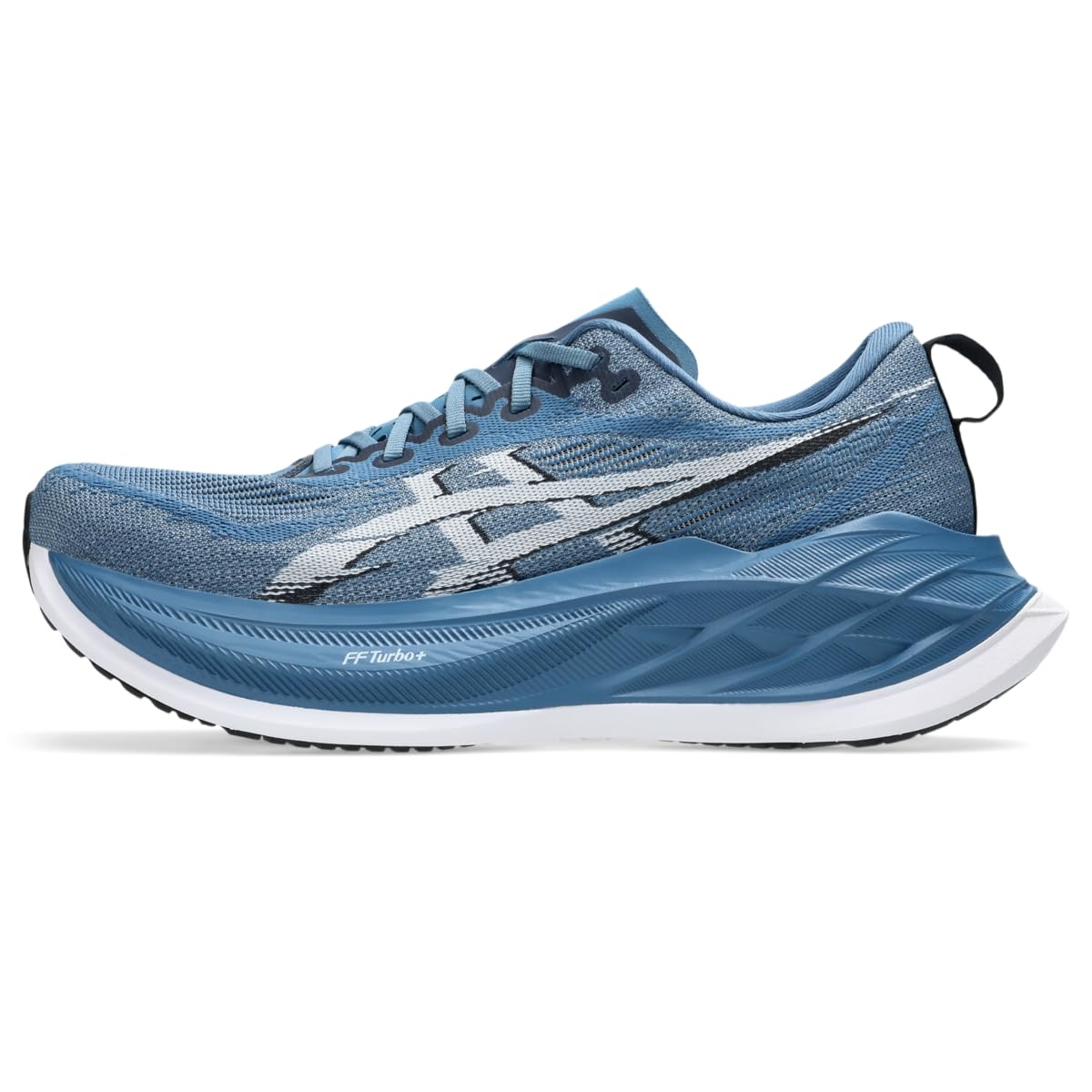
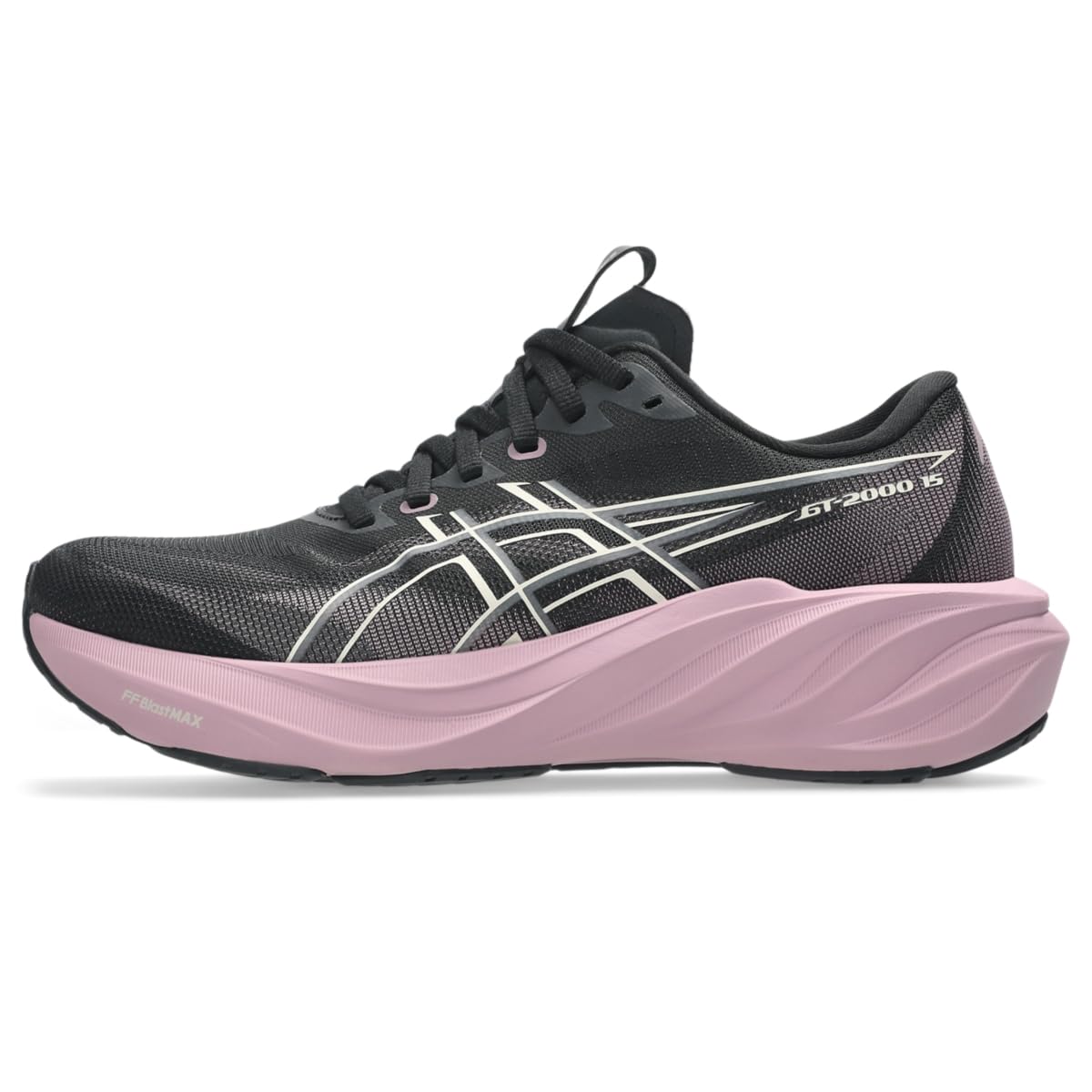
Who Should Buy These Shoes
These shoes suit runners and walkers who feel heel or arch soreness and want a cushioned, supportive shoe for daily miles. They also suit people who stand for long shifts and want a running-style shoe with a reliable heel and arch.
If your pain is sharp, getting worse, or limiting your walking, see a doctor or podiatrist before you buy. A shoe is one part of care, not a replacement for advice.
Heel Cushioning and Support
A cushioned heel softens the first steps of a run and every landing after it. A firm, stable heel counter stops the heel from tilting, which helps the foot stay in a steady position. Look for generous foam under the heel and a collar that holds the ankle without rubbing.
Arch Support That Fits Your Foot
Support should meet the arch without pressing hard into it. Too much arch pressure can feel as irritating as too little, so the best shoe matches your arch height. Runners with flat feet often like a stability shoe, while runners with high arches usually prefer a neutral shoe with a soft, wide platform.
Cushioning That Does Not Collapse
Foam that holds its shape keeps the foot supported through a run. Very soft foam can feel great in the store but flatten quickly, letting the arch drop late in a run. Aim for a balanced midsole that feels cushioned yet springy, and check it again as the shoes age.
Flexibility in the Right Place
A shoe should bend at the ball of the foot for a natural toe-off but stay firm through the midfoot. If a shoe twists or folds in the middle, it gives the arch little help. Try bending the shoe by hand: it should flex at the forefoot, not in the center.
Fit Tips for Sore Feet
- Shop in the afternoon, when feet are slightly larger.
- Leave a thumb's width in front of the longest toe, so toes can spread.
- Wear the socks and any insoles you plan to use.
- Walk and jog a few steps in both shoes before deciding.
Wide-width options exist for many models, and a roomier forefoot can help if your feet swell.
Choosing the Best Asics Running Shoes for Plantar Fasciitis
Start with comfort in the first ten minutes and again after a longer walk. Neutral cushioned trainers suit most people with normal or high arches, while stability trainers suit feet that roll inward. Compare two or three pairs rather than buying the first that looks right. Break new shoes in gradually, and replace them when the cushioning feels flat, usually after about 300 to 500 miles.
Some people add an over-the-counter insole for extra arch support. Remove the shoe's own insole first, so the new one does not crowd the toes.
Warning Signs to Watch
Heel pain that gets worse, sharp pain, swelling, or pain that changes how you walk are reasons to talk with a doctor or podiatrist promptly. Do not run through worsening pain in new shoes.
Related Choices Worth Comparing
For a wider view, read the best shoes for plantar fasciitis and best running shoes for plantar fasciitis guides. Asics fans can also check the best asics shoes for plantar fasciitis guide, and readers looking for a gender-specific fit can read about men's running shoes for plantar fasciitis or women's running shoes for plantar fasciitis.
Mistakes to Avoid
- Buying the softest shoe, which can flatten quickly.
- Choosing a shoe that bends in the middle.
- Ignoring width and toe room.
- Wearing worn-out shoes for too long.
- Skipping professional advice when pain persists.
FAQ
Can running shoes help with plantar fasciitis?
Supportive shoes can make activity more comfortable by cushioning the heel and holding the arch. They do not treat the condition, so follow the advice of your doctor or podiatrist.
Should plantar fasciitis shoes be stiff or soft?
Most people do best with a shoe that is firm through the midfoot and cushioned at the heel. A shoe that is soft everywhere may not support the arch well.
How tight should the shoes be?
Snug at the midfoot and heel, with room for the toes to spread. If the shoe presses on the arch or the top of the foot, try another model or width.
Do I need inserts?
Inserts can help if the shoe's support feels weak. A podiatrist can advise whether an over-the-counter or custom insert makes sense for you.
When should I stop running with heel pain?
Stop and ask a doctor if the pain is sharp, getting worse, or lasting beyond your run. Rest and professional advice usually matter more than any shoe change.
Final Thoughts
The best asics running shoes for plantar fasciitis are the ones that feel cushioned, supported, and roomy in the right places. Compare the options in the product table, check the fit carefully, and replace worn shoes on time. If heel pain persists, talk with your doctor before you decide.


