
Best ASICS Running Shoes: A Practical Buying Guide for 2026
Disclosure: We may earn a commission when you buy through links on this page, at no extra cost to you. As an Amazon Associate I earn from qualifying purchases. Learn more

Choose the best asic running shoes by stride, distance, and cushioning, with a guide to Gel-Nimbus, Kayano, Cumulus, Novablast, and value models.
The best asic running shoes (usually sold under the ASICS name) cover a wide range, from soft daily trainers to bouncy lightweight models and firm stability shoes. Picking the right one comes down to your stride, your weekly distance, and how much cushioning you like. This guide explains the main ASICS shoe families and how to match one to your running.
Start with how you run most days. The product table lists neutral and stability models across several price levels, and the sections below explain what separates them.
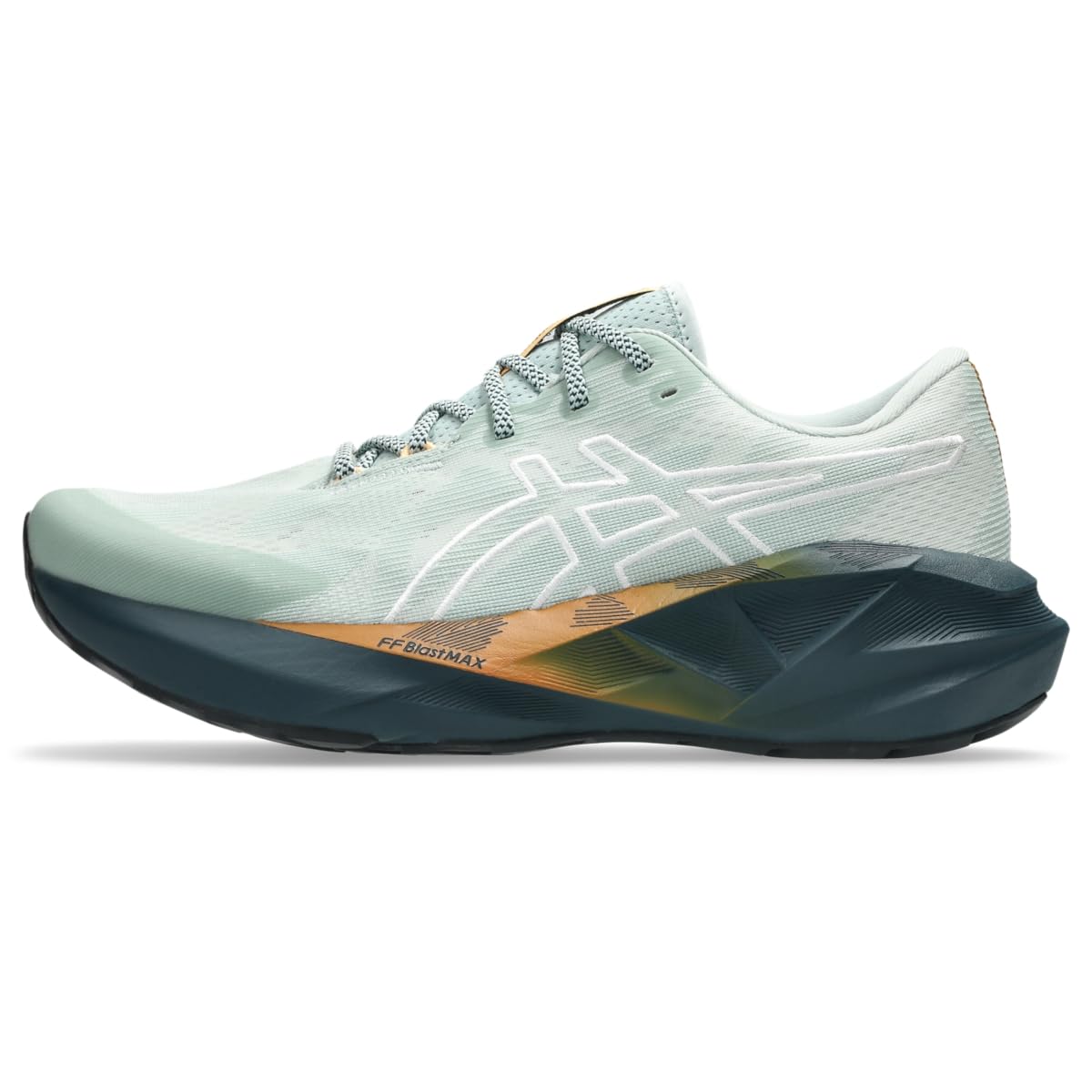
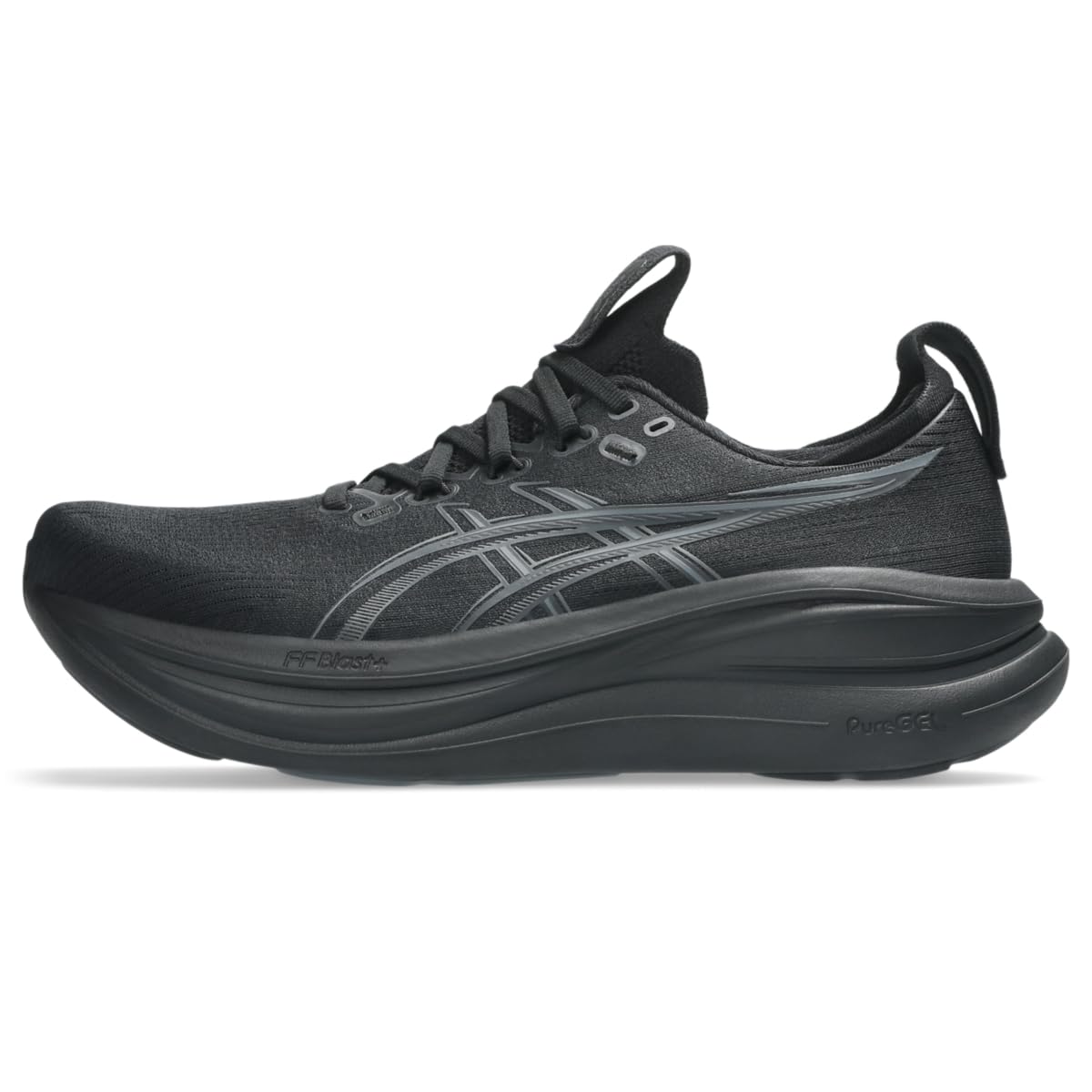
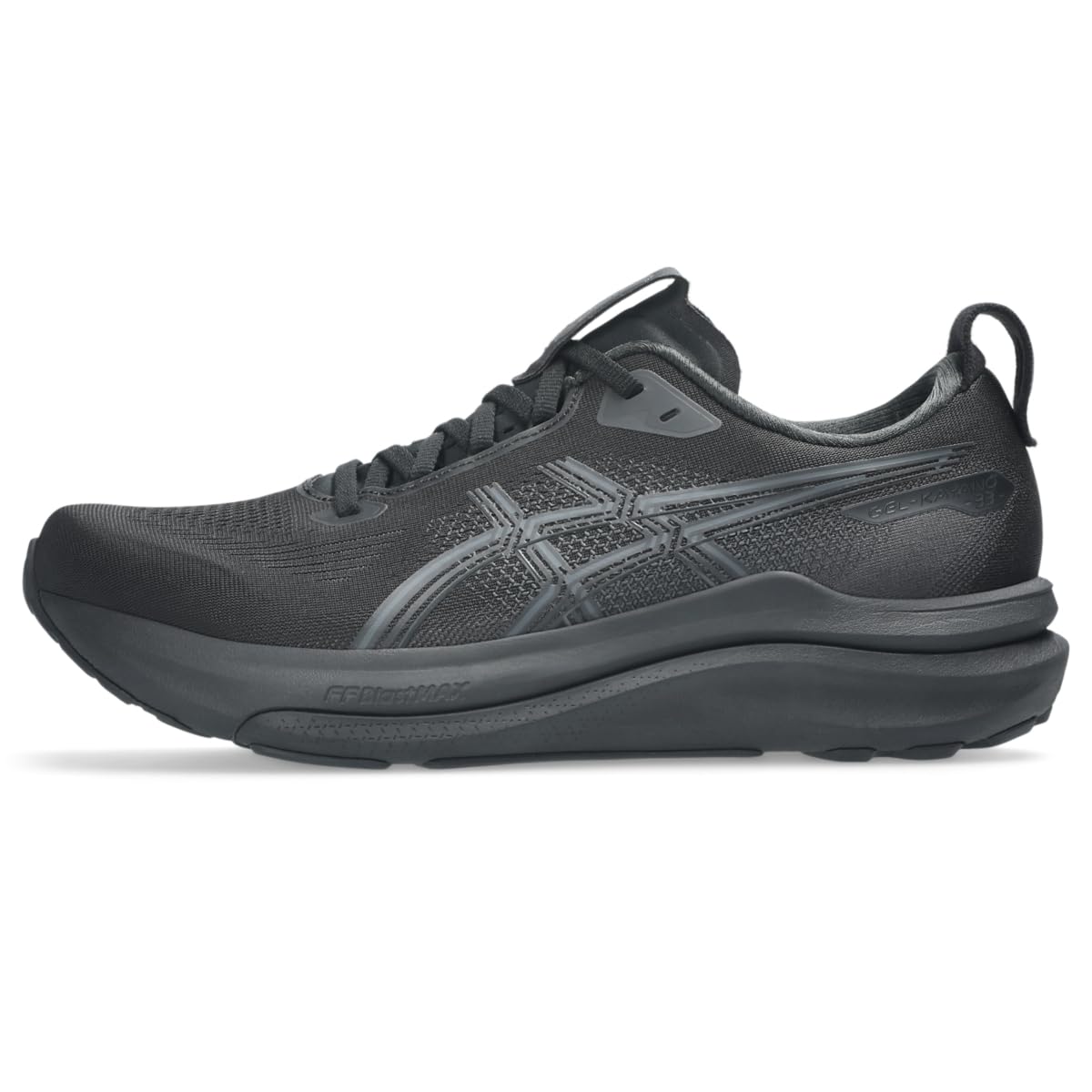
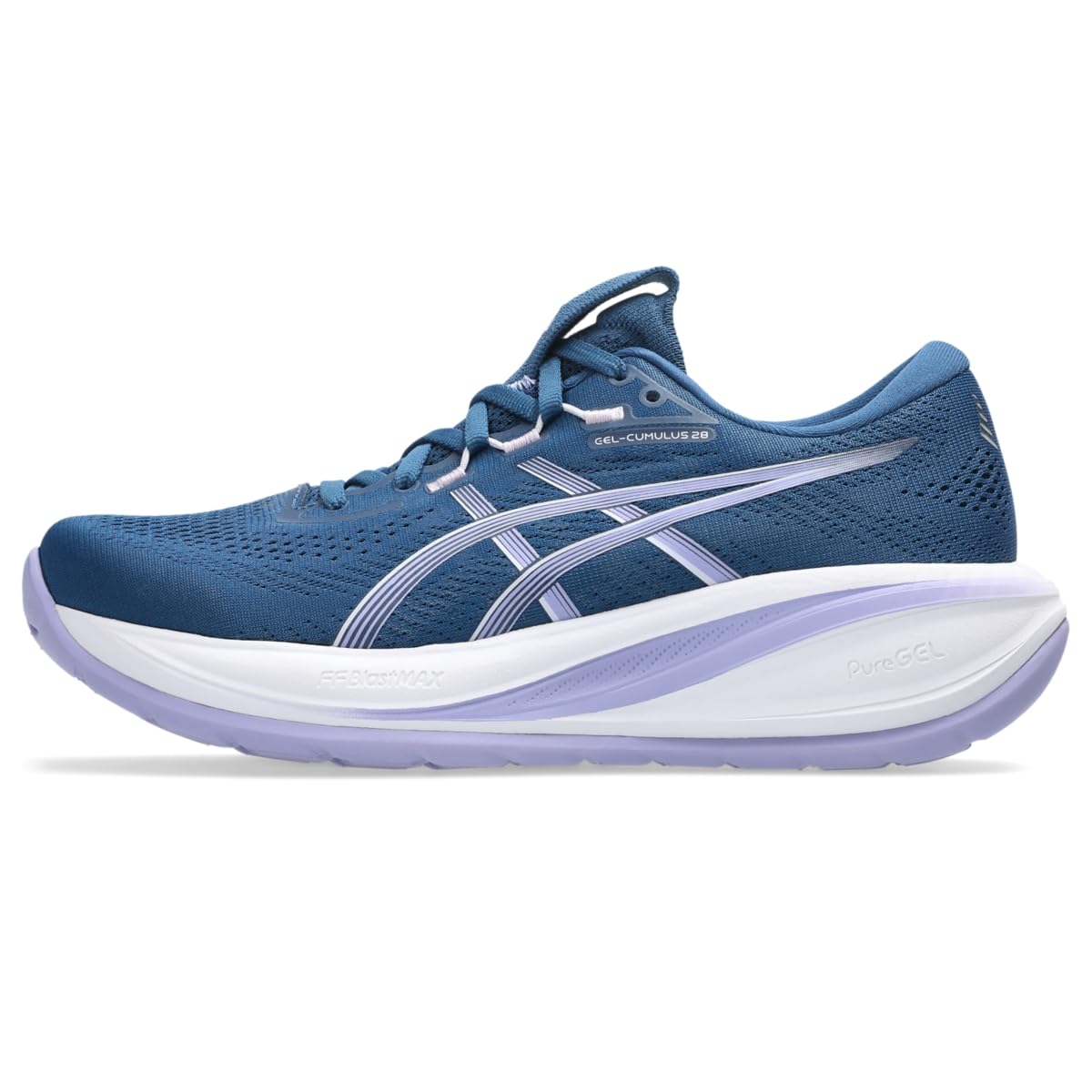

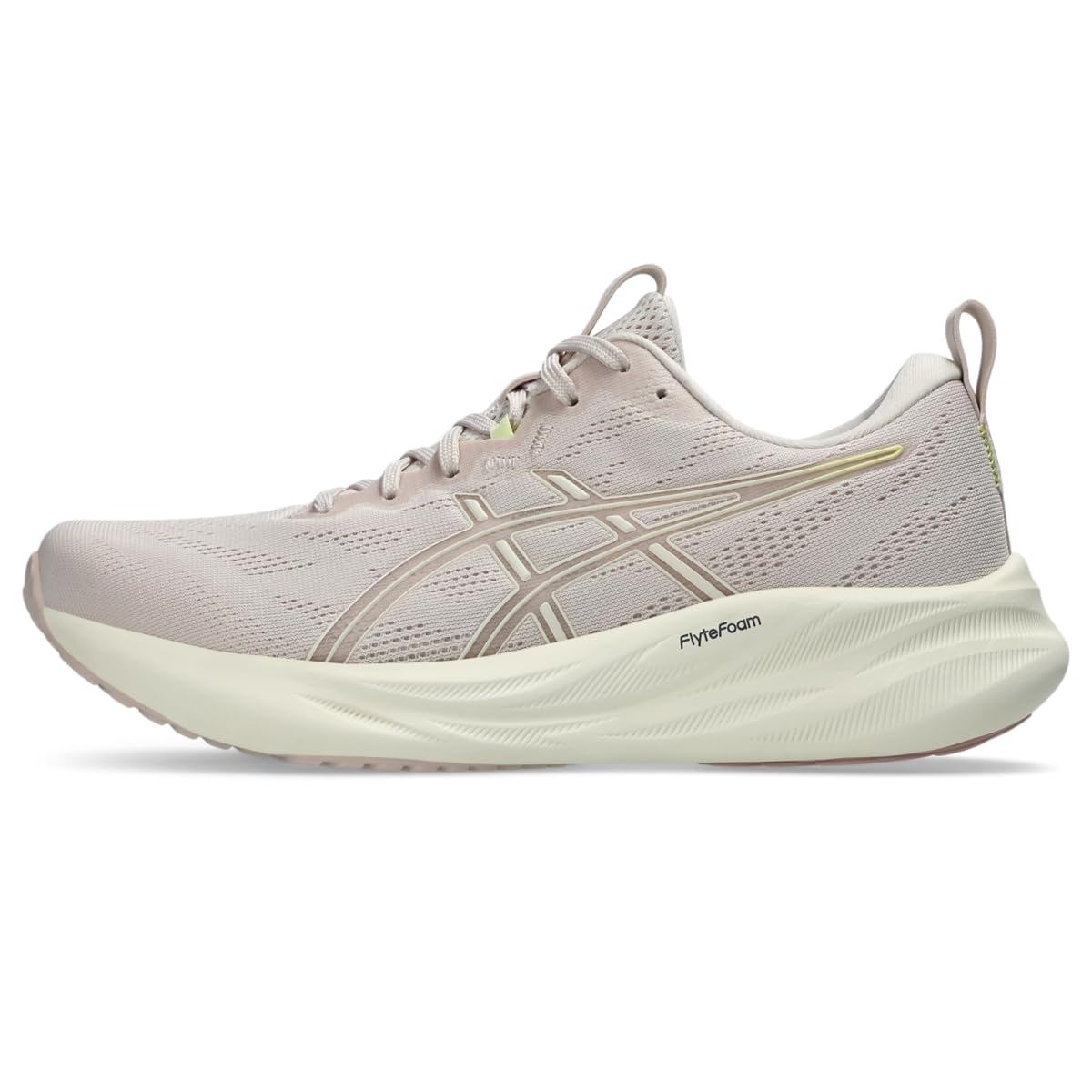
ASICS Road Running Shoe Families
Max Cushion Neutral: Gel-Nimbus
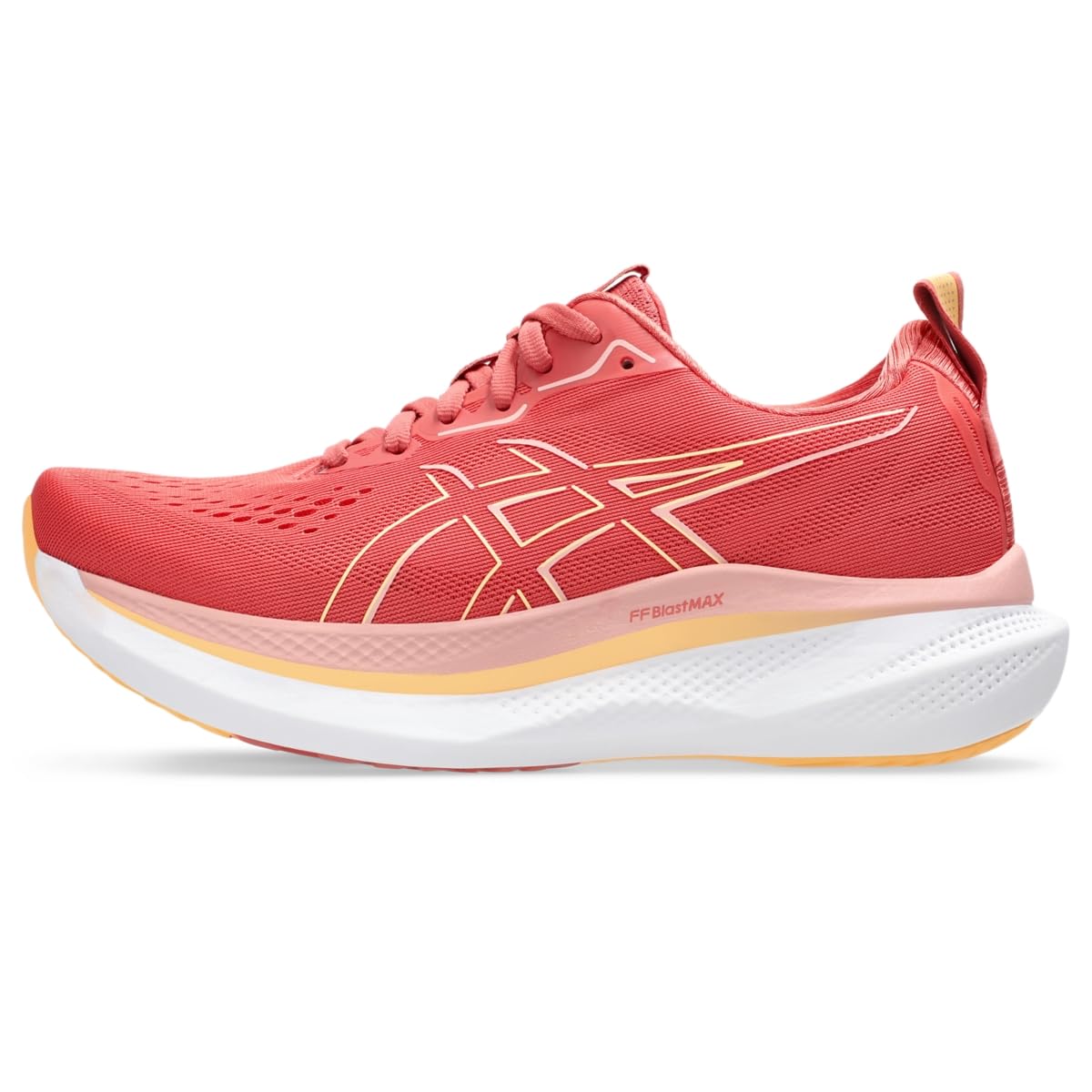
The Gel-Nimbus line is ASICS's plush neutral trainer. It uses a thick cushioned midsole and suits long easy runs, recovery days, and runners who want a soft landing. It is heavier than lightweight trainers, and the high stack can feel less nimble on fast sessions.
Stability: Gel-Kayano and GT-2000
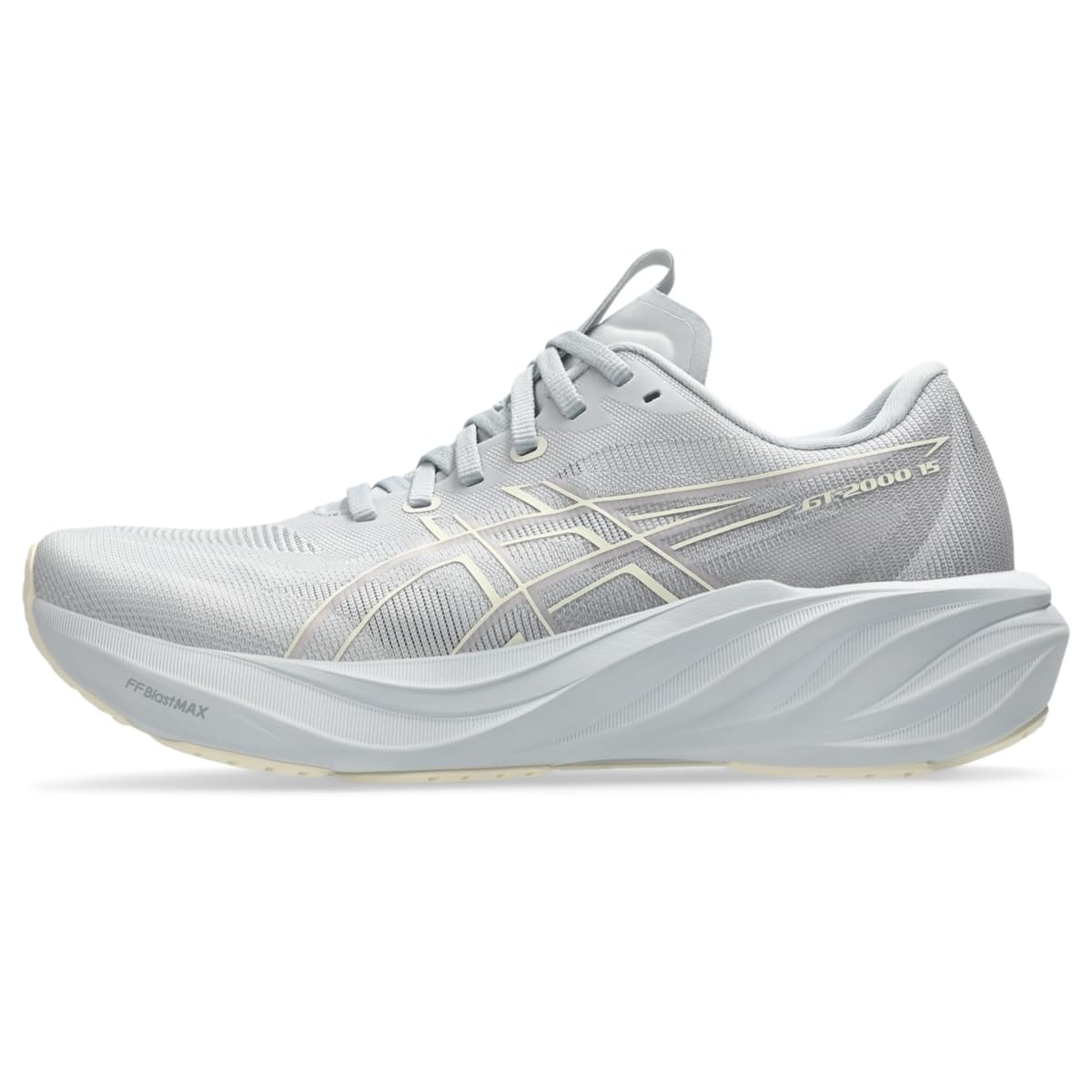
Gel-Kayano is the firm, supportive choice for runners whose feet roll inward. The GT-2000 offers moderate stability at a lower price and weight. Both add support on the inner side of the midsole, so they feel more guided than neutral shoes.
Daily Neutral Trainers: Gel-Cumulus and Novablast
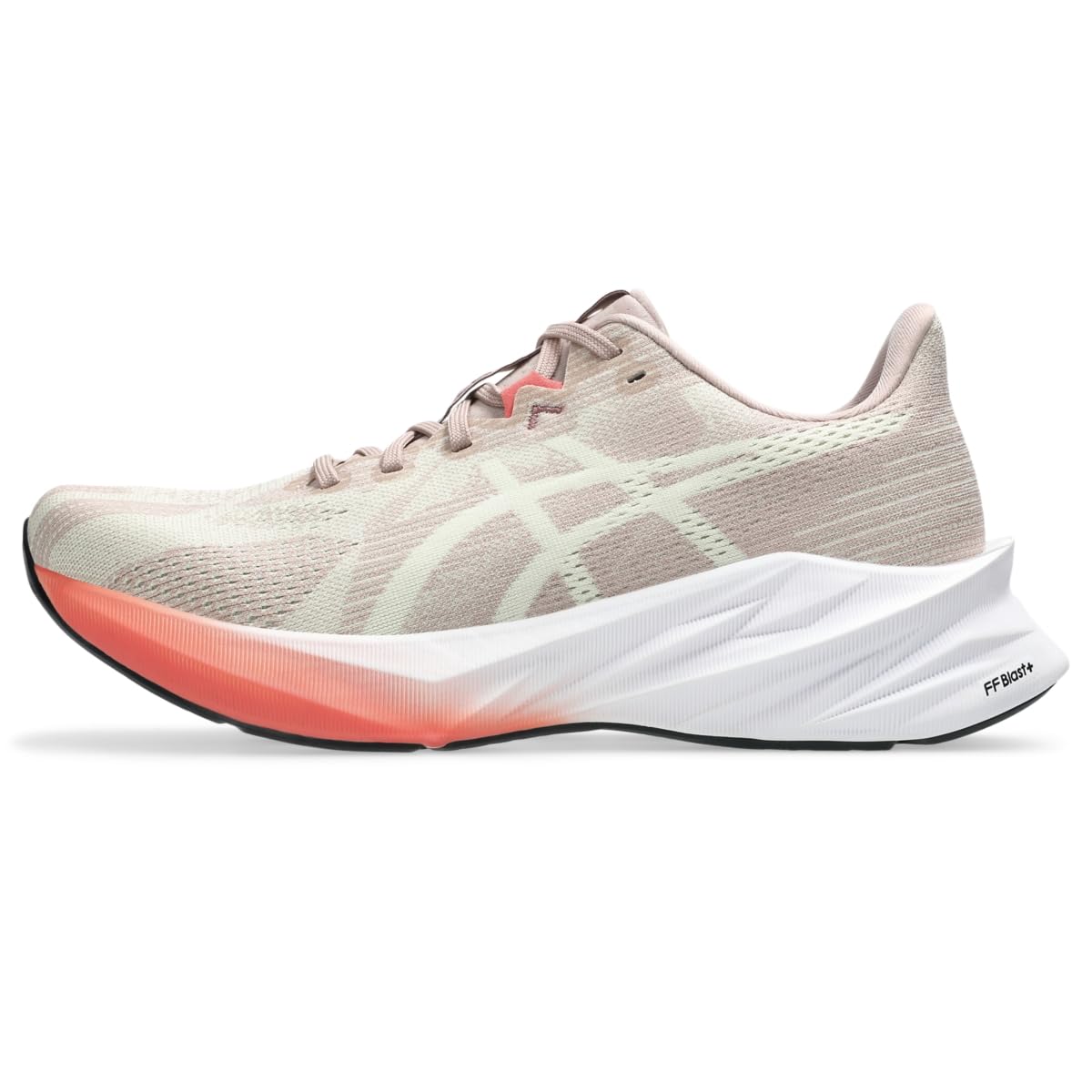
Gel-Cumulus is a balanced, durable neutral trainer for everyday mileage. Novablast has a springier, more energetic feel and suits runners who like a bit of bounce. Both work for easy runs, tempo efforts, and mixed training.
Value Models: Gel-Excite and Gel-Contend
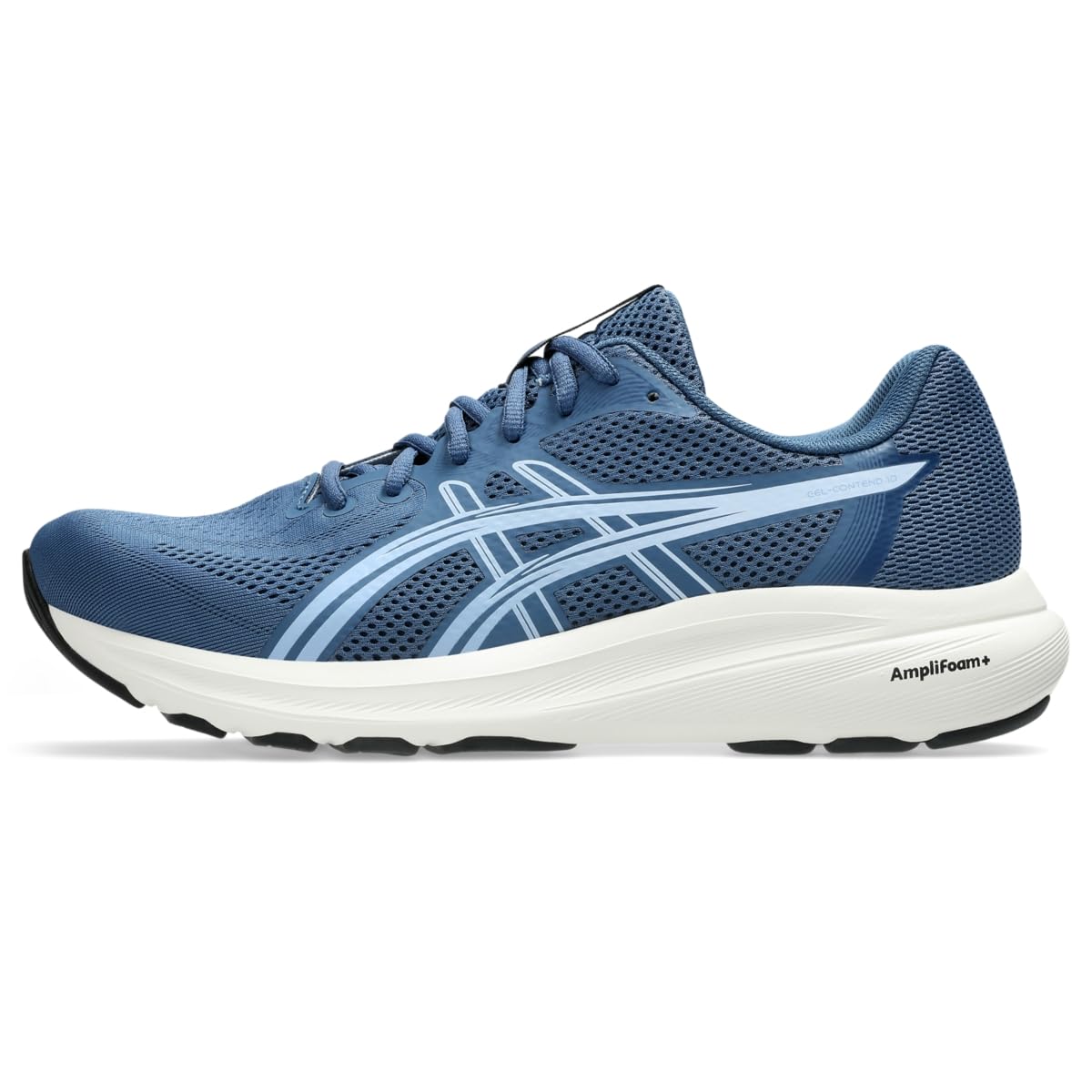
Gel-Excite and Gel-Contend are budget friendly trainers that cover the basics well. They suit beginners, casual runners, and anyone who wants a dependable shoe without paying for top end foam.
How to Choose
Choose neutral shoes if your stride is fairly even and stability shoes if your feet roll inward or your old shoes wear heavily on the inner heel. Pick more cushioning for long distances and heavier bodies, and a lighter shoe for faster runs. Try shoes in the afternoon, with the socks you run in, and leave about a thumb width ahead of your longest toe.
Key Features to Compare
- Cushioning: soft foam feels plush, firmer foam feels responsive and tends to last longer.
- Drop and stack: a higher heel suits heel strikers, while a lower drop suits midfoot runners. Change drop gradually.
- Fit and width: ASICS offers wide sizes in many models, which is better than sizing up in length.
- Outsole durability: check rubber coverage at the heel and forefoot, where wear shows first.
- Weight and breathability: lighter shoes reduce fatigue, and mesh uppers keep feet cooler in summer.
Care and When to Replace
Most running shoes last roughly 300 to 500 miles. Replace them when the cushioning feels flat, the outsole is worn through, or new aches appear. Rotate two pairs if you run often, air dry shoes after wet runs, and never use a hot dryer, which can damage foam and glue.
Common Mistakes to Avoid
- Buying a stability shoe when you run neutral, or the reverse.
- Judging cushioning by pressing the foam instead of running in the shoe.
- Sizing up in length to fix a narrow forefoot, which causes heel slip.
- Keeping shoes long past their mileage because the upper still looks good.
Related Guides
For wider comparisons, see our guides to the best running shoes, best male running shoes, and best ladies running shoes. If you are choosing for a woman, the best asics women's running shoes guide goes deeper.
Frequently Asked Questions
How should running shoes fit?
They should feel snug at the midfoot and heel, with a thumb width of room ahead of the longest toe. Feet swell during runs, so a slightly roomy fit helps. Try them with running socks.
How often should running shoes be replaced?
Many pairs last 300 to 500 miles, depending on weight, surface, and stride. Replace them when cushioning feels flat, tread wears unevenly, or new aches appear.
Do I need stability running shoes?
Stability shoes help runners whose feet roll inward noticeably. Neutral runners often prefer neutral cushioning. A gait check at a running store can guide the choice, but comfort should lead.
Are ASICS shoes suitable for racing?
Many ASICS trainers also suit races, especially longer events where cushioning matters. For short fast races, a lighter model usually feels better.
Can I use running shoes for walking?
Running shoes can suit walking, but dedicated walking shoes often offer a firmer, more stable platform for slower, longer steps. Choose based on your main activity.
Final Thoughts
Match the shoe to your stride and distance, check the fit with running socks, and keep track of mileage. With those steps, choosing among the best asic running shoes is a simple comparison in the product table rather than a guess.


