
Best Asian Smartphones of 2026: Complete Buying Guide
Disclosure: We may earn a commission when you buy through links on this page, at no extra cost to you. As an Amazon Associate I earn from qualifying purchases. Learn more

Our guide to the best asian smartphones covers US 5G bands, displays, cameras, battery life, and update policies so you can choose with confidence.
Phones from Asian makers now set the pace for much of the industry, leading on camera hardware, fast charging, and screen quality at prices that often undercut rivals. The catch for American buyers is variety plus one big complication: not every model sold online is built for United States networks, and a phone with dazzling specs can still disappoint if its 5G bands, update policy, or warranty support do not match life in the US.
This guide walks you through choosing the best asian smartphones for your carrier, your budget, and your habits. Start with the product table below, then work through the checks that separate a smart import buy from an expensive lesson.

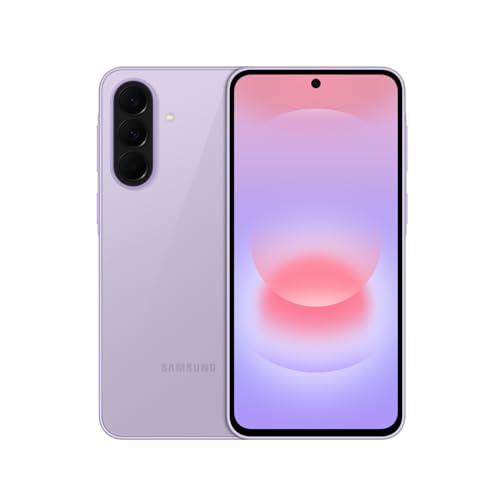

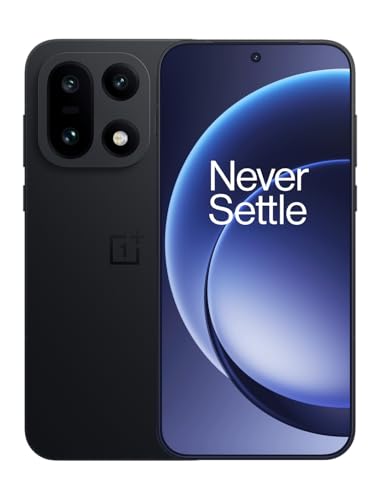
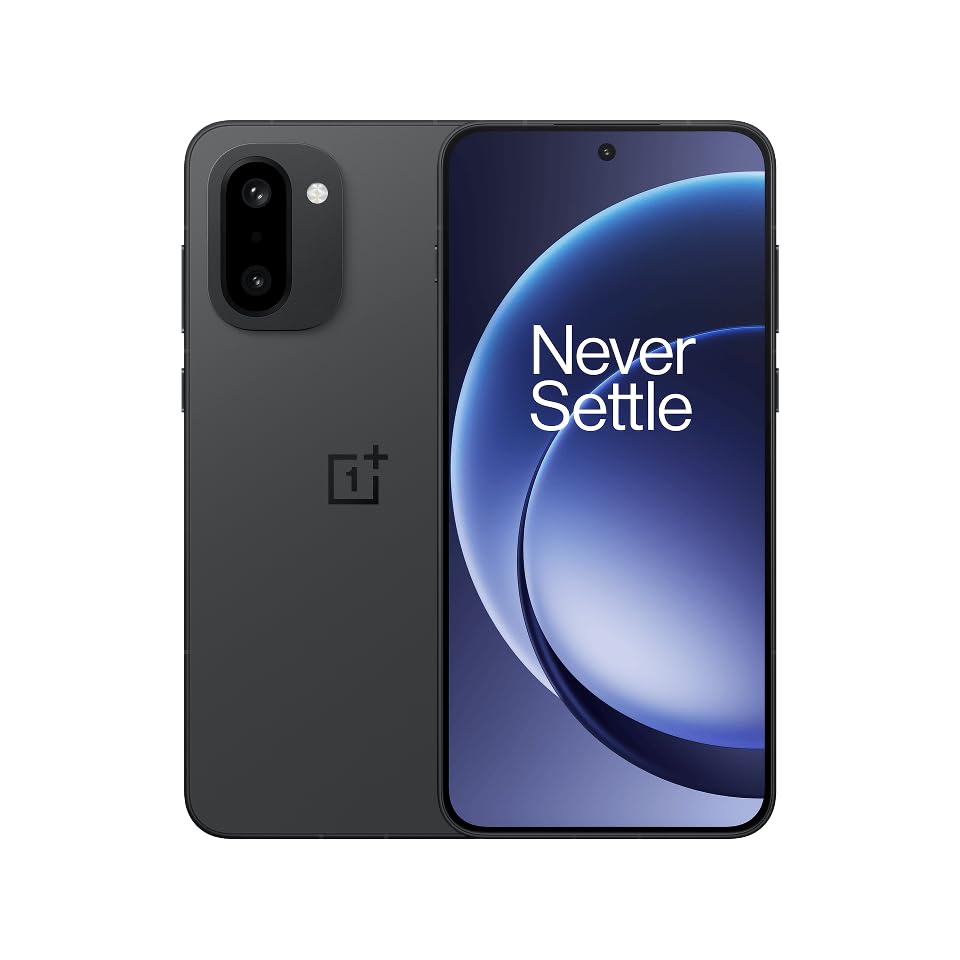
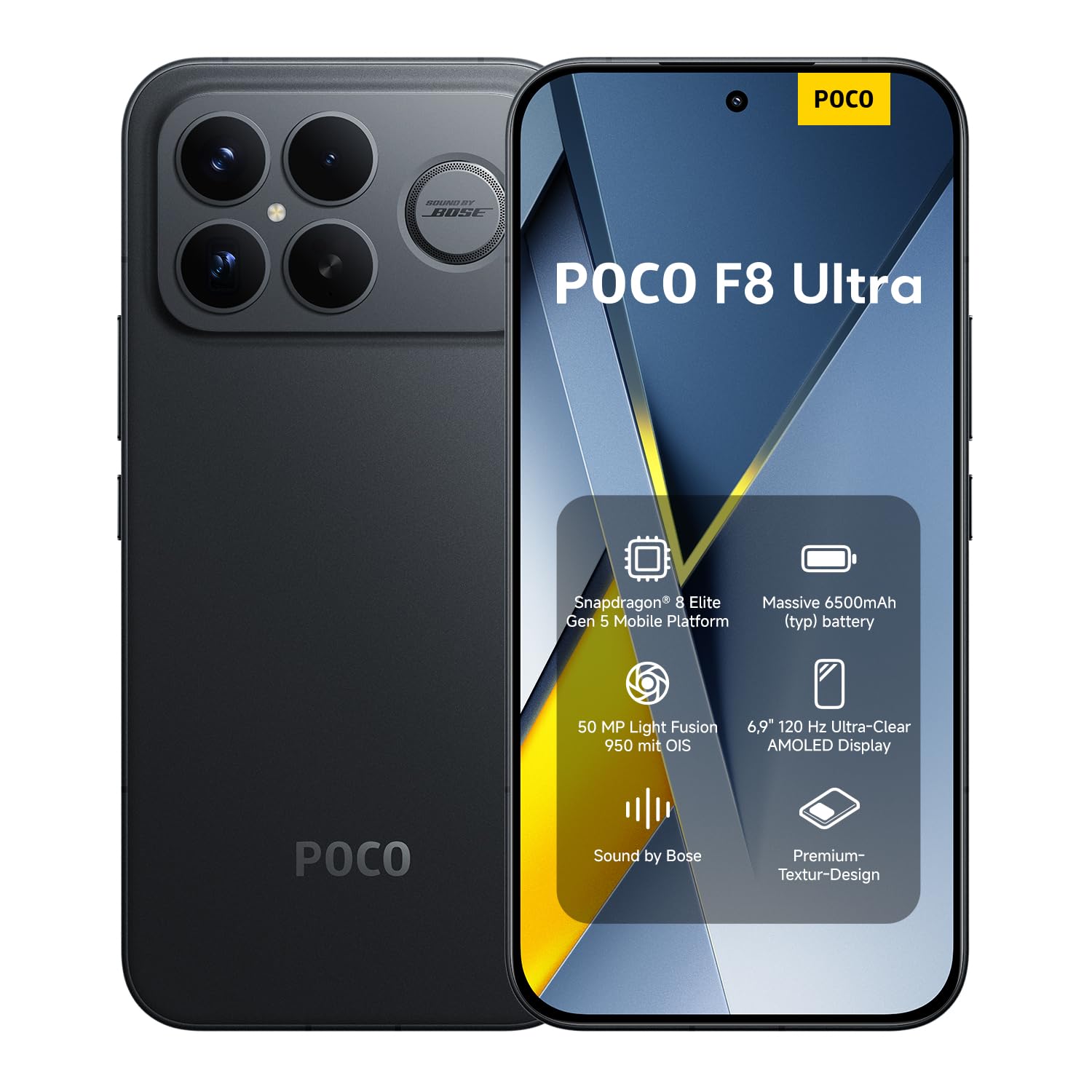
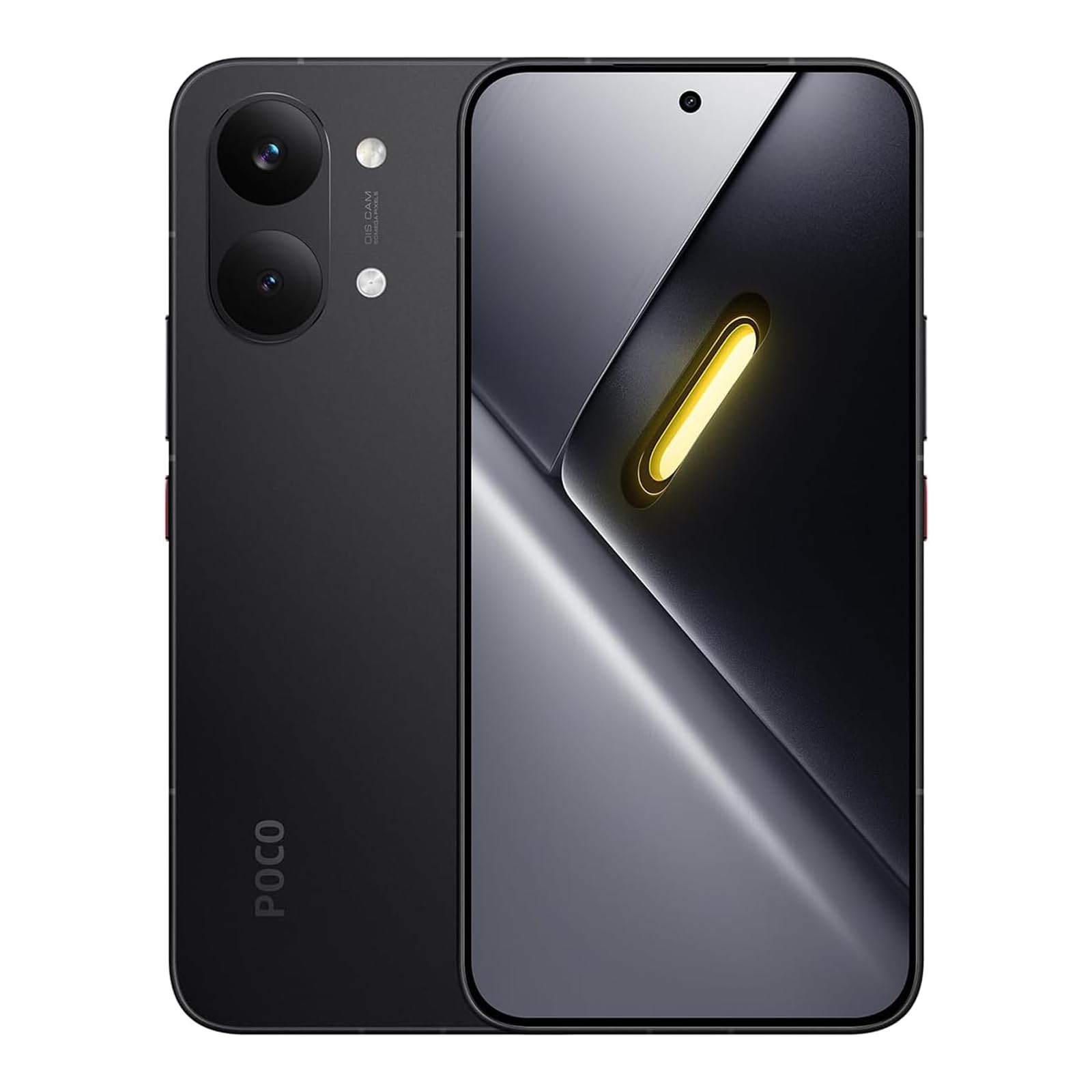
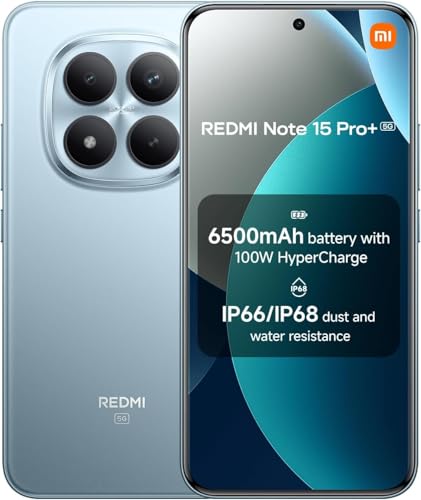
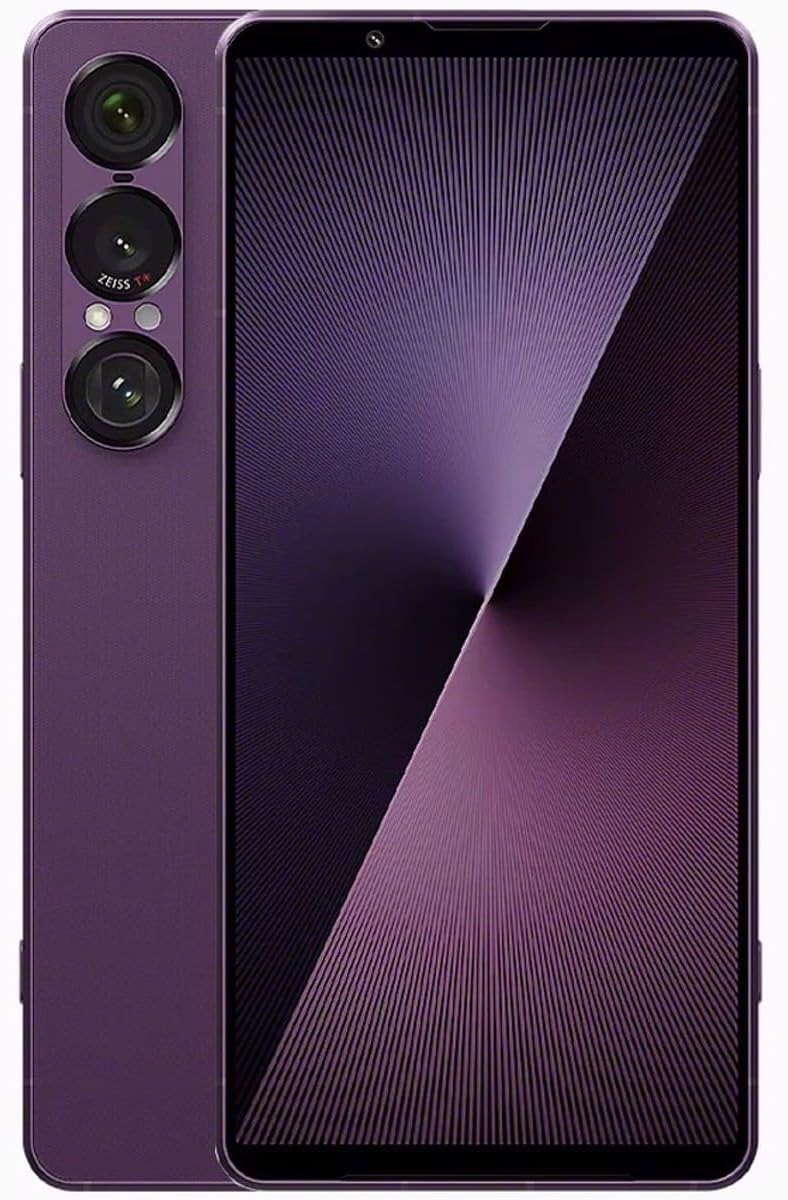
Three Buyer Profiles at a Glance
Rather than naming individual models, this section describes what a good buy looks like for three common buyers. Match listings against these profiles, because specs change every season while the profile of a well chosen phone stays the same.
The All Round Profile: The Complete Package
A strong all round buy, usually around $600 to $900, combines a bright OLED display at 120Hz, a current flagship or near flagship processor, a versatile camera set with a genuine telephoto lens, and at least five years of promised software updates. Battery capacity near 5,000 mAh with fast wired charging is typical at this level, as is an IP68 water resistance rating. This profile suits buyers who keep a phone three to four years and want no weak points. Its only real limit is price overlap with the very top tier, so if a sale brings a flagship within about $100, the upgrade may serve you longer.
The Value Profile: Flagship Features, Sensible Cuts
A strong value buy, usually around $300 to $500, keeps the things you feel daily: a smooth OLED screen, a capable main camera with optical image stabilization, a large battery, and quick charging. The cuts land where most people notice least, such as a plastic frame, no wireless charging, shorter update promises, or a basic ultrawide camera. This profile suits students, families buying several phones, and anyone upgrading from a three year old device, because the everyday experience lands surprisingly close to premium phones. Check the update policy twice at this tier, since two years of support versus five changes how long the phone stays safe and useful.
The Premium Profile: No Compromise
A no compromise buy, around $900 to $1,300 or more, adds the best camera systems on the market, including large sensors and periscope zoom, the fastest processors, premium glass and metal builds, and the longest update commitments. These phones suit photographers, mobile gamers, and professionals whose phone is their main computer. Be honest about the returns, though: above this level each extra $100 buys smaller gains, and the most common regret is paying flagship money for camera hardware that a casual snapper never pushes. If your current phone is only a year old, waiting one cycle usually beats upgrading within this tier.
How to Choose the Best Asian Smartphones: Buying Guide
Display Size and Quality
Most models cluster between 6.1 and 6.9 inches, so choose by hand comfort first: under about 6.3 inches suits one handed use, while larger screens reward media and reading. OLED panels give deep blacks and strong contrast and are standard above around $250. A 120Hz refresh rate makes scrolling and animation visibly smoother than 60Hz, and it is worth having if the price gap is small. For outdoor use, look for peak brightness figures of 1,600 nits or more, since a dim premium screen frustrates more in summer sun than a modest panel that gets properly bright.
Build, Durability, and Water Resistance
An IP68 rating means the phone can survive immersion in fresh water under rated conditions, while IP64 or IP65 covers splashes and rain only. Glass from recent protective generations resists drops better than older glass, but no phone is drop proof, so budget for a case regardless. Metal frames dent where plastic frames flex, and matte backs hide fingerprints and grip better than glossy ones. Check repairability too: makers that sell genuine screens and batteries through local service partners save you weeks if the phone ever needs work.
Battery Life and Charging Speed
Capacity between 4,500 and 5,500 mAh covers a full day for most users, with larger screens and heavy gaming draining faster than the numbers suggest. Charging speed is where many Asian brands shine, with wired charging that refills a phone in well under an hour on higher tiers, versus the slower pace of some rivals. Confirm the charger situation before buying, because many boxes now contain only a cable. Wireless charging is a convenience worth having if you already own pads at home or in the car, but its absence at midrange prices is a sensible saving, not a flaw.
Storage Options
Choose 128GB if you stream media, store photos in the cloud, and install a moderate set of apps. Choose 256GB if you shoot lots of video, travel offline, or plan to keep the phone four years, since storage pressure grows every year and cannot be fixed later. Many phones have dropped microSD slots entirely, especially at premium tiers, so do not assume expansion exists; check the spec sheet. A useful rule: if your current phone is more than two thirds full, buy the next size up this time.
Processor and Everyday Performance
Flagship chips deliver the fastest gaming and the longest useful life, but current midrange chips handle calls, browsing, social apps, and photography without stutter for most people. RAM of 8GB is a healthy minimum now, with 12GB giving keen multitaskers and gamers extra headroom. Thermals matter more than peak benchmark scores: a phone that throttles after ten minutes of gaming or video recording feels slower in real life than a cooler phone with a modest chip. If you keep phones for years, favor the stronger processor, because software only grows heavier with time.
Carrier Compatibility and 5G
This is the section that decides success or regret for US buyers. Buy unlocked, and confirm the exact model variant supports your carrier's main 5G and LTE bands, because the same phone name can hide regional variants with different radios. Some imported variants lack key US bands or carrier certification, which can mean weak rural coverage, no voice over LTE, or activation refusals. Before ordering, check the model number on the carrier compatibility page, and favor sellers offering US warranties and easy returns. Our broader overview of the best smartphones ranked shows how these compatibility checks fit into overall phone shopping.
Types of Asian Smartphones
Compact Phones
Compact models keep screens near 6.1 inches with narrow bodies that suit smaller hands and shallow pockets. You give up some battery size and usually the longest zoom cameras, and in return you get a phone you can use one handed all day without strain. They suit commuters, runners, and anyone tired of oversized slabs. If small size is your top priority, compare the focused options in our guide to the best compact smartphones before you settle.
Budget Phones
Budget models, roughly under $300, concentrate on battery life, a decent main camera, and a smooth enough screen, while trimming build materials, water resistance, and update length. For calls, messaging, navigation, and social apps, a good budget phone now covers nearly everything a light user needs. They suit first phones, backup phones, and careful spenders. Shoppers hunting this tier will find more price focused advice in our guide to the best bargain smartphones.
Camera Focused Phones
Camera focused models spend their budget on larger sensors, quality telephoto lenses, and advanced night mode processing that lifts shadows without smearing detail. They reward anyone who photographs kids, travel, food, or low light events, and the best of them rival dedicated compact cameras for everyday shots. The trade off is price and sometimes battery drain during heavy shooting. If photography drives your choice, the deeper camera criteria in our guide to the best smartphones with good camera will sharpen your shortlist.
Setup and Care Tips
- Fit a case and screen protector on day one, because replacement screens are the single most expensive common repair and the cost rises with premium curved panels.
- Keep software updated as releases arrive, since updates carry security patches plus camera and battery improvements that makers tune through the first year.
- Avoid charging in extreme heat, such as on a sunny car dashboard, because heat during charging ages a lithium battery faster than almost anything else you do.
- Back up photos regularly to cloud storage or a computer, so a lost or broken phone costs you hardware money rather than irreplaceable memories.
- Transfer data with the maker migration tool before you wipe the old phone, and confirm your banking and two factor apps work on the new device first.
- Restart the phone every week or two; this simple habit clears minor glitches and keeps background behavior predictable as apps accumulate.
Asian Smartphones: Your Questions Answered
Is a mid range phone good enough?
For most people, yes. Current mid range phones offer smooth OLED screens, all day batteries, and main cameras that satisfy anyone sharing photos with family and friends. You give up the longest zoom, the fastest gaming performance, and some years of updates. If you do not game heavily or shoot distant subjects, the money saved versus a flagship buys accessories, storage upgrades, or simply stays in your pocket with little daily sacrifice.
How many years of updates should a phone get?
Aim for at least four years of security updates, and prefer five to seven years when you keep phones a long time. Security support matters more than feature updates, because an unpatched phone becomes risky for banking and email even while it still feels fast. Check the promise for the exact model, not the brand in general, since makers often support premium lines far longer than their budget lines.
Do I need 5G on a smartphone?
Yes, for any phone you plan to keep beyond a year or two, because carriers keep shifting capacity toward 5G and the best coverage improvements land there first. The practical benefit today is stronger performance in crowded places and better rural reach on low band 5G, not just peak speed. Just confirm the phone supports your carrier bands, since a 5G label on an imported variant does not guarantee US network support.
How much storage do I need on a smartphone?
Most users should buy 256GB if the price step is modest, because photos, video, and apps grow steadily and storage cannot be added later on most models. Light users who stream everything and back up photos to the cloud can live well with 128GB. Check your current phone usage in settings before deciding: if you are above about 100GB now, the larger size is the safer buy.
Should I buy an unlocked smartphone?
Yes, unlocked is the safer default for phones from Asian makers, because it lets you switch carriers, travel with local SIM or eSIM plans, and avoid carrier bloatware and payment lock in. The one check that matters is band and certification support for your carrier, confirmed by exact model number. Carrier sold versions make sense only when a promotion cuts the price sharply and you are certain you will stay.
The Bottom Line
Choose in this order: confirm US carrier compatibility, set your size and storage, then compare cameras and update promises within your budget. With those checks done, the best asian smartphones offer remarkable screens, cameras, and charging speed for your money, and the right one will serve you well for years.


