Best Asian Knives Made Simple for 2026: A Clear Buying Guide
Disclosure: We may earn a commission when you buy through links on this page, at no extra cost to you. As an Amazon Associate I earn from qualifying purchases. Learn more

Best asian knives explained for beginners: blade steel, edge angles, forged versus stamped, weight, handles, and storage.
If you are new to this style of kitchen knife, shopping for best asian knives can feel confusing, because the names, blade shapes, and steel terms sound unfamiliar even when the cooking tasks are everyday ones. The good news is that most home cooks need only a few sound ideas to choose well: a blade shape that fits their cutting style, steel that holds an edge without demanding expert care, and a handle that feels secure in the hand. The product table shows a range of picks to compare.
This guide explains each idea in plain language, from blade steel to storage, so a first time buyer can shop with confidence and avoid a set full of knives that rarely leave the block. You will learn what each feature changes in daily cooking, which mistakes new buyers make most often, and how to care for a knife so it stays useful for years.







Best Asian Knives 101: The Basics
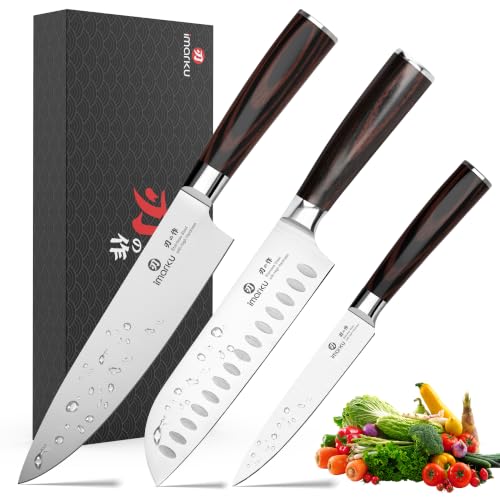
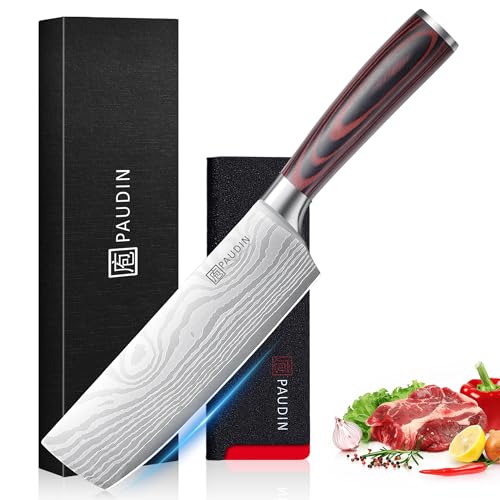
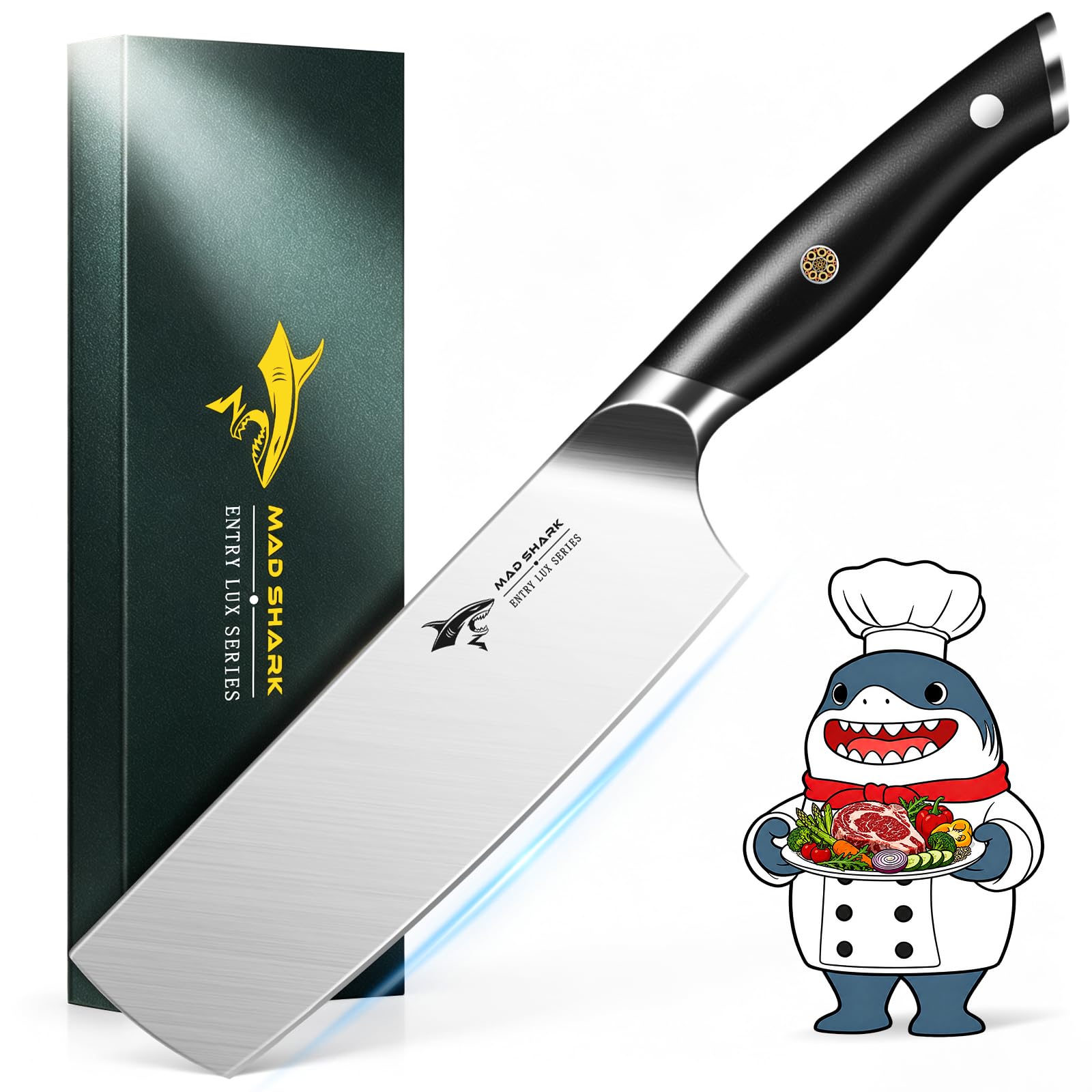
Asian kitchen knives cover a wide family of blade shapes, but most home cooks meet only a handful of them. A santoku is a versatile all purpose blade with a gentle curve, good for slicing, dicing, and mincing. A nakiri is a straight edged vegetable blade that cuts cleanly through produce with a push or chop motion.
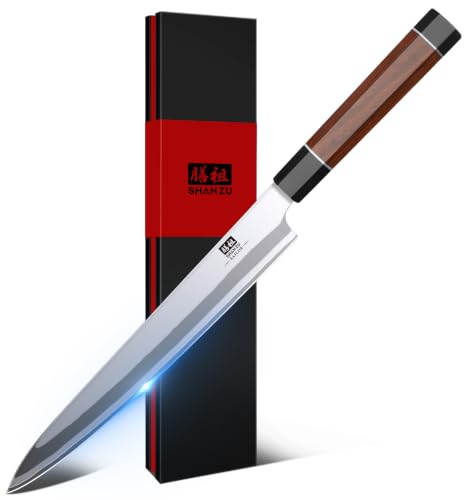
A gyuto is the closest cousin to a Western chef knife, with a pointed tip and a curved edge for rocking cuts. Knowing these three shapes is enough to start, because they cover most daily prep while leaving specialty blades for later. For a broader look at kitchen cutlery, see our guide to the best chef's knives and our guide to the best chef knife sets.
Key Specs Explained in Plain English
Specs matter only when you know what they change at the cutting board. The points below translate steel, construction, weight, and handle terms into everyday cooking effects, so you can judge a knife by how it will feel and perform rather than by a list of numbers.
Blade Steel: Hardness, Edge Retention, and Rust Resistance
Blade steel is often described by hardness on the Rockwell scale, written as HRC, where a higher number usually means a harder blade that holds a sharp edge longer. Harder steel can take a finer, more acute edge angle, which is why many Asian blades feel sharper than softer Western blades. The trade off is that very hard steel can chip if it hits bone or a hard board, and it may need a whetstone rather than a simple pull through sharpener. High carbon stainless steel aims for a middle path, with good edge retention, easier care, and solid rust resistance.
Which Knives a Set Really Needs
A useful starter set is smaller than most boxed sets suggest. A main all purpose blade, a small paring knife for detail work, and a bread knife or a sturdy utility blade cover most home cooking, and a nakiri is a welcome fourth blade for cooks who prep a lot of vegetables. Extra specialty blades often sit unused, taking up space and budget that could have gone toward better steel in the core blades. Buy the core blades first, and add a specialty blade only when a repeated task shows you need it.
Forged Versus Stamped Blades
Forged blades are shaped from heated steel and usually feel heavier, with a bolster where blade meets handle and a sense of solidity in the hand. Stamped blades are cut from a sheet of steel, so they tend to be lighter, thinner, and less expensive, and they can still cut very well for everyday tasks. Neither method guarantees quality on its own, since steel type, heat treatment, and edge finishing matter just as much.
Storage Block, Magnetic Strip, or Roll
Storage protects the edge and protects your hands, so it deserves as much thought as the blade itself. A block keeps blades upright and out of reach, but it must fit the blade lengths you own and allow the edge to slide in without scraping. A magnetic strip saves counter space and shows each blade clearly, yet it needs a secure wall mount away from busy walkways.
A roll suits cooks who carry knives or store them in a drawer, since it keeps edges separated and covered. Whichever you choose, never store a loose blade in a drawer where it can dull against other tools or cut a reaching hand.
Weight and Balance
Weight and balance decide whether a knife feels like an extension of your hand or a chore after twenty minutes of prep. A blade heavy toward the front powers through dense vegetables, while a handle heavy knife can feel nimble for fine slicing but tiring for large jobs. The balance point should sit near the bolster or just ahead of it for most all purpose blades, giving control without forcing your wrist to work hard.
Handle Material and Grip
Handles come in wood, composite, and steel, and each has practical strengths for a home kitchen. Wood feels warm and comfortable but needs drying after washing to avoid swelling or cracking. Composite handles resist moisture and stay grippy when wet, which helps during long prep sessions.
Steel handles match the blade for durability and easy cleaning but can feel slippery or cold in the hand. A full tang, where the steel runs through the handle, adds strength and balance, while a secure grip shape matters more than looks: your hand should stay put without squeezing hard. For ideas on complete collections, see our guide to the best cutting knife sets, our guide to the best culinary knife sets, and our guide to the best cooking knife sets.
Rookie Mistakes to Avoid
New buyers often repeat the same few mistakes, and each one is easy to avoid once you know it.
- Buying a large set instead of a few good core blades, which leaves most knives unused and the budget spread thin.
- Choosing the hardest steel available without a sharpening plan, which leads to a dull blade that stays dull.
- Cutting on glass, stone, or a steel counter, which dulls or chips a fine edge far faster than a wood or soft plastic board.
- Putting knives in the dishwasher, where heat, detergent, and rattling dull edges and loosen handles over time.
- Picking a blade by looks alone, without checking weight, balance, and grip in a pinch hold.
Getting Started: Setup and First Use
When a new knife arrives, wash it by hand with warm soapy water, dry it at once, and store it in its block, strip, or roll before you start cooking. Try a pinch grip, with thumb and forefinger on the blade just ahead of the handle, and practice slow, controlled cuts on a stable board with a damp cloth beneath it. Hone the edge lightly before heavy use if the maker advises it, and keep the blade away from bones, frozen food, and hard surfaces that can chip a fine edge.
Frequently Asked Questions
Can asian knives go in the dishwasher?
No, hand washing is the safer choice for most asian knives. Dishwasher heat and detergent can dull a fine edge, loosen a handle, and cause rust spots on high carbon steel over time. Rattling against other items can also chip an edge that was sharpened to a fine angle.
Wash the blade by hand with warm soapy water, dry it at once with a soft cloth, and store it in its block or on its strip. This habit takes under a minute and protects both edge and handle.
How often should I sharpen kitchen knives?
Sharpening frequency depends on how often you cook and what you cut, but most home cooks need a full sharpening a few times a year. Honing between sharpenings realigns a slightly bent edge and keeps a knife feeling sharp, though it does not replace sharpening a truly dull blade. A simple check helps: if a knife slides over a tomato skin instead of biting into it, it needs attention.
Are Japanese knives better than German knives?
Neither style is better in every kitchen, because they trade sharpness for toughness in different ways. Japanese style blades are often harder and thinner, so they cut with less effort and hold a very fine edge, but they need gentler use and careful sharpening. German style blades are often softer and sturdier, so they tolerate rougher work and simpler sharpening. Choose by your cutting habits: fine vegetable prep favors the thinner blade, while heavy everyday use favors the tougher one.
Are expensive knife sets worth it?
An expensive set is worth it when the extra cost buys better steel, sound construction, and blades you will actually use every week. It is not worth it when the price covers extra specialty blades that sit unused or a fancy block that crowds your counter. A smaller set of well made core blades often beats a large budget set in daily cooking. Judge a set blade by blade, and spend the most on the all purpose knife you reach for first.
What knives does a home cook really need?
Most home cooks need a main all purpose blade, a small paring knife, and a bread knife or utility blade, with a vegetable blade as a useful fourth choice. This small group handles slicing, dicing, mincing, peeling, and trimming without cluttering the kitchen. Start with these core blades, learn how each one feels, and add a specialty blade only when a repeated task proves the need. A focused set also makes sharpening and storage simpler.
The Bottom Line
Choose by blade shape, steel, weight, and grip rather than by set size or looks, and let your own cooking decide which strengths matter most. A few well chosen core blades, cared for by hand washing and proper storage, will serve a home kitchen far better than a large set of rarely used knives. Use the product table to compare the options, and when you find one of the best asian knives that fits your hand and your budget, you have found a sound first purchase.