Best Artificial Grass on Amazon: A Budget Guide for 2026
Disclosure: We may earn a commission when you buy through links on this page, at no extra cost to you. As an Amazon Associate I earn from qualifying purchases. Learn more

Best artificial grass on Amazon for yards, patios, and pet areas: compare pile height, backing, drainage, and total cost before you buy.
Shopping for the best artificial grass on amazon can feel confusing because prices run from very low to very high, and listings often look alike in photos. This guide compares turf types, pile height, backing, drainage, and total cost so you can judge value before you order. Use the product table to sort the main options side by side, then match a type to your yard, patio, balcony, or pet area.
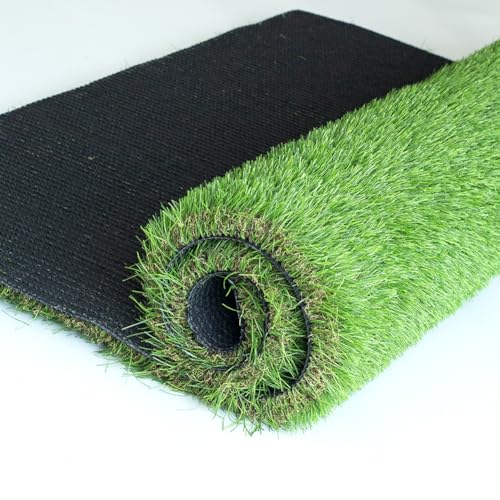
Artificial turf is not one single product. Short flat turf suits a balcony mat or a putting practice strip, while taller denser turf suits a family lawn or a dog run. The right choice depends on foot traffic, sun exposure, drainage, and how much upkeep you are willing to do. A cheap roll that mats down in a season can cost more in the end than a sturdier roll that holds its shape.


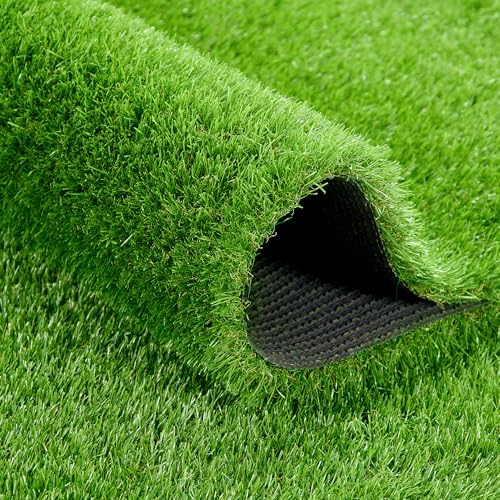

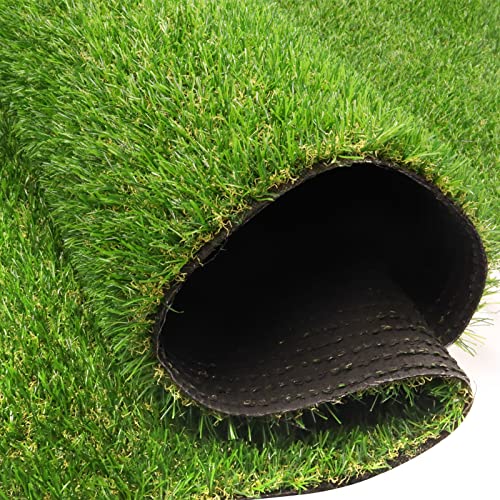
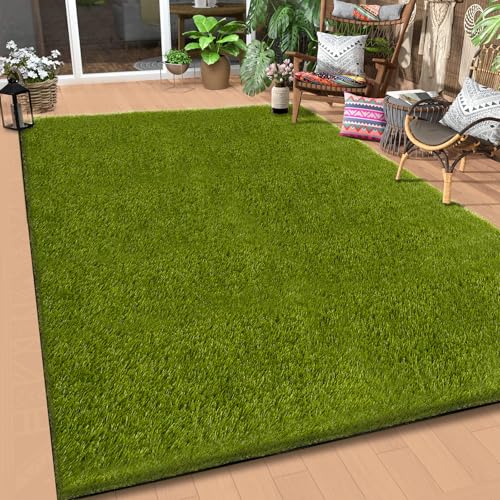


Spending Levels for Artificial Grass
This guide compares spending levels so you can judge any listing on its own merits. Focus on the turf itself, not on a brand name or a single listing. The price bands below use approximate online prices for a typical roll, and the final price depends on size, pile height, and backing quality.
Lower Cost Options
Lower cost turf usually has a short pile, a lighter face weight, and a simple backing. It works well for a small balcony, a temporary display, or a low traffic corner where looks matter more than softness. Expect a flatter feel underfoot and faster matting in paths that get daily use. Check the roll size carefully, because a low headline price may cover only a small piece, and joining several small pieces can leave visible seams.
Middle Price Options
Middle price turf usually adds taller blades, a denser stitch rate, and a stronger backing with drainage holes. This level suits most home lawns, play areas, and pet spaces that see regular use. Blades spring back better after foot traffic, and the surface usually feels softer and looks more natural from a normal viewing distance. This is often the best balance of appearance, durability, and cost for a space you use every week.
Higher Price Options
Higher price turf usually offers the densest blades, mixed blade shapes and tones, and a heavy duty backing built for heavy traffic. It suits a main lawn, a sports practice area, or a commercial style space at home that must stay neat through all seasons. You pay more for realism and resilience, not just for thickness. Before spending at this level, confirm the size, the drainage design, and the warranty terms, so the extra cost buys features you will actually notice.
What the Best Artificial Grass on Amazon Offers at Each Price Level
Price alone does not tell you whether turf is good value. Two rolls at the same price can differ a lot in blade density, backing strength, and drainage. Read the listing details for pile height, stitch rate, face weight, and backing type, and compare rolls of the same size. A higher price should bring a clear gain in one of those areas, not just a nicer photo.
Lower Cost Level: What to Expect
At the lower cost level, expect a simple turf that covers a surface and needs little care. Blades are usually short and uniform, so the surface can look flat in bright light. Drainage may be limited to small holes in the backing, which is fine for a covered patio but slow for an open yard after heavy rain. Plan on brushing the surface now and then to keep blades upright, and accept that high traffic paths may flatten sooner.
Middle Price Level: The Balanced Choice
At the middle price level, expect a clear step up in softness, density, and drainage. Blades often mix straight and curled shapes, which helps the surface look fuller and recover after use. Backing is usually thicker and drains faster, which matters for pet areas and rainy climates. This level also tends to include better edge finishing, so seams and borders look tidier once the turf is laid and trimmed.
Higher Price Level: When Extra Spending Pays Off
At the higher price level, expect the fullest look and the toughest build. Dense blades resist matting, mixed tones reduce the flat plastic look, and strong backing holds up under furniture, play equipment, and pets. Extra spending pays off most when the area gets daily heavy use or must look good from close up, such as a front yard or an outdoor living space. For a rarely used corner, the same money may be better spent on proper base preparation.
Features Worth Paying For and Ones to Skip
Not every feature is worth extra money for every space. A pet owner needs drainage and easy cleaning above all else, while a balcony owner may care more about a thin profile and simple trimming. Rank the features below by your own space, then spend where the gain is real and skip extras that add cost without a clear benefit.
Price Versus Value
Compare total cost, not just the roll price. Add edging, joining tape, infill if the maker calls for it, and base materials such as crushed stone or sand. A roll priced around $50 may suit a small mat, while a full lawn project often runs about $200 to $800 in materials depending on size. A warranty can add value, but read what it covers, since fading, matting, and backing failure are often treated differently.
Intended Use and Who It Is For
Match the turf to the main job it must do. A dog run needs fast drainage, a surface that rinses clean, and blades that resist digging and wear. A play area needs a softer feel and a stable base that does not shift under running feet. A decorative border needs only a neat look and simple upkeep, and when one area must serve two jobs, choose the tougher requirement first.
Size, Weight, and Fit for Your Space
Measure twice, including curves, steps, and drains, before you order. Large rolls are heavy and hard to move alone, so plan help for delivery and laying. Leave a small margin for trimming, and check that the roll width fits through gates and doors. A turf that is too thick for a door threshold can catch and trip, while a turf that is too thin for a lawn can show the base beneath it in worn spots.
Maintenance and Long Term Costs
Artificial turf needs less care than a living lawn, but it still needs care. Brush high traffic paths, rinse pet areas, clear leaves, and check seams and edges each season. Infill, if used, may need topping up over time, and a damaged section may need a patch rather than a full replacement. Factor in cleaning supplies and occasional repairs when you compare the long term cost of turf against seed, water, and mowing for a living lawn.
Long Term Costs to Factor In
Look past the first purchase when you set a budget. Base preparation, edging, joining materials, and infill can add a large share to the project cost. Ongoing costs are smaller but real, including brushes, cleaning products, and replacement infill. A strong backing and a clear warranty can lower replacement risk, so add these costs together before you decide which price level is truly the best value for your space.
Frequently Asked Questions
How much should I spend on artificial turf?
You should spend based on size and traffic, not on a single target number. A small balcony mat can cost around $50, while a full lawn project often runs about $200 to $800 in materials. Start by measuring the area, then compare rolls of the same size and pile height. Spend more for daily use areas, and keep costs lower for decorative spots that see little foot traffic.
How do I maintain artificial turf?
Maintain artificial turf with regular brushing, rinsing, and debris removal. Brush against the blade direction now and then to lift flattened areas, rinse pet spots promptly, and clear leaves before they break down into the surface. Check seams and edges each season for lifting, and keep heavy sharp objects off the surface. A simple routine keeps the turf looking neat and extends its useful life.
Are expensive artificial turf options worth it?
Expensive turf is worth it when the extra density, drainage, and backing strength match heavy daily use. A main lawn, a dog run, or a play area benefits from blades that recover well and a backing that drains fast. For a rarely used corner or a short term display, a lower cost roll often gives a similar look for less money. Judge the gain in your own space, not by price alone.
How long does artificial turf last?
Artificial turf often lasts many years, but the exact life depends on traffic, sun, drainage, and care. A shaded low traffic area can stay neat far longer than a sunny dog run or a sports practice strip. Fading, matting, and seam wear are the usual signs of age. Proper base preparation, regular brushing, and prompt cleaning of pet areas all help the surface last longer.
What features matter most when buying artificial turf?
The features that matter most are pile height, blade density, backing strength, and drainage. Pile height affects softness and looks, density affects how full the surface appears, backing affects durability and seam strength, and drainage affects how the surface handles rain and pet use. Check these four points first, then weigh color, warranty, and ease of trimming. A roll that scores well on all four is usually a safer buy.
Final Thoughts
Choose turf by traffic, drainage, and total cost, not by the lowest headline price. A middle price roll often gives the best balance for a family lawn, while a higher price roll earns its cost in heavy use areas. Measure carefully, prepare the base well, and keep up simple cleaning. Use the product table to compare the main types once more, and pick the best artificial grass on amazon for the space you actually have.