Best Art Sets for Beginners for 2026: Which One Fits the Way You Use It
Disclosure: We may earn a commission when you buy through links on this page, at no extra cost to you. As an Amazon Associate I earn from qualifying purchases. Learn more
A guide to the best art sets for beginners: matching media, case size and budget to how you work, with mistakes to avoid.
There is no single kit that suits every new artist, because a person who wants to sketch on lunch breaks needs different tools from someone learning watercolor at the kitchen table. This guide to the best art sets for beginners starts with how you will actually work, then shows which features deserve your money.
The comparison table below lists sizes and contents at a glance. Read it after you decide on a medium and a workspace, and the right tier will stand out much faster than if you shop by piece count alone.



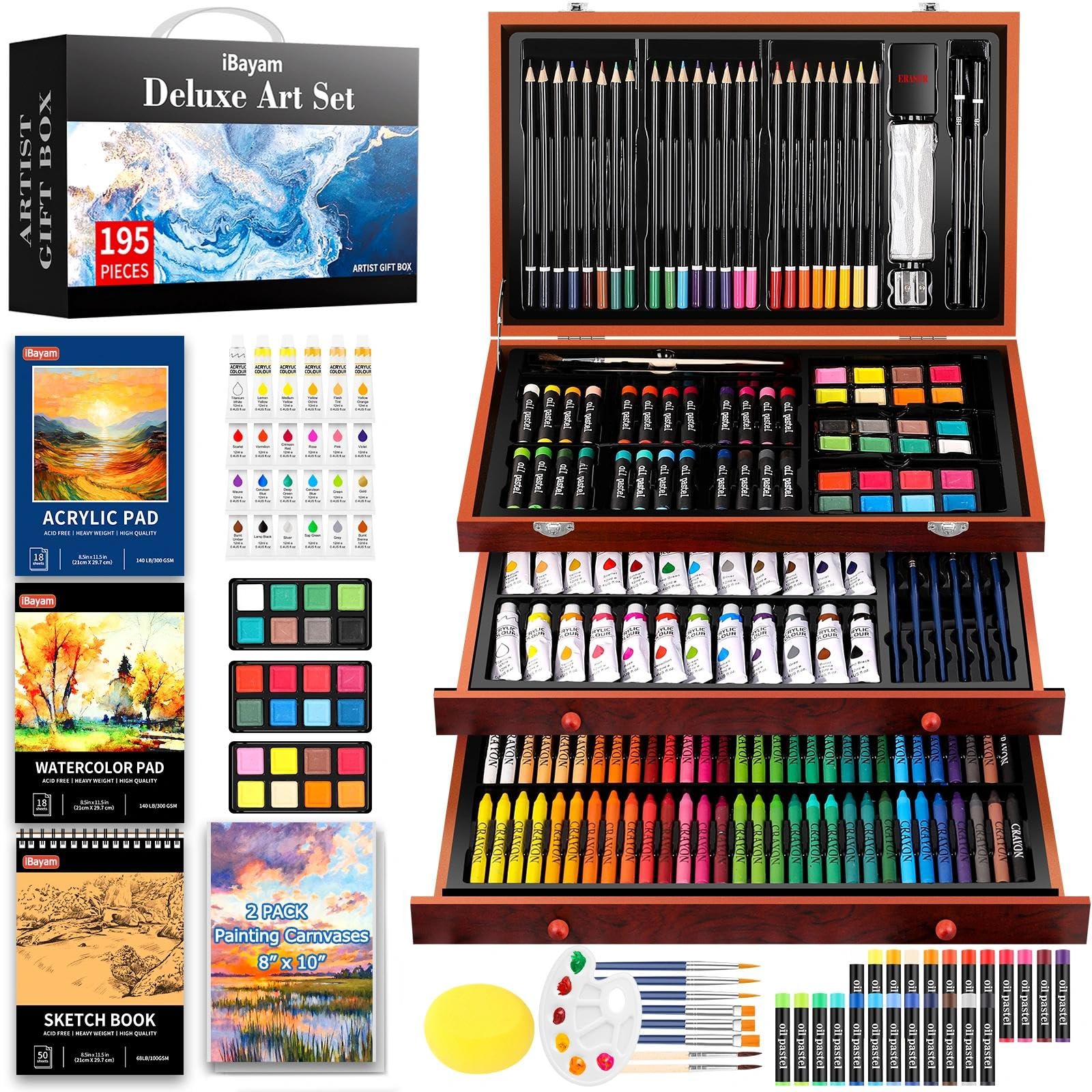
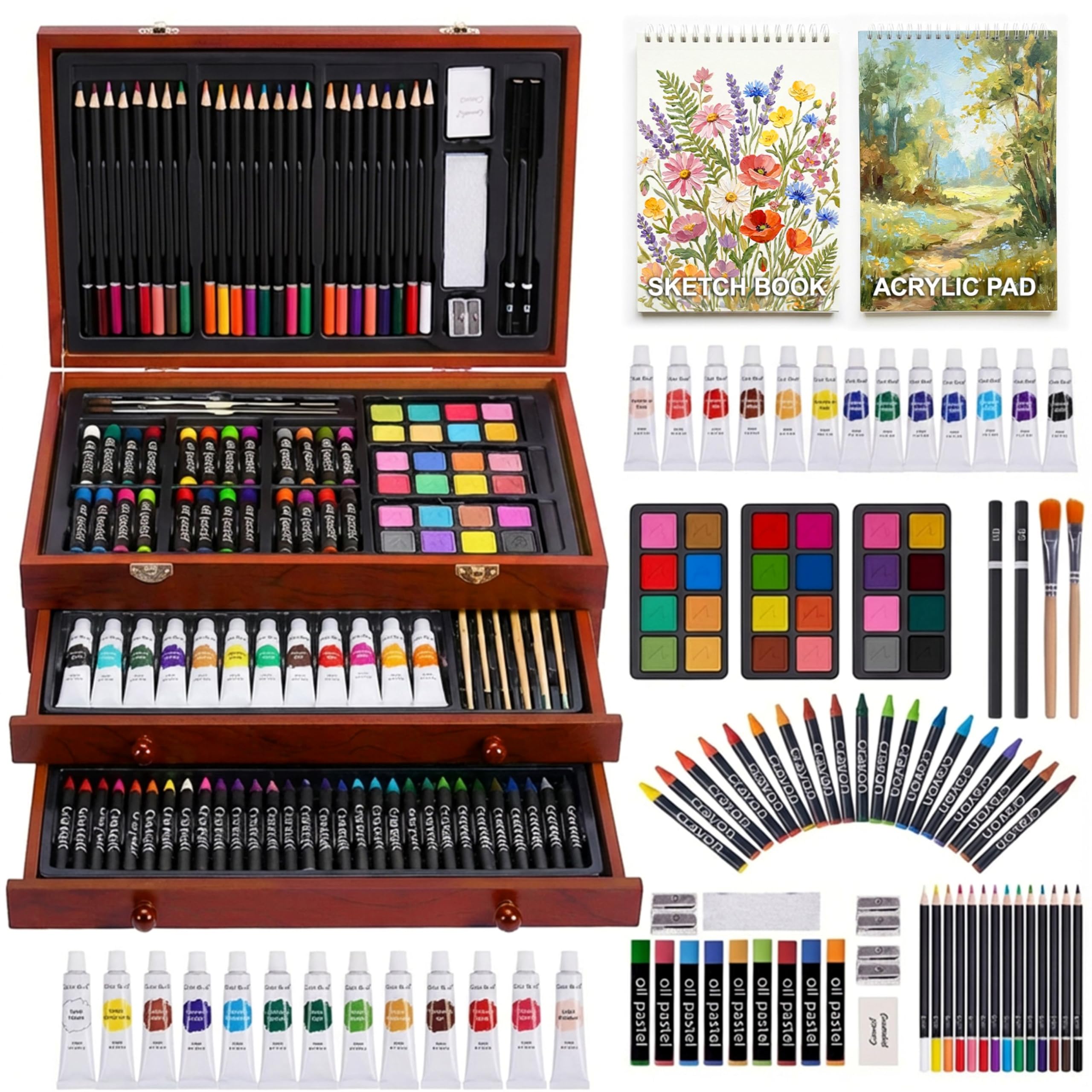

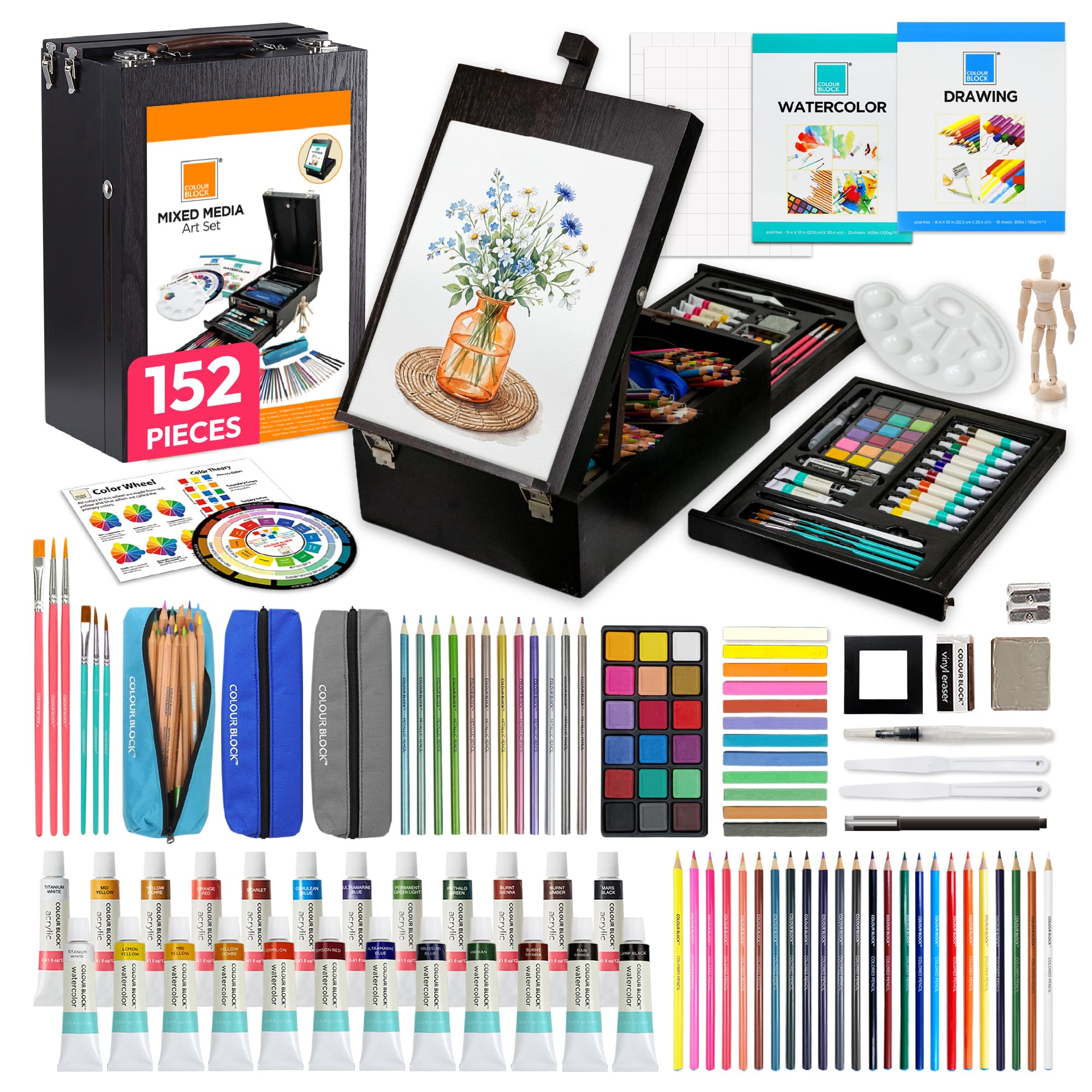

Who Should Buy Which Art Sets?
Your routine, your space, and your reason for buying shape the right choice more than any feature list. Find the group below that sounds most like you, and use its priorities as your filter for every kit you consider.
For Value Seekers
Value seekers want tools that survive the learning stage without a premium price. Prioritize a sturdy case, colored pencils that sharpen cleanly, and watercolor pans you can replace when they run out. A set around $30 to $55 usually balances cost and durability well for adults and teens starting out. Skip giant piece counts, because duplicates add cost without adding skill. Instead, spend the savings on better paper, which improves results from modest pencils and paints more than any extra crayon shades ever will. A value kit plus good paper is the pairing experienced artists recommend most often to new buyers.
For First Time Buyers
First time buyers need simplicity and forgiveness. Choose one main medium to start, such as drawing or watercolor, in a compact set with a clear layout and a short guide if one is included. Tools should work with little setup, lids and caps should be easy to manage, and cleanup should take minutes. A set around $20 to $40 is plenty for learning basic strokes, shading, and color mixing. Buying small also protects you if your interest shifts. Many beginners discover they love sketching but dislike painting, and a focused first kit lets you change direction without a closet full of unused supplies.
For Gift Shoppers
Gift shoppers should favor a self contained set that looks complete on opening day and needs no extra purchases to start. A tidy case, a starter pad, and a mix of drawing and coloring media make a safe present for teens and adults alike. Aim for around $35 to $70, and buy from a seller with easy returns in case the recipient prefers a different medium. Avoid highly specialized kits, such as calligraphy only sets, unless you know that interest is real. Add a handwritten note suggesting a first simple project, because a clear starting point helps a new artist actually open the case.
Key Features to Compare
Maintenance and Long Term Costs
Every medium carries small ongoing costs. Pencils need sharpeners and eventual replacements for favorite colors, markers dry out within a year or two of regular use, and watercolor consumes paper faster than drawing does. Sets built around standard size refills cost less to maintain than sets with odd shaped inserts you can only replace by buying a new kit. Before you buy, check whether single pencils or refill pans are easy to find. Also budget for storage if the case is weak. A simple art bin around $10 can extend the useful life of a budget kit by keeping pieces sorted and dry.
Build Quality and Materials
Build quality shows up the first time you sharpen a pencil or rinse a brush. Pencil wood should shave in a smooth curl without splitting, and the color core should sit centered so the tip does not snap at an angle. Brush tips should come to a point and spring back after a rinse. Cases with metal hinges and firm latches outlast thin boxes that rely on plastic tabs. For painting sets, pans that lift out for cleaning are easier to live with than fixed wells. None of this requires artist grade pricing. It simply requires reading contents lists closely and avoiding sets that hide behind vague quality claims.
Size, Weight, and Fit for Your Space
Measure where the kit will live and where you will work. A large wooden case is pleasant on a dedicated desk but miserable on a small apartment table that must clear for dinner. Portable sets that close to about the size of a hardcover book suit commuters, students, and anyone who sketches in cafes or parks. Weight matters once paper and water jars join the kit in a bag. If space is tight, a drawing focused set takes far less room than a mixed set with paints. The set that fits your space is the set that stays out and gets used, and use is the whole point.
Beginner Friendly Features That Matter
Features that help a new artist are practical, not flashy. Clear labeling of pencil shades, a color chart printed inside the lid, and a sharpener that catches shavings all reduce friction in the first weeks. Washable or easy clean paints lower the stakes for renters and parents. A short project guide or a few practice sheets can turn a box of supplies into a first finished piece, which builds momentum. Safety labeling that confirms materials are nontoxic matters for family homes. Skip electronic extras and novelty tools at this stage. Simple, predictable supplies teach fundamentals faster than gadgets do.
Intended Use and Who It Is For
Be honest about the art you want to make. If you dream of sketching buildings and people, graphite pencils, a kneaded eraser, and smooth paper should lead your list, with color as a later add on. If you want relaxed coloring, soft colored pencils and a range of markers matter more. Journal keepers often prefer compact watercolor for adding color to pages. Students may need a set that travels to class twice a week. Writing down your top two uses before you shop prevents the common error of buying a balanced kit that serves your actual hobby only halfway.
If you want to compare broader starter options before you narrow down, start with our guide to the best art sets and then return here with your medium in mind.
Common Mistakes to Avoid When Buying Art Sets
- Buying by piece count alone, which rewards duplicates and filler instead of usable media you will reach for weekly.
- Ignoring paper quality, even though thin paper buckles under watercolor and makes decent pencils feel scratchy and weak.
- Choosing a case that is too large for your table or bag, so the set lives in storage instead of in your routine.
- Skipping the contents list and safety labeling, then finding solvent based or novelty items you did not want at home.
- Forgetting refills and warranty or return terms, which turns one dry marker set or cracked case into a full replacement cost.
How to Make Your Art Set Last Longer
Small habits protect your supplies. Read any included care notes before first use, especially for brushes and watercolor pans. Clean and inspect regularly by wiping trays, recapping markers firmly, and removing broken tips from pencil slots. Store in a dry place away from direct sun and heating vents, since heat dries paint and warps plastic cases. Keep a scrap sheet for testing markers before important work. Sharpen pencils with a light touch and empty the sharpener often, because a clogged blade tears wood. Treated this way, a mid range set can serve a beginner well into their second year of practice.
Frequently Asked Questions
What makes art sets for beginners different?
Beginner sets favor forgiving media, simple organization, and a focused range of tools over sheer volume. Pencils are softer and easier to blend, paints are usually washable, and guides or practice sheets are more common. The biggest difference is intent. A beginner set should help you finish early pieces quickly, while advanced sets assume you already know which specialty tools you want and are ready to maintain them with more care and cost.
How much should I spend on an art set?
Most beginners should spend around $25 to $55 on a first set in one main medium. That range buys clean sharpening pencils, usable paints, and a case that survives weekly use. Spend less only for a travel spare or a child's extra kit. Spend more once you know your medium and can name the exact upgrade you need, such as heavier paper for watercolor or a wider pencil shade range for portrait work.
How long does an art set last?
With weekly use, pencils and watercolor pans in a decent set last about one to two years, while markers usually need replacement sooner. Cases often outlast the first round of supplies, which is why refill friendly layouts save money. Longevity depends heavily on storage. A set kept capped, dry, and flat will outlast the same set tossed loose in a bag, where tips break and caps work loose within a few months.
Are expensive art sets worth it?
For a true beginner, expensive sets are rarely worth it at the start, because you cannot yet feel the difference that premium pigments offer. They become worth it after steady practice, when better blending and stronger color clearly improve your work. A smarter path is to begin mid range, note which tools you wear out first, and upgrade those single items later. That way every extra dollar follows proven use rather than guesswork on day one.
How do I maintain an art set?
Recap markers right after use, rinse brushes and reshape their tips, and wipe trays before closing the case. Keep a small cloth in the kit for quick cleanup. Once a month, sort the set, remove dried supplies, and write a short refill list while you still remember what ran out. This five minute routine prevents the slow clutter that makes beginners abandon a set that still has plenty of good tools inside.
Our Verdict
Pick one medium, buy a tidy mid range case with refill friendly supplies, and reserve part of your budget for good paper. Compare the product table above with your workspace in mind, and choose the best art sets for beginners option that fits your routine closely enough that you will open it several times a week.