
Best Arrows for Excalibur Crossbows: Budget, Midrange, and Premium Picks for 2026
Disclosure: We may earn a commission when you buy through links on this page, at no extra cost to you. As an Amazon Associate I earn from qualifying purchases. Learn more
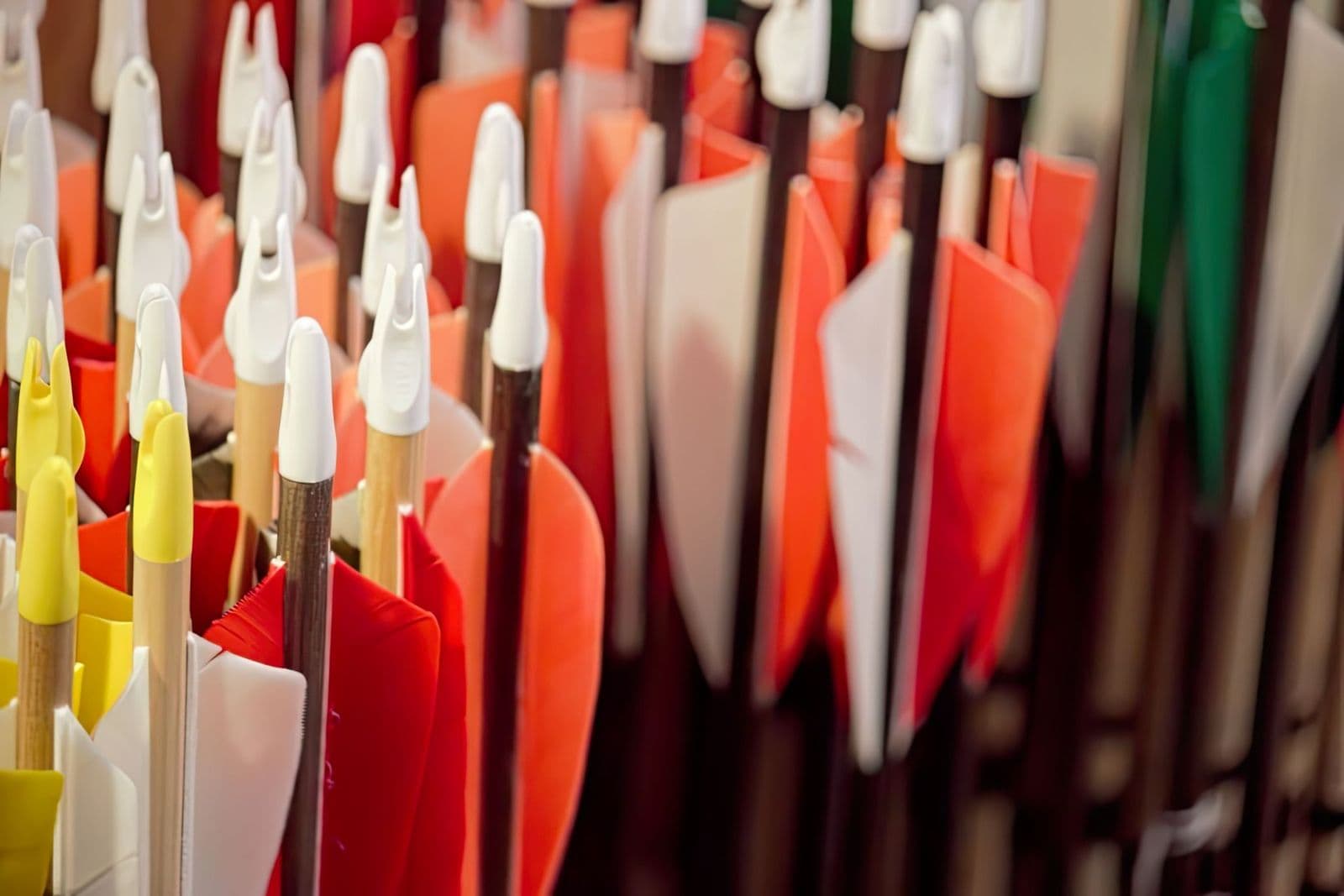
Learn how to choose the best arrows for excalibur crossbows by budget, with guidance on length, total weight, nocks, spine, and safe inspection habits.
Crossbow arrows, often called bolts, span a wide price range, and the gap between a budget shaft and a premium one is not always obvious from a product photo. This guide shows you where extra money genuinely improves consistency and where it simply buys decoration.
The best arrows for excalibur crossbows must match your exact model first, because Excalibur bows specify arrow length, nock style, and a minimum total weight. The sections below explain what each tier delivers.
Price Tiers at a Glance
Best Budget Pick: What the Low Tier Should Still Get Right
A budget tier arrow, often around $5 to $8 per shaft in a multipack, should still be straight, correctly sized for your bow, and fitted with the flat nock style Excalibur bows are built around. At this level you accept wider straightness tolerances and simpler fletching. These arrows suit practice, sighting in, and new hunters who lose arrows while learning.
Never let a low price excuse a wrong specification. An arrow that is too light for your model can stress the limbs much like a partial dry fire, and no saving is worth a damaged bow. Check the stated length and total weight with a point fitted, not just the bare shaft weight in the listing.
Best Midrange Pick: Where Most Hunters Should Land
Midrange arrows, often around $9 to $14 per shaft, tighten straightness tolerances and use better carbon or aluminum construction with more consistent weight from shaft to shaft. That consistency is what tightens groups at hunting distances. Fletching quality also improves, with vanes bonded more carefully and aligned more evenly.
For most owners this tier is the sweet spot. You get arrows you can trust on a hunt without paying for match grade sorting you may never notice. Buy a matched set of six or more so your practice arrows and hunting arrows behave the same way.
Best Premium Pick: What the Top Tier Adds
Premium arrows, often around $15 to $25 per shaft, add the tightest straightness grades, weight sorting within a set, and premium components such as brass inserts and lighted nocks. Brass inserts raise forward weight, which many hunters find steadies flight with broadheads. Lighted nocks help you follow the shot and recover arrows at dusk.
The gain is consistency at longer ranges and under broadheads, not raw speed. If your shots stay within typical woodland distances, premium shafts may group only slightly better than midrange ones. Serious hunters who practice all year are the buyers who feel the difference.
What Your Money Gets You at Each Price Tier
Budget Tier: What to Expect
Expect serviceable carbon or aluminum shafts, basic plastic vanes, and straightness tolerances that are wider than premium grades. Groups at moderate range will be fine for practice, with the odd flyer as shafts vary. This tier pairs well with field points and a lot of target time while you learn your bow, its trigger, and its scope.
Midrange Tier: The Sweet Spot for Most Buyers
Expect straighter shafts, weight matched sets, and vanes that survive repeated target use without peeling. Many midrange arrows include better inserts and nocks that fit the string and rail more precisely. Owners upgrading from the pack in arrows that came with a bow usually notice the change in their first session, especially once broadheads enter the picture.
Premium Tier: When Spending More Pays Off
Expect sorted, spine aligned shafts with tight weight tolerances and components chosen for broadhead flight. Spending more pays off when you hunt at the longer end of crossbow range, shoot in crosswinds, or simply refuse to wonder whether a wide shot was you or the arrow. It pays off least for casual target shooting at short range.
Features Worth Paying For (and Ones to Skip)
Safety and Inspection
Safety starts with matching the arrow to the bow makers specification for length, nock type, and minimum total weight, including the point. Inspect every shaft before shooting: roll it on a flat surface, flex carbon shafts gently and listen for cracking, and retire any arrow with a crack, a dent, or a loose nock. A damaged arrow can fail at the shot and injure you or damage the bow.
Never shoot an arrow that has struck something hard until you have inspected it closely. If you also maintain the bow itself, our guide to the best bowstrings for excalibur crossbows covers the string side of the same safety routine.
Features That Matter for Excalibur Crossbows
Excalibur recurve bows call for flat nocks rather than the half moon nocks many compound crossbows use, and using the wrong nock can cause a misfire or a dry fire. Length also varies by model, so confirm the length your manual lists before ordering. Our guide to the best excalibur crossbows explains how the models differ in draw weight and power stroke.
Total arrow weight deserves care. Heavier arrows are a little slower but are kinder to limbs and often quieter, while arrows near the minimum weight are faster and flatter shooting. Many hunters settle in the middle, then choose points and broadheads of the weight the setup was sighted in with. For point selection, see our guide to the best broadheads for excalibur crossbows.
Price vs Value
Value means cost per accurate, reusable arrow, not cost per shaft in the box. A cheap arrow you lose faith in after one odd flyer is poor value, while a midrange arrow that survives seasons of practice is cheap in the long run. Premium pricing buys sorting and components, so pay it only when your shooting can reveal the difference.
Intended Use and Who It Is For
Target shooters should weight straightness and matched sets most heavily, because groups are the whole game. Hunters should weight broadhead compatibility, total weight, and durable fletching, because one clean shot matters more than fifty group averages. New owners fall in between, and for them a midrange set in the correct specification is the calmest starting point. Terminology varies by shop, and our guide to the best bolts for excalibur crossbows covers the same shafts under their other common name.
Long Term Costs to Factor In
Budget for replacement vanes, nocks, and inserts, because fletching tears on targets and nocks wear with every shot. Broadheads and practice points of matching weight are a second cost, and lighted nocks, if you adopt them, add batteries and replacements. A small arrow case also protects your investment in transport. Finally, lost arrows are a real cost for hunters, which is one more reason midrange shafts often beat premium ones for wooded ground where recovery is uncertain.
Frequently Asked Questions
What features matter most in arrows for excalibur crossbows?
Correct length, flat nocks, and safe total weight matter most, ahead of every premium extra. After those, straightness tolerance and weight consistency across the set decide how tight your groups are. Check your manual for the exact specification for your model, because two Excalibur bows of different generations can call for different arrow lengths.
How do I maintain an arrow?
Wipe shafts clean after shooting, store them in a case away from heat, and inspect nocks, vanes, and inserts before every session. Replace torn vanes promptly, because a damaged vane steers the arrow off line. One habit worth adding: mark each shaft with a small number, so a repeat flyer identifies itself and can be retired before it costs you confidence.
How much should I spend on an arrow?
Most hunters do well in the midrange, around $9 to $14 per shaft, where straightness and matched weights improve clearly over budget lines. Spend less for pure practice arrows and more only when your groups show you have outgrown midrange consistency. Always keep at least two arrows reserved and untouched for hunting once they are confirmed with broadheads.
Are expensive arrows worth it?
They are worth it for disciplined shooters at longer ranges, where tighter tolerances remove one source of error. They are not worth it if your scope, rest, or practice time is the real limit on accuracy, or if you hunt thick cover where lost arrows are common. Upgrade your practice first, then let your group sizes tell you when the shafts are the weak link.
What features matter most when buying arrows?
Beyond specification and straightness, look at fletching size and material, because larger vanes steady broadheads better in wind. Insert quality matters too, since a poorly aligned insert makes even a straight shaft wobble. Buy from sellers who state tolerances and weights in numbers. A listing with no stated straightness grade is asking you to trust luck.
How long does an arrow last?
A carbon arrow can last for years of target use if it never strikes something hard or gets stepped on, while its vanes and nocks will need replacing along the way. Hunting arrows have shorter lives because of impacts and lost recoveries. Any shaft that sounds crunchy when flexed, or shows a crack under bright light, has reached the end regardless of age.
Our Verdict
Buy the specification first, the tier second: correct length, flat nocks, and safe total weight for your model, then the straightest matched set your budget allows. Most owners belong in the midrange, with premium shafts reserved for proven long range shooters.
Weigh the tiers above against your manual, and pick the best arrows for excalibur crossbows that your manual, your hunting ground, and your practice habits all agree on.


