
Best Arranger Keyboards 2026: A Buying Guide
Disclosure: We may earn a commission when you buy through links on this page, at no extra cost to you. As an Amazon Associate I earn from qualifying purchases. Learn more

Arranger keyboards play backing styles while you play melody. Learn how to judge styles, chord recognition, sounds, and speakers before you buy.
The best arranger keyboards give you a band in a box: an arranger keyboard plays backing styles, chords, and rhythms while you play melody with your right hand, which makes it ideal for solo performance and songwriting. This guide explains styles, accompaniment, sounds, and speakers so you choose a board that fits your music. The comparison table below brings together the main options, so you can compare features side by side before reading the detailed guidance.
Arranger keyboards suit solo performers, songwriters, and hobby players who want a full band sound without other musicians. They are less useful for piano purists who want only a realistic piano action, because arranger keys often feel lighter and the focus is on accompaniment.


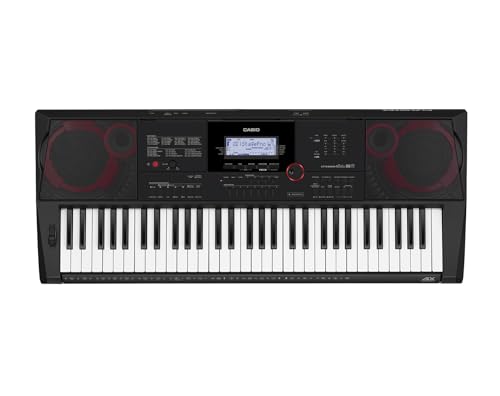


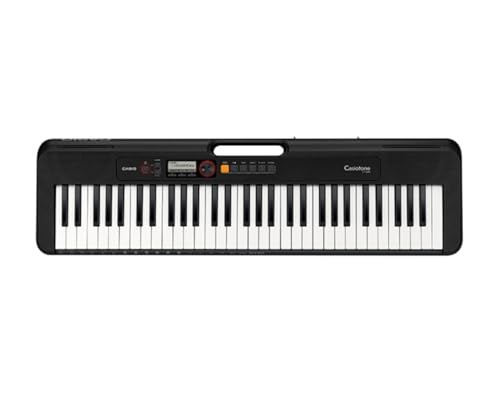


Who Should Buy These and Who Should Skip Them
Arranger keyboards reward players who want a one person band: solo performers, songwriters, worship leaders and hobbyists who play chords with the left hand and melody with the right. Skip them if you only want a realistic piano touch, since a weighted digital piano suits that better. Your music style, venue size and budget narrow the choice faster than any feature count.
Types to Compare
Different types of arranger keyboards suit different routines, so compare them by how you will actually use the product. The descriptions below focus on practical differences you will notice in daily use.
Entry arranger keyboards
Entry models offer a good range of styles and sounds at a lower price, with simpler speakers. They suit beginners and casual players, as long as you accept fewer style editing options and less powerful sound.
Mid range arrangers
Mid range boards add better sounds, more styles, and stronger speakers, plus a larger screen. They suit regular performers who need reliable accompaniment for gigs and rehearsals.
Flagship arrangers
Flagship boards offer the best sounds, deep style editing, and professional outputs. They suit working musicians, but they cost more and take time to learn, so they are overkill for occasional home play.
Portable arrangers
Portable boards run on batteries and weigh less, which suits busking and travel. Check speaker power and battery life, because a portable board that sounds thin outdoors will disappoint at a gig.
Home arrangers with lessons
Some home boards include lesson modes, chord guides, and song libraries. They suit learners who practice alone, but check whether the lessons match your level and musical taste.
Key Features Explained in Plain Language
Feature lists can hide what matters, so this section explains each key feature in plain language. Use it to shortlist products that meet your needs, then check the remaining details before you order.
Styles and accompaniment quality
Styles should sound musical, not mechanical, with realistic drums, bass, and chords. Listen to styles in the genres you play, and check whether you can adjust tempo, variation, and fill without stopping the music.
Chord recognition
Good chord recognition follows your left hand accurately, including inversions and seventh chords. Test it with the chord shapes you actually use, because a system that misreads chords will frustrate performance.
Sound quality and speakers
Built in speakers matter for home play, while line outputs matter for gigs through a PA system. Check headphone sound too, because many players practice at night and judge a board mainly through headphones.
Keys and action
Arranger keys are usually lighter than piano keys, which suits fast playing and organ sounds. If you also play piano repertoire, test whether the light action feels comfortable for longer pieces, or plan to use a second piano style board.
Recording and connectivity
Recording, USB audio, and MIDI let you capture ideas and connect to a computer. Check file formats and whether the board works with your recording software, because a board that exports only in a rare format can slow your workflow.
Mistakes to Avoid
Most disappointing purchases come from a few common mistakes, not from a single bad product. Avoiding them saves time, money, and the hassle of a return.
- Buying on style count alone without listening to styles in your genres.
- Choosing a board whose chord recognition misreads the chords you play most.
- Ignoring speaker power, then finding the board too quiet for a small gig.
- Paying for flagship editing features you will never use.
Setting Up and Getting the Most From Your Choice
After purchase, learn a few core styles deeply rather than skimming hundreds. Save your favorite registrations, back them up to USB, and keep the board dust free with a cover when not in use. Update firmware from the maker site when you have time to test afterwards.
Related Guides
For travel and busking, see our guide to best portable arranger keyboards, and for a sound first approach see best sounding keyboards.
Warranty, Support and Expansion
Compare warranties and support as part of the purchase. Check how long the maker covers the board, whether firmware updates and extra style packs are offered, and whether repair is available locally. A clear manual also helps, because arranger menus are deep and a confusing one slows every practice session.
Frequently Asked Questions
What is an arranger keyboard?
An arranger keyboard plays automatic backing tracks in a chosen style while you play chords with your left hand and melody with your right. The backing includes drums, bass, and other instruments that follow your chord changes. This lets one player sound like a small band, which suits solo gigs, songwriting, and home practice.
Are arranger keyboards good for beginners?
Yes, arranger keyboards are welcoming for beginners because built in styles and lesson modes make early playing sound musical. A light key action is easier on small hands, and chord guides help learners play songs quickly. Choose an entry model with clear controls, and focus on a few styles rather than hundreds.
Can I use an arranger keyboard for live gigs?
Yes, many mid range and flagship arrangers are designed for gigs, with line outputs, footswitch control, and registration memories for songs. Check speaker power for small venues, and use a PA system for larger rooms. Rehearse style changes and fills before a gig, because live timing matters more than studio sound.
How is an arranger different from a workstation?
An arranger focuses on ready made styles and accompaniment for performance, while a workstation focuses on sound design, sequencing, and studio production. Arrangers are quicker for solo performance, while workstations offer deeper editing for recording. Choose an arranger if you want a band behind you, and a workstation if you want to build tracks from scratch.
Do I need weighted keys on an arranger?
Weighted keys suit piano playing, but most arrangers use lighter keys that suit organ, synth, and fast chord work. If piano is your main focus, a digital piano or a weighted workstation may feel better. If accompaniment and solo performance matter most, light arranger keys are a practical and comfortable choice.
Final Thoughts
Choose by the styles you play, the accuracy of the chord recognition and the sound you will hear at home or on stage. Entry boards suit learners, mid range boards suit regular gigs, and flagships suit working musicians.
Compare the product table above on styles, speakers, connections and price. The best arranger keyboards are the ones whose accompaniment makes you want to keep playing.


