Best Armour Sets DS3: A Weight and Roll Guide for 2026
Disclosure: We may earn a commission when you buy through links on this page, at no extra cost to you. As an Amazon Associate I earn from qualifying purchases. Learn more
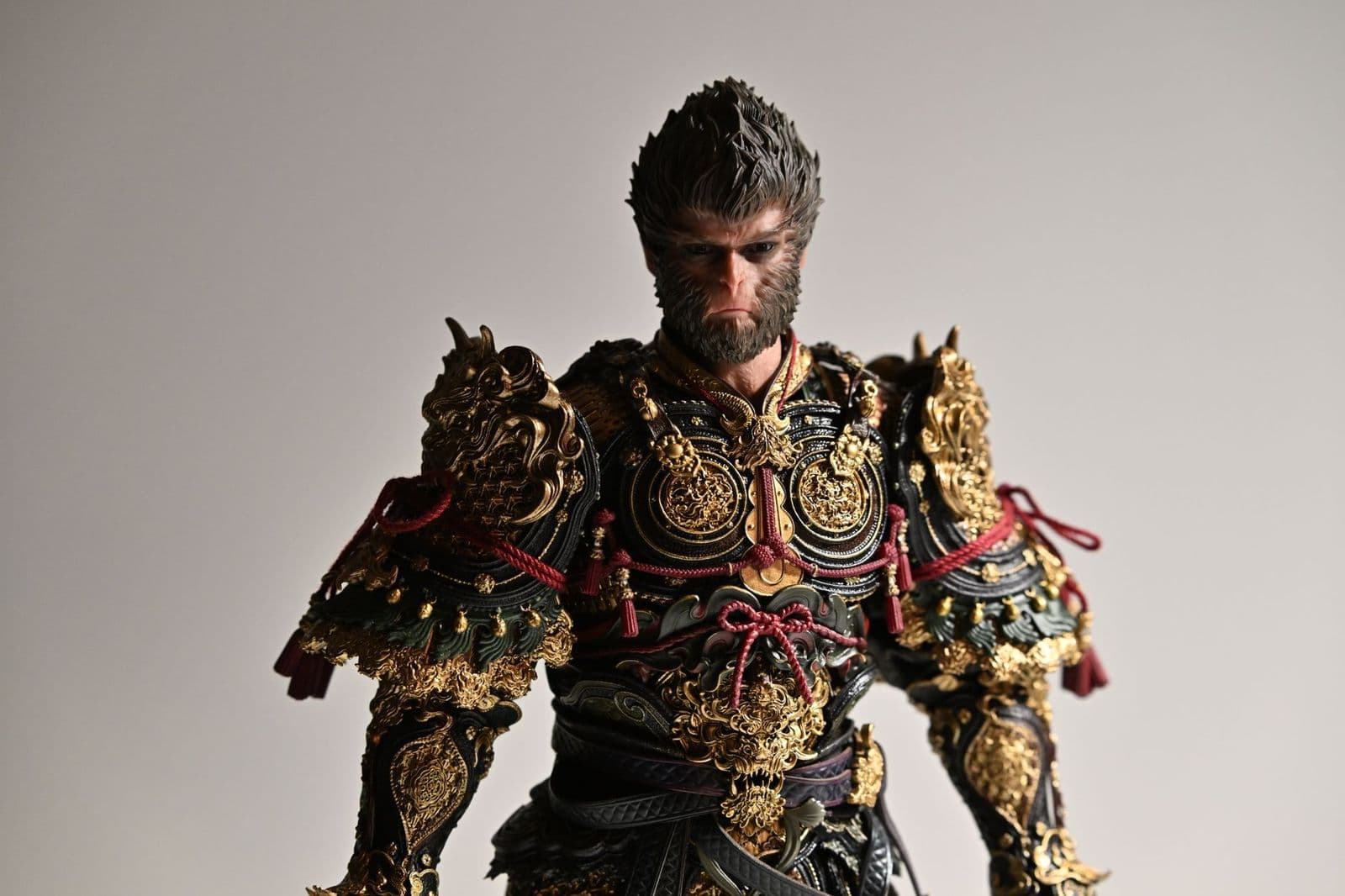
Balance equip load, roll speed, resistances and poise with the best armour sets ds3 for Dark Souls III builds, from heavy tanks to light casters.
Dark Souls III keeps armour simple but unforgiving, so the best armour sets ds3 come down to weight, resistances and how they affect your roll. The game does not let you upgrade armour, which means every piece you wear is exactly the piece you found.
This guide explains equip load, the stats that matter, and how to choose a set that suits your weapon and your build without hunting for fashion advice that ignores survival.
Armour Cannot Be Upgraded
Unlike its predecessors, Dark Souls III does not allow armour upgrades. The numbers you see in the menu are the numbers you get, which makes selection more important than investment. You never waste titanite or embers on a set you later abandon.
That freedom also means you can swap sets whenever a new area, boss or weapon calls for it. Treat your armour like a toolbox rather than a permanent commitment.
Equip Load and Rolling
Equip load decides how your character rolls. Staying under thirty percent gives a fast roll, staying under seventy percent gives the medium roll most players prefer, and anything above that produces a slow heavy roll that gets you hit.
Check the percentage in the equipment screen before you commit to a set. Raising your Vitality and Endurance gives more room, so a heavy set that looks impossible at the start can become comfortable later in the game.
A practical way to plan is to pick your weapons and rings first, note the equip load they already use, and then fill the remaining room with armour. Starting from the armour and adding gear later is how many players end up in the slow roll without noticing until a boss punishes it.
Choosing the Best Armour Sets DS3 for Your Build
Match the weight class to how you fight.
- Heavy sets such as Havel's armour or Black Knight armour suit tanks who want the highest defense and poise and use a large shield.
- Medium sets such as Knight armour, Elite Knight armour or Wolf Knight armour balance protection and speed for most melee builds.
- Light sets suit casters and fast weapons, keeping your roll quick while your spells or dodges do the work.
Think about your weapon, your stamina and the distance you prefer to keep from enemies. A great sword with a slow swing pairs well with heavier gear, while a dagger or a pyromancy build rewards mobility.
Poise and Resistances
Poise helps you avoid being staggered when you take a hit, but it matters less in this game than in earlier titles. Most players get more value from a good roll and a shield than from chasing a high poise number.
Resistances are more situational. Bleed, poison, curse and frost resistance can decide fights in particular areas, such as the poisonous swamp of Farron Keep or the cursed depths further on. Check the numbers for the area you are about to enter, and swap pieces when a specific threat shows up.
Defense Types and Damage Absorption
Each piece lists absorption against physical, magic, fire, lightning and dark damage. Bosses lean heavily on one type, so compare the matching number before a hard fight. A set with high physical absorption feels great against knights and weak against sorcerers, and the reverse is true for lighter casting gear.
Rings and shields also shift these numbers, so view the final total rather than the value on a single piece. A small change in one slot can turn a risky fight into a manageable one.
Sets for Different Playstyles
Strength builds with greatswords or hammers usually want the heavier end of the medium band, because a high absorption set helps them trade hits while they wait for a heavy swing. Dexterity builds with katanas, rapiers or curved swords gain more from a quick roll, so they stay in the lower medium range and rely on dodging.
Casters and pyromancers can wear very light gear and spend the saved weight on rings and a good staff or flame. Faith builds sit in the middle, often choosing a medium set with decent magic and dark absorption since holy miracles and lightning weapons suit many of the toughest late fights.
Whatever you choose, try the feel in a quiet area before a boss. A set that looks perfect on paper can feel clumsy if the roll distance is slightly shorter than you expect.
Fashion and Practical Compromises
Dark Souls III has a lot of striking sets. If a stronger set looks worse, decide how much the stats matter to you. Because switching is free, keep your favorite look for safe moments and swap to function over style for bosses.
Many players settle on a medium set that looks good and rolls well, then keep one light and one heavy option in reserve for specific fights.
Mistakes to Avoid
- Wearing the heaviest set you can carry and ending up in the slow roll.
- Ignoring poison and curse resistance before a dangerous area.
- Forgetting that rings, weapons and shields count toward equip load.
- Chasing poise instead of learning enemy attack timings.
- Staying in one set when a boss clearly favors a different damage type.
Related Guides
- best armour sets
- best armor sets ds3
- best armour sets osrs
Frequently Asked Questions
Can I upgrade armour in Dark Souls III?
No. Armour cannot be upgraded in this game, so choose pieces based on the stats you see.
What roll should I aim for?
Most players aim for the medium roll, which keeps equip load under seventy percent.
Is heavy armour worth it?
It can be, if you can still roll comfortably. Raise your Vitality and Endurance so the weight stops slowing you down.
Does poise matter?
It helps but is less important than in earlier games. Many players ignore it in favor of mobility.
Should I change sets for bosses?
Yes, when a boss uses one damage type or status effect heavily. Swapping is free and quick.
Final Thoughts
The best armour sets ds3 fit your weapon, your equip load and the dangers of the next area. Keep your roll in mind, check the numbers and swap pieces when the situation calls for it. Keep a lighter set for fast bosses and a heavier one for slow enemies, and your build will stay flexible all the way to the end.