
Best ARM Laptops 2026: Buying Guide
Disclosure: We may earn a commission when you buy through links on this page, at no extra cost to you. As an Amazon Associate I earn from qualifying purchases. Learn more

Learn how the best ARM laptops compare for battery life, performance, and software compatibility, with buying guidance for students and everyday users.
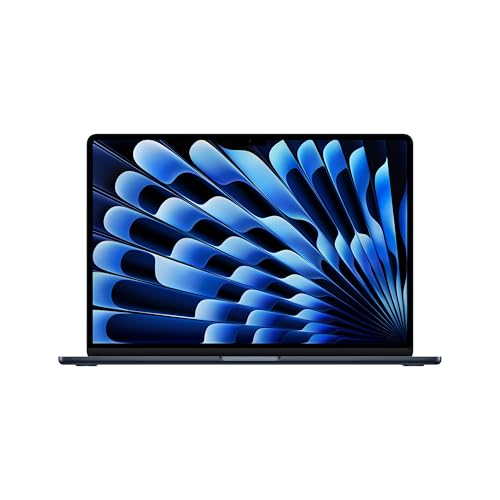
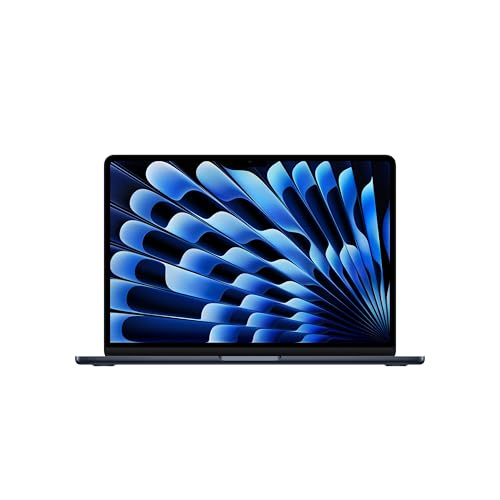
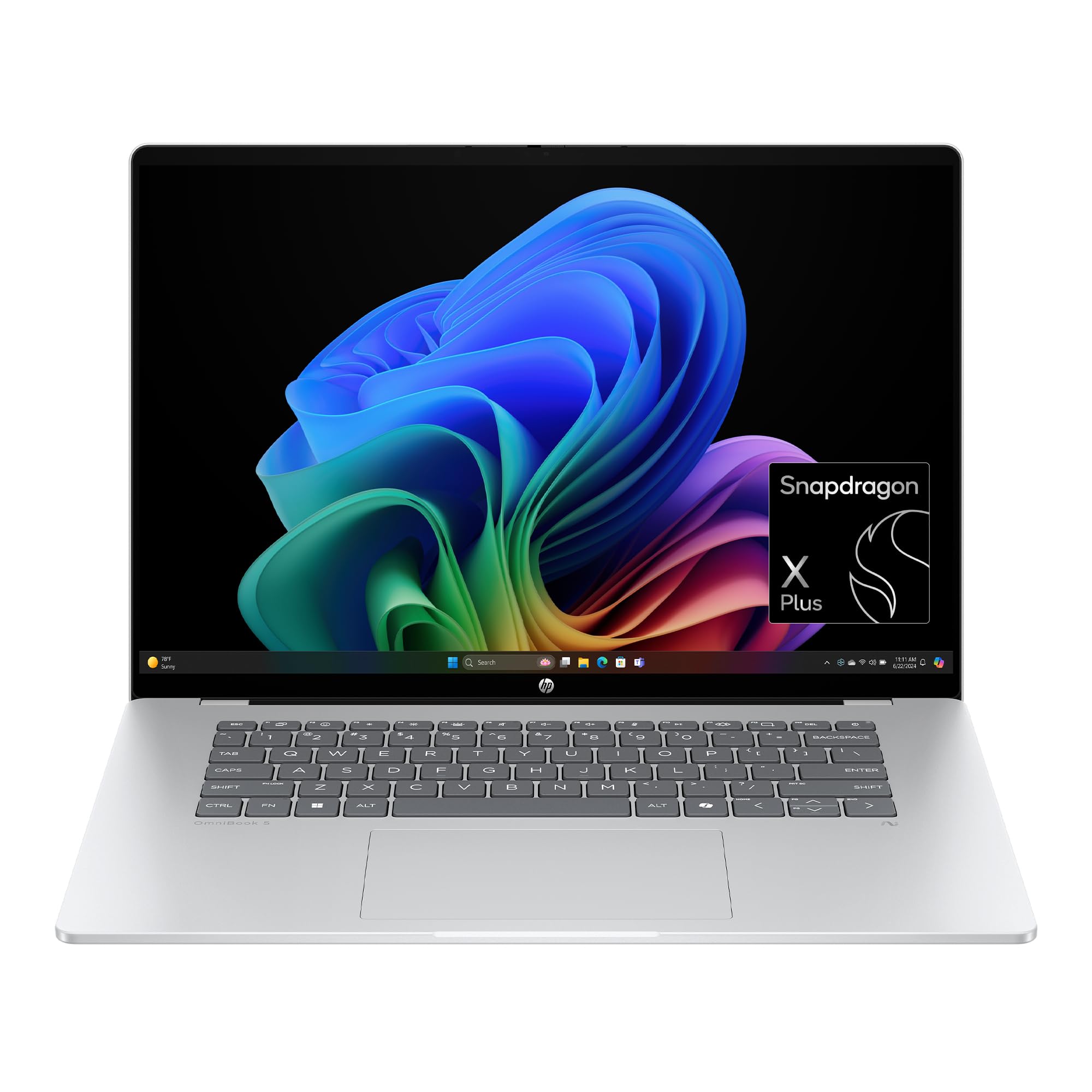
Choosing the best arm laptops means understanding a different chip design, because ARM based laptops prioritize efficiency, instant wake, and long battery life, often with quiet fanless designs. That efficiency suits students, travelers, and everyday users, yet software compatibility and high end performance still need careful checking. The product table can help you compare chip, memory, battery, and software support.
ARM laptops run many common apps well, including browsers, office tools, video calls, and streaming, but specialist software may run through translation layers or lack full support. Check your essential apps, plugins, and peripherals before buying, since a long battery life cannot compensate for missing software.




Who Should Buy
These laptops suit students, writers, travelers, and office workers who value light weight, long battery life, and silent running for notes, documents, browsing, and video calls. They also suit people who work mainly in browsers and cloud apps, where chip type matters less than screen, keyboard, and battery. If you want a broader overview first, see our guide to the best notebook laptops.
They are less suitable for gamers, engineers, and creators who depend on specialist Windows or Mac software, heavy rendering, or specific drivers, unless those tools are confirmed compatible. Check gaming, CAD, video editing, and audio software support carefully, and try trial versions where possible before committing. If you are watching your budget, our guide to the best reasonable laptops compares lower priced options.
Key Features of the Best ARM Laptops
Efficiency is the headline, but everyday usability depends on the features below. Our guide to the best economical laptops covers price conscious choices.
- Battery life under your real workload, not only light browsing claims, since video calls drain faster.
- Software compatibility for your essential apps, including office, browsers, and specialist tools.
- Enough memory and storage for multitasking, large documents, and future system updates.
- A comfortable keyboard, trackpad, and screen for long study or work sessions.
- Ports, wireless, and webcam quality for classes, meetings, and external monitors.
Also check weight and charger size, because a light laptop with a heavy charger loses much of its travel advantage. Look at repairability and upgrade options, since many ARM laptops solder memory and storage, making the initial configuration more important. Choose a configuration that will still feel comfortable in three or four years.
Types Compared
Fanless ARM laptops suit quiet study, libraries, and travel, with no fan noise, instant wake, and excellent battery life for notes and browsing. They can warm up or slow down under sustained heavy work, so they suit light and moderate tasks better than long rendering or gaming. They are ideal when silence and portability matter most.
Mainstream ARM laptops balance efficiency with stronger performance, larger screens, and better cooling for office work, classes, and creative tasks. They suit most students and workers, handling multitasking, video calls, and light editing smoothly while still offering long battery life. This balance is the safest choice for mixed daily use.
High performance ARM laptops target creators and professionals who need more power, memory, and display quality while keeping efficiency benefits. They handle larger projects and demanding apps better, yet they cost more and may still face software limits for specialist tools. Choose this tier only when your workflow is confirmed compatible and genuinely demanding.
Living With Your Choice
Set up cloud sync, backups, and essential apps early, and try video calls, printing, and external monitors before important classes or meetings. Keep system and app updates current, since ARM software compatibility improves over time and updates often fix translation or driver issues. Store files in cloud or external backups, especially when internal storage cannot be upgraded later.
Use power settings wisely, dimming screens for travel and closing unused browser tabs during long days, since real battery life depends on workload more than headline claims. Carry a charger that matches the laptop power needs, and check airport, library, and classroom power availability when planning travel. A small USB charger can be enough for light ARM laptops.
Protect the laptop with a sleeve, clean the screen and keyboard gently, and avoid blocking vents on models that use fans. If an app runs slowly, check for a native ARM version before assuming the laptop is weak, since translated apps often perform worse than native versions. Native apps usually give the best speed and battery life.
Mistakes to Avoid
A common mistake is assuming every Windows or Mac app works identically on ARM, then discovering that a specialist tool, plugin, or driver is missing after purchase. Another mistake is choosing the smallest memory and storage to save money, which limits multitasking and future updates on machines that cannot be upgraded easily.
Another error is judging battery life from light browsing claims, then feeling disappointed during video calls, screen sharing, or heavy multitasking. A further error is ignoring keyboard and screen comfort, since a light laptop with a poor keyboard can be tiring for long study and work days.
A Final Check Before You Order
Before you order, list your essential apps and check ARM compatibility, compare real battery expectations, and choose memory and storage for several years of use. Confirm ports, webcam, screen quality, and charger size, and check return policies so you can test software compatibility at home.
The product table above can help you compare chip, battery, and configuration options side by side, but your software list matters most. Choose an ARM laptop that runs your daily tools natively, lasts through your longest days, and feels comfortable to carry and type on.
Comparing Options in More Detail
Battery claims deserve careful reading, because makers often measure with light browsing, dim screens, and no video calls, while students and workers face video lectures, screen sharing, and many browser tabs. Look for independent reviews that match your workload, and consider carrying a compact charger for long days even when headline battery life looks generous. Real world battery life is a range, not a single number, and it shrinks with age.
Peripheral compatibility can surprise ARM buyers, because printers, scanners, drawing tablets, and specialized USB devices may need drivers that lag behind mainstream models. Before buying, list every device you connect regularly, from printers to external drives and webcams, and check maker support for each one. A laptop that cannot talk to your printer or scanner will frustrate daily work far more than a slightly slower chip.
Future software support matters for ARM laptops, since operating systems, browsers, and apps evolve quickly and older chips may lose updates sooner than expected. Check how long the maker promises system updates, security patches, and driver support for the model you are considering, and favor models with a clear update history. A laptop with a longer support window usually offers better value, even at a higher initial price.
Frequently Asked Questions
Do ARM laptops run Windows software?
Some ARM laptops run Windows with translation for older apps, while others run different systems entirely, so compatibility depends on the specific laptop and app. Many common apps now offer native ARM versions that run well, but specialist tools, games, and drivers may lag or lack support. Check each essential app for a native or supported version before buying.
Are ARM laptops good for students?
Yes, ARM laptops often suit students well, thanks to long battery life, light weight, instant wake, and quiet running for lectures, notes, and library work. They work best when coursework uses browsers, office apps, and cloud tools, rather than specialist engineering or design software. Check course software requirements with your school before choosing.
Is battery life really longer on ARM laptops?
Often yes for light and moderate work, because ARM chips use less power at idle and during browsing, documents, and video playback. Heavy video calls, gaming, and rendering drain any laptop faster, so real world battery life varies with workload, screen brightness, and background apps. Read reviews that test your kind of work, not only headline browsing figures.
Can ARM laptops be upgraded later?
Many ARM laptops solder memory and storage, so upgrades after purchase are limited or impossible, making the initial configuration especially important. Check specifications for upgrade options before buying, and choose more memory and storage than your current minimum if you plan to keep the laptop for years. External drives and cloud storage can help with files, but not with memory limits.
Do ARM laptops work with external monitors?
Most ARM laptops support external monitors through USB or video ports, but resolution, refresh rate, and multi monitor support vary by model. Check port types, adapter needs, and maximum display support before buying a dock or monitor. Try your monitor, keyboard, and webcam setup early, so meeting and class days run smoothly.
Final Thoughts
In short, the right choice for best arm laptops is a light, efficient laptop whose software, battery, and configuration match your daily work for years. Confirm app compatibility first, choose memory and storage generously, and check keyboard, screen, and battery comfort before committing.

