Best Apple Laptops for Video Editing 2026 Buying Guide
Disclosure: We may earn a commission when you buy through links on this page, at no extra cost to you. As an Amazon Associate I earn from qualifying purchases. Learn more

Compare Apple laptops for video editing, including chip performance, memory, storage, screen quality, ports, and cooling for smooth editing work.
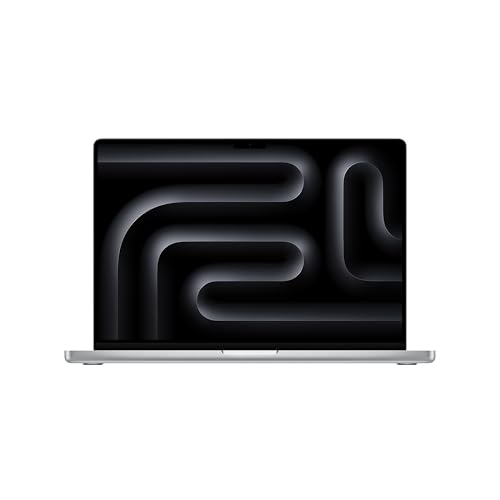
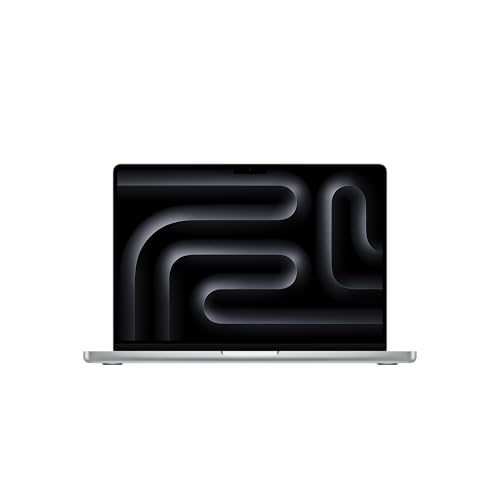
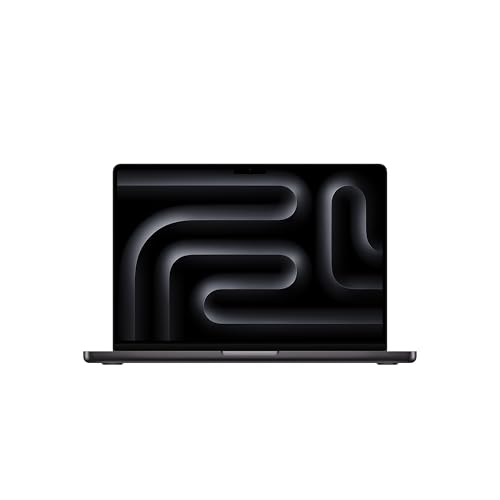
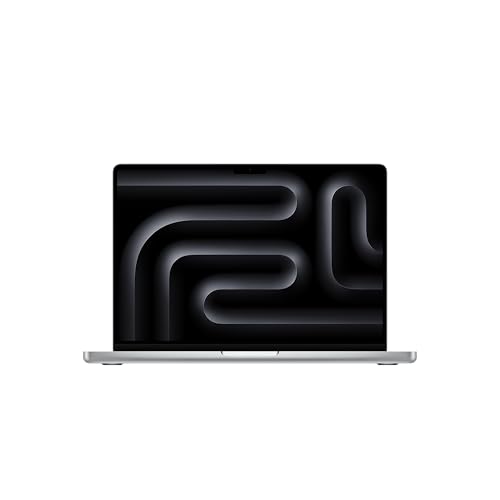
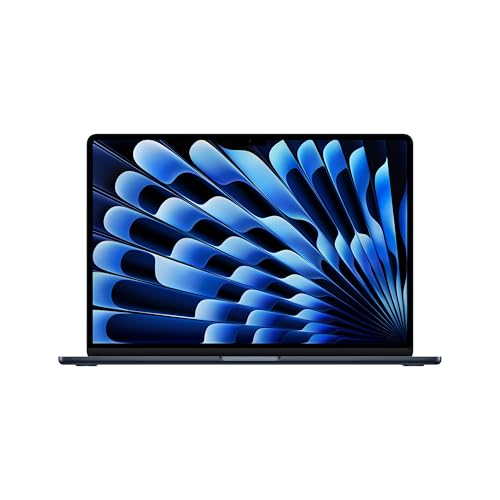
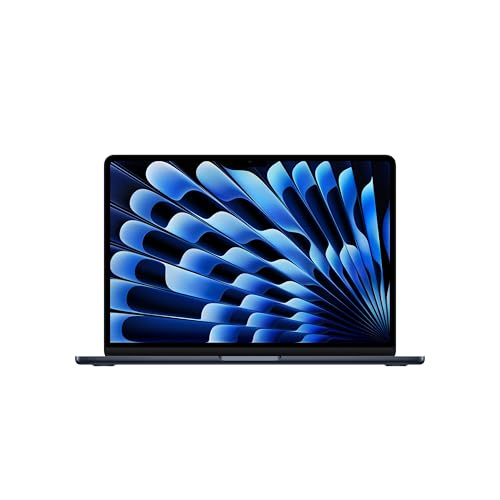
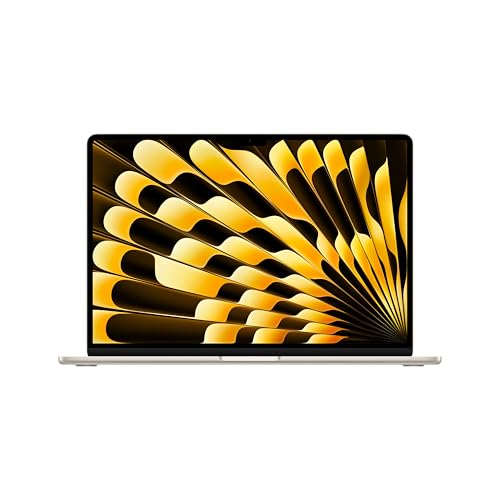
Choosing best apple laptops for video editing is about sustained performance, because editing needs a machine that handles long timelines, high resolution footage, and exports without slowing down or overheating. Apple silicon chips handle many editing tasks well, yet memory, storage speed, screen quality, and ports still decide whether a laptop feels smooth or frustrating. The comparison table below can help you compare chip, memory, storage, and display options.
Short clips for social media need far less power than feature length projects, multi camera edits, or color graded footage, so match the laptop to your real projects rather than to a headline specification. A machine that edits smoothly today should also cope with larger files, new codecs, and longer timelines over several years of use.
Who Should Buy
These laptops suit creators who edit on Apple systems, value color accurate screens, and want a portable machine that also handles daily work, travel, and client review. They suit YouTubers, wedding filmmakers, students, and small studios that need reliable editing away from a desk as well as at home. For a related option, see best laptops for video editings and compare it with your main needs before deciding.
They are less suitable for editors who depend on Windows only software, need extensive internal upgrades, or work with very large studio storage arrays, because Apple laptops limit internal expansion and rely on external drives and hubs. Check software compatibility, plugin support, and external storage plans before committing. For a related option, see best laptops for editing video and photos and compare it with your main needs before deciding.
Key Features to Compare
Editing performance comes from a balance of parts, not from one specification alone. For a related option, see best affordable laptops for video editing and compare it with your main needs before deciding.
- A capable chip with strong media engines, so common codecs play and export without constant rendering.
- Enough unified memory for your timeline size, since larger projects and effects need more headroom.
- Fast internal storage with room for active projects, plus a plan for external drives and backups.
- A bright, color accurate screen with good contrast, so grading decisions stay trustworthy.
- Ports and wireless options that match cameras, drives, monitors, and audio gear without constant adapters.
Also check cooling and fan noise, because thin laptops can throttle during long exports, which slows work and extends render times. Battery life matters for location editing, yet plugged in performance matters more for long sessions, so read sustained performance notes rather than peak speed claims. Keyboard, trackpad, and speaker quality also affect long editing days. For a related option, see best laptops for gaming and video editing and compare it with your main needs before deciding.
Types Compared
Compact Apple laptops suit creators who travel light, edit short form video, and value battery life and portability above maximum power. They handle social clips, vlogs, and simple timelines well, but large multi camera projects may need proxy files, patience, or external storage to stay smooth. They are a strong choice when mobility matters most. For a related option, see best windows laptops for video editing and compare it with your main needs before deciding.
Mid range Apple laptops balance power, screen size, and price for serious creators who edit regularly and need smoother timelines, faster exports, and better cooling. They suit wedding films, YouTube channels, and client work, especially when paired with fast external storage and a second monitor at a desk. Most regular editors find this balance the most practical.
High end Apple laptops suit professionals who edit high resolution, multi camera, or effects heavy projects daily, and need maximum memory, storage, and sustained performance. They cost more and weigh more, yet they save time on exports, grading, and complex timelines, which can matter for paid deadlines. Choose this tier only when project size and income justify the cost.
Living With Your Choice
Organise footage before editing, using fast external drives for media, a separate backup drive, and a clear folder structure for each project. Proxy files can help smaller laptops handle high resolution footage, while a second monitor improves timeline space and color checks at a desk. Keep the laptop ventilated during exports, since blocked vents increase heat and slow performance.
Update editing software, plugins, and system software together where possible, and test a short project after major updates before starting client work. Back up projects in at least two places, including an off site or cloud copy for important work, because a single drive failure can lose weeks of editing. Label drives clearly and eject them safely.
Clean the screen with a soft cloth, protect ports from dust during travel, and carry the laptop in a padded sleeve that fits chargers and adapters. Check battery health over time, since heavy editing cycles wear batteries faster than light office use, and plan for a charger that matches the laptop power needs for long sessions.
Mistakes to Avoid
A common mistake is buying the smallest memory and storage option to save money, then struggling with slow timelines, constant drive management, and costly external workarounds. Another mistake is judging a laptop only by short demo exports, which hide throttling, fan noise, and storage limits during long real projects.
Another error is ignoring software and plugin compatibility, assuming every Windows editing tool, effect, or camera codec works the same on Apple systems. Check your editing app, plugins, camera formats, and monitor calibration tools before buying, so the laptop fits your workflow rather than forcing a workflow change.
A Final Check Before You Order
Before you order, list your typical project size, camera formats, and export needs, then compare chip, memory, storage, screen, and ports against that list. Confirm software compatibility, external drive speed, and backup plans, and measure desk and bag space for the screen size you choose.
The product table above can help you compare chip and memory options side by side, but your editing workflow matters most. Choose a laptop that stays smooth through your longest timelines, not only through short test clips.
Comparing Options in More Detail
Colour accuracy deserves special attention, because a screen that looks vivid in a shop may shift colors in ways that mislead grading decisions for skin tones, skies, and product shots. Check whether the screen covers the color spaces your delivery platforms use, and consider a calibration tool if client work depends on accurate color. A calibrated external monitor at your desk can complement a laptop screen for critical grading, while the laptop screen handles editing on location.
Audio matters more than many new editors expect, since clear dialogue, music balance, and sound effects shape how viewers judge a video, even when visuals look polished. Check headphone output quality, speaker clarity for rough cuts, and support for external audio interfaces or monitors. A laptop that handles audio monitoring cleanly will save time in post production and reduce the need for extra gear on location.
Frequently Asked Questions
How much memory do I need for video editing?
Memory needs grow with timeline length, resolution, effects, and multi camera work, so short social clips need less than feature projects or color graded footage. As a guide, light creators can manage with a modest amount, regular editors benefit from more headroom, and professionals working with high resolution or complex effects need the most. Choose more memory when you plan to keep the laptop for several years.
Is internal storage or external storage more important?
Both matter, because fast internal storage helps active projects and system speed, while external drives hold footage libraries, archives, and backups. Keep active projects on fast storage, move finished work to larger external drives, and back up in at least two places. A small internal drive can work if your external workflow is fast and organized.
Do I need a second monitor for editing?
A second monitor is not essential, but it greatly improves timeline space, preview size, and color checks for regular editors. A color accurate external monitor helps grading decisions, while a laptop screen alone suits travel and short edits. If you edit at a desk often, budget for a monitor, stand, and cable alongside the laptop.
Will a thin laptop overheat during exports?
Thin laptops can warm up and slow down during long exports, especially with high resolution footage and effects, because heat limits sustained performance. Good ventilation, a hard flat surface, and realistic export settings help, while larger models usually sustain speed better. Test long exports, not only short clips, when comparing models for paid work.
Can Apple laptops edit high resolution footage smoothly?
Yes, many Apple laptops handle high resolution footage well with capable chips, enough memory, and fast storage, especially when editing software uses hardware media engines. Proxy files, optimized media, and organized external drives help smaller models, while larger projects benefit from higher memory and storage tiers. Match the tier to your camera formats and timeline complexity.
Final Thoughts
In short, the right choice for best apple laptops for video editing is a balanced machine with enough memory, fast storage, a trustworthy screen, and ports that fit your cameras and drives. Test your real workflow where possible, plan backups carefully, and choose sustained performance over headline speed alone.