
Best arch support tennis shoes womens 2026: Buying Guide
Disclosure: We may earn a commission when you buy through links on this page, at no extra cost to you. As an Amazon Associate I earn from qualifying purchases. Learn more

Learn how to choose arch support tennis shoes for women, from arch height and lateral stability to court surface tread, for confident play on court.
Tennis asks a lot of your feet: quick starts, hard stops, sideways cuts and long rallies on a hard surface. The best arch support tennis shoes womens players choose hold the foot steady from side to side while cushioning each landing, with a midfoot that supports the arch instead of letting it collapse. This guide explains what to look for, so you can read the product table with a clear idea of what matters on court.
Arch support in a tennis shoe works differently from support in a running shoe. A tennis shoe has to resist sideways forces, so it uses a firmer midsole, a wider base and a stronger upper. The sections below cover arch height, lateral stability, court surface, fit and care.
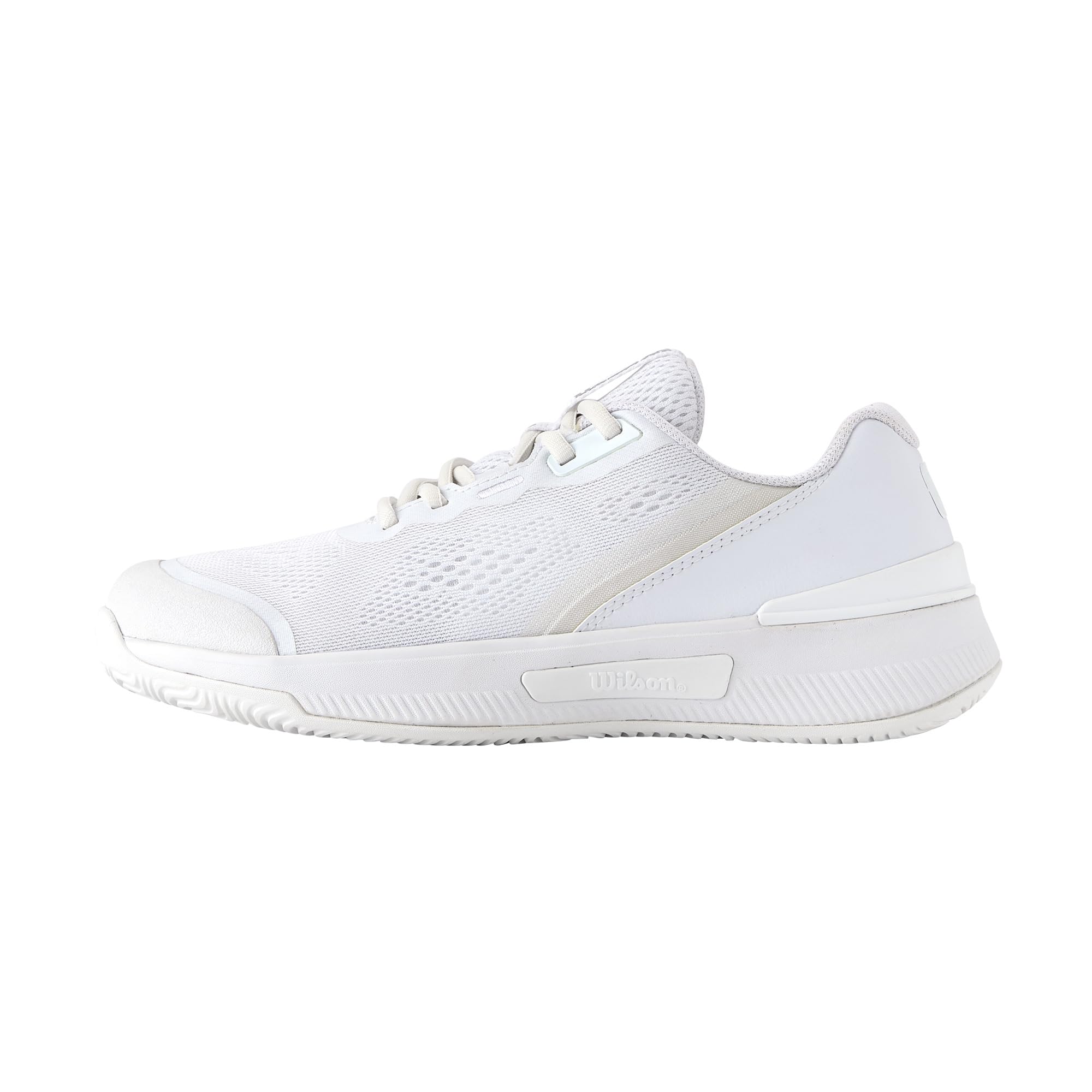

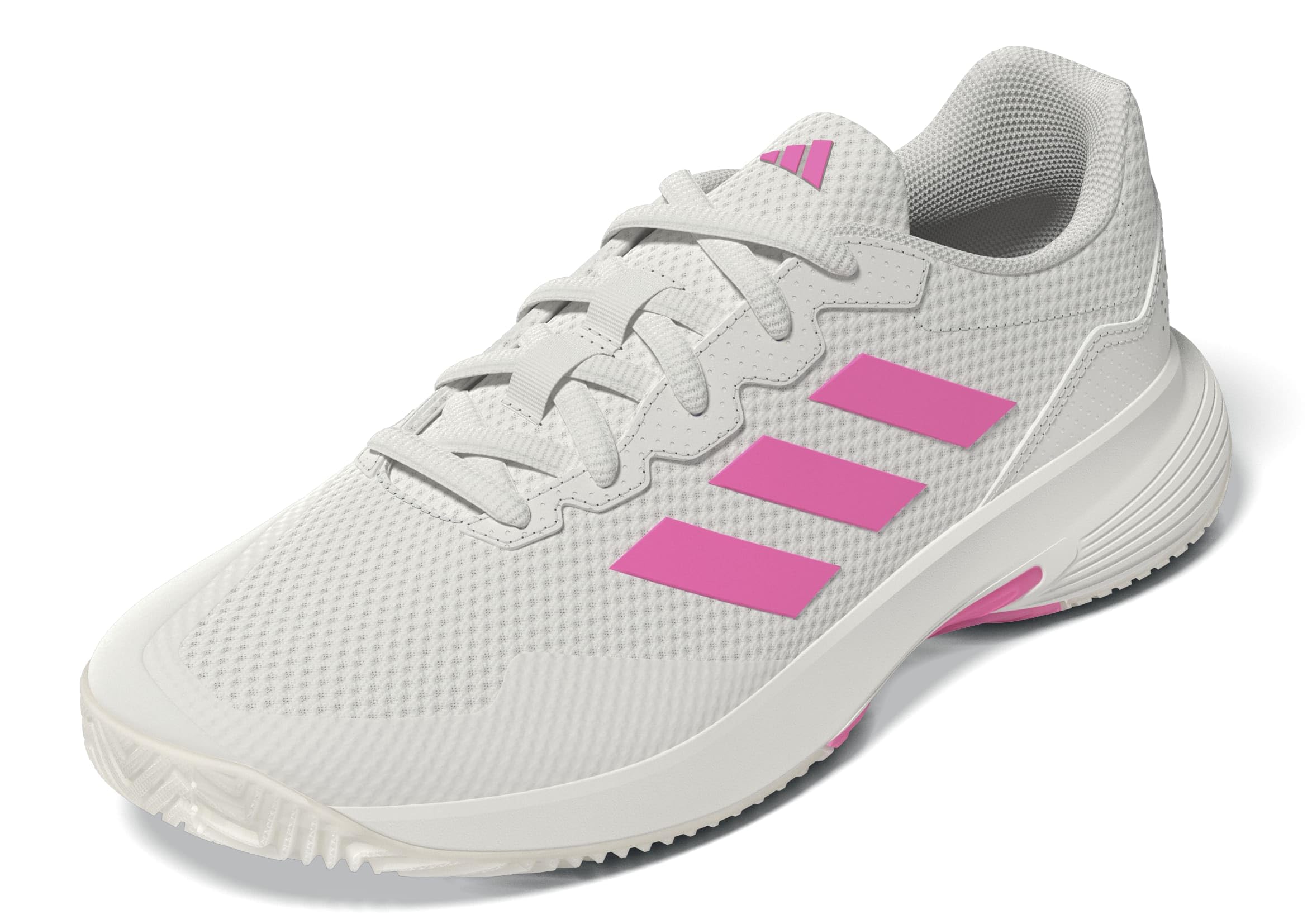
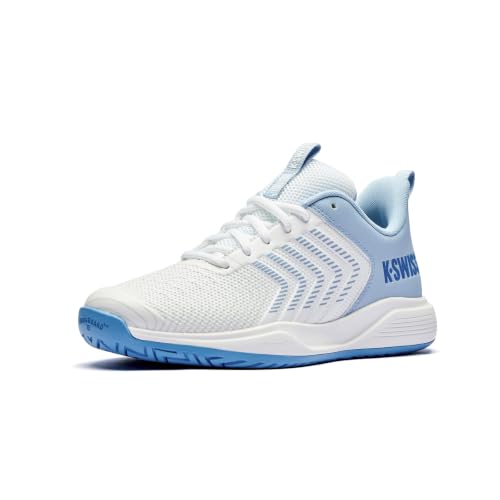
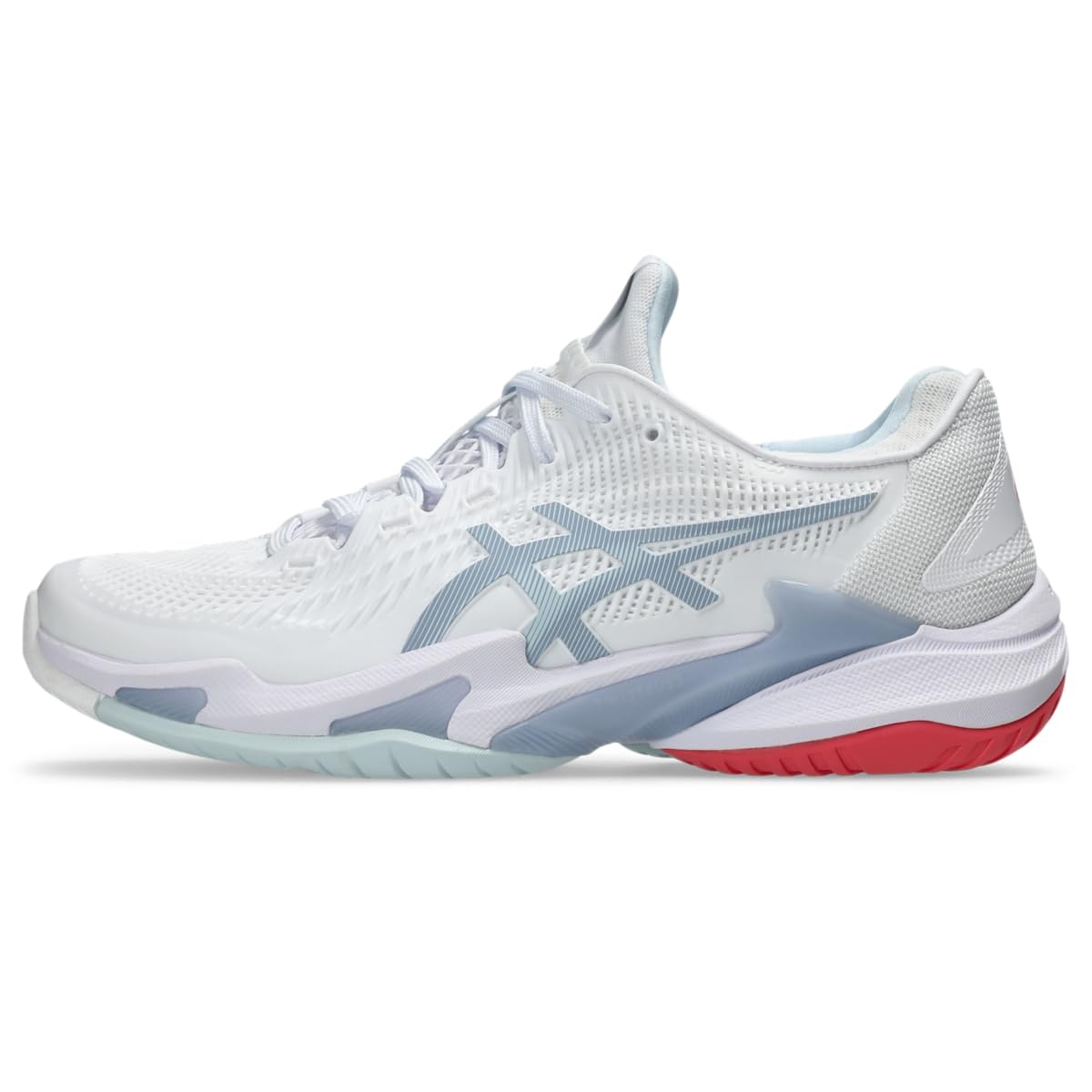
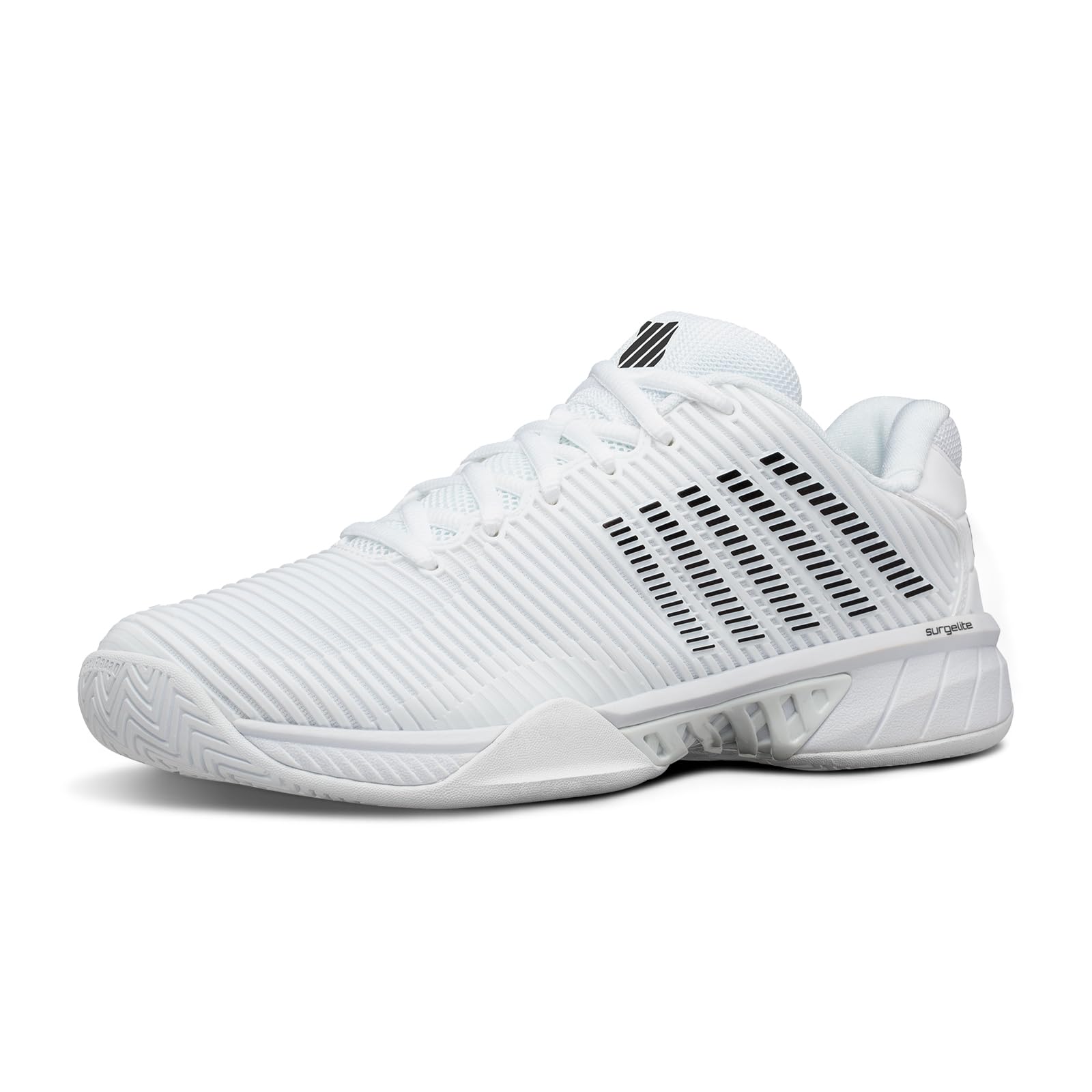

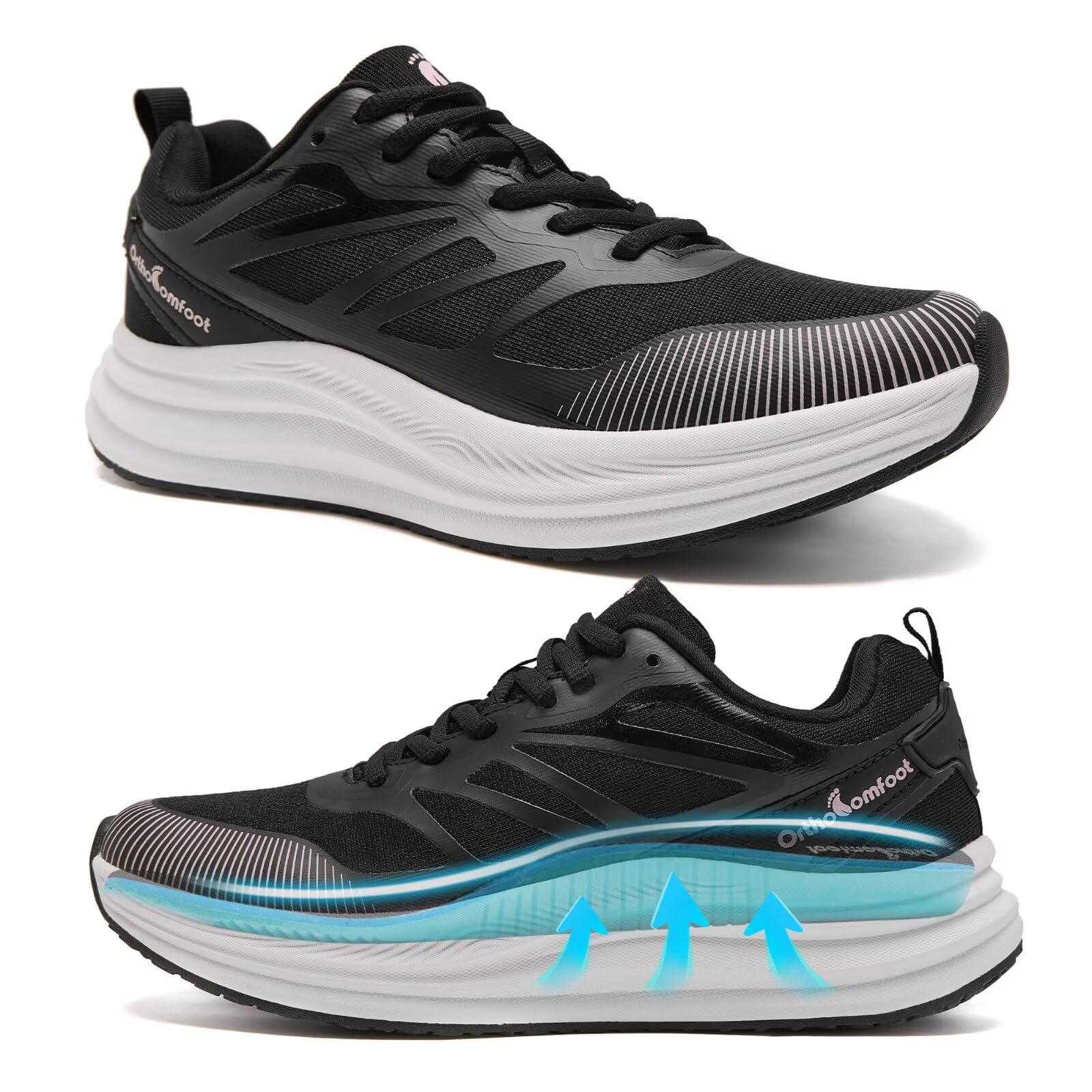
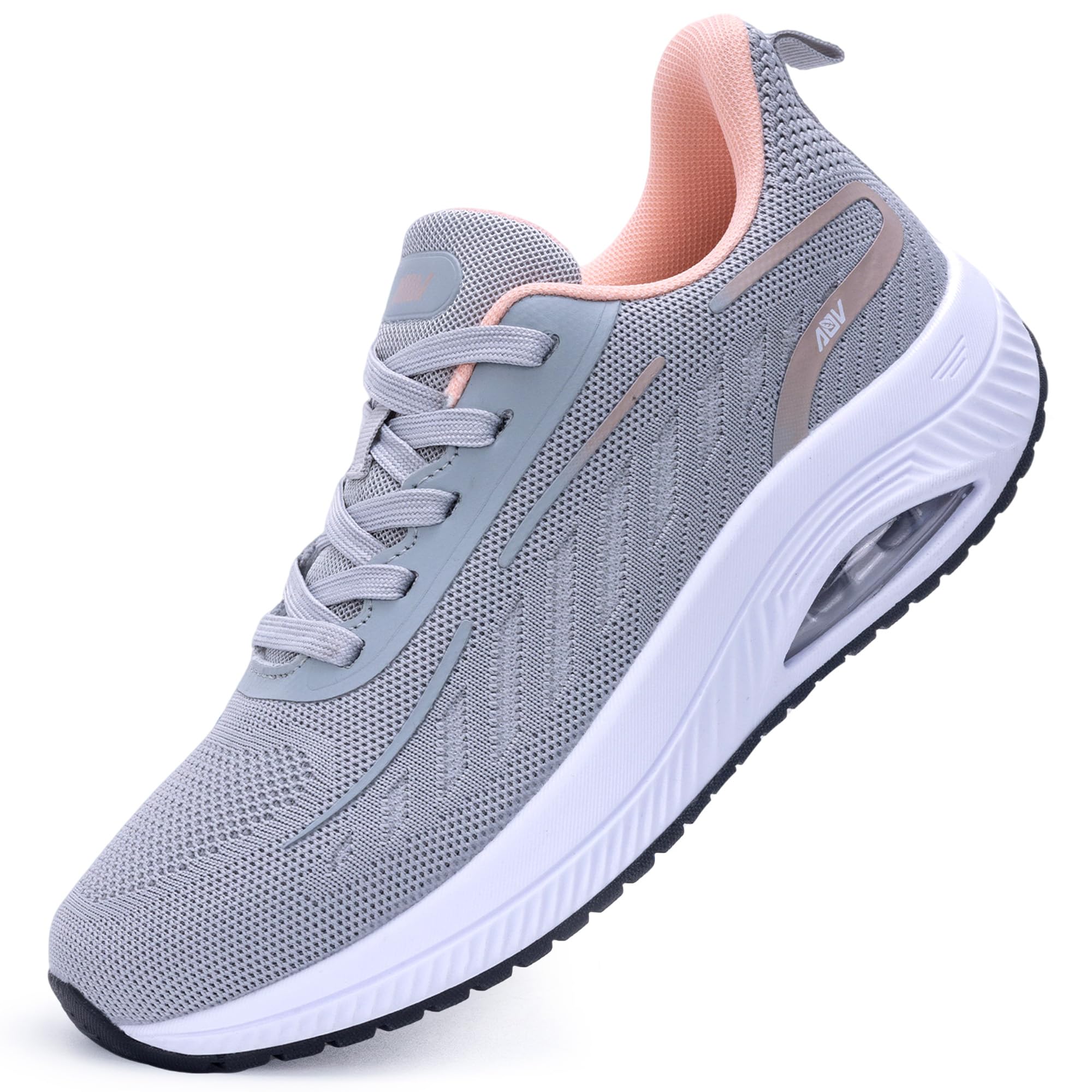

Arch Height and Foot Type
Your arch height decides which kind of support feels right. Flat feet usually do best with a broad, firm footbed and a stable heel that limits inward rolling. High arches usually need more cushion under the arch itself and a shoe that is not too stiff. Neutral arches have the most choice, so focus on fit and court surface.
If you use custom insoles or orthotics, bring them when you try on shoes. An insole changes the fit and the effective arch height, so choose a shoe with a removable insole and enough depth in the toe box.
Lateral Stability
Lateral stability is what separates a tennis shoe from a walking shoe. Look for a firm heel counter, a supportive midfoot shank and a sole that is wide at the base. Overlays on the upper add strength where your foot pushes against the side of the shoe during cuts. A shoe that feels fine walking in a straight line can still let your foot slide sideways on court, so shuffle side to side when you try a pair on.
Court Surface and Outsole
Match the outsole to the surface you play on most.
Hard Courts
Hard courts need a durable outsole and plenty of cushion, because the surface is unforgiving on joints and wears rubber quickly. Look for a thick outsole under the ball of the foot and a warranty on outsole wear if one is offered.
Clay Courts
Clay calls for a herringbone tread that grips during slides and releases clay so it does not pack into the sole. A hard-court shoe can feel slippery on clay and wear unevenly.
All-Court Shoes
If you play on mixed surfaces, an all-court shoe is the practical choice. It balances grip and durability, though it may not excel on any one surface.
Best Arch Support Tennis Shoes Womens Fit Checks
Fit decides whether arch support helps or hurts. The arch of the shoe should sit under your natural arch, not ahead of or behind it. Your heel should stay put during side-to-side steps, and your toes need room to spread without hitting the front on a stop. Try shoes on late in the day, when feet are slightly larger, and wear the socks you play in.
Walk, shuffle and lunge in the shoes before you decide. A shoe that feels snug in the midfoot but roomy at the toes is usually a good sign. Pressure on the inside edge of your foot suggests the arch is too high or the shoe is too narrow.
Weight, Flex and Upper Materials
Lighter shoes feel faster but often give up some support and outsole life. Heavier shoes offer more stability and durability, which suits players who cover the court with powerful strokes. The shoe should bend at the ball of the foot and stay firm through the midfoot. If you can fold the middle of the shoe in half with your hands, the arch support will fold under load too.
Mesh uppers breathe well but stretch. Synthetic overlays add support. Leather and leather-look uppers last longer but run warmer. Choose based on your climate and how hard you play.
Break-In and Care
Break new tennis shoes in with a few short hits before a match. The upper softens and any pressure points show up while the stakes are low. If a pressure point remains after several sessions, the fit is wrong rather than merely new.
Air shoes out after play and let them dry away from direct heat. Rotate two pairs if you play often. Replace them when the outsole smooths out in the toe drag area, the midsole feels flat or the shoe leans to one side.
Socks, Insoles and Budget
Socks change how a shoe fits. Wear the same moisture-wicking socks you play in when you try shoes, and avoid thick cotton socks that hold sweat and cause blisters. If you replace the stock insole with a supportive one, make sure the shoe still has room at the toes and heel. Prices run from budget court shoes to premium models. Mid-priced shoes often give the best balance of support, durability and comfort, while premium shoes add lighter materials and outsole warranties that matter for frequent players. If you play once a week, a sensible mid-priced pair will serve you well.
Common Mistakes to Avoid
- Choosing a running shoe or a walking shoe for court use.
- Ignoring court surface, then slipping on clay or wearing out a hard-court sole early.
- Buying by looks and skipping the fit checks.
- Wearing shoes long past the point where the cushion and support have gone.
- Assuming a shoe with arch support suits every foot. If you feel sharp pain, swelling or numbness, stop and talk with a clinician. Supportive shoes add comfort but do not diagnose or treat foot problems.
Frequently Asked Questions
Why does arch support matter in tennis?
Lateral movement puts strong sideways force on the foot, and good arch support helps keep the foot stable during those moves. Without it, the foot can roll inward, which tires the legs and can increase discomfort over a long match.
How should arch support tennis shoes fit?
They should feel snug around the midfoot, with the arch support sitting under your natural arch. Your toes need room to spread, and your heel should stay put during side-to-side steps. Try a few lateral shuffles before you buy.
Are these shoes good for flat feet or high arches?
Models vary in arch height. Flat feet usually suit a lower, broader support, while high arches suit a higher, more curved support. If you use custom insoles, bring them when trying shoes.
Do court surfaces change the choice?
Yes. Hard courts need cushion and a durable outsole, while clay courts need a herringbone tread that grips during slides. Choose a shoe made for your main surface.
How long do tennis shoes last?
For regular players, outsoles and midfoot support wear faster than the upper looks suggest. When the tread smooths in the forefoot or the shoe leans to one side, support has faded and it is time to replace them.
The Bottom Line
Match the shoe to your arch, your court surface and your style of play. Use the product table above to compare prices and ratings, and shortlist the best arch support tennis shoes womens options that fit well and feel stable when you shuffle. For more ideas, see best tennis shoes for arch support and best women's tennis shoes for high arch support.


