
Best Arch Support Shoes for Flat Feet: A Clear Buying Guide for 2026
Disclosure: We may earn a commission when you buy through links on this page, at no extra cost to you. As an Amazon Associate I earn from qualifying purchases. Learn more

Best arch support shoes for flat feet: how to judge support shape, cushioning and fit for steadier days on your feet.
Flat feet change how weight moves through the whole leg. The arch sinks, the heel can tilt inward and the muscles work harder to keep you steady, which is why a plain flat shoe often leaves the feet sore by evening. The best arch support shoes for flat feet offer a stable base, a firm but forgiving arch and a heel that stays put. This guide explains the choices so the product table is easy to use.
Start with what you do all day. Long hours standing, brisk walks and casual wear each ask for a slightly different mix of cushion and control.
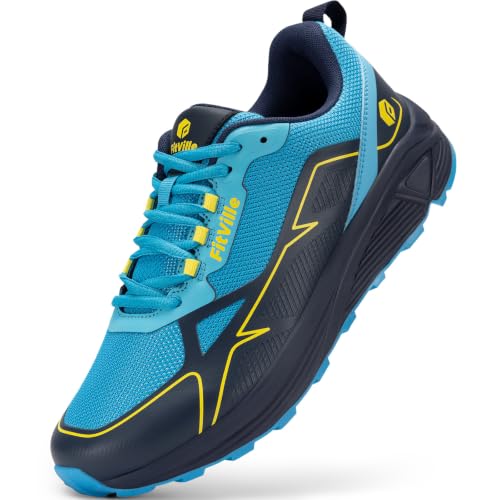

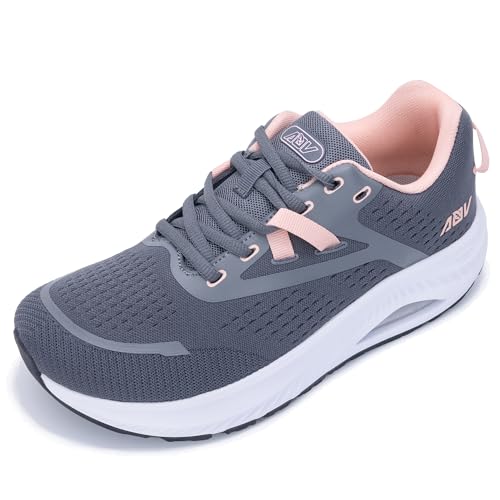


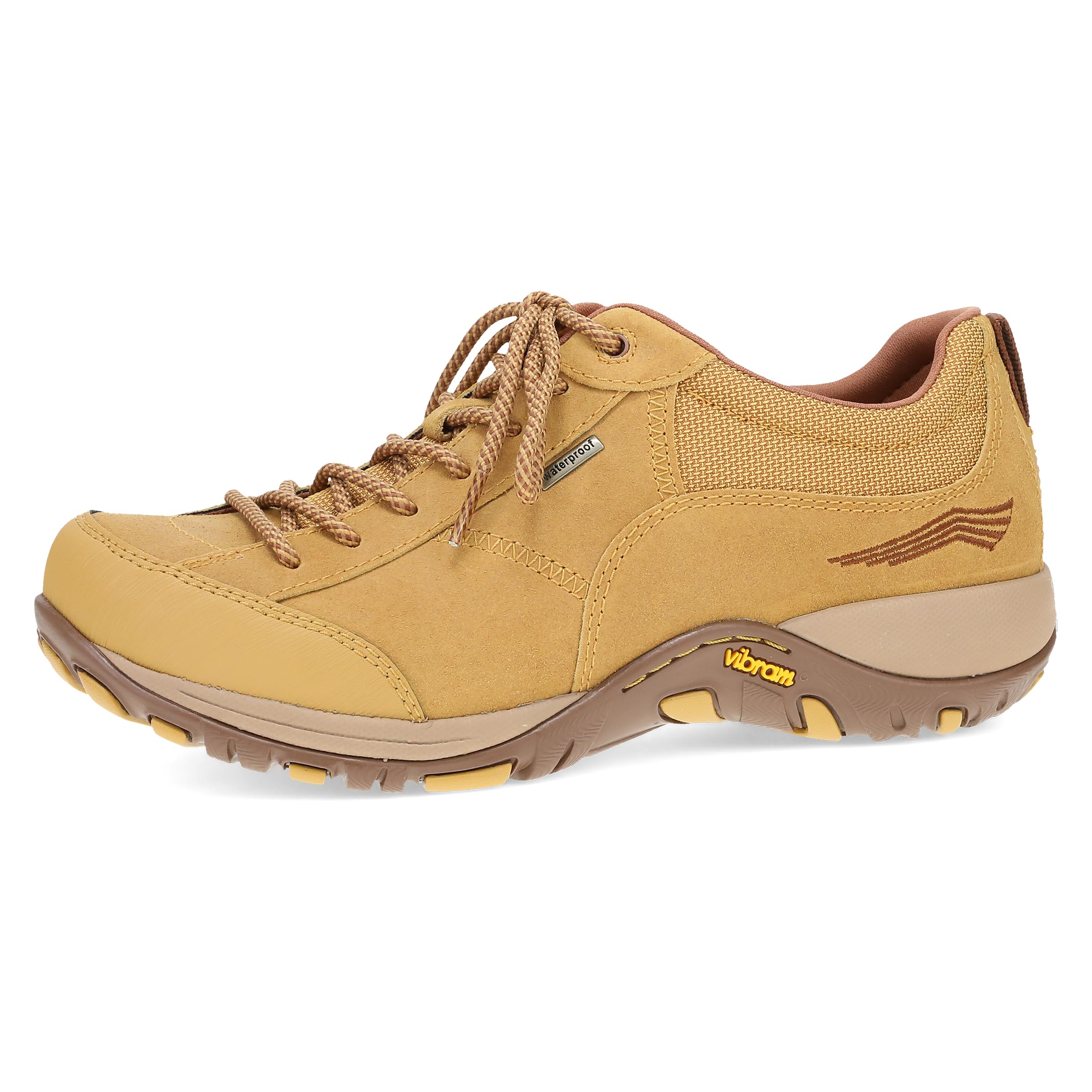

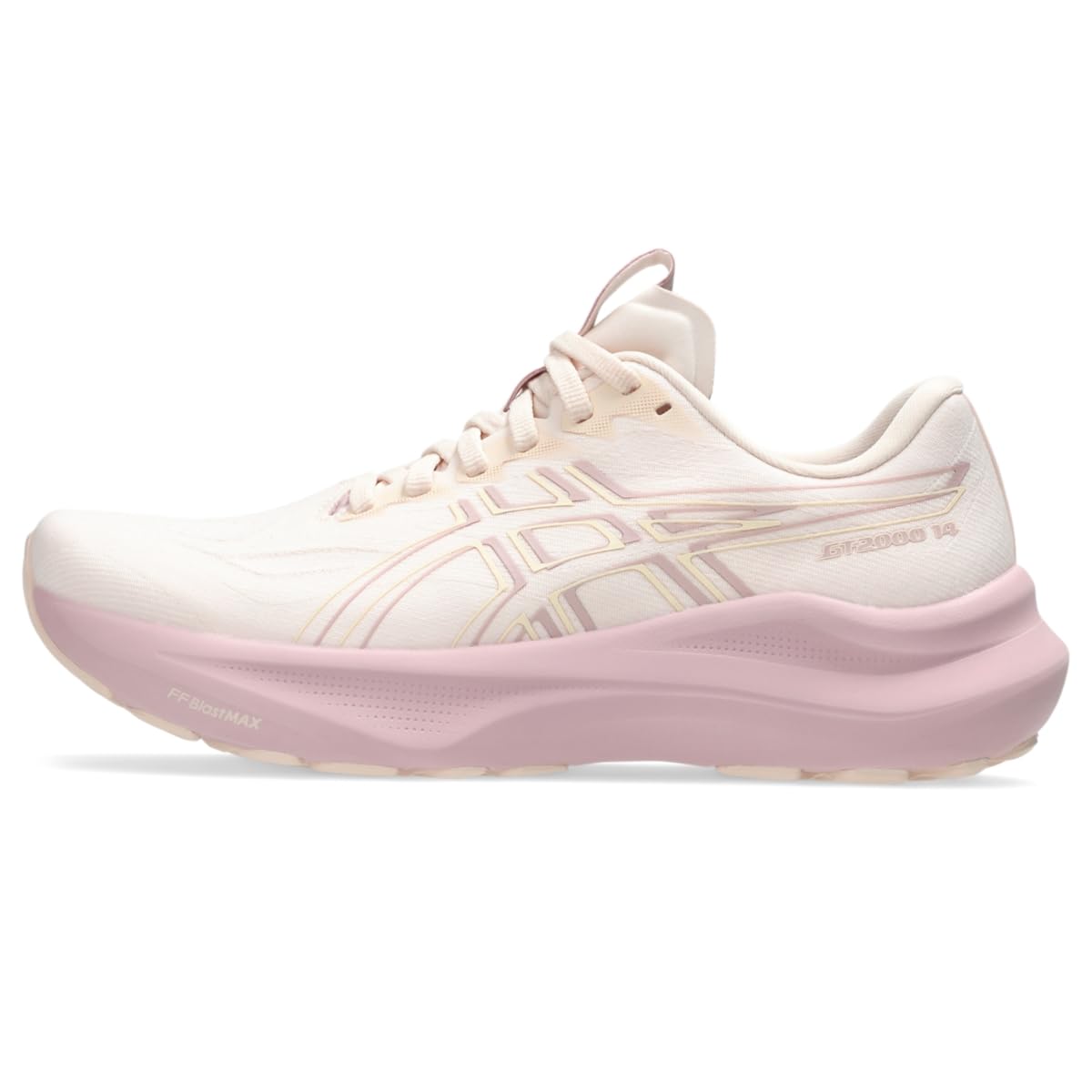
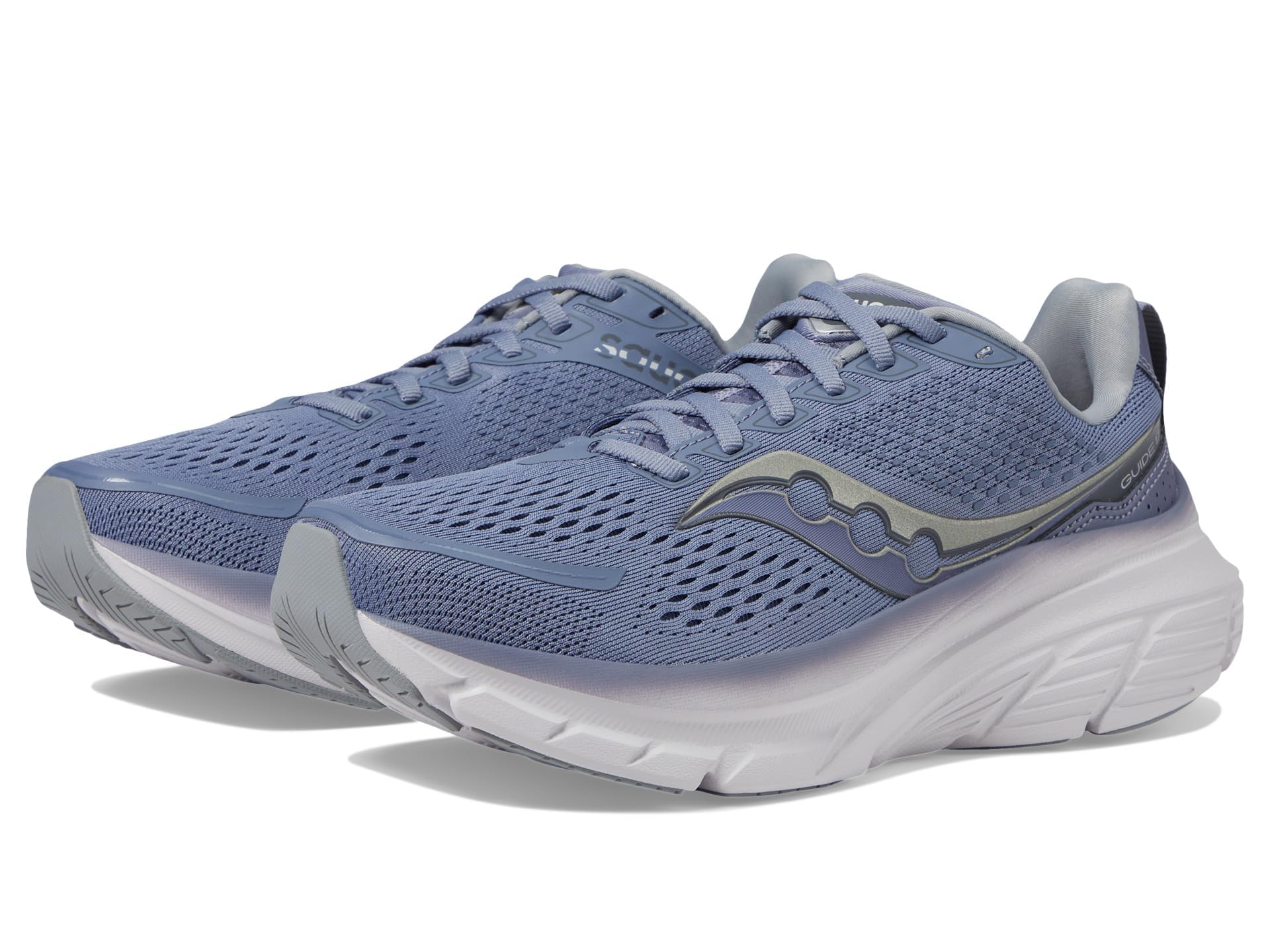
What Flat Feet Need From a Shoe
A flat foot needs support that spreads across the inner edge of the foot, not one hard bump. The shoe should feel stable when you stand, resist twisting when you grip the toe and heel, and keep the heel from rolling inward. Cushioning matters, but cushioning without structure collapses and lets the arch sink again.
Test the shoe by pressing the heel counter with your fingers: it should hold its shape. Then try bending it. A good shoe flexes at the ball of the foot but stays firm through the middle.
Key Features to Compare
Arch Support and Midsole Stability
Look for a contoured footbed with a moderate arch rise and a midsole that is firmer on the inner side. Some shoes use a guide rail or a wide base to slow inward rolling. Choose the least correction that still feels steady, since too much can push the foot outward.
Heel Counter and Fit
A firm heel counter holds the heel straight and helps keep the ankle aligned. The shoe should grip the heel without rubbing and give the toes room to spread. Wide sizes help flat feet that tend to broaden under load.
Cushioning and Weight
Moderate cushioning softens impact on hard floors. Very soft foam feels nice for a few minutes but can wear flat quickly. Lighter shoes reduce tiredness on long days, as long as they keep their structure.
Outsole Grip and Durability
A rubber outsole with a wide platform improves balance and lasts longer. Check the tread under the heel and ball of the foot, since those areas wear first in flat feet.
Types of Shoes for Flat Feet
Stability Walking Shoes
Walking shoes with a firm midsole and a roomy toe box suit daily errands, travel and long standing shifts. They are designed to be comfortable all day, and they are the most versatile pick for most people.
Stability Running Shoes
Running shoes with stability features guide the foot through each stride. They suit active walkers and runners who need extra control, but check that the cushioning does not feel too soft for walking.
Supportive Everyday Sneakers and Work Shoes
Casual sneakers and slip resistant work shoes with real arch support suit offices, kitchens and clinics. Look for removable insoles so you can add a custom insert if you need more support.
Choosing the Best Arch Support Shoes for Flat Feet
Shop late in the day, when your feet have swelled to their working size, and bring the socks you wear most. Stand, walk on a hard floor and take a few steps on stairs if you can. The arch support should meet the middle of your foot and feel stable, not pinch or lump.
If you already use an insert, take it with you and check that the shoe still fits well with it in place. Removable insoles give you more options than glued in footbeds. For warm weather alternatives, see our guide to the best arch support sandals for flat feet, and for related fits read about the best shoes for fallen arches and flat feet.
Matching Shoes to Your Routine
People who stand for long shifts need a firm, shock absorbing midsole and a slip resistant outsole, because static standing loads the arch for hours. Daily walkers do better with a lightly rockered sole that helps the foot roll forward smoothly, while travelers value light weight and easy cleaning.
If you wear dress shoes for work, look for models with removable footbeds, a wider toe box and a lower, stable heel. Pointed, narrow shoes force flat feet into positions that increase strain. A well fitting supportive sneaker is better than a stylish shoe with no structure, even for office days.
It also helps to build a small rotation. Wearing the same pair every day compresses the foam faster, while alternating shoes gives each pair time to recover and lets your feet experience slightly different pressure patterns, which many people find more comfortable.
What to Expect to Spend
Budget supportive shoes cost about $45 to $80 and work for light daily use. Mid range stability shoes run about $90 to $140 and offer better foam, fit options and durability. Premium models at $150 and above add refined cushioning and long life, which is worth it if you stand or walk for many hours.
Common Mistakes to Avoid
- Choosing the softest shoe, which gives no real support.
- Buying by size alone without checking width and heel hold.
- Using worn shoes long after the midsole has flattened.
- Adding a thick insert to a shoe that has no spare room.
- Skipping a break in period for firmer models.
Care and Replacement
Rotate two pairs if you wear shoes daily, so the foam can recover between wears. Air them out, clean the insoles and check the outsole for uneven wear. Replace the shoes when the heel tilts, the midsole creases deeply or the arch feels flat.
If you notice sharp pain, swelling, numbness or pain that does not settle, talk with a clinician or podiatrist. Shoes help comfort, but they do not diagnose or treat foot conditions.
Frequently Asked Questions
Do arch support shoes fix flat feet?
They do not change the structure of the foot, but they can reduce strain and make walking more comfortable. Many people notice less tiredness in the arches and legs. Persistent pain is a reason to see a clinician.
How firm should arch support be for flat feet?
Moderate and steady is usually best. The support should feel like gentle contact along the arch, not a hard lump. If you feel soreness after a few days, try a lower contour.
Can I use custom insoles in arch support shoes?
Yes, if the shoe has a removable insole and enough depth. Check the fit with the insert in place, and make sure your heel does not lift out of the shoe.
Are running shoes good for flat feet?
Stability running shoes can be a good choice, particularly if you also run. Neutral cushioned shoes can feel unsupportive for some flat feet. Try both types and choose the one that feels steadier.
How often should I replace shoes for flat feet?
Daily shoes usually last about six to twelve months, or around 300 to 500 miles. Replace them sooner if support fades or the sole wears unevenly.
Final Thoughts
Look for a stable base, a firm heel counter and moderate arch support, and make sure the fit allows your toes to spread. Use the product table above to compare options by width, cushioning and price.
When you pick the best arch support shoes for flat feet with those checks, long days on your feet feel steadier and far less tiring.


