
Best Arch Support Sandals for Flat Feet: Buying Guide for 2026
Disclosure: We may earn a commission when you buy through links on this page, at no extra cost to you. As an Amazon Associate I earn from qualifying purchases. Learn more

Best arch support sandals for flat feet: what to check in the footbed, heel cup and straps for comfortable walking.
Flat feet ask a lot from a sandal. With a low arch, the foot tends to roll inward and the midfoot tires quickly on hard ground, so a flat strip of foam is not enough. The best arch support sandals for flat feet combine a contoured footbed, a deep heel cup and straps that hold the foot in place. This guide shows what to look for so the product table is easy to compare.
Start with how you will use them. Short errands and beach days need less structure than all day city walking, and your choice of strap style matters more as the distance grows.




How Sandals Support Flat Feet
A flat foot lets the arch sink as weight lands on it, which can leave the ankle rolling inward and the arch muscles working hard. A good sandal gives the midfoot something firm to rest on, keeps the heel centered and limits that inward roll. The result is steadier steps and less tiredness by the end of the day.
Support should feel present but not painful. A sharp bump under the arch is a bad sign, because flat feet usually need a broad, gentle rise that follows the whole inner edge of the foot rather than a single point.
Key Features to Compare
Footbed Contour and Firmness
Look for a footbed with a moderate arch rise that spreads along the inside of the foot. Firm cork blends and dense foam hold their shape longer than soft foam, which can flatten within weeks. Press the arch with your thumb: it should resist, not collapse.
Heel Cup Depth
A deep heel cup keeps the heel straight and helps stop the ankle from tilting inward. It also holds the natural heel pad in place, which improves cushioning with each step. Shallow heel cups let the foot slide and reduce the benefit of the arch support.
Straps and Closure
Adjustable straps over the midfoot and around the ankle stop the foot from sliding forward and keep the arch support under the right spot. Hook and loop straps and buckles let you adjust through the day as your feet swell. Slip on slides can work for short trips, but they ask your toes to grip.
Sole Flexibility and Traction
The sole should bend at the toes but stay firm through the middle. A rubber outsole with tread grips wet pavement and pool decks, while a thin foam sole wears down quickly. A wider base adds stability for flat feet that tend to roll.
Types of Sandals for Flat Feet
Sport and Hiking Sandals
These use multiple straps, a firm midsole and a grippy sole. They suit long walks, travel and uneven paths, and they offer the strongest hold. They look sporty, but they are often the most comfortable for flat feet on busy days.
Contoured Slides and Flip Flops
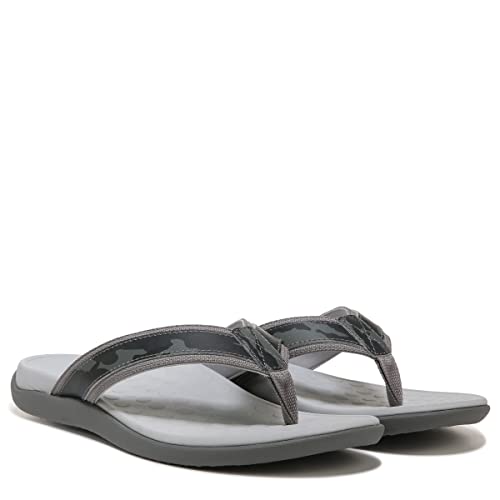
Slides and thong styles with a molded footbed work well for short wear, around the house and after workouts. Choose a deep heel cup and a firm contour, because flat versions offer little help. Avoid them for long walks if your toes tire.
Cork Footbed Sandals
Cork footbeds shape themselves to your foot over time and give a supported, natural feel. They are dressier, they often have buckle straps and they suit daily wear in warm weather. Keep them dry, since soaking can damage the cork.
Choosing the Best Arch Support Sandals for Flat Feet
Try sandals late in the day when your feet are at their largest, and walk on a hard floor for several minutes. The arch rise should meet the middle of your foot, not the heel or toes. Your toes should not hang over the front edge, and your heel should sit fully inside the cup.
Think about adjustability. Feet swell in warm weather, so straps that loosen and tighten make a big difference. If you use custom orthotics, check whether the footbed is removable, since a built in contour may clash with an insert.
For related ideas, see our guides to the best support sandals for flat feet and the best sandals with good arch support.
Matching Sandals to Your Day
Travel and sightseeing days call for sport style sandals with a secure ankle strap, because you may walk several miles on uneven pavement. Beach and pool days suit quick drying foam or rubber footbeds that rinse clean and keep their shape when wet. Office and dressier days suit cork or leather sandals with a firm footbed and a neat strap design.
If you stand for long periods at home or work, a closed heel or a back strap is worth having, because it keeps the foot centered on the support. Backless slides are fine for quick moments, but they let the foot shift and ask the toes to grip, which tires flat feet quickly. Owning two pairs, one supportive for long days and one lighter for short trips, is often the most practical setup.
What to Expect to Spend
Basic supportive sandals cost about $25 to $50 and work for light use. Well built models with firm footbeds and adjustable straps run about $60 to $120 and last through several summers. Premium cork and leather designs cost about $120 to $170, and the extra money mostly buys materials and finish.
Common Mistakes to Avoid
- Choosing soft cushioning with no real arch contour.
- Buying an arch that is too high, which presses painfully under a flat foot.
- Ignoring the heel cup, which leaves the ankle rolling inward.
- Wearing a new firm sandal for a full day without a break in period.
- Keeping a sandal after the footbed has flattened.
Care and Break In
Wear new sandals for short periods at first, then add time over a week. Rinse off sand and salt, dry them in the shade and check straps for stretching. Replace the pair when the footbed flattens in the middle or the heel wears down on one side.
A health note: persistent pain, swelling, numbness or skin problems deserve attention from a clinician or podiatrist. Sandals can improve comfort, but they do not diagnose or treat foot conditions.
Frequently Asked Questions
How much arch support do flat feet need in a sandal?
Most flat feet do best with moderate, firm support, not a tall bump. The goal is to give the arch something to rest on without forcing it up. If you feel pressure or soreness after wearing them, try a lower contour.
Can I wear arch support sandals all day with flat feet?
Yes, if the fit is secure and you have broken them in gradually. Build up wear over a week and take breaks if your feet feel sore. Alternate with supportive closed shoes on long days.
Are flip flops bad for flat feet?
Flat flip flops often are, because they give no support and make toes grip. Contoured versions with a deep heel cup are better for short wear, but long walks call for straps and a firmer base.
Do I need orthotics or arch support sandals?
Many people with mild symptoms feel better in a well contoured sandal. People with significant pain or a diagnosed condition should ask a clinician whether custom orthotics are a better fit.
How long do arch support sandals last?
Quality pairs typically last one to three seasons of regular wear. Cork and dense foam last longer than soft foam, and rotating two pairs extends life. Replace them when the arch feels flat.
Final Thoughts
Choose a firm, moderate contour, a deep heel cup and straps you can adjust, then check the fit on a hard floor before you commit. Use the product table above to compare footbeds, straps and prices.
With those checks in place, the best arch support sandals for flat feet become comfortable enough to wear all day, from the first stroll to the last.


