
Best Arch Support Slippers for Men: A Buying Guide for 2026
Disclosure: We may earn a commission when you buy through links on this page, at no extra cost to you. As an Amazon Associate I earn from qualifying purchases. Learn more

Best arch support slippers for men: how to compare footbed shape, heel cushioning, grip and fit for comfortable evenings at home.
Men who spend evenings and weekends on kitchen tile or hardwood often notice sore heels and aching arches that thin house slippers do nothing to help. The best arch support slippers for men add a shaped footbed, a cushioned heel and a firm sole that grips smooth floors. This guide explains what to compare so the product table is easy to use.
Think about how you wear them. Quick trips to the mailbox, long evenings on your feet and working from home on hard floors each call for a slightly different build.


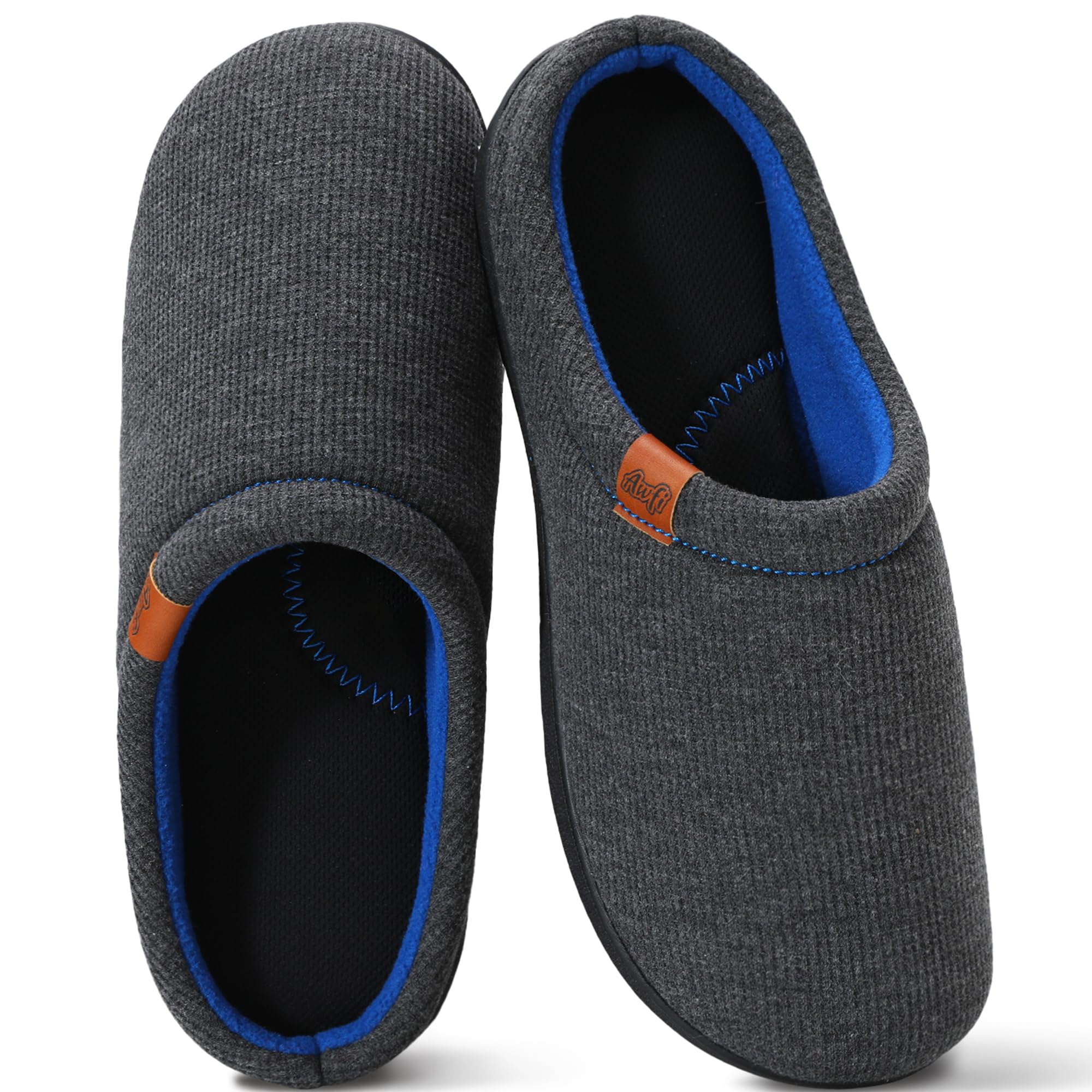
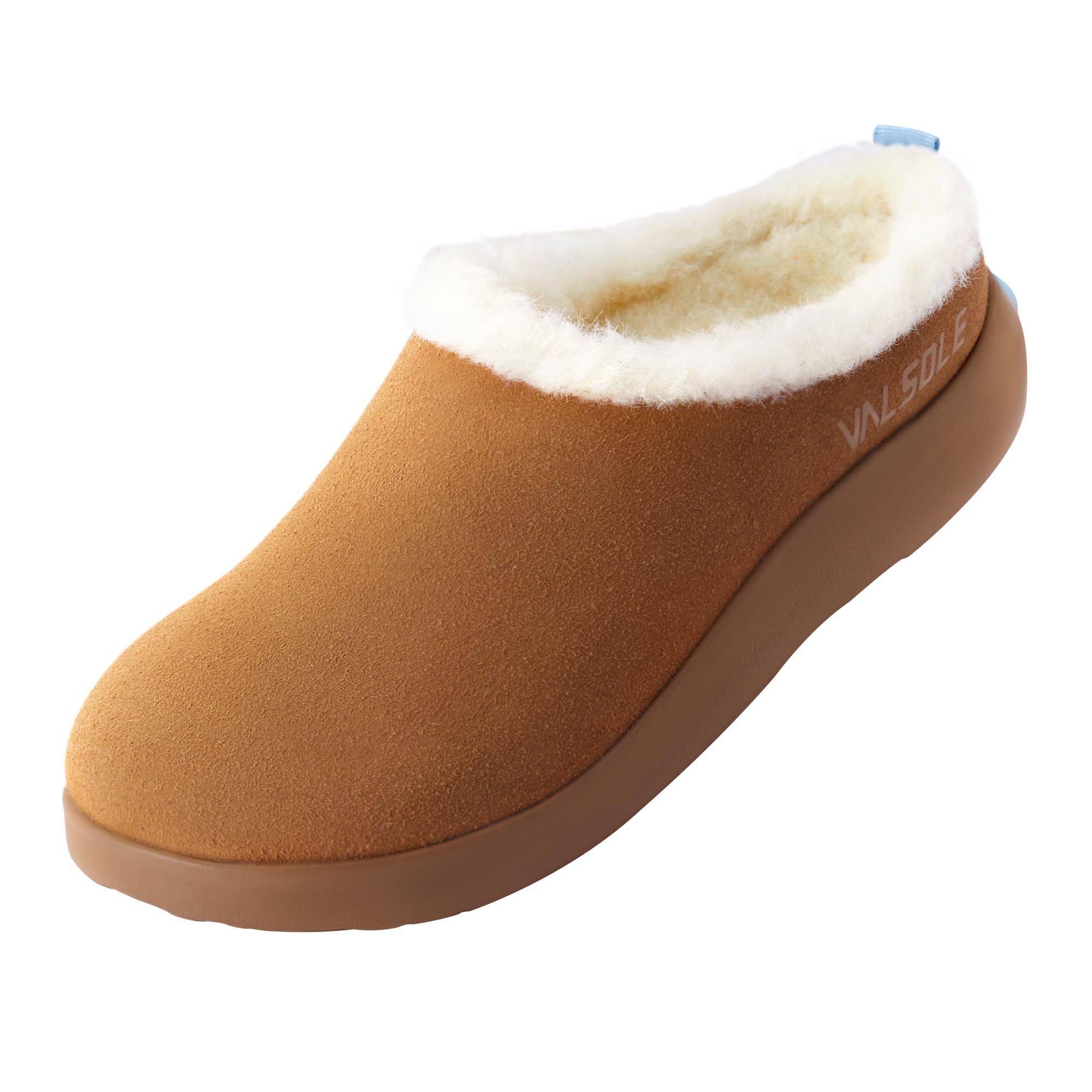


Why Men Benefit From Arch Support Indoors
Indoor footwear is often the least supportive in the house. A flat foam slipper lets the arch sag, and the heel takes the full impact of each step on hard floors. A contoured footbed spreads weight along the foot, steadies the heel and helps reduce tiredness in the arches, calves and lower back after a long day.
They are especially useful for men with flat feet or high arches, those who stand to cook or work at a standing desk and anyone recovering from a day in work boots. Slippers are not medical treatment, so persistent pain, swelling or numbness deserves a visit to a clinician.
Key Features to Compare
Footbed Shape and Arch Height
Look for a footbed with a moderate arch rise that matches your foot. Press the arch with your thumb: it should resist rather than collapse. Memory foam adds comfort, but it needs a firmer base to keep the arch supported.
Heel Cushioning and Stability
A deep heel cup holds the heel centered and spreads impact. Slippers with a firm heel counter or a back strap stay on better when you walk quickly or climb stairs.
Outsole Grip and Indoor and Outdoor Use
A rubber outsole with texture grips tile and wood. If you step outside to the garage or the bin, choose a durable sole made for light outdoor use. A plain foam sole wears out quickly and can slip on wet floors.
Fit, Width and Removable Insoles
Men's sizes in slippers can run small, so check the size guide and read reviews on fit. Wide options help broader feet. Removable insoles allow you to add a custom insert and make cleaning easier.
Types of Arch Support Slippers for Men
Moccasin Style Slippers
Moccasins have a closed heel, a soft lining and a rubber sole. They feel secure and suit year round use, and they are good for walking around the house and short trips outside.
Clog Style Slippers
Clogs offer a roomy toe box, a firm footbed and easy on and off. Many have a supportive arch and a stable heel, and they suit people who stand a lot.
Slides and Slip Ons With Firm Soles
Slides are easy to wear and cool in summer. Choose a model with a molded footbed and a deeper heel cup, because flat slides give little support.
Choosing the Best Arch Support Slippers for Men
Try slippers late in the day, when your feet are slightly larger, and stand on a hard floor. The arch should meet the middle of your foot and feel supported, not pinch. Your toes should have room to spread, and your heel should stay in place when you walk.
If you work from home, choose a slipper you can wear for several hours, with cushioning that lasts. For related ideas, see our guides to the best arch support shoes for men and the best house slippers with arch support.
What to Expect to Spend
Simple supportive slippers cost about $20 to $35 and suit light use. Mid range models at about $40 to $70 add better foam, deeper heel cups and more durable soles. Premium and orthopedic styles at $70 to $100 offer the firmest support and longest life, and they make sense if you wear them for many hours each day.
Common Mistakes to Avoid
- Choosing a slipper that is only soft, with no arch shape.
- Buying too small because slipper sizes run snug.
- Wearing a thin foam sole outdoors, which wears it out fast.
- Keeping the pair after the footbed has flattened.
- Ignoring heel slip, which strains the ankle.
Care and Replacement
Air slippers between wears, spot clean or wash them as the maker recommends and let them dry away from heat. Check the footbed for flattening every few months and replace the pair when support feels uneven. Daily wearers often need a new pair every year.
If you notice sharp pain, swelling, numbness or skin breakdown, talk with a clinician. Supportive slippers help comfort and fit, but they do not diagnose or treat foot conditions.
Matching Slippers to Your Home
Hard floors call for thicker cushioning and a grippy sole, while carpet lets you choose a lighter, more flexible slipper. If you often step outside, a rubber outsole with deeper tread is worth the extra cost. In cold climates, a wool or fleece lining keeps feet warm, but make sure there is still room for your toes.
Keep two pairs if you can, one for indoors only and one for brief outdoor trips. Rotating slippers also gives the foam time to recover and keeps odor down.
Who Should Skip Heavily Structured Slippers
Not every man needs a stiff, high arch slipper. If you have a very neutral foot and rarely stand for long periods, a lightly contoured pair with good cushioning may feel better than a firm one. Firm supports also need a short adjustment period, so start with an hour or two a day and build up over a week.
Men with wide or swollen feet should prioritize width and adjustable closures over a high arch. A slipper that squeezes the forefoot undoes the benefit of its support. If you use custom orthotics from a clinician, choose a model with a removable footbed so the orthotic can sit properly inside the slipper.
Finally, remember that comfort is personal. Wear a new pair around the house for a few days before you remove the tags if the seller allows returns, and keep notes about any pressure spots so you can decide whether to keep or exchange them.
Frequently Asked Questions
Are arch support slippers worth it?
For men who spend hours on hard floors, yes. A supportive footbed reduces strain and keeps the arch from collapsing, which many wearers notice as less tiredness in the evening.
How should arch support slippers fit?
They should hold your heel without slipping, give your toes space and make contact with the arch without pressing hard. If the heel lifts when you walk, try a smaller size or a closed back style.
Can I wear arch support slippers outside?
Only if the sole is made for it. A rubber outsole with tread handles short trips, while foam soles wear out quickly and can slip.
How long do arch support slippers last?
Daily wearers usually get six to twelve months. Replace them when the footbed flattens, the heel wears down or the sole turns smooth.
Do arch support slippers help with plantar fasciitis?
They can reduce strain by supporting the arch and cushioning the heel, especially if you currently walk barefoot indoors. Persistent heel pain needs professional advice.
Final Thoughts
Choose a moderate arch contour, a cushioned heel and a grippy sole, and check the fit on a hard floor before you commit. The product table above helps you compare styles and prices.
When you choose the best arch support slippers for men with those points in mind, evenings at home feel noticeably easier on your feet.


