
Best Arch Support Slippers for Ladies: Support at Home for 2026
Disclosure: We may earn a commission when you buy through links on this page, at no extra cost to you. As an Amazon Associate I earn from qualifying purchases. Learn more

Best arch support slippers for ladies: how to compare arch contour, cushioning, grip and fit for all day comfort at home.
House slippers are often the shoes women wear for the most hours at home, on tile, wood and carpet. A flat, shapeless pair lets the arch sag, and tired feet and sore heels can follow. The best arch support slippers for ladies add a contoured footbed, a cushioned heel and a sole that grips smooth floors. This guide explains what to compare so the product table is easy to use.
Start with your day. Standing at the kitchen counter for hours needs more structure than a quick trip to the mailbox, and your floor type changes the sole you need.
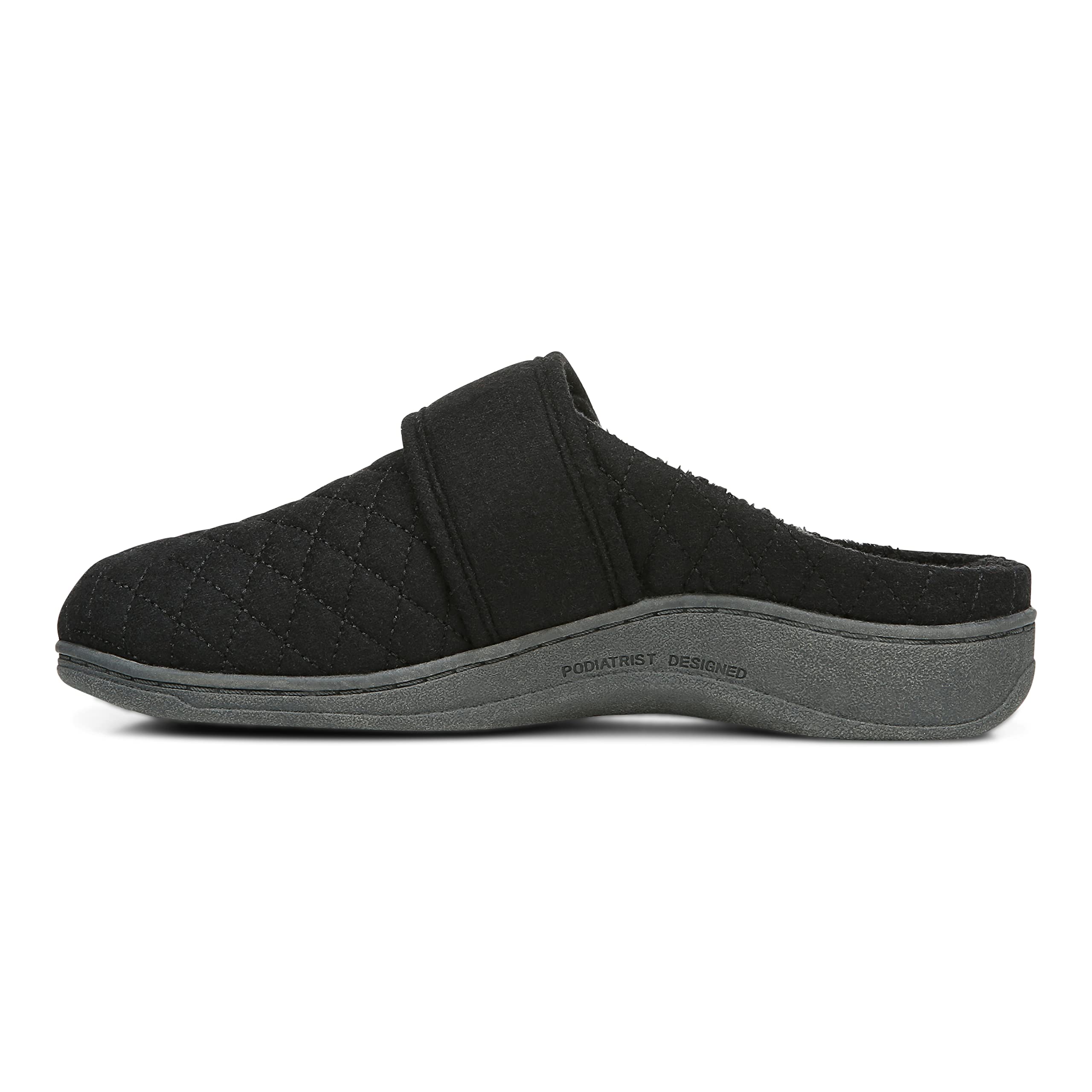
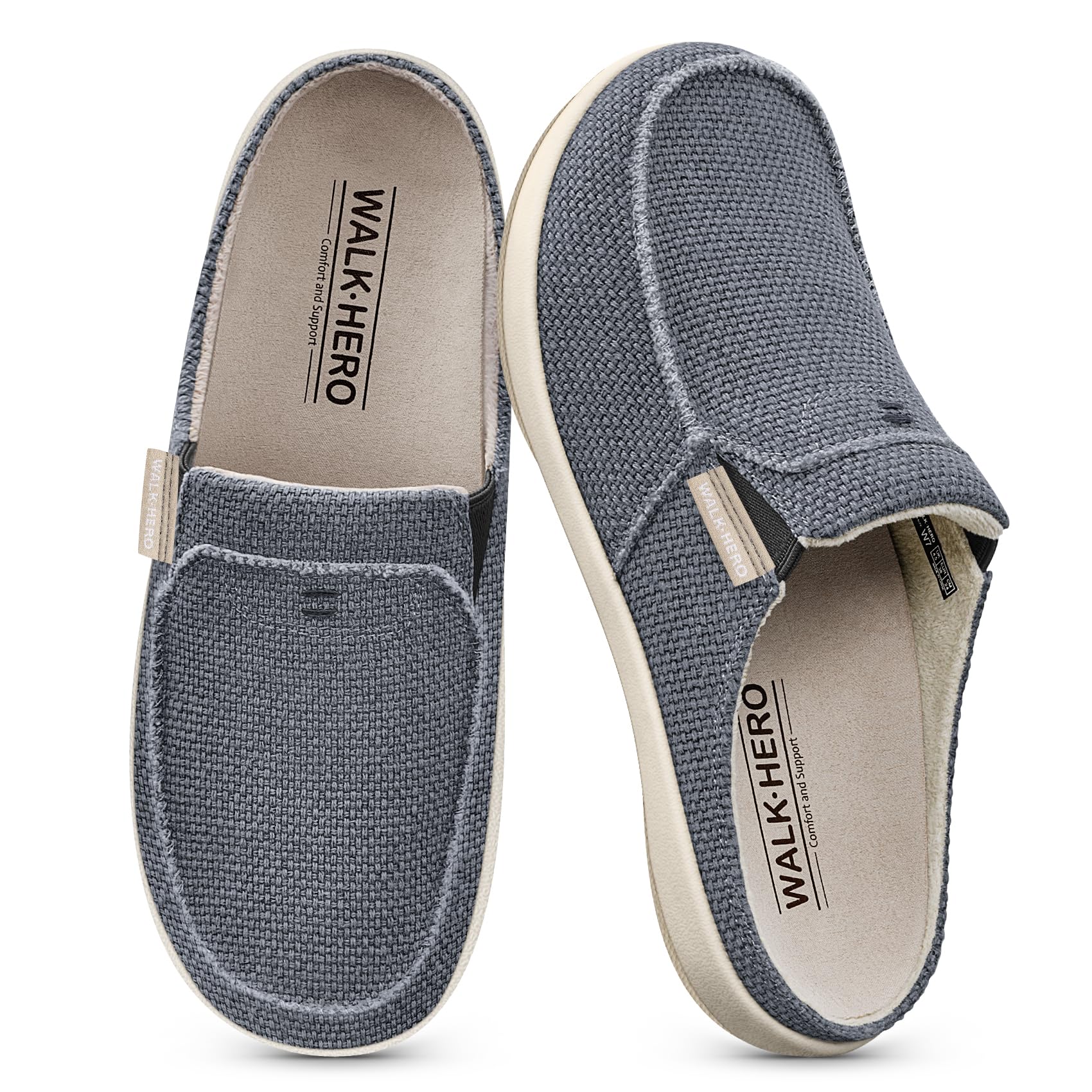

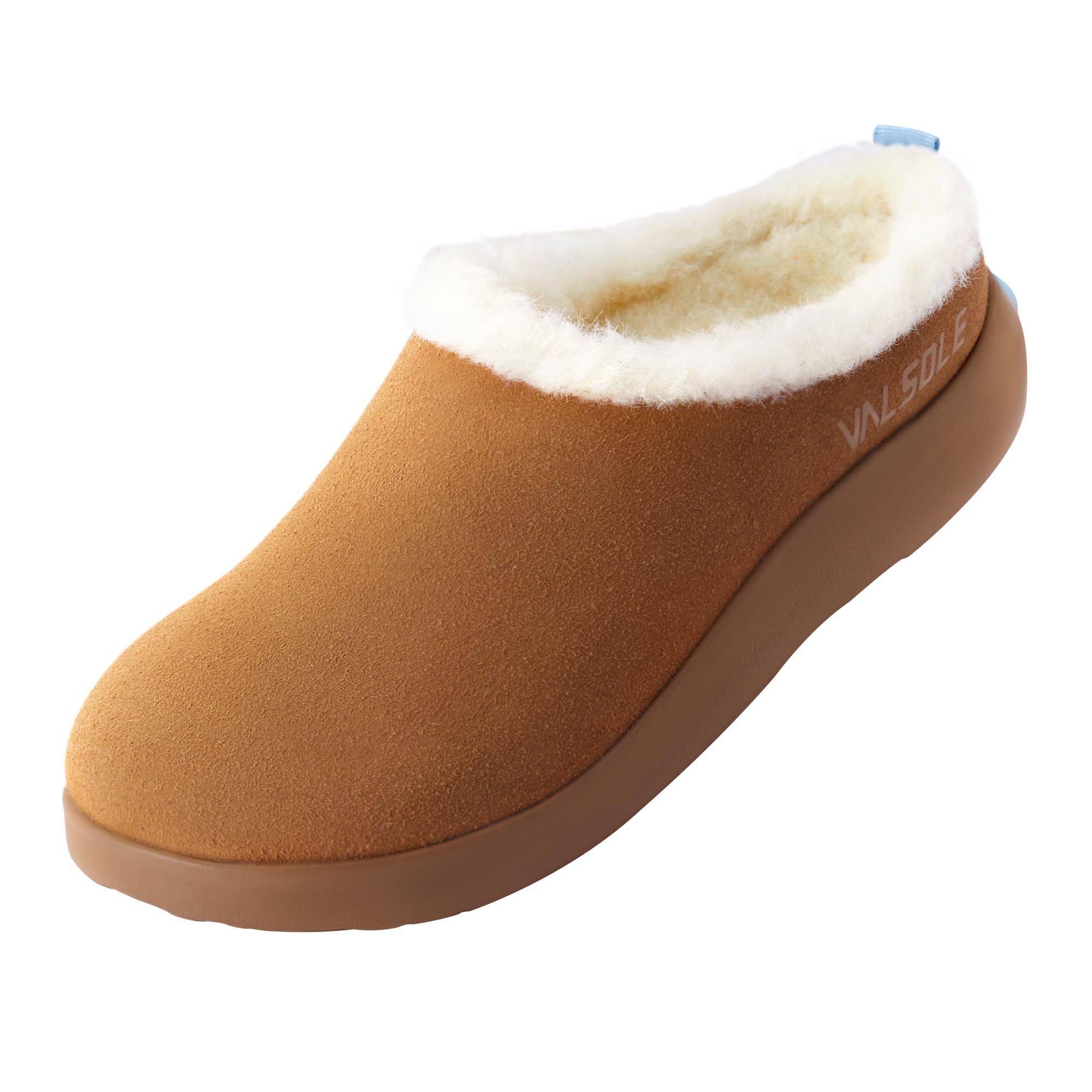
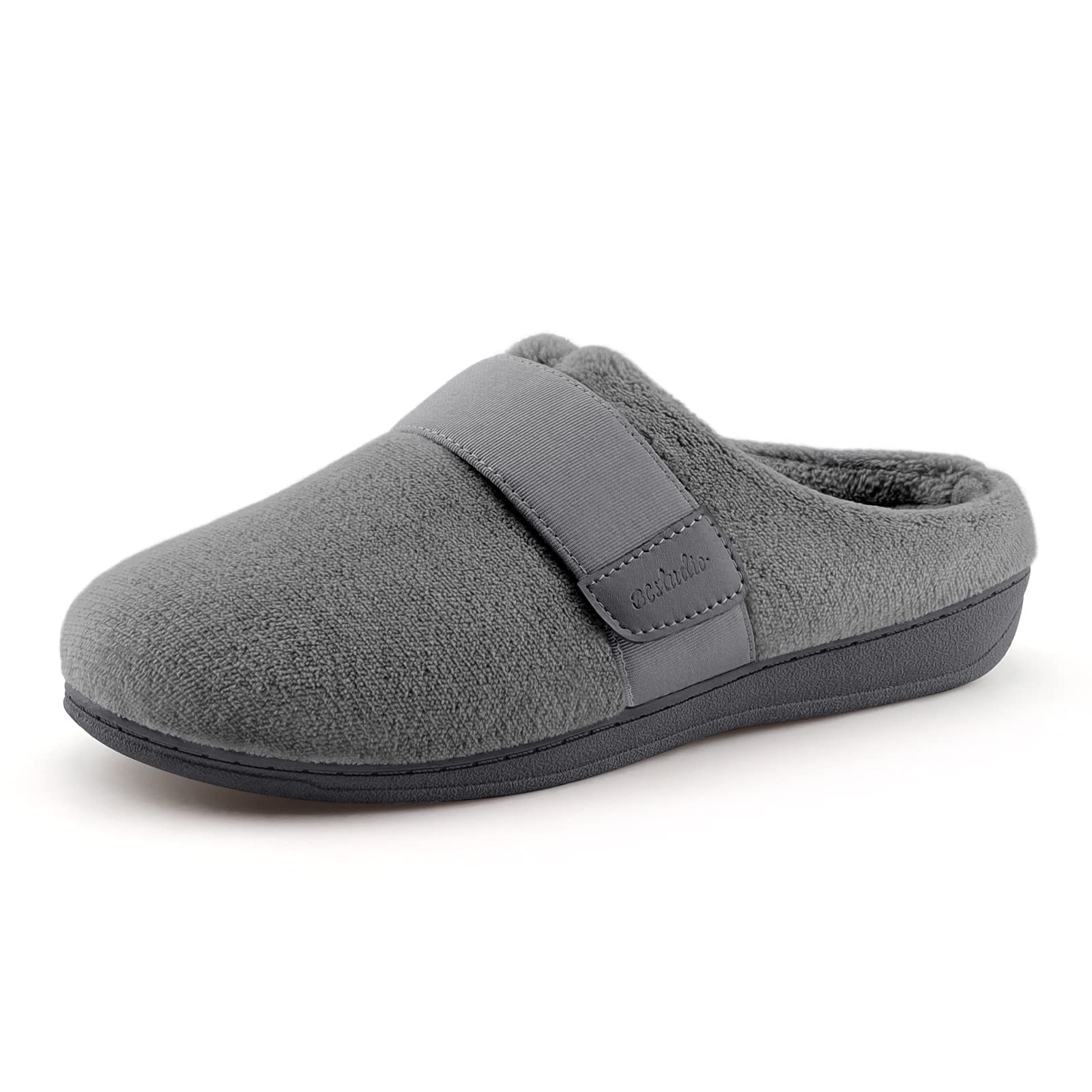


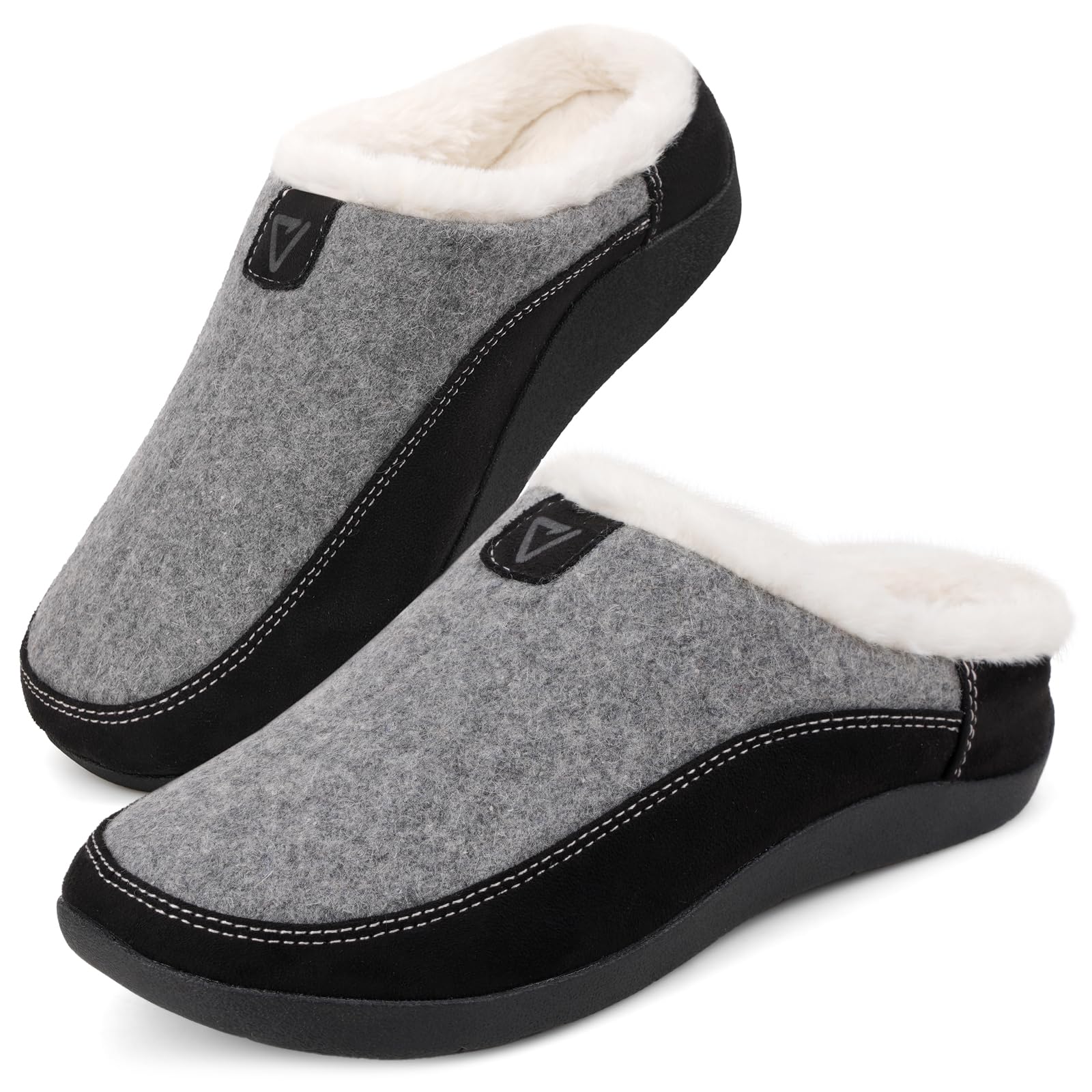


Why Arch Support Matters in Slippers
Hard floors give no cushion, and bare feet or thin slippers let the arch collapse with every step. A supportive footbed spreads weight along the arch, steadies the heel and reduces strain on the plantar fascia, which many women notice as morning heel pain. Support at home also means you start every outing with less tired feet.
Slippers are not medical devices, but a supportive pair can be part of a routine that includes good shoes outdoors and regular stretching. If pain persists, swelling appears or you feel numbness, talk with a clinician or podiatrist.
Who These Slippers Suit
They suit women who cook, clean or work at home on hard floors, those with flat feet or high arches, and anyone who notices foot tiredness by evening. They also help people who currently walk barefoot indoors. Women with persistent pain should use slippers as one part of a wider plan, not a substitute for professional advice.
Key Features to Compare
Arch Contour
The contour should match your arch without pressing painfully. A moderate, gradual rise suits most feet. A flat footbed offers little help, and an aggressive bump can feel uncomfortable. If you have flat feet, look for firmer support, and if you have high arches, look for a contour with cushioning.
Cushioning and Heel Cup
Soft foam under the heel and forefoot reduces impact on hard floors. A deep heel cup keeps the heel centered and holds the natural heel pad in place. Check that the foam springs back when you press it rather than staying flat.
Sole Grip and Flexibility
A non slip rubber or textured sole matters on kitchen and bathroom floors, especially when feet are wet. The sole should flex at the toes but stay firm through the middle. A very rigid sole feels clumsy, while a thin foam sole wears out and slides.
Fit, Width and Materials
The slipper should hold your heel without squeezing the toes. Wide options help if you have broad feet or swelling. Breathable linings such as cotton blends and wool keep feet comfortable, while fleece adds warmth for cold floors.
Types of Arch Support Slippers
Closed Heel Slippers
These stay on the foot better, give more stability and keep toes protected. They suit long periods of standing and walking around the house, and they are warmer in winter.
Open Back Slides
Slides are easy to slip on and off and work well in warm homes or for quick tasks. They offer less heel stability, so they suit short wear better than all day standing.
Slippers With Removable Insoles
Removable insoles let you replace a worn footbed or add a custom insert if a clinician has recommended one. They also make cleaning easier, because you can wash or air the insole separately.
Choosing the Best Arch Support Slippers for Ladies
Try slippers on in the afternoon, when feet are slightly larger, and walk on a hard floor for a few minutes. The arch should feel supported but comfortable, the heel should stay in place and your toes should not curl to hold the slipper on. If you wear socks indoors, try them with the same socks.
Think about the season too. Warm, lined slippers are lovely in winter but can overheat in summer, so a breathable pair may suit year round use better. For related ideas, see our guides to the best house slippers with arch support and the best winter slippers with arch support.
Matching Slippers to Your Floors and Season
Tile and hardwood reflect cold and offer no cushion, so a thicker footbed and a grippy sole help most there. Carpet is forgiving, which means a lighter slipper with a shaped footbed is often enough. If your home mixes surfaces, choose a sole that grips smooth floors without catching on rugs.
In winter, wool and fleece linings keep feet warm, but check that the lining does not shrink the interior and press the toes. In summer, breathable fabric and open styles keep feet cooler. Many women own two pairs, a warmer closed heel pair for cold months and a lighter pair for warm weather.
If you spend part of the day in the garden or step out to collect the post, look for a sole made for brief outdoor use. Keep that pair apart from a clean indoor pair so dirt does not end up on carpets.
What to Expect to Spend
Around $25 to $50, expect a simple contoured footbed that suits light home use. From about $50 to $90, you can find better cushioning, removable insoles and more durable soles. Above that range you often pay for premium materials or a known comfort maker, so try the middle range first.
Common Mistakes to Avoid
- Choosing slippers only by softness, which gives little support.
- Wearing outdoor shoes indoors as a substitute without checking sole cleanliness.
- Ignoring heel slip, which changes your gait and strains ankles.
- Keeping slippers after the footbed has flattened.
- Buying a size that is too small, which cramps toes.
Care and Replacement
Air the slippers regularly, wash them as the maker advises and replace insoles when they flatten. Check the sole for wear, especially at the heel edge, and replace the slippers when support feels uneven. Keep a second pair for outdoor trips so your house slippers stay clean and dry. Daily wearers usually need a new pair every six to twelve months.
Frequently Asked Questions
How do I know my arch type before buying slippers?
A wet footprint test gives a rough guide. A full footprint suggests a low arch, a narrow middle suggests a high arch and a moderate curve suggests a medium arch. Use it as a starting point, since foot shape, weight and gait also matter.
Are arch support slippers good for flat feet?
A structured slipper with a firm contour can help flat feet feel less tired on hard floors. It works best when the contour matches your foot and the heel stays stable. If flat feet cause persistent pain, seek advice from a clinician.
Should house slippers have a hard or soft sole?
A sole that is firm enough to be stable but flexible enough to bend usually works best. Very hard soles tire the foot, while very soft soles give little support and wear quickly.
How often should I replace arch support slippers?
Replace them when the footbed flattens, the heel counter collapses or support feels uneven. For daily wear, that is usually every six to twelve months.
Can slippers help with heel pain at home?
Supportive slippers with heel cushioning can reduce strain, especially if you walk barefoot on hard floors. They work best alongside rest and stretching advised by a clinician, and sharp or worsening pain needs professional assessment.
Final Thoughts
Match the contour to your arch, choose a secure heel and a grippy sole, and try them on a hard floor before you decide. The product table above compares styles and prices to speed up the choice.
With those checks done, the best arch support slippers for ladies turn hours at home from a strain on your feet into a comfortable routine.


